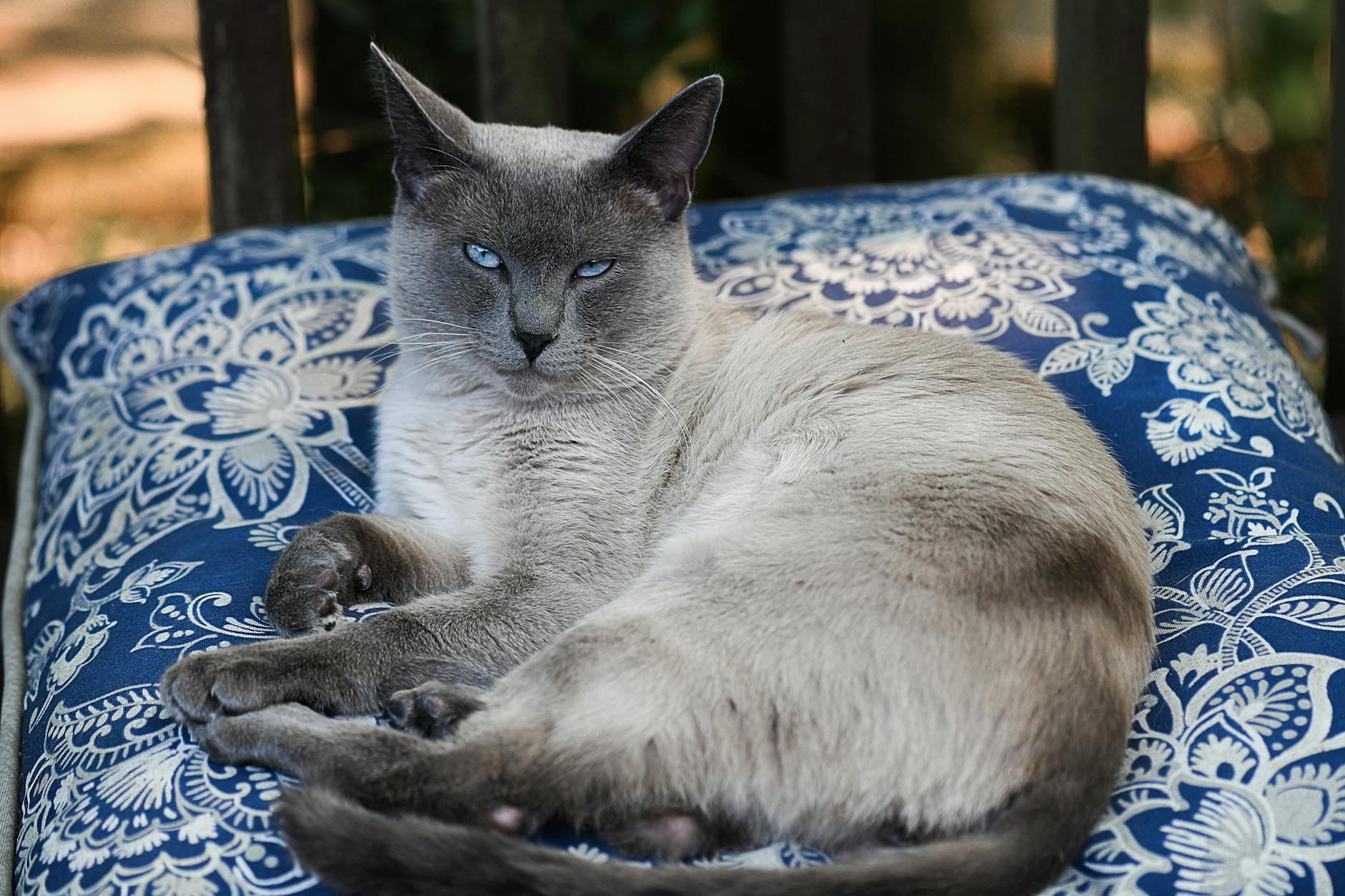
Several cat breeds are known for striking sapphire blue eyes, but the Ragdoll is most commonly recognized for displaying this distinctive feature. Ragdolls are bred specifically for their glittering sapphire-like eyes, which appear as a hallmark characteristic of the breed. However, sapphire blue eyes aren’t exclusive to Ragdolls—other breeds including Siamese, Balinese, Birman, and Turkish Angora also display this eye color to varying degrees.
The intensity and shade of blue can range from icy sky blue to deep sapphire depending on the breed, genetics, and individual cat. It’s important to understand that blue eye color in cats results from specific genetic factors rather than random chance. The appearance of sapphire blue eyes is controlled by genes related to coat color patterns and pigmentation, which means not all cats within a breed may display this eye color with equal intensity. Additionally, while all kittens are born with blue eyes, most will develop different eye colors as they mature—the cats that retain deep sapphire blue eyes into adulthood do so because of their specific genetic makeup.
Table of Contents
- Which Cat Breeds Have Sapphire Blue Eyes?
- Understanding the Genetics Behind Sapphire Blue Eyes
- The Birman: Sapphire Eyes With Distinctive Markings
- Turkish Angora: Blue Eyes in a Classic White Coat
- Health and Genetic Considerations for Blue-Eyed Cats
- Living With a Sapphire-Eyed Cat
- Choosing a Blue-Eyed Breed: What to Consider
- Conclusion
- Frequently Asked Questions
Which Cat Breeds Have Sapphire Blue Eyes?
The Ragdoll stands out as the quintessential sapphire-eyed breed, with breeders specifically selecting for their luminous blue gaze. These large, semi-longhaired cats develop their characteristic colorpoint pattern and brilliant blue eyes, which they retain throughout their entire lives. Ragdolls typically have blue eyes that appear almost glassy or jewel-like, justifying the “sapphire” description that enthusiasts use. The Siamese breed actually produces some of the most intensely blue eyes of any cat breed—their blue eyes range from icy sky blue to deeper sapphire tones and are considered the most vivid in the feline world.
Siamese cats have been refined over centuries to have these striking eyes, and the eye color is directly linked to their distinctive pointed coloration pattern. When you see a purebred Siamese, the piercing blue stare is often the first feature people notice. The Balinese, essentially the longhaired cousin of the Siamese, was developed specifically to maintain that breed’s signature sapphire blue eyes while adding a luxurious coat. Balinese cats are born with almond-shaped eyes that develop into a deep sapphire blue during their first few weeks of life. This breed demonstrates how breeders can work to enhance and preserve specific traits like eye color across generations.
Understanding the Genetics Behind Sapphire Blue Eyes
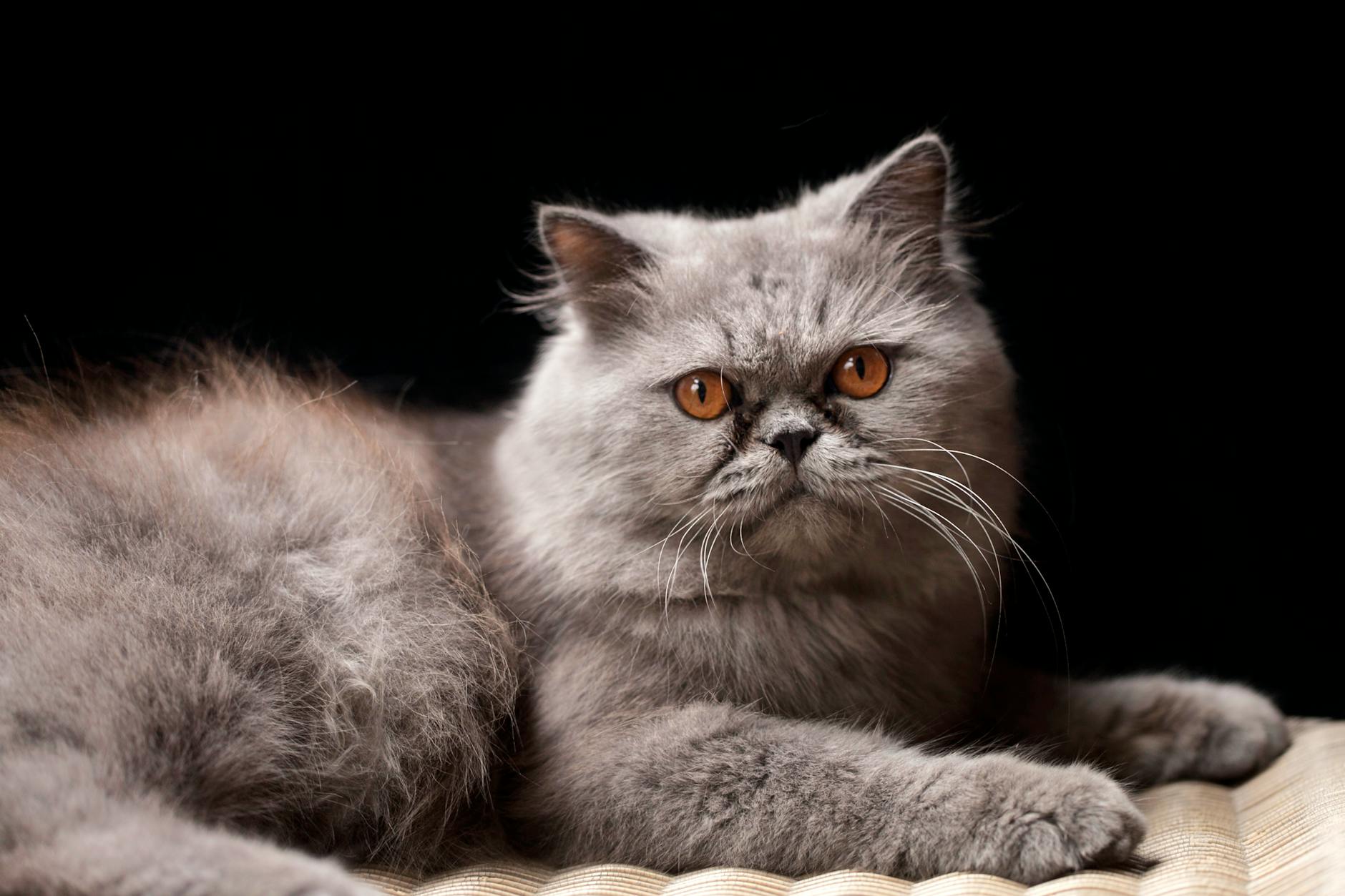
Blue eyes in cats are linked to the white spotting gene, which affects how melanin is distributed in the iris. The pointed pattern seen in breeds like Siamese, Balinese, and Ragdoll is controlled by a temperature-sensitive albinism gene that reduces melanin production in cooler areas of the body. This same genetic mechanism that creates the dark ears, face, and tail also influences eye color, which is why pointed breeds consistently display blue eyes. A critical fact to understand is that virtually all cat kittens are born with blue eyes, regardless of breed. As they grow, melanin develops in their irises and their eye color typically shifts to green, amber, or yellow.
However, cats with the genes for pointed coloration or white spotting retain their blue eyes into adulthood because these genes suppress melanin production in the iris. This is why blue-eyed adult cats are relatively rare—their genetics must work against the normal developmental shift away from blue. The genetics become more complex when considering that some cats can have heterochromia, where one eye is blue and the other is a different color entirely. This occurs when genes for blue eye color are expressed unevenly. Breeders of sapphire-eyed breeds work deliberately to ensure consistent, bilateral blue eyes by selecting cats that carry the appropriate genetic combinations.
The Birman: Sapphire Eyes With Distinctive Markings
The Birman, also known as the Sacred Cat of Burma, is a medium-to-large breed instantly recognizable by its combination of deep sapphire-blue eyes and distinctive white “mittens” on its paws. Unlike some breeds where eye color can vary, Birmans typically display a consistent deep sapphire tone that contrasts beautifully with their colorpoint coat pattern. The breed’s sapphire eyes are set against a darker mask and ears, creating a striking facial appearance that many find mesmerizing.
Birmans differ from Siamese and Balinese in their body structure and overall appearance, yet they share the sapphire eye color that defines pointed breeds. The white mittens and contrasting deep blue eyes create a visual harmony that has made Birmans popular for centuries. Their eye color, combined with their calm temperament, makes them particularly appealing to owners seeking a visually distinctive but less intense breed compared to Siamese.
Turkish Angora: Blue Eyes in a Classic White Coat
The Turkish Angora is another breed celebrated for sapphire blue eyes, typically displaying shades ranging from sky blue to deeper sapphire depending on individual genetics. Unlike pointed breeds that have mask-and-ear coloration, Turkish Angoras typically have predominantly white coats, which can actually make their blue eyes appear even more striking by contrast. This breed combines delicate, fine-boned features with intelligent, alert eyes that seem to follow your every movement.
Turkish Angoras can have blue eyes, green eyes, or heterochromia, but the blue-eyed variety is particularly prized. Interestingly, Turkish Angoras with white coats and blue eyes are sometimes associated with deafness, as the same genes that produce white fur and blue eyes can affect hearing development in some cats. This is an important consideration for anyone interested in adopting a blue-eyed Turkish Angora—responsible breeders will test for hearing and disclose any potential issues.
Health and Genetic Considerations for Blue-Eyed Cats
While sapphire blue eyes are aesthetically appealing, it’s important to understand that the genetics producing blue eyes can sometimes carry health implications. The white spotting gene and temperature-sensitive albinism genes are generally harmless, but the combination of white coat color and blue eyes has been statistically linked to higher rates of congenital deafness in some breeds. This doesn’t mean all blue-eyed cats will be deaf, but it’s a consideration worth discussing with a breeder.
Reputable breeders of blue-eyed breeds conduct health screening and genetic testing to minimize the risk of inherited conditions. If you’re considering adopting a blue-eyed breed like a Turkish Angora or a white-coated cat with sapphire eyes, ask the breeder about health testing and any known genetic predispositions. Most Ragdolls, Siamese, Balinese, and Birmans from quality breeders are healthy, but understanding the genetic foundation helps you make informed decisions.
Living With a Sapphire-Eyed Cat
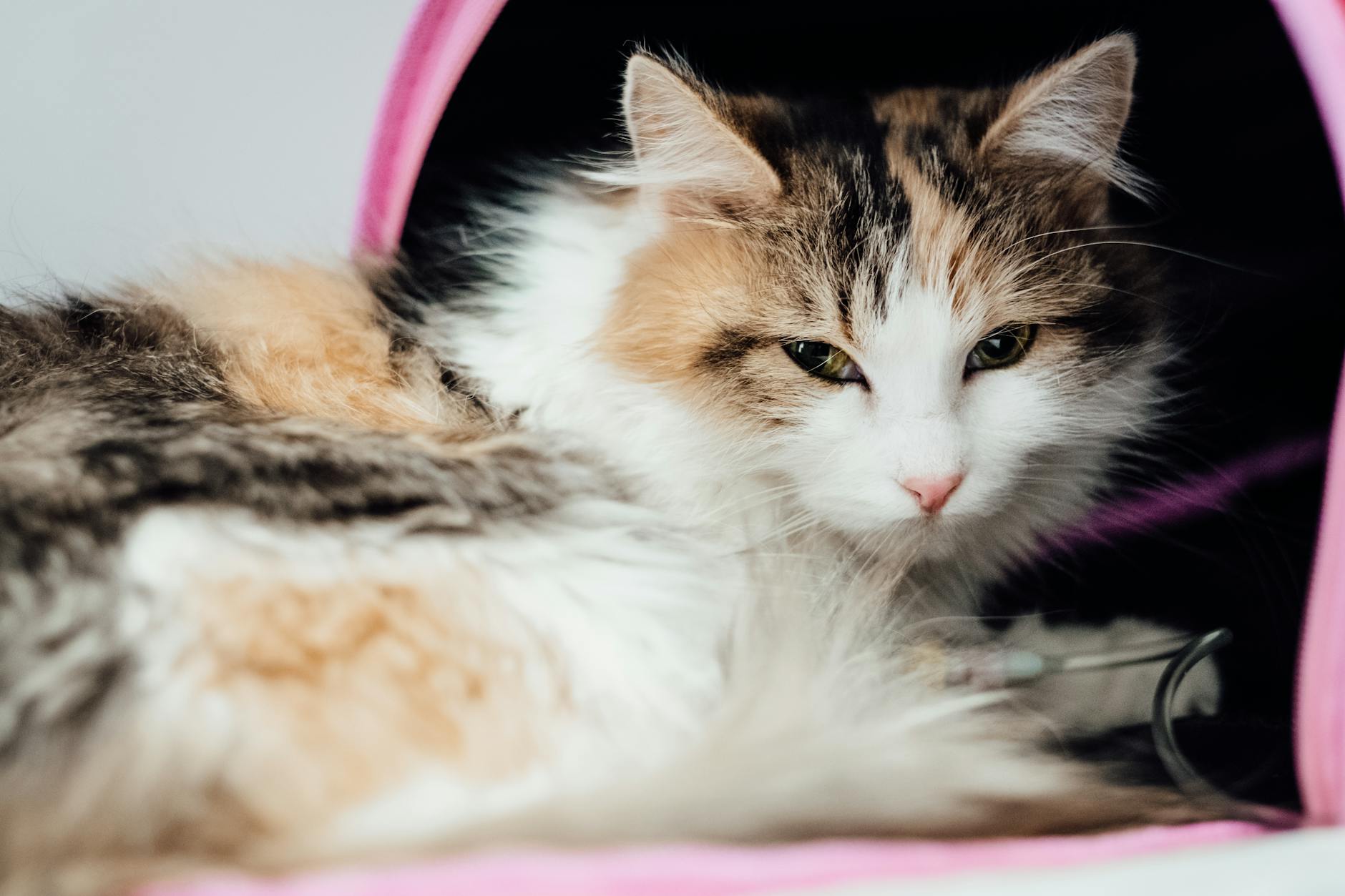
Cats with sapphire blue eyes don’t require special eye care beyond standard feline health maintenance. Their eye color doesn’t make them more prone to eye conditions than other cats, though you should still monitor for signs of infection, discharge, or cloudiness just as you would with any cat. Regular veterinary checkups will include eye assessments to ensure your blue-eyed companion’s vision remains healthy.
The striking appearance of sapphire-eyed cats can sometimes lead people to perceive them as more delicate or rare than they actually are. Ragdolls, Siamese, and Balinese cats are sturdy, playful companions that require standard care including proper nutrition, enrichment, and veterinary attention. Their beautiful eyes are simply one aspect of their overall health and personality.
Choosing a Blue-Eyed Breed: What to Consider
If the sapphire blue eye appeal draws you toward a particular breed, remember that eye color is just one factor in choosing the right cat for your household. Ragdolls are known for their affectionate, laid-back temperament and tendency to follow owners around. Siamese are more vocal and demanding of attention, with higher energy levels. Balinese offer a similar personality to Siamese but with a longer coat.
Birmans tend toward a gentler, more reserved demeanor. The reputation of blue-eyed cat breeds often centers on their striking appearance, but their personality and care requirements vary significantly. Consider not just the visual appeal of sapphire blue eyes but also whether the breed’s temperament, coat maintenance needs, and social requirements align with your lifestyle. A cat’s eye color might be the first thing you notice, but it will be their personality and compatibility with your household that determines whether they’re truly the right match.
Conclusion
Sapphire blue eyes are found across several cat breeds, with Ragdolls, Siamese, Balinese, Birmans, and Turkish Angoras being the most recognized examples. These blue eyes result from specific genetic factors, particularly genes that control coat coloration patterns and melanin production in the iris. Understanding the genetics behind these striking eyes helps explain why blue eyes are relatively rare in adult cats and why breeders have worked to preserve this trait in specific breeds.
When considering a blue-eyed breed, focus on finding a reputable breeder who conducts health testing and can provide accurate information about the cat’s genetics and any potential health considerations. The stunning sapphire blue eyes that draw people to these breeds are beautiful, but they’re just one aspect of choosing a healthy, compatible feline companion. Take time to research the specific breed’s temperament and care requirements to ensure a good long-term match with your household.
Frequently Asked Questions
Do all Ragdolls have sapphire blue eyes?
Yes, sapphire blue eyes are a defining characteristic of the Ragdoll breed. All purebred Ragdolls should retain their distinctive blue eyes throughout their entire lives, though the exact shade may vary slightly between individual cats.
Can a cat with blue eyes go blind more easily?
No, blue eye color does not predispose cats to blindness or vision problems. Blue eyes function the same as any other eye color. However, some white-coated, blue-eyed cats may have a higher statistical risk of congenital deafness, which is unrelated to vision.
Why did my blue-eyed kitten’s eyes change color?
Most kittens are born with blue eyes, and the color typically changes as they develop melanin in the iris. If your kitten’s eyes changed from blue to another color, your cat likely doesn’t carry the genes that maintain blue eyes into adulthood. This is normal and completely healthy.
Are blue-eyed cat breeds more expensive?
Sapphire-eyed breeds like Ragdolls and Siamese tend to command higher prices from breeders than many other cats, partly due to selective breeding and demand. However, adoption through breed rescues can be significantly more affordable while still providing a healthy, purebred companion.
Do sapphire-eyed cats need special eye care?
No, blue eyes don’t require special care beyond normal feline eye health maintenance. Regular veterinary checkups will include eye assessments. Watch for any discharge, redness, or cloudiness and report concerns to your veterinarian.
Which blue-eyed breed is best for first-time cat owners?
Birmans and Ragdolls tend to be more relaxed and adaptable than Siamese, making them potentially better for first-time owners. However, the best choice depends on your lifestyle, activity level, and willingness to maintain a longer coat in breeds like Balinese or Ragdoll.