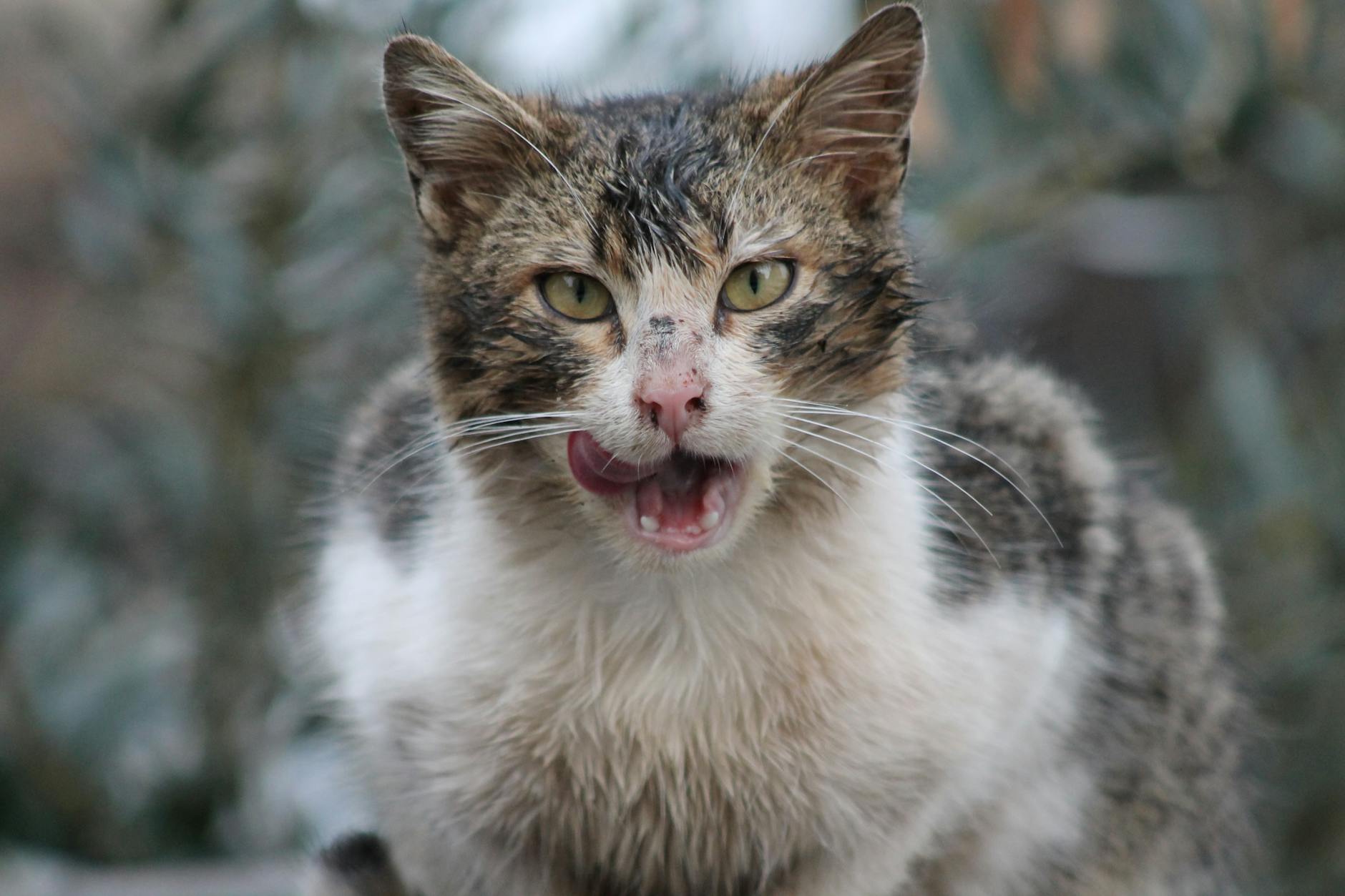
No, it is absolutely not safe for cats to lick plates with spicy chili. The capsaicin compound found in chili peppers and spicy foods is toxic to cats and can cause significant digestive distress, pain, and other serious health complications. Even small amounts of spicy food residue on a plate can trigger adverse reactions in cats because their digestive systems lack the ability to properly process capsaicin, unlike humans who have developed some tolerance to the compound.
If your cat managed to lick a plate from last night’s chili dinner, this warrants immediate attention to monitor for symptoms, even if the exposure seems minimal. Cats are naturally curious creatures that investigate their environment through taste and smell, which puts them at risk when kitchen plates and cookware are left within reach. Their much smaller body size compared to humans means that even trace amounts of spicy food can have proportionally larger effects on their system. Understanding why these foods are dangerous and how to prevent access is essential for any cat owner.
Table of Contents
- Why Capsaicin and Spicy Foods Are Toxic to Cats
- Symptoms and Immediate Health Effects of Capsaicin Exposure
- Why Cats Are Attracted to Licking Plates and Food
- Preventing Plate Access and Managing Kitchen Safety
- What To Do If Your Cat Ingests Spicy Food
- Other Human Foods That Pose Similar Risks to Cats
- Creating a Long-Term Safe Kitchen Environment for Cats
- Conclusion
- Frequently Asked Questions
Why Capsaicin and Spicy Foods Are Toxic to Cats
Capsaicin is an alkaloid compound that creates the burning sensation associated with spicy foods, and it irritates the mucous membranes in cats‘ mouths, throats, and digestive tracts in ways that can be quite painful. Unlike humans, who produce saliva and have digestive enzymes that help neutralize capsaicin to some degree, cats’ digestive systems are not equipped to handle this compound effectively. Additionally, cats lack certain taste receptors that would alert them to dangerous foods, meaning they don’t naturally avoid spicy substances the way they might avoid other toxins.
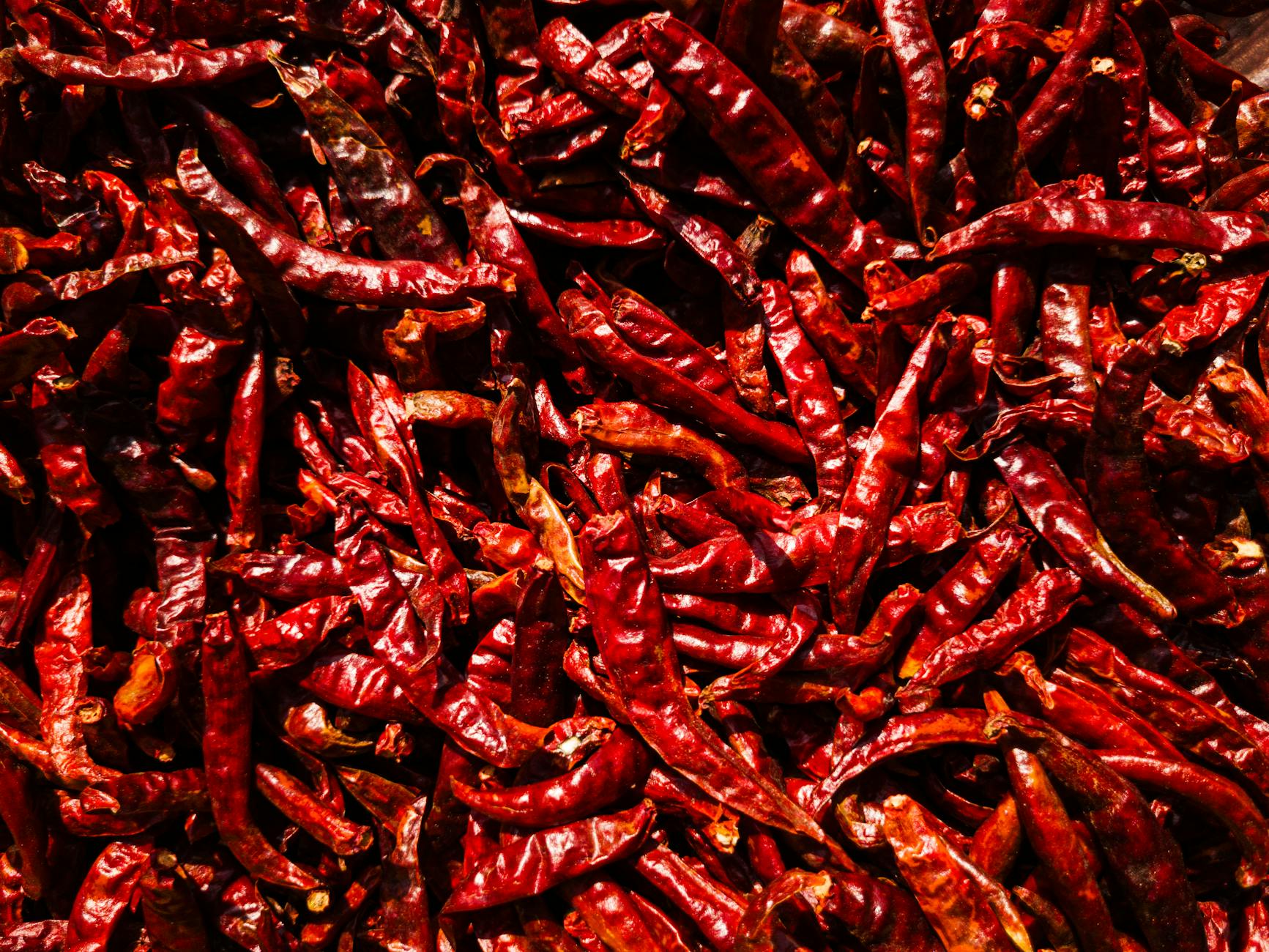
The severity of the reaction depends on the amount of capsaicin ingested and the specific type of chili or spicy food involved. A cat that licks residue from a plate containing mild salsa may experience only minor symptoms, while one exposed to concentrated hot sauce or fresh ghost pepper could face serious complications. Comparison to other toxic foods is helpful here: while chocolate toxicity in cats is dose-dependent and involves theobromine, capsaicin toxicity is more about direct irritation and inflammation of sensitive tissues.
Symptoms and Immediate Health Effects of Capsaicin Exposure
The symptoms of capsaicin exposure in cats typically appear within 30 minutes to a few hours and can range from mild to severe depending on the amount consumed. Common signs include excessive drooling, difficulty swallowing, vomiting, diarrhea, abdominal pain shown through hunching or restlessness, and a red or inflamed mouth and throat. Some cats may also experience loss of appetite, lethargy, or behavioral changes as they feel unwell.
A critical limitation to understand is that some cats may hide their symptoms initially, making it difficult to know exactly what they ingested. This is particularly concerning because capsaicin can cause inflammation that lingers even after acute symptoms resolve, potentially leading to secondary complications if left untreated. If your cat shows any of these signs after potential spicy food exposure, veterinary care should not be delayed, as a veterinarian can provide supportive treatment and monitor for complications like dehydration or intestinal irritation.
Why Cats Are Attracted to Licking Plates and Food
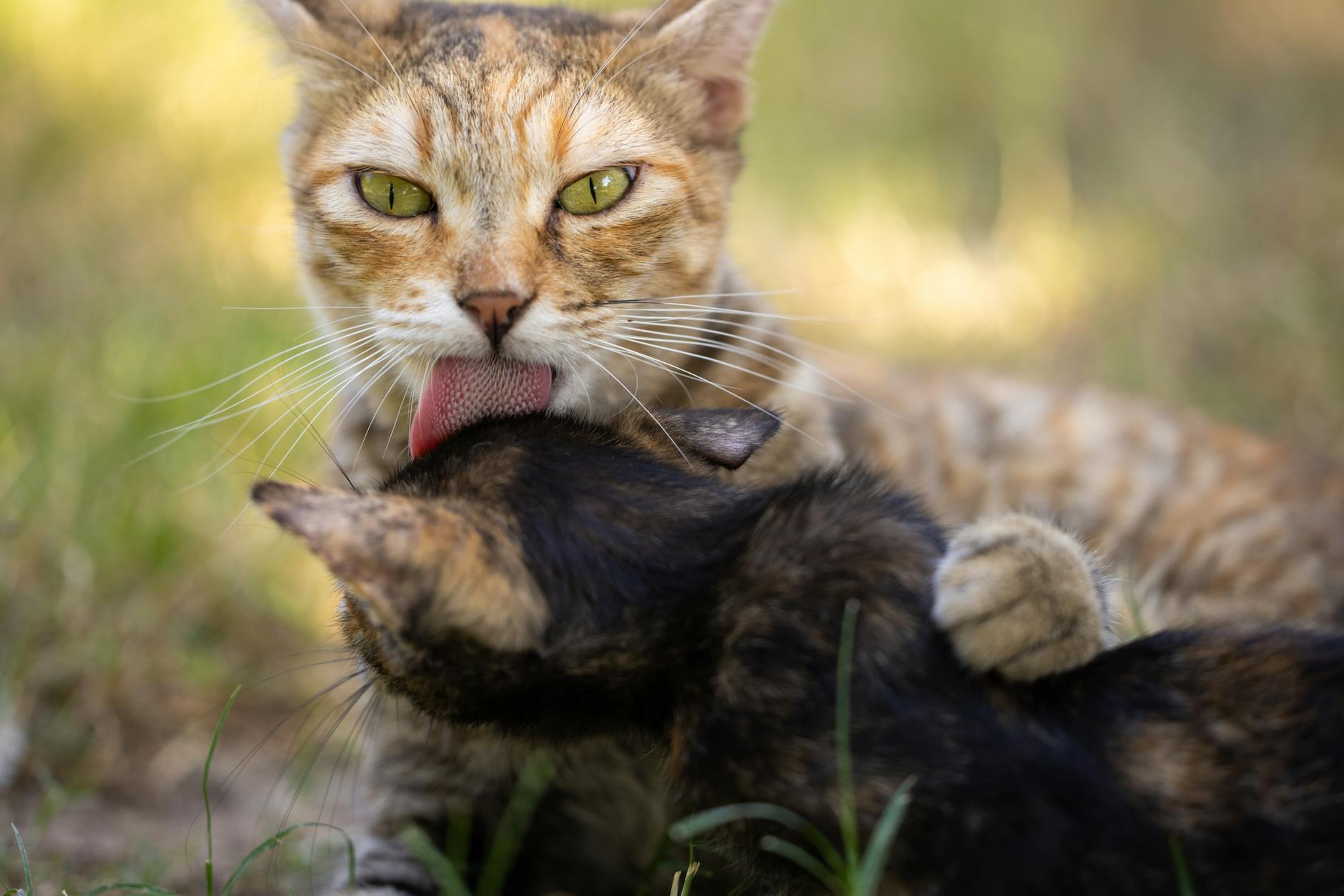
Cats explore the world through scent and taste, and a plate that contained a flavorful meal—particularly one with strong aromas like chili with garlic, cumin, or meat—becomes an interesting object for investigation. The residual oils and particles left on dishes are attractive to cats because they carry concentrated versions of the smells that made the food appealing to humans. Additionally, plate-licking behavior can stem from simple hunger, boredom, or learned behavior if the cat has previously found food rewards on plates left accessible.
This behavior is entirely normal from a feline perspective, but it puts cats at serious risk when plates contain potentially toxic foods. An example illustrates this well: a cat might ignore an empty ceramic plate but become very interested in licking one that held spicy ground beef or beans in chili sauce. The key difference is that cats cannot distinguish between safe plate residues and dangerous ones, so prevention must come entirely from the owner’s diligence in keeping hazardous foods out of reach.
Preventing Plate Access and Managing Kitchen Safety
The most effective strategy for protecting cats from spicy food exposure is preventing access to plates and dishes in the first place. This means immediately rinsing or loading plates into the dishwasher rather than leaving them on counters, tables, or in the sink where cats can reach them. Establishing a routine of quick cleanup after meals is not just about preventing spicy food incidents—it also prevents access to other toxic foods like chocolate, onions, garlic, and xylitol-containing products.
Creating a cat-free zone during meal times can be practical for some households, though this requires either closing doors or training cats to stay away from dining areas. A helpful comparison: just as you might use baby gates to keep toddlers out of kitchens, using barriers to restrict cat access during and immediately after cooking and eating can significantly reduce risk. Additionally, securing trash cans with childproof lids prevents cats from investigating discarded food items that might contain spicy residues or other hazards. The tradeoff here is that such precautions require consistent effort, but the alternative is risking a veterinary emergency.
What To Do If Your Cat Ingests Spicy Food
If you suspect or know that your cat has ingested spicy food, the first step is to contact your veterinarian or an animal poison control center immediately, even if the cat seems fine. Provide as much information as possible about what the cat ate, including the type of food, approximate amount, and when exposure occurred. Do not wait for symptoms to develop, as early intervention often prevents complications.
In the interim, you can offer your cat small amounts of plain water or milk to help soothe irritated tissues, though some cats may refuse food or water due to mouth pain. A significant warning: do not attempt home remedies or assume the exposure is minor because the cat only licked a plate. Veterinarians have seen cases where seemingly small amounts of concentrated hot sauce or spicy powders caused serious inflammation and required days of supportive care including fluids, pain management, and monitoring for secondary issues. Your veterinarian may recommend dietary modifications, pain relief, or protective medications depending on the severity of exposure and your individual cat’s condition.

Other Human Foods That Pose Similar Risks to Cats
Spicy foods are just one category of human foods that can harm cats. Other dangerous items commonly found in kitchens include onions and garlic (which damage red blood cells), chocolate and caffeine (which are toxic to the nervous system), avocado (which contains persin, a fungal toxin), grapes and raisins (which can cause kidney failure), and foods containing xylitol or artificial sweeteners.
Like capsaicin toxicity, toxins from these foods can cause acute illness and require veterinary treatment. An example that connects to the spicy food concern: a cat might be exposed to onions or garlic in the same chili dish that contains capsaicin, creating a double toxic exposure. This underscores why it’s not just about the spice itself but about keeping all potentially harmful human foods completely out of reach.
Creating a Long-Term Safe Kitchen Environment for Cats
Beyond addressing individual incidents, creating a consistently safe kitchen environment requires understanding your cat’s specific behavior patterns and adjusting accordingly. Some cats are more food-motivated and curious about human meals than others, so your prevention strategy should be tailored to your pet’s tendencies. This might mean designating safe spaces where your cat can be during meal prep and eating, using motion-activated deterrents on counters, or maintaining a strictly sealed food storage system.
As awareness of pet food safety increases among cat owners, many are also reconsidering which human foods they allow their cats to taste or investigate. A forward-looking approach involves viewing kitchen management as part of your cat’s overall health strategy, rather than viewing it as merely preventing one type of toxic exposure. By establishing strong habits around food storage and plate cleanup now, you significantly reduce the likelihood of any food-related emergency.
Conclusion
Cats licking plates with spicy chili is never safe, and the capsaicin in these foods can cause significant discomfort and health complications for your feline companion. The best protection is prevention through consistent kitchen management, immediate cleanup of dishes, and ensuring your cat cannot access spicy foods or their residues.
Understanding that cats are naturally attracted to investigating food items and cannot distinguish between safe and dangerous residues empowers you to take appropriate precautions. If exposure does occur, contact your veterinarian or animal poison control immediately rather than waiting to see if symptoms develop. By implementing practical strategies to limit your cat’s access to potentially toxic foods and maintaining awareness of which human foods pose risks, you can significantly reduce the likelihood of a preventable emergency and keep your cat healthy and safe throughout their life.
Frequently Asked Questions
How much spicy food would it take to seriously harm my cat?
Even a small amount can cause significant irritation. A cat that ingests more than a few licks of concentrated hot sauce or a teaspoon of very spicy chili could face serious symptoms requiring veterinary care. The exact amount varies by capsaicin concentration and the individual cat’s sensitivity.
Can I give my cat small amounts of mild salsa as a treat?
No. Even mild salsa contains capsaicin and other potential irritants like garlic or onions, and cats have no nutritional need for any spicy foods. It’s best to avoid entirely rather than trying to find a “safe” spice level.
What should I feed my cat if they seem hungry while I’m eating?
Offer your cat their regular food in a separate dish away from your meal, or provide cat-safe treats like plain cooked chicken, turkey, or commercial cat treats formulated for their nutritional needs. This redirects their attention and prevents food-begging behavior.
Are some cat breeds more sensitive to spicy foods than others?
Capsaicin toxicity affects all cats regardless of breed, though individual cats may show varying severity of symptoms based on their overall health, age, and individual sensitivity. Senior cats or those with existing digestive issues may be more vulnerable to serious complications.
Is there a “safe” amount of capsaicin for cats?
No. There is no established safe level of capsaicin consumption for cats. The compound serves no nutritional purpose for them and causes only irritation and discomfort, so the safest approach is zero exposure.
What’s the difference between a cat licking spicy food versus eating it?
Both are dangerous, but licking may result in lower overall exposure than eating a larger amount. However, even licking can deliver enough capsaicin to cause significant irritation to the mouth and throat tissues.