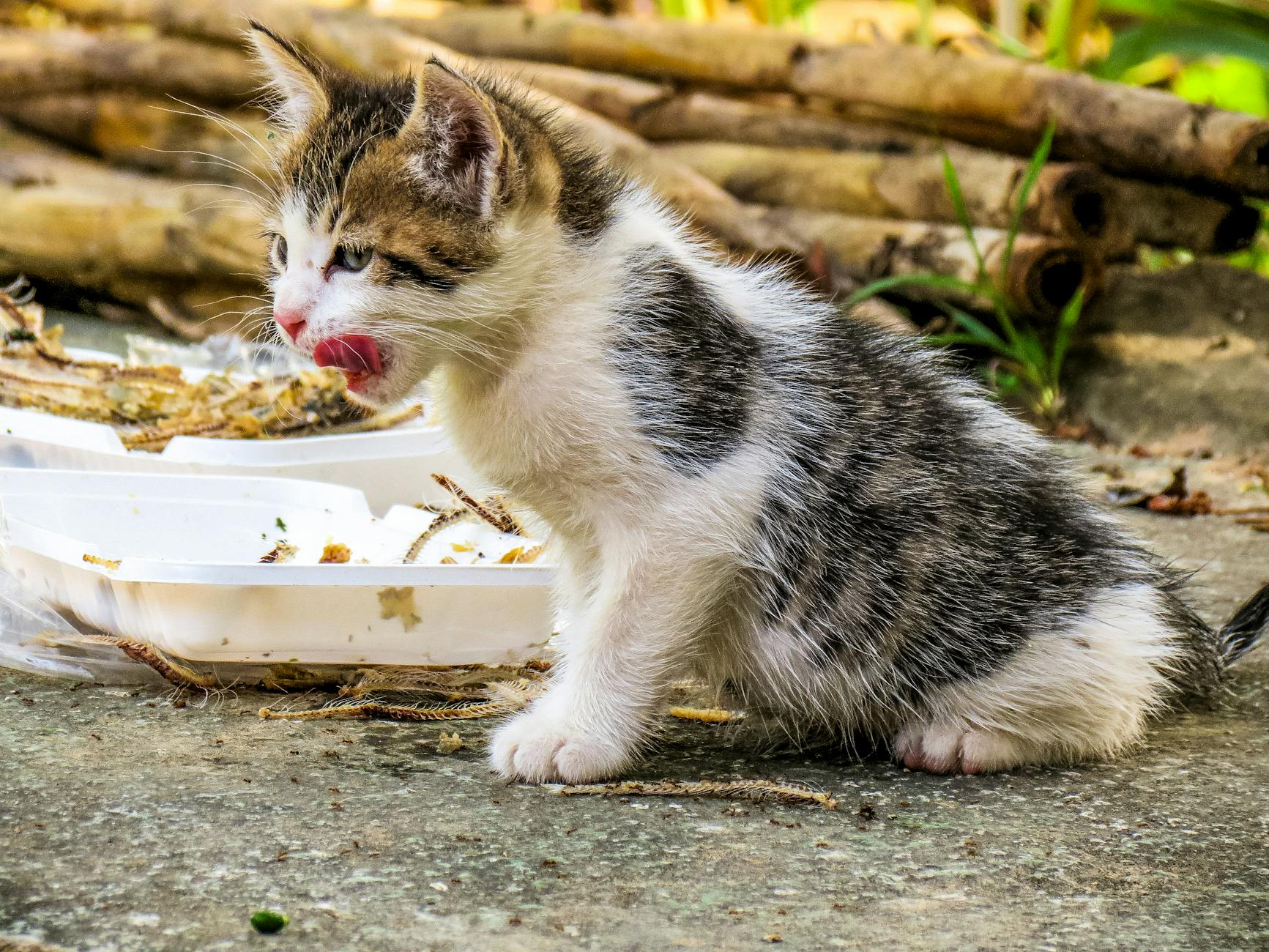
No, it’s not safe for cats to lick plates with tomato sauce, though the danger depends on the sauce ingredients rather than the tomato itself. While fresh tomatoes in small amounts won’t harm your cat, tomato sauces often contain garlic, onions, excessive salt, and other additives that can cause serious health problems. If your cat licked a small amount of plain tomato sauce once, they’ll likely be fine, but repeated exposure or sauce with problematic ingredients poses real risks that cat owners should understand.
The main concern isn’t the tomato itself—it’s what’s in the sauce. A typical pasta sauce might contain garlic or onion powder, which are toxic to cats and can damage their red blood cells. Even a few licks of heavily seasoned sauce could trigger symptoms ranging from mild gastrointestinal upset to more serious complications over time. Understanding what’s actually dangerous in that plate your cat got into can help you know whether to call your vet immediately or simply monitor your pet.
Table of Contents
- What Ingredients in Tomato Sauce Are Dangerous for Cats?
- How Tomato Toxicity Develops in Cats Over Time
- Common Tomato Sauce Scenarios and What Actually Happened
- Safe Alternatives and How to Manage Curious Cats
- Recognizing Poisoning Symptoms and When to Call the Vet
- Seasonings Beyond Garlic and Onion to Avoid
- Advancing Cat Nutrition and Preventing Food Hazards
- Conclusion
- Frequently Asked Questions
What Ingredients in Tomato Sauce Are Dangerous for Cats?
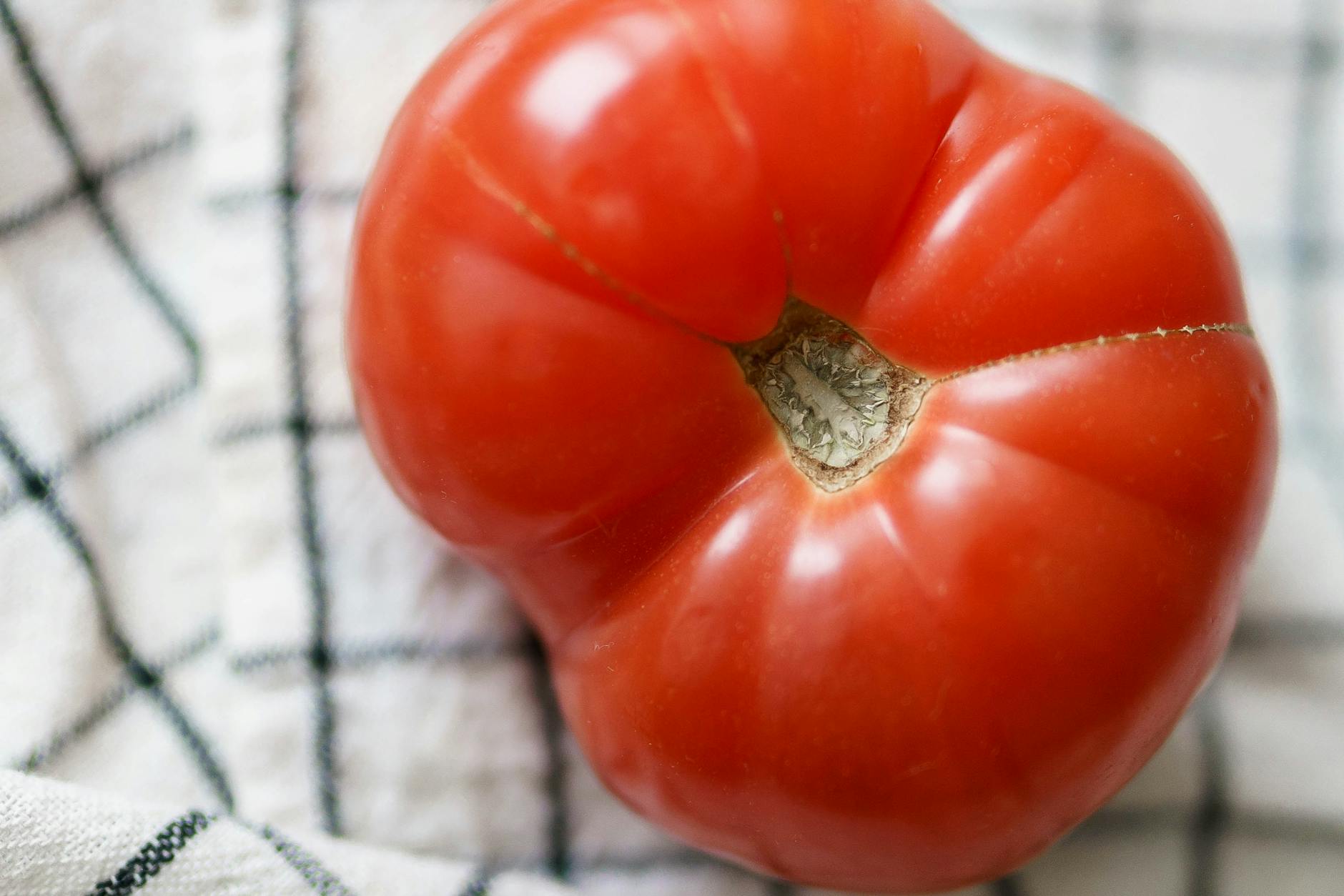
Tomato sauce toxicity for cats centers on the additives rather than the tomato itself. Garlic and onions are the primary culprits—both contain compounds called thiosulfates that damage feline red blood cells and can lead to hemolytic anemia. Many store-bought and homemade sauces contain powdered garlic or onion as seasoning, sometimes in quantities that seem innocent to us but can accumulate in a cat’s system. A single lick might not cause immediate problems, but cats are much smaller than humans, so even trace amounts become more concentrated in their bodies.
Beyond alliums, tomato sauces often contain excessive sodium, which is problematic for cats whose kidneys don’t process salt as efficiently as ours do. Commercial sauces can contain 300-500 mg of sodium per serving—well above what’s appropriate for a cat. Some sauces also include spices like red pepper flakes or black pepper that can irritate a cat’s digestive tract, and artificial sweeteners like xylitol (though less common in tomato sauce) are extremely toxic to cats and can cause liver failure. The safest comparison is this: a lick of completely plain tomato sauce with no additives poses minimal risk, but finding a sauce without garlic, onion, salt, or spices is almost impossible in practice. Store-bought sauces are particularly problematic because their ingredient lists often hide allium powders under vague terms like “spice blend” or “natural flavoring.”.
How Tomato Toxicity Develops in Cats Over Time
The danger of tomato sauce isn’t always immediate—it’s cumulative and dose-dependent. cats have a lower threshold for toxin accumulation than humans, and repeated small exposures can build up to dangerous levels. If your cat occasionally sneaks a lick from a dinner plate, they might not show symptoms right away, but their body is gradually storing these toxins. This is a major limitation in relying on “my cat ate it and seemed fine”—many poisonings take 24-72 hours to show clinical signs, by which time significant damage may have occurred. Hemolytic anemia from garlic or onion exposure develops progressively as these compounds damage red blood cells. Early symptoms include letharness, reduced appetite, and pale gums, but by the time these are obvious, the cat’s red blood cell count may already be dangerously low.
Some cats appear fine externally while internal damage is accumulating, which is why prevention is far more important than waiting to see if symptoms develop. The warning here is clear: preventing exposure is infinitely easier than treating poisoning. Individual cat susceptibility varies based on age, weight, and existing health conditions. A young, healthy cat might tolerate a small exposure better than a senior cat with kidney disease or a kitten with an underdeveloped metabolism. Japanese breeds and some older cats seem more vulnerable to the effects, though any cat can be poisoned with sufficient exposure. This makes universal prevention the only truly safe approach.
Common Tomato Sauce Scenarios and What Actually Happened
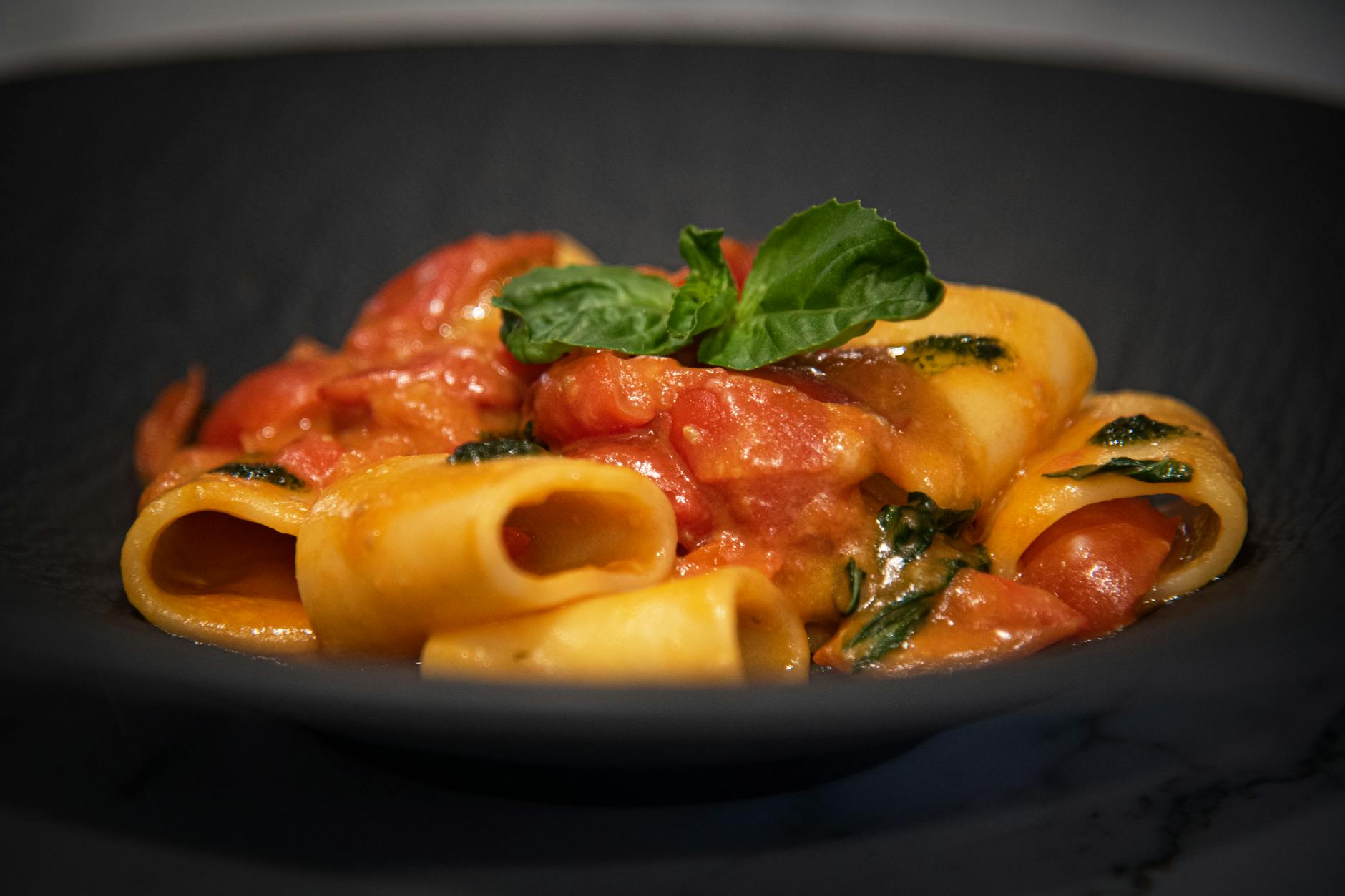
Let’s walk through a realistic example: your cat jumps onto the dining table while you’re eating marinara pasta. They lick a plate that’s been sitting out—how concerned should you be? If that marinara contains the standard commercial blend of garlic powder, onion powder, and salt, but your cat only got one or two licks, they’ll very likely be fine. Single-exposure toxicity from a small amount of store-bought sauce rarely causes acute poisoning, though it’s not a zero-risk situation. Now consider a different scenario: your cat regularly begs at dinner and you sometimes let them lick your plate as a treat. That pattern is genuinely dangerous.
Over the course of weeks or months, toxins from garlic and onions accumulate, and one day you notice your cat seems unusually tired or isn’t eating normally. By then, poisoning may be well underway. The cumulative exposure scenario is where most real problems develop, not from single incidental exposures. Another common situation: homemade tomato sauce that you or a family member made without knowing about feline toxicity. If your sauce contains fresh minced garlic or onions, those are actually worse than the powdered versions—fresh alliums contain higher concentrations of the toxic compounds. A cat licking a spoon from sauce made with fresh garlic is in much greater danger than one licking commercial sauce, even though the commercial sauce still poses risks.
Safe Alternatives and How to Manage Curious Cats
If your cat loves the smell of tomato sauce and keeps investigating your plate, the simplest approach is prevention through barriers. Keep plates on tables your cat can’t access, feed your cat before you eat so they’re less tempted to beg, and train them that your food is off-limits. This is far more practical than constantly evaluating whether the particular sauce on each plate is safe enough to risk. Cats can be trained to stay off tables and counters, though it requires consistency from everyone in the household. If you want to give your cat occasional treats that might seem similar to tomato sauce, there are genuine alternatives.
Plain cooked chicken without seasoning, small amounts of plain cooked beef, or commercial cat treats designed to be savory are much safer options that satisfy a cat’s interest in human food. Some people make homemade cat treats from plain tomatoes without any additives, which is fine in tiny quantities, but honestly, your cat doesn’t need tomato at all—they’re obligate carnivores and derive no nutritional benefit from plant matter. The tradeoff between allowing occasional food sharing and keeping your cat safe leans heavily toward prevention. One serious poisoning incident will be far more costly and stressful than never allowing your cat to lick your plates. A cat hospitalized for anemia from garlic exposure might require blood transfusions, IV fluids, and days of hospitalization—costs that often reach thousands of dollars. Prevention is measured in minutes of management, not dollars in vet bills.
Recognizing Poisoning Symptoms and When to Call the Vet
If you suspect your cat ingested a significant amount of tomato sauce with garlic or onions, know the signs of poisoning so you can seek care quickly. Early symptoms include vomiting, diarrhea, abdominal pain, and loss of appetite within 24 hours of exposure. More serious indicators—letharness, weakness, pale or red-tinged urine, difficulty breathing, or extreme paleness of the gums—suggest the poisoning has progressed to affect red blood cells and demand immediate veterinary care. Don’t wait for multiple symptoms to appear; one clear sign warrants a call to your vet. The limitation in managing tomato sauce exposure is that you can’t always predict severity from the exposure itself. Two cats exposed to the same amount might have very different outcomes based on their individual physiology.
Some cats develop severe symptoms from what seems like a small amount, while others tolerate larger exposures with minimal effects. This unpredictability means you should treat any known exposure to a sauce with garlic or onion as potentially serious, even if it seemed small. If your cat ate tomato sauce, call your vet with specifics: the type of sauce (commercial brand or homemade), how much they ate, and whether you know if it contained garlic or onions. Your vet might recommend monitoring at home or bring your cat in for bloodwork to check red blood cell counts. Time matters because treatment is more effective when started early. Activated charcoal or gastric lavage can help if you catch ingestion within a few hours, and supportive care including IV fluids and possible blood transfusions can save a severely poisoned cat.
Seasonings Beyond Garlic and Onion to Avoid
Beyond garlic and onion, other common tomato sauce ingredients pose their own risks. Black pepper and red pepper flakes irritate the digestive tract and can cause vomiting or diarrhea. While they’re rarely dangerous in the small quantities a licking cat might ingest, they’re uncomfortable and unnecessary for a cat to consume.
Some Italian seasonings include oregano and basil, which are actually non-toxic to cats, but the garlic and onion content in most seasoning blends overshadows any safer herbs. Excessive salt in tomato sauce can cause hypernatremia (elevated sodium levels in the blood) with repeated exposure, leading to excessive thirst, vomiting, and kidney stress. Even if a sauce doesn’t contain dangerous alliums, the sodium content alone makes it unsuitable for regular cat consumption. This is another warning against allowing tomato sauce licking as a habit rather than a rare accident.
Advancing Cat Nutrition and Preventing Food Hazards
As our understanding of pet nutrition improves, more cat owners are questioning what human foods are actually safe for their pets. The trend has been toward stricter guidelines around feeding cats non-species-appropriate foods, recognizing that cats are obligate carnivores with specific nutritional needs that human foods rarely meet. This evolution in pet care standards means that even “small” amounts of sauce represent an unnecessary risk when cats have zero nutritional need for the food.
Looking forward, many veterinarians now recommend an entirely separate feeding area for cats away from human food preparation and dining, minimizing the temptation to share. Teaching family members—especially children—that cat feeding is different from human feeding creates a protective culture around pet safety. This generational shift toward understanding cats as having distinct dietary needs is likely to reduce accidental poisonings over time.
Conclusion
To directly answer your question: your cat should not lick tomato sauce because most sauces contain garlic, onion, or excessive salt that can harm cats. A single accidental lick from a plate is unlikely to cause serious harm, but it’s the repeated or larger exposures that develop into genuine health crises. The safest approach is preventing access to your plates and training your cat that human food is off-limits.
If your cat has already licked tomato sauce, monitor them carefully for the next 72 hours for any signs of letharness, reduced appetite, vomiting, or pale gums. If you know the sauce contained garlic or onion, contact your vet for guidance on whether a check-up is warranted. Moving forward, keep plates cleared from accessible surfaces, feed your cat before you eat, and offer them species-appropriate treats instead of human food. Your cat’s health is worth the small effort of prevention.
Frequently Asked Questions
Is plain tomato sauce without garlic and onion safe for cats?
Plain tomato sauce with no additives is technically non-toxic, but it’s still not recommended. Cats don’t need or benefit from tomato, and even plain sauce may contain salt levels inappropriate for cats. There’s no reason to introduce it when many other treats are safer.
How much tomato sauce would a cat need to eat to get sick?
This varies based on the cat’s size and the sauce’s garlic content. Generally, a small lick is unlikely to cause serious illness, but ingestion of several tablespoons of a sauce containing garlic powder could trigger poisoning. When in doubt, contact your vet with details about the amount and sauce type.
How long does it take for garlic toxicity symptoms to appear in cats?
Symptoms typically appear within 24-72 hours of exposure, though some cats show signs sooner. This delay is why a cat that seems fine after eating something toxic might develop serious illness—internal damage is occurring even before external symptoms appear.
Can a single exposure to tomato sauce cause permanent damage?
Most single small exposures cause no lasting damage, but repeated exposures can cause cumulative harm. The risk is dose-dependent, so a single large exposure or many small ones over weeks present different levels of danger.
What should I do if my cat ate a whole plate of tomato sauce?
Contact your vet immediately. If the sauce contained garlic or onion, provide those details. Your vet may recommend bringing your cat in or monitoring at home depending on the amount and type of sauce. Don’t wait for symptoms to develop.
Are homemade tomato sauces safer than store-bought for cats?
Homemade sauces are only safer if they’re made with no garlic, onion, salt, or spices—which is unusual for human-palatable sauce. Store-bought sauces are at least consistent and labeled, making it possible to identify problem ingredients. Neither type is recommended for cats regardless.