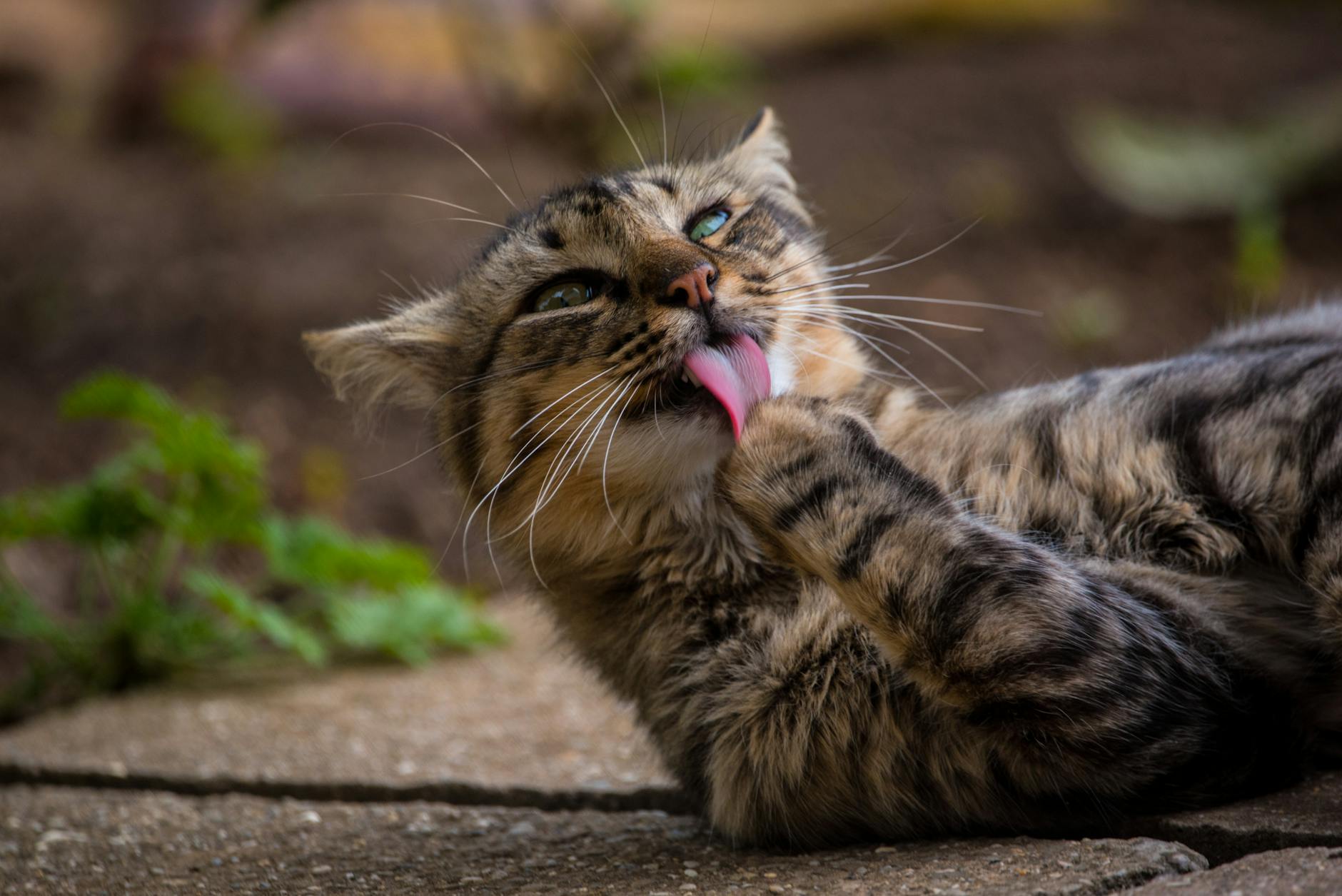
No, it is not safe for cats to regularly lick bowls containing vinegar dressing, though occasional small exposures are unlikely to cause serious harm. Vinegar is an acidic substance with a pH typically between 2.0 and 3.5, which is well below the optimal digestive pH for cats. While a single lick from a bowl your cat has accessed won’t typically cause an emergency, repeated exposure or larger quantities can irritate their mouth, throat, and digestive system.
If your cat has just licked a salad bowl that contained vinegar dressing, monitor them for signs of discomfort, but a single incident is rarely cause for immediate veterinary concern. The primary risk comes from vinegar’s acidity and potential to cause gastrointestinal upset. Cats have a more sensitive digestive system than humans, and their stomachs are designed for a diet high in protein and fat, not acidic condiments. A cat that has licked a vinegar-based dressing may experience mild symptoms like reduced appetite, vomiting, or diarrhea within a few hours to a day, though this is more likely if they ingested a significant amount rather than just a taste.
Table of Contents
- Why Is Vinegar Problematic for Cats?
- Common Vinegar-Based Dressings and Their Specific Risks
- Immediate Symptoms to Watch After Vinegar Exposure
- What to Do If Your Cat Has Accessed Vinegar Dressing
- Long-Term Risks of Repeated Vinegar Exposure
- Vinegar Products Beyond Dressings
- When Occasional Access Happens and Moving Forward
- Conclusion
Why Is Vinegar Problematic for Cats?
Vinegar’s primary danger to cats lies in its acidity and the compound that creates that acidity: acetic acid. This ingredient, while safe for humans in the small quantities found in dressings and condiments, can be harsh on a cat’s delicate mouth tissues and esophageal lining. Cats lack the stomach acid buffering capacity that humans have developed over evolutionary time, making them more susceptible to discomfort from acidic foods.
When a cat licks a vinegar dressing, they may experience a burning sensation in their mouth or throat, which can discourage them from eating or drinking normally for a short period. Beyond the immediate irritation, vinegar can also alter the pH balance in your cat’s mouth and potentially damage tooth enamel if exposure is frequent. Unlike humans, cats cannot rinse their mouths with water after eating something acidic, so the vinegar remains in contact with their teeth and gums longer. A cat that repeatedly has access to acidic foods may develop more sensitive teeth or gum inflammation over time, though a single exposure is unlikely to cause lasting dental damage.
Common Vinegar-Based Dressings and Their Specific Risks
Vinaigrette dressings, which typically combine vinegar with oil and various seasonings, present a compounded risk because they often contain additional ingredients that may be toxic to cats. Garlic and onions, common components of vinaigrette, are toxic to felines and can damage their red blood cells. A bowl of Caesar dressing or a typical oil-and-vinegar salad dressing may contain concentrated garlic or onion powder that would be dangerous in larger quantities.
This means the risk to your cat isn’t just from the vinegar itself, but from the complete composition of the dressing. Apple cider vinegar dressing, increasingly popular in health-conscious homes, carries the same acidic concerns as regular vinegar but with potentially different effects. Some apple cider vinegar dressings also contain added sweeteners like honey or agave, and honey specifically poses a risk to kittens under one year old due to potential botulism spores, though this risk is minimal in older cats. The combination of acidity, oils, and potentially problematic ingredients means that even a single lick of an unfamiliar dressing should prompt you to check the ingredient list and monitor your cat closely.
Immediate Symptoms to Watch After Vinegar Exposure
If your cat has licked a bowl with vinegar dressing, the most important thing is to observe their behavior over the next few hours. Immediate signs of distress include excessive drooling, reluctance to eat or drink, vomiting, or diarrhea. Some cats may also exhibit lip smacking or attempts to rub their face with their paws, indicating mouth irritation. These symptoms typically appear within 30 minutes to a few hours of exposure, and most cases resolve on their own within 12 to 24 hours with rest and access to fresh water.
A more severe reaction would include signs of lethargy, persistent vomiting, or bloody stools, which would warrant a call to your veterinarian. The severity of symptoms largely depends on the amount of dressing ingested and the individual cat’s sensitivity to acidic foods. Some cats have naturally more sensitive digestive systems than others, much like humans, so two cats exposed to the same amount of vinegar may have very different reactions. If your cat shows no symptoms after a few hours, they have likely suffered no harm, though continued monitoring for 24 hours is prudent.
What to Do If Your Cat Has Accessed Vinegar Dressing
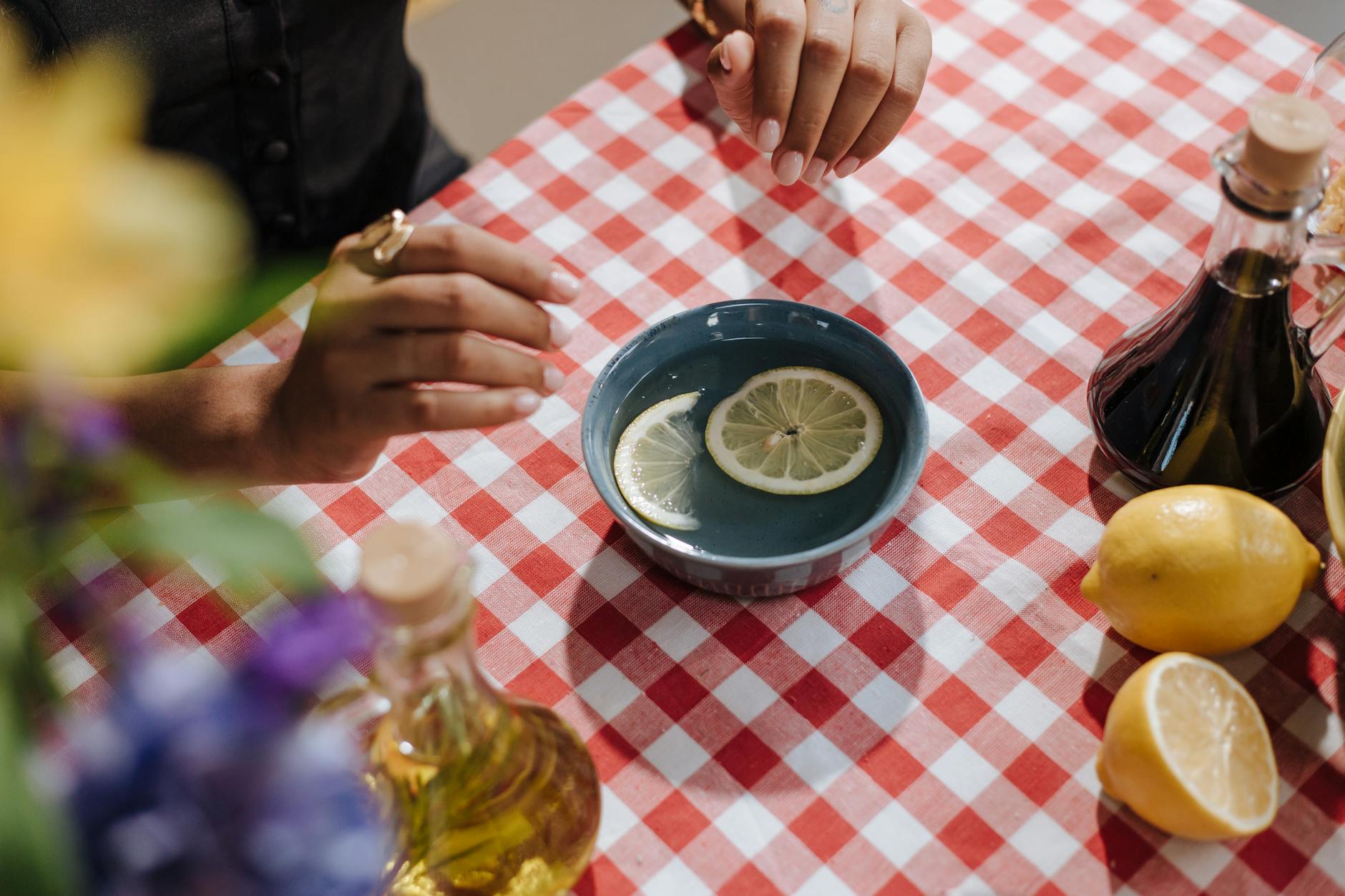
The most practical step is to immediately remove the bowl and prevent further access. Offer your cat fresh water to drink, which helps dilute any remaining vinegar in their mouth and can provide comfort if they experienced irritation. Do not attempt to rinse their mouth forcefully, as this can cause additional stress and may increase their exposure to the acidic substance. Simply having water available allows them to self-regulate their hydration.
Document what your cat ingested if possible: the type of dressing, the likely quantity, and any other ingredients you noticed. This information becomes valuable if you need to contact your veterinarian. Keep your vet’s emergency contact information handy, but reserve calling for situations where your cat is displaying signs of distress or you observed them ingesting a large quantity. For a single cautious lick, close observation is typically sufficient, whereas if your cat drank from the bowl multiple times or you suspect significant ingestion, a veterinary consultation is more justified.
Long-Term Risks of Repeated Vinegar Exposure
While an occasional exposure to vinegar poses minimal risk, cats with regular access to acidic foods can develop chronic gastrointestinal issues or dental problems. Repeated irritation of the stomach lining can lead to conditions like gastritis, where the stomach becomes inflamed and sensitive to normal foods. A cat with chronic gastritis may develop a picky appetite, become prone to vomiting after eating, or lose weight over time. Prevention through careful food management is far easier than treating these conditions once they develop.
The danger is particularly acute for senior cats, cats with pre-existing digestive issues, or those with certain medical conditions like diabetes or kidney disease. These cats already have compromised digestive or metabolic systems, and vinegar exposure can exacerbate their conditions. Additionally, cats with dental disease or gingivitis are at higher risk for complications from acidic foods, as the irritation can worsen existing inflammation and potentially lead to tooth loss or infection. For these vulnerable populations, even small amounts of vinegar exposure should be avoided completely.
Vinegar Products Beyond Dressings
Vinegar appears in more than just salad dressings, and pet owners should be aware of other sources. Some pet owners use diluted vinegar as a home remedy for various conditions, believing it has health benefits similar to those promoted for humans. While veterinary evidence for these benefits in cats is limited, well-meaning owners might add vinegar to their cat’s water or food. This intentional exposure poses greater risk than accidental licking because it’s more concentrated and regular.
No reputable feline veterinarian recommends vinegar as a health supplement for cats, and the risks outweigh any potential benefits. Cleaning products and deodorizers that contain vinegar also present a risk if your cat has direct access to freshly cleaned surfaces. If you use vinegar-based cleaners in your home, ensure the cat cannot lick wet surfaces or the containers. Fermented foods like sauerkraut, which some people offer as dietary supplements, contain lactic acid and additional ingredients that are risky for cats, and they should be avoided entirely.
When Occasional Access Happens and Moving Forward
If your cat has had an isolated incident with vinegar dressing, the most likely outcome is that they experienced momentary irritation and will recover completely without intervention. This doesn’t mean you should become overly anxious, but it does provide motivation to manage your cat’s environment more carefully going forward. Store dressings and condiments in sealed containers, clean up food bowls immediately after your own meals, and establish a routine where your cat doesn’t have unsupervised access to the dining area.
Understanding your cat’s curiosity and natural tendency to investigate novel smells will help you prevent future incidents. Cats are drawn to strong smells, and vinegar’s pungent odor may attract them despite the unpleasant taste. The best long-term strategy is environmental management rather than worrying about what happens if exposure occurs. By keeping acidic foods and condiments out of reach, you eliminate the risk entirely and can focus your attention on feeding your cat a appropriate diet designed specifically for their nutritional needs.
Conclusion
While a cat licking a bowl with vinegar dressing is unlikely to cause serious harm if it’s a one-time occurrence, it’s not an ideal situation and should be prevented through careful household management. The acidity of vinegar can irritate your cat’s mouth and digestive system, and many vinaigrette-based dressings contain additional ingredients like garlic and onions that are actively toxic to felines. By understanding the risks and keeping acidic condiments out of your cat’s reach, you can protect them from discomfort and potential long-term complications.
If your cat has recently had access to vinegar dressing, observe them for signs of distress over the next 24 hours and contact your veterinarian if you notice persistent vomiting, diarrhea, or behavioral changes. For the future, establish a routine that prevents your cat from accessing human food bowls and condiments, not just to protect them from vinegar, but from the many other foods and additives that can harm them. With simple preventive measures, this is a risk you can eliminate entirely from your household.