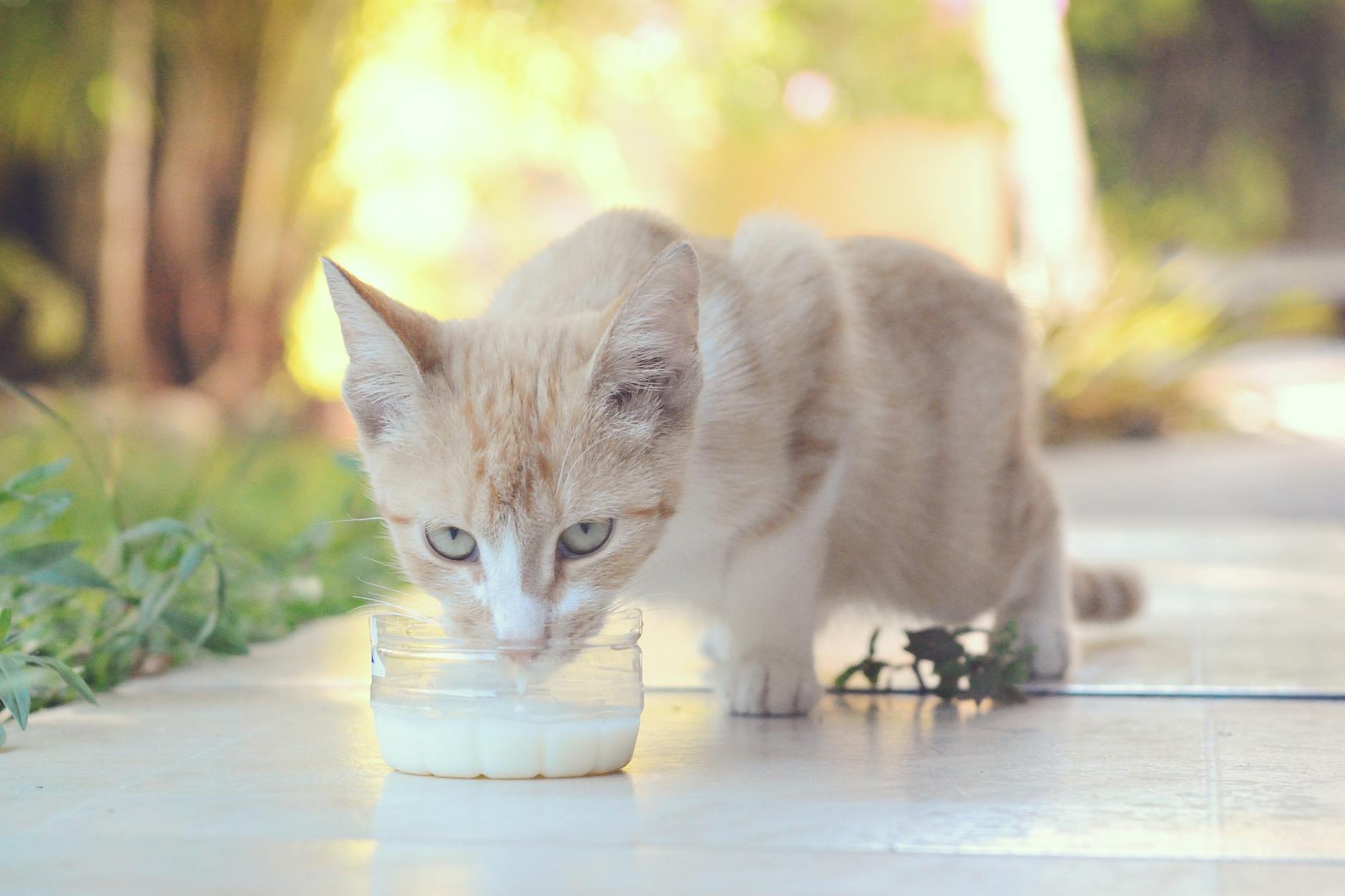
No, most cats cannot drink regular cow’s milk safely. Despite the enduring cultural image of a cat happily lapping up a saucer of milk, the reality is that the majority of adult cats are lactose intolerant and will experience digestive upset ranging from mild stomach discomfort to diarrhea and vomiting after consuming dairy. The enzyme lactase, which breaks down the lactose sugar in milk, is abundant in kittens nursing from their mothers but diminishes significantly as cats mature and wean onto solid food. A single bowl of milk given to a lactose-intolerant cat can result in cramping and loose stools within 8 to 12 hours. The milk myth persists partly because cats genuinely enjoy the taste of cream and dairy products.
The fat content appeals to their palate, and they will eagerly drink milk if offered. However, enjoying something and being able to digest it properly are entirely different matters. A cat showing enthusiasm for milk is not evidence that the milk is good for them, much like a dog enthusiastically eating chocolate does not make chocolate safe for dogs. This article examines why lactose intolerance develops in cats, what symptoms to watch for, whether any dairy products are acceptable, and what alternatives exist for owners who want to give their cats an occasional treat. Understanding the science behind feline digestion helps cat owners make informed decisions rather than relying on outdated assumptions about what cats should eat.
Table of Contents
- Why Are Most Adult Cats Lactose Intolerant?
- Recognizing the Signs of Lactose Intolerance in Cats
- What About Kittens and Milk?
- Safe Alternatives to Traditional Milk for Cats
- Why the Milk Myth Persists and Why It Matters
- Understanding Your Individual Cat’s Tolerance
- The Nutritional Reality of Milk for Cats
- Conclusion
Why Are Most Adult Cats Lactose Intolerant?
Lactose intolerance in cats is not a disease or deficiency but rather a normal biological process. Kittens produce high levels of the enzyme lactase during their nursing period, which allows them to efficiently digest their mother’s milk and absorb its nutrients. As kittens transition to solid food between four and eight weeks of age, lactase production naturally decreases because the enzyme is no longer needed. By the time a cat reaches adulthood, lactase levels have dropped to a fraction of what they were during kittenhood. When a lactose-intolerant cat drinks milk, the undigested lactose passes into the large intestine, where bacteria ferment it. This fermentation produces gas, draws excess water into the intestines, and creates the uncomfortable symptoms associated with dairy consumption.
The severity of the reaction depends on how much lactase the individual cat still produces and how much milk was consumed. Some cats retain more lactase activity than others, which explains why certain cats seem to tolerate small amounts of dairy without obvious problems. Comparing cats to humans provides useful context. Approximately 68 percent of the global human population experiences some degree of lactose malabsorption after childhood, with rates varying significantly by ethnic background. Cats follow a similar pattern, though the percentage of lactose-intolerant adult cats is estimated to be even higher, likely exceeding 90 percent. The difference is that humans have cultural traditions around dairy consumption and some populations have evolved continued lactase production, while cats have no evolutionary reason to digest milk beyond weaning.
Recognizing the Signs of Lactose Intolerance in Cats
The symptoms of lactose intolerance typically appear within 8 to 12 hours after a cat consumes milk, though some cats may show signs sooner. Diarrhea is the most common and obvious symptom, ranging from soft stools to watery discharge. Vomiting may also occur, particularly if the cat consumed a larger quantity of milk. Abdominal discomfort manifests as restlessness, reluctance to be touched around the belly, or unusual postures. Excessive gas and bloating are also frequently observed. However, not all cats display dramatic symptoms, and this can lead owners to incorrectly conclude that their cat tolerates dairy well. A cat might experience only mild stomach gurgling or slightly softer stools that go unnoticed, especially in multi-cat households or homes where cats have outdoor access.
The absence of obvious distress does not mean the cat is digesting the milk properly or benefiting from it nutritionally. Subclinical digestive upset still represents unnecessary stress on the gastrointestinal system. If your cat has consumed milk and shows symptoms, the situation is usually self-limiting and resolves within 24 to 48 hours. Ensure the cat has access to fresh water to prevent dehydration, particularly if diarrhea is significant. Withholding food for 12 hours may help settle the stomach. However, if symptoms persist beyond two days, if there is blood in the stool, or if the cat becomes lethargic or refuses water, veterinary attention is warranted. Young kittens, senior cats, and those with existing health conditions are at higher risk of complications from dehydration.
What About Kittens and Milk?
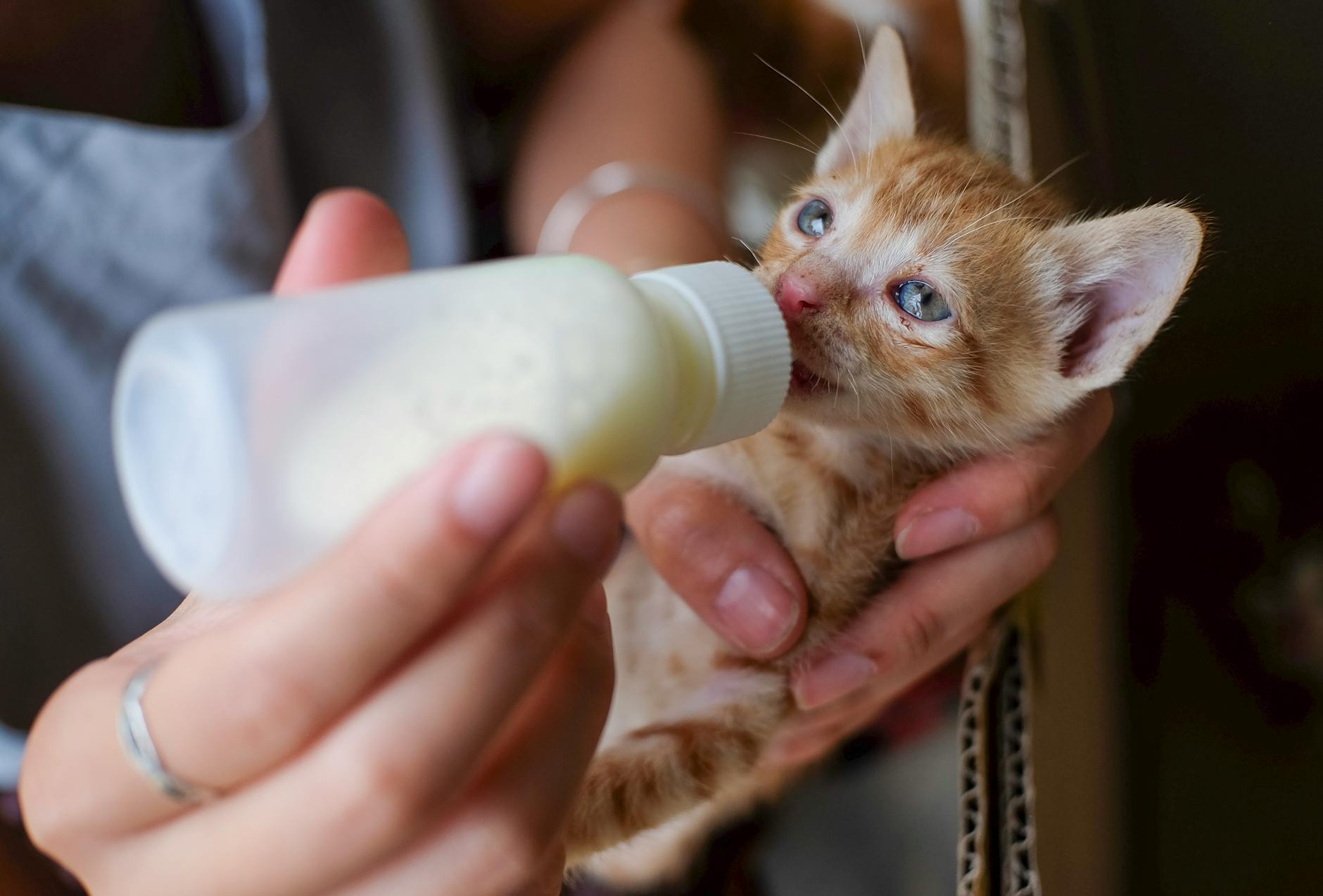
Orphaned kittens or those who cannot nurse adequately present a different situation than adult cats. These kittens need milk, but cow’s milk is still not the appropriate choice. Cow’s milk has a different nutritional composition than cat’s milk, with less protein and more lactose. Feeding cow’s milk to nursing-age kittens often results in diarrhea, malnutrition, and failure to thrive, even though the kittens technically have the lactase to process some lactose. Kitten milk replacer, available at pet stores and veterinary clinics, is specifically formulated to match the nutritional profile of cat’s milk.
Products like KMR (Kitten Milk Replacer) contain appropriate levels of protein, fat, and calories while being digestible for young kittens. If an emergency arises and kitten formula is not immediately available, a temporary substitute can be made by mixing one cup of whole cow’s milk with one egg yolk and a tablespoon of corn syrup, though this should only be used until proper formula can be obtained. Weaning kittens should not receive milk as a supplement or transition food. By the time kittens are ready for solid food, they are also ready to drink water exclusively. Offering milk during the weaning period can cause digestive problems that interfere with the transition to solid food and may create a preference for milk that leads to nutritional imbalances. Clean, fresh water is all a weaning or weaned kitten needs for hydration.

Safe Alternatives to Traditional Milk for Cats
Several lactose-free milk products are manufactured specifically for cats, and these represent the safest option for owners who want to offer their cats a milk-like treat. Cat milk products such as Whiskas Cat Milk, CatSip, and similar brands have had the lactose removed or broken down, eliminating the digestive issues associated with regular milk. These products often include added taurine and other nutrients beneficial to cats. The tradeoff with commercial cat milk is cost and calories. These specialty products are significantly more expensive than regular cow’s milk and add calories to the cat’s diet without substantial nutritional benefit.
A cat receiving cat milk regularly may gain weight if their food intake is not adjusted accordingly. For cats with weight management concerns, cat milk should be considered an occasional treat rather than a dietary staple, and the calories should be factored into the daily allowance. Goat’s milk is sometimes suggested as an alternative because it contains somewhat less lactose than cow’s milk and has smaller fat globules that may be easier to digest. While some cats tolerate goat’s milk better than cow’s milk, it still contains lactose and can still cause problems for highly sensitive cats. Raw goat’s milk, which some pet owners seek out, carries additional risks of bacterial contamination. If you choose to offer goat’s milk, start with a very small amount and monitor your cat carefully for any adverse reaction.
Why the Milk Myth Persists and Why It Matters
The image of cats drinking milk is deeply embedded in popular culture, from children’s books to animated films to advertising. This cultural association dates back centuries, when farm cats lived alongside dairy operations and were given milk as a convenient food source. In agricultural settings where cats worked as mousers, some milk was a practical way to supplement their hunting. The cats who thrived in these environments were likely those with higher residual lactase activity, while those who could not tolerate dairy may have fared worse or sought alternative food sources. The persistence of this myth has real consequences for feline health.
Well-meaning owners who believe they are giving their cats a treat may instead be causing recurring gastrointestinal distress. Cats who receive milk regularly may experience chronic low-grade digestive issues that affect nutrient absorption and overall well-being. In some cases, repeated dairy exposure can exacerbate existing gastrointestinal conditions or mask symptoms of other health problems. Veterinary professionals consistently advise against feeding milk to cats, yet the message has been slow to penetrate public awareness. Surveys of cat owners show that a significant percentage still believe milk is healthy or at least harmless for cats. Education remains important, and any cat care resource that perpetuates the milk myth does a disservice to the animals it purports to help.
Understanding Your Individual Cat’s Tolerance
While the general guidance is that cats should not have milk, individual variation does exist. A small percentage of adult cats retain enough lactase activity to handle modest amounts of dairy without obvious distress. If an owner is determined to discover whether their cat falls into this category, a cautious approach involves offering a tablespoon or less of milk and observing the cat closely for the following 24 hours.
Even cats who seem to tolerate milk may not be ideal candidates for regular dairy consumption. The fat content in whole milk can contribute to obesity, and the nutritional profile offers nothing that a balanced cat food does not already provide. A cat with normal lactose tolerance who drinks milk regularly is simply consuming empty calories. For cats who genuinely enjoy the taste, the lactose-free cat milk products provide the sensory experience without the digestive risk.
The Nutritional Reality of Milk for Cats
Cats are obligate carnivores with specific nutritional requirements that differ substantially from omnivores like humans. They require high levels of protein from animal sources, certain amino acids like taurine that they cannot synthesize, and minimal carbohydrates. Milk provides some protein and fat but also contains carbohydrates in the form of lactose and offers no taurine.
From a nutritional standpoint, milk is at best a neutral addition to a cat’s diet and at worst a source of digestive disturbance and excess calories. Quality commercial cat foods are formulated to meet all of a cat’s nutritional needs, making supplementary foods unnecessary for health. Treats, including cat milk, serve an emotional and social function for owners rather than a nutritional function for cats. Recognizing this helps put milk in its proper context: it is not a food cats need, and for most cats, it is not a food they can safely enjoy.
Conclusion
The romantic notion of cats and milk does not align with feline biology. Most adult cats lack sufficient lactase to digest lactose, and feeding them regular cow’s milk results in gastrointestinal upset that ranges from uncomfortable to genuinely distressing. Kittens requiring supplemental feeding should receive species-appropriate formula rather than cow’s milk, which has the wrong nutritional composition even for young cats with functional lactase.
Cat owners who wish to offer a milk-like treat can choose from commercially available lactose-free cat milk products, keeping in mind that these add calories without nutritional necessity. Fresh water remains the only liquid cats actually need, and a high-quality balanced diet provides all required nutrients. Understanding why the milk myth persists helps owners make better choices for their cats, prioritizing feline health over cultural assumptions.