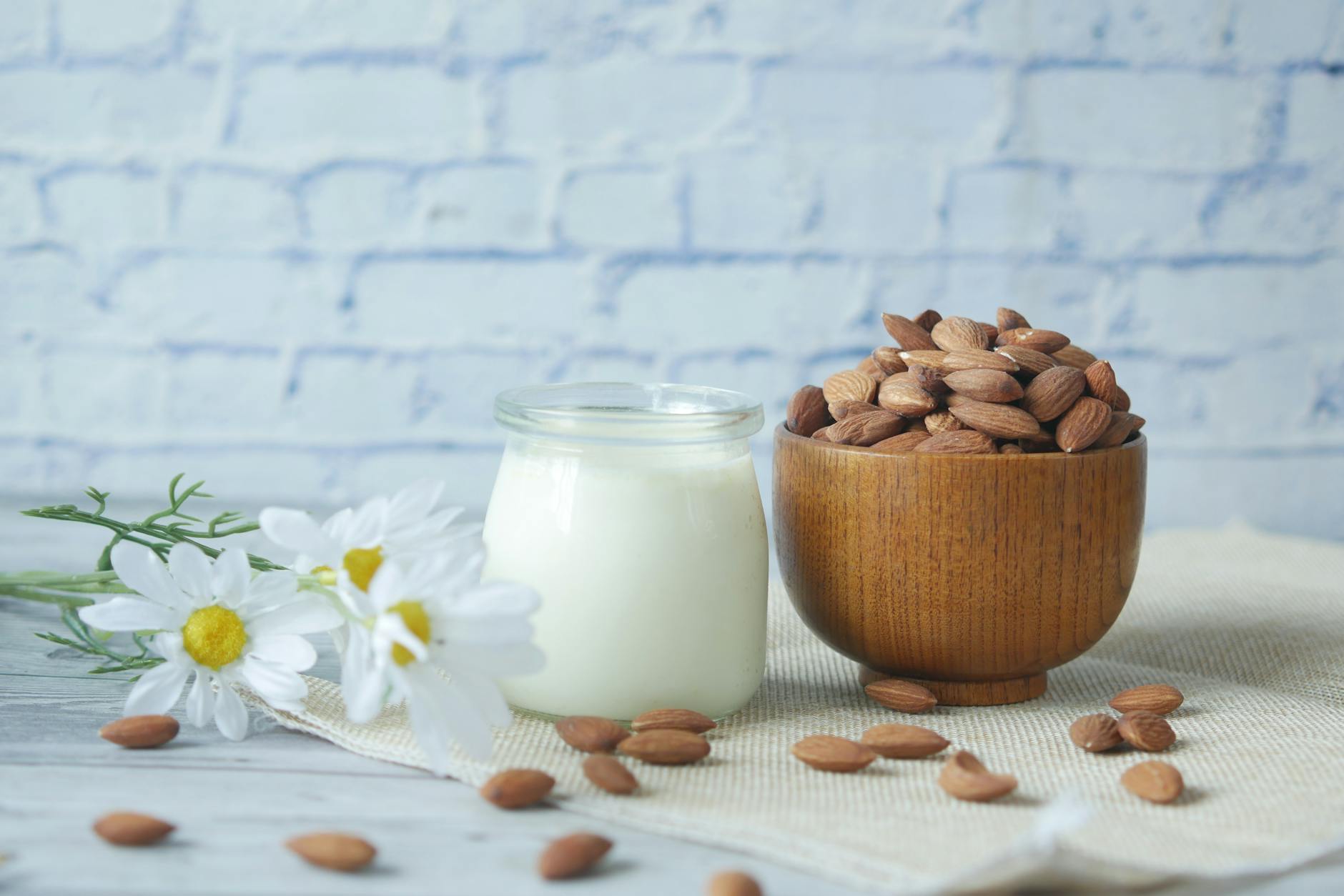
Almond milk is generally safe for cats in very small amounts, but it offers no nutritional benefit and should not become a regular part of your cat’s diet. While almonds themselves are not toxic to cats, almond milk contains additives, sweeteners, and flavorings that can cause digestive upset, and the high caloric content relative to its nutritional value makes it an empty-calorie treat at best. A tablespoon or two given occasionally is unlikely to harm a healthy adult cat, but there is no compelling reason to offer it when plain water remains the ideal hydration source for felines. Consider a cat owner who discovers their pet lapping up spilled almond milk from a cereal bowl.
In this scenario, there is no need to rush to the veterinarian, as the small quantity consumed poses minimal risk. However, if that same owner began routinely pouring almond milk into their cat’s water dish thinking it provided health benefits similar to those marketed for humans, problems could develop over time. This article examines why cats are drawn to milk alternatives, what specific ingredients in almond milk may cause issues, how it compares to dairy and other plant-based milks, and what safer alternatives exist for owners who want to give their cats an occasional liquid treat. The relationship between cats and milk is deeply embedded in popular culture, from children’s books to cartoons, creating a persistent myth that felines thrive on dairy products. Understanding why this assumption is flawed””and why substituting almond milk does not solve the underlying problem””helps cat owners make informed decisions about treats and hydration.
Table of Contents
- Why Do Cats Want to Drink Almond Milk in the First Place?
- What Ingredients in Almond Milk Can Harm Cats?
- How Does Almond Milk Compare to Other Milk Alternatives for Cats?
- What Should You Do If Your Cat Drinks Almond Milk?
- Can Almond Milk Cause Long-Term Health Problems in Cats?
- Are Kittens More Sensitive to Almond Milk Than Adult Cats?
- What Are the Best Hydration Alternatives for Cats?
- Conclusion
Why Do Cats Want to Drink Almond Milk in the First Place?
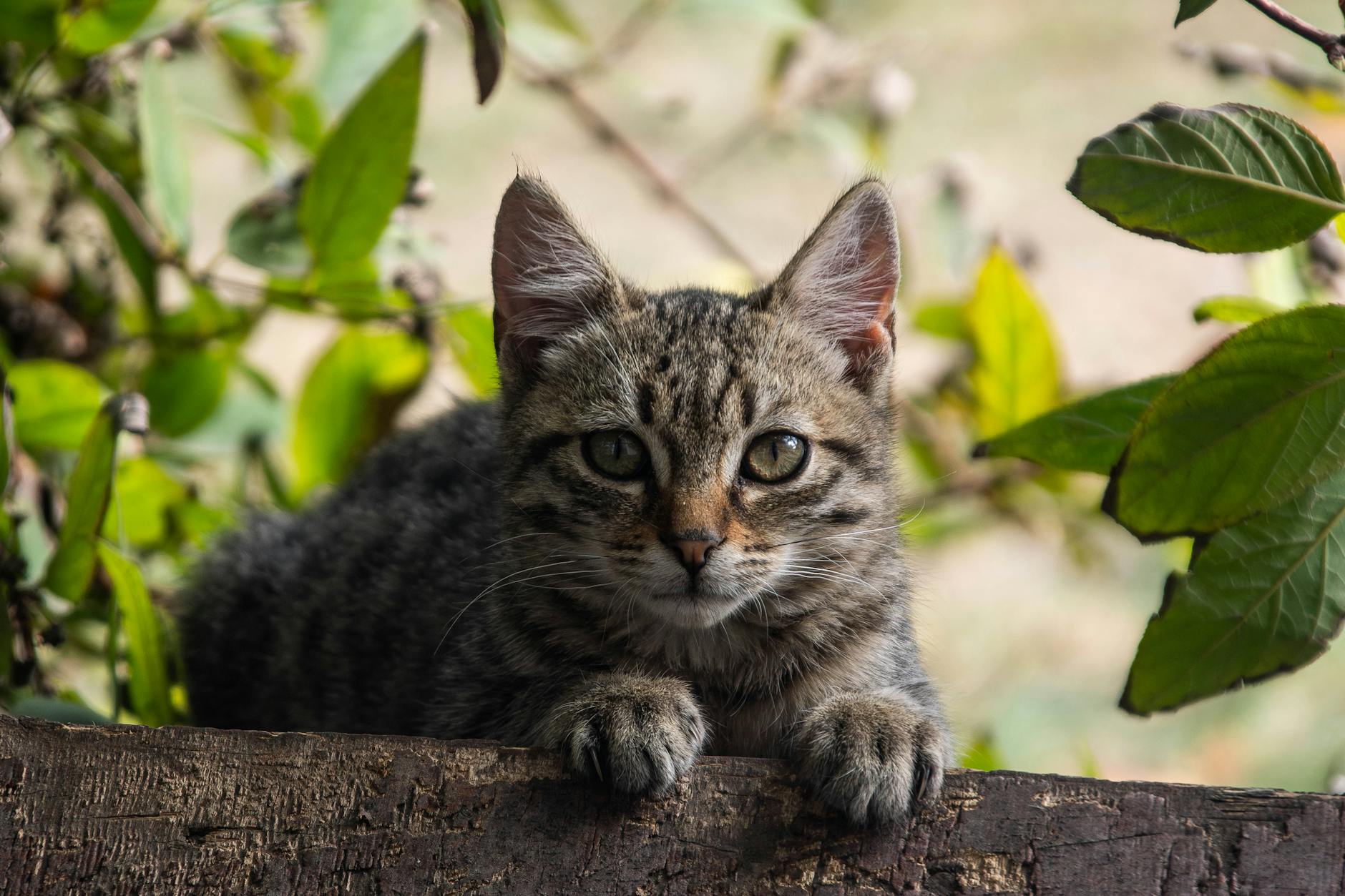
Cats are attracted to almond milk primarily because of its fat content and creamy texture, not because they recognize it as a milk substitute. Feline taste buds lack the receptors for sweetness that humans possess, so the vanilla or honey flavoring added to many commercial almond milks goes unnoticed by cats. Instead, they are drawn to the smooth consistency and the subtle protein and fat molecules that trigger their carnivore instincts. A cat investigating a glass of almond milk is responding to sensory cues rather than any innate understanding that the liquid resembles the mother’s milk they consumed as kittens. This attraction has evolutionary roots.
Kittens produce lactase, the enzyme needed to digest lactose in their mother’s milk, but most adult cats lose this ability after weaning. Despite their biological inability to properly process dairy, the sensory memory of nursing remains, which explains why many cats show interest in milk-like substances throughout their lives. Almond milk mimics some of these sensory properties without containing lactose, leading some owners to assume it represents a safer alternative to cow’s milk. The comparison to dairy milk reveals an important distinction. While almond milk eliminates the lactose intolerance problem that affects most adult cats, it introduces a different set of concerns related to plant-based ingredients, additives, and the simple fact that cats are obligate carnivores with no dietary requirement for any type of milk after kittenhood.
What Ingredients in Almond Milk Can Harm Cats?
Commercial almond milk formulations vary widely, and several common ingredients can cause problems for cats even when the base almonds themselves are not toxic. Sweeteners represent the primary concern, with some brands using xylitol””an artificial sweetener that is extremely dangerous to cats and dogs alike, causing rapid insulin release that can lead to hypoglycemia, seizures, and liver failure. While xylitol is more commonly found in products marketed for diabetics or low-calorie dieters, any cat owner offering almond milk should check ingredient labels carefully. Beyond xylitol, other additives pose less severe but still notable risks. Carrageenan, a thickening agent derived from seaweed, has been linked to gastrointestinal inflammation in some animal studies.
Added sugars contribute unnecessary calories that can lead to obesity over time. Vanilla extract, commonly used as a flavoring, contains alcohol that cats cannot metabolize efficiently. Chocolate-flavored varieties, though rare, contain theobromine that is toxic to cats in sufficient quantities. However, if you have unsweetened, unflavored almond milk with minimal additives, the risk profile changes considerably. A cat that consumes a small amount of plain almond milk may experience no adverse effects whatsoever. The limitation here is that even the cleanest almond milk formulation provides no nutritional value to an obligate carnivore whose digestive system evolved to extract nutrients from animal tissue, not plant matter.
How Does Almond Milk Compare to Other Milk Alternatives for Cats?
When evaluating milk alternatives, almond milk occupies a middle ground between safer options and more problematic ones. Oat milk, for instance, contains beta-glucans and carbohydrates that cats cannot efficiently digest, often leading to more significant gastrointestinal upset than almond milk. Soy milk introduces phytoestrogens that may interfere with hormonal balance over time, though occasional small amounts are unlikely to cause measurable harm. Coconut milk, while not toxic, has an extremely high fat content that can trigger pancreatitis in susceptible cats. Specially formulated cat milk products, available at most pet stores, represent the safest commercial option for owners who want to give their cats a milk-like treat.
These products are lactose-free, specifically balanced for feline digestion, and often fortified with taurine and other nutrients cats require. The tradeoff is cost””cat milk products typically run three to four times the price per ounce compared to plant-based alternatives””and the fact that they still provide calories without significant nutritional necessity. A practical example illustrates this comparison. An owner with a senior cat experiencing decreased water intake might consider various liquids to encourage hydration. Adding a small splash of cat-specific milk to water could increase drinking interest without digestive risk, while adding almond milk might achieve the same short-term goal but with unpredictable gastrointestinal consequences. The comparison favors purpose-made products despite their higher cost.
What Should You Do If Your Cat Drinks Almond Milk?
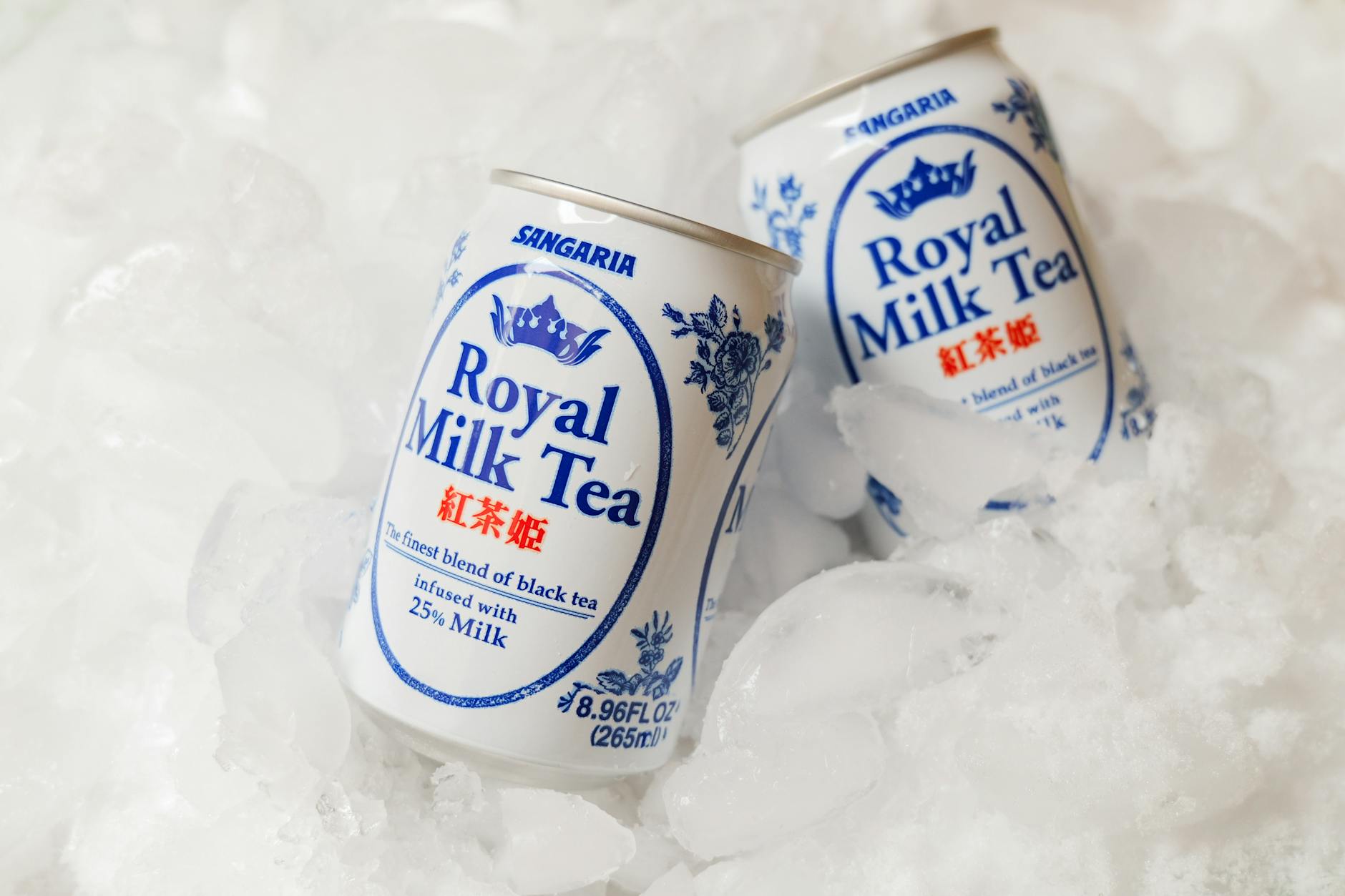
The appropriate response depends entirely on quantity consumed and the specific product involved. For small amounts of plain, unsweetened almond milk””less than a quarter cup””monitoring for digestive symptoms over the next twelve to twenty-four hours is typically sufficient. Watch for vomiting, diarrhea, lethargy, or loss of appetite, any of which warrant a call to your veterinarian. If your cat consumed almond milk containing xylitol, chocolate, or other known toxins, immediate veterinary attention is necessary regardless of quantity. Time is critical with xylitol poisoning in particular, as treatment within the first few hours significantly improves outcomes.
Bring the product container with you to the veterinary clinic so staff can assess exactly what and how much was consumed. The tradeoff between vigilant monitoring and veterinary consultation comes down to ingredient certainty and the individual cat’s health history. A young, healthy cat that lapped up some plain almond milk probably needs nothing more than observation. An elderly cat with kidney disease or diabetes that consumed an unknown almond milk variety merits professional evaluation even if symptoms have not yet appeared. When in doubt, err toward the more cautious approach.
Can Almond Milk Cause Long-Term Health Problems in Cats?
Occasional small amounts of plain almond milk are unlikely to cause lasting health issues, but regular consumption introduces cumulative risks that compound over time. Caloric density represents the most measurable concern””a cup of almond milk contains approximately 30 to 60 calories depending on formulation, and cats typically need only 200 to 300 calories daily. Regular almond milk treats can contribute to obesity, which in turn increases risk of diabetes, joint problems, and fatty liver disease. Digestive adaptation offers a limitation to consider. Some cat owners report that their pets tolerate almond milk well after initial exposure, leading them to believe regular consumption is acceptable.
This apparent tolerance may reflect the cat’s digestive system simply not showing obvious symptoms rather than actually processing the plant material efficiently. Subclinical inflammation or nutrient malabsorption may occur without visible signs. A warning for owners of cats with existing health conditions: almond milk should be avoided entirely for cats with kidney disease, pancreatitis, diabetes, or inflammatory bowel disease. The phosphorus content in almonds, while lower than in dairy, still adds to the kidney burden. The fat content, even in reduced-fat varieties, can trigger pancreatic inflammation. The variable carbohydrate content complicates blood sugar management in diabetic cats.
Are Kittens More Sensitive to Almond Milk Than Adult Cats?
Kittens face heightened risks from almond milk due to their developing digestive systems and smaller body mass. While nursing kittens produce lactase to digest their mother’s milk, their gastrointestinal tracts are not equipped to handle plant-based proteins and the various additives found in commercial almond milk products. A quantity that might cause mild upset in an adult cat could produce severe diarrhea in a kitten, leading to dangerous dehydration.
An example demonstrates this vulnerability clearly. A four-week-old kitten weighing one pound that consumes two tablespoons of almond milk has ingested a proportionally enormous amount relative to body size””the equivalent of an adult cat drinking nearly two cups. Additionally, kittens being weaned sometimes reject formula or solid food, and owners searching for alternatives may consider almond milk as a stopgap measure. This approach risks malnutrition on top of digestive upset, as almond milk lacks the protein, fat, and taurine profile essential for kitten development.
What Are the Best Hydration Alternatives for Cats?
Fresh, clean water remains the gold standard for feline hydration, and most perceived hydration problems stem from presentation rather than the liquid itself. Cats evolved as desert animals obtaining moisture primarily from prey, which makes them naturally inclined toward low thirst drives.
Encouraging water intake requires understanding feline preferences: many cats prefer running water from fountains over stagnant bowls, ceramic or stainless steel containers over plastic, and water placed away from food dishes. Looking forward, the pet industry continues developing hydration products specifically formulated for cats, including bone broth designed for felines, electrolyte supplements for recovery from illness, and enhanced water additives that encourage drinking without introducing problematic ingredients. These purpose-made solutions, while more expensive than simply offering almond milk, address the underlying goal””increased fluid intake””without the risks associated with plant-based milk alternatives designed for human consumption.
Conclusion
Almond milk occupies a gray area in feline nutrition””not acutely toxic in small amounts, but offering no benefits while introducing potential risks from additives, empty calories, and plant-based ingredients that cat digestive systems are not designed to process. The safest approach treats almond milk as an occasional, minor indulgence at most, never as a regular dietary component or substitute for proper hydration. Cat owners seeking to provide treats or encourage fluid intake have better options available.
Purpose-formulated cat milk products eliminate most risk factors while satisfying the feline attraction to creamy liquids. Cat-safe bone broths offer hydration with actual nutritional value. Most importantly, clean fresh water””presented in ways that appeal to individual cat preferences””remains the foundation of healthy hydration. When it comes to almond milk, the simplest guidance applies: just because your cat will drink it does not mean your cat should drink it.