
Almond milk and other plant-based milk alternatives are generally safer for cats than dairy milk, but they’re still not ideal for regular consumption. Most adult cats are lactose intolerant, meaning their bodies can’t properly digest the lactose found in cow’s milk, which can lead to digestive upset. Plant-based milk alternatives avoid this lactose problem, but they often contain ingredients like xylitol, thickeners, or added sugars that can be harmful to cats or provide little nutritional benefit.
A cat that accidentally laps up a small amount of unsweetened almond milk will likely be fine, but these products aren’t designed for feline nutrition and shouldn’t become a regular part of their diet. The key distinction is between “safe to drink in small amounts” and “appropriate as a regular beverage.” While almond milk won’t cause the same digestive distress as cow’s milk, it offers no nutritional value to cats—their digestive systems evolved to process meat, not plant-based liquids. Fresh water remains the safest and most appropriate drink for cats at all life stages.
Table of Contents
- WHY ARE MILK ALTERNATIVES SAFER THAN REGULAR MILK FOR CATS?
- INGREDIENTS IN PLANT-BASED MILKS THAT CONCERN VETERINARIANS
- HOW DIFFERENT MILK ALTERNATIVES COMPARE FOR CAT SAFETY
- SAFE PRACTICES IF YOUR CAT CONSUMES MILK ALTERNATIVES
- DIGESTIVE SENSITIVITIES AND INDIVIDUAL VARIATION
- WHY WATER IS THE ONLY NECESSARY BEVERAGE FOR CATS
- THE FUTURE OF PET NUTRITION AND MILK ALTERNATIVES
- Conclusion
- Frequently Asked Questions
WHY ARE MILK ALTERNATIVES SAFER THAN REGULAR MILK FOR CATS?
Milk alternatives like almond, oat, and coconut milk don’t contain lactose, which is the primary concern with traditional dairy. After kittens are weaned, most cats lose the enzyme lactase needed to break down lactose, making regular milk difficult for them to digest. This lactose intolerance can cause vomiting, diarrhea, and abdominal discomfort—problems that don’t occur with lactose-free alternatives.
For example, a cat drinking two ounces of cow’s milk might experience cramping and loose stools within hours, whereas the same amount of unsweetened almond milk would simply pass through their system without triggering digestive enzymes. That said, the absence of lactose doesn’t automatically make a product good for cats. Plant-based milks are formulated for human consumption, with ingredients, thickeners, and nutrient profiles that don’t match feline dietary needs. Some alternatives contain added ingredients that can be problematic for cats, which we’ll explore in more detail.

INGREDIENTS IN PLANT-BASED MILKS THAT CONCERN VETERINARIANS
The primary danger in many commercial milk alternatives is xylitol, an artificial sweetener used in some unsweetened almond and oat milk products. Xylitol is highly toxic to cats and can cause rapid insulin release, leading to liver damage and potentially fatal hypoglycemia. Even small amounts pose serious risk—a single swallow of xylitol-containing liquid can require emergency veterinary care. Always check the ingredient label before allowing your cat any access to milk alternatives; if xylitol is listed anywhere, keep the product completely away from your pet.
Beyond xylitol, many plant-based milks contain gums like guar gum or carrageenan, added for texture and shelf stability. While generally recognized as safe in small quantities, these thickening agents can occasionally cause digestive upset in cats with sensitive stomachs. Additionally, some plant milks contain added calcium, vitamin D, or other nutrients in forms and quantities designed for human health—not feline metabolism. The combination of unfamiliar ingredients means that even “natural” options like unsweetened coconut milk may not sit well in your cat’s digestive system, especially if consumed regularly.
HOW DIFFERENT MILK ALTERNATIVES COMPARE FOR CAT SAFETY
Unsweetened almond milk is generally the safest choice among plant-based options, assuming it contains no xylitol or added sugars. It’s thin, mostly water, and low in ingredients that could cause problems. Oat milk poses similar safety when unsweetened, though the oat content means some cats might find it harder to digest than almond milk. Coconut milk is richer and higher in fat, which can upset cats with sensitive stomachs or those prone to pancreatitis.
Soy milk is safe from a toxicity standpoint but provides no nutritional benefit and may even cause allergic reactions in some cats. For comparison, consider that a cat drinking cow’s milk experiences an active digestive disruption (lactose intolerance), while a cat drinking plant-based milk experiences nothing directly harmful but also gains nothing. The distinction matters: one is a problem, the other is simply unnecessary. Specially formulated cat milk products, which are lactose-reduced and designed for feline nutrition, represent a middle ground if you want to offer a milk-like beverage—but water remains the best option by far.

SAFE PRACTICES IF YOUR CAT CONSUMES MILK ALTERNATIVES
If your cat has already drunk a small amount of plant-based milk, don’t panic. A few licks of unsweetened, xylitol-free almond milk won’t cause harm. However, establish clear boundaries to prevent this from becoming a habit. Keep milk alternatives stored where your cat can’t access them, and don’t intentionally offer them as treats or supplements.
Some cats are drawn to the smell and texture of milk-like liquids, so be mindful during breakfast or snack preparation. If your cat shows persistent interest in drinking something other than water, consult your veterinarian. In some cases, increased interest in lapping liquids can signal underlying health issues like hyperthyroidism or diabetes. Additionally, if you notice your cat consumed a milk alternative containing xylitol, contact your vet immediately—don’t wait to see if symptoms develop, as xylitol toxicity can progress rapidly.
DIGESTIVE SENSITIVITIES AND INDIVIDUAL VARIATION
Even unsweetened, xylitol-free plant-based milks can trigger digestive upset in some cats. A cat with inflammatory bowel disease or a history of pancreatitis should never be offered milk alternatives, as the unfamiliar ingredients and fat content could trigger flare-ups. Additionally, cats with food sensitivities might react to almond, oat, or coconut milk even though these aren’t typically allergenic for felines.
The safest approach is to treat milk alternatives as strictly off-limits unless your vet has specifically approved them for your cat’s individual situation. Watch for warning signs if your cat somehow consumes milk alternatives: vomiting within 24 hours, diarrhea lasting more than a day, loss of appetite, or lethargy. These symptoms warrant veterinary evaluation, especially if the milk was from a new source and you’re unsure of all ingredients. Cats are individuals, and what causes no reaction in one cat might upset another.
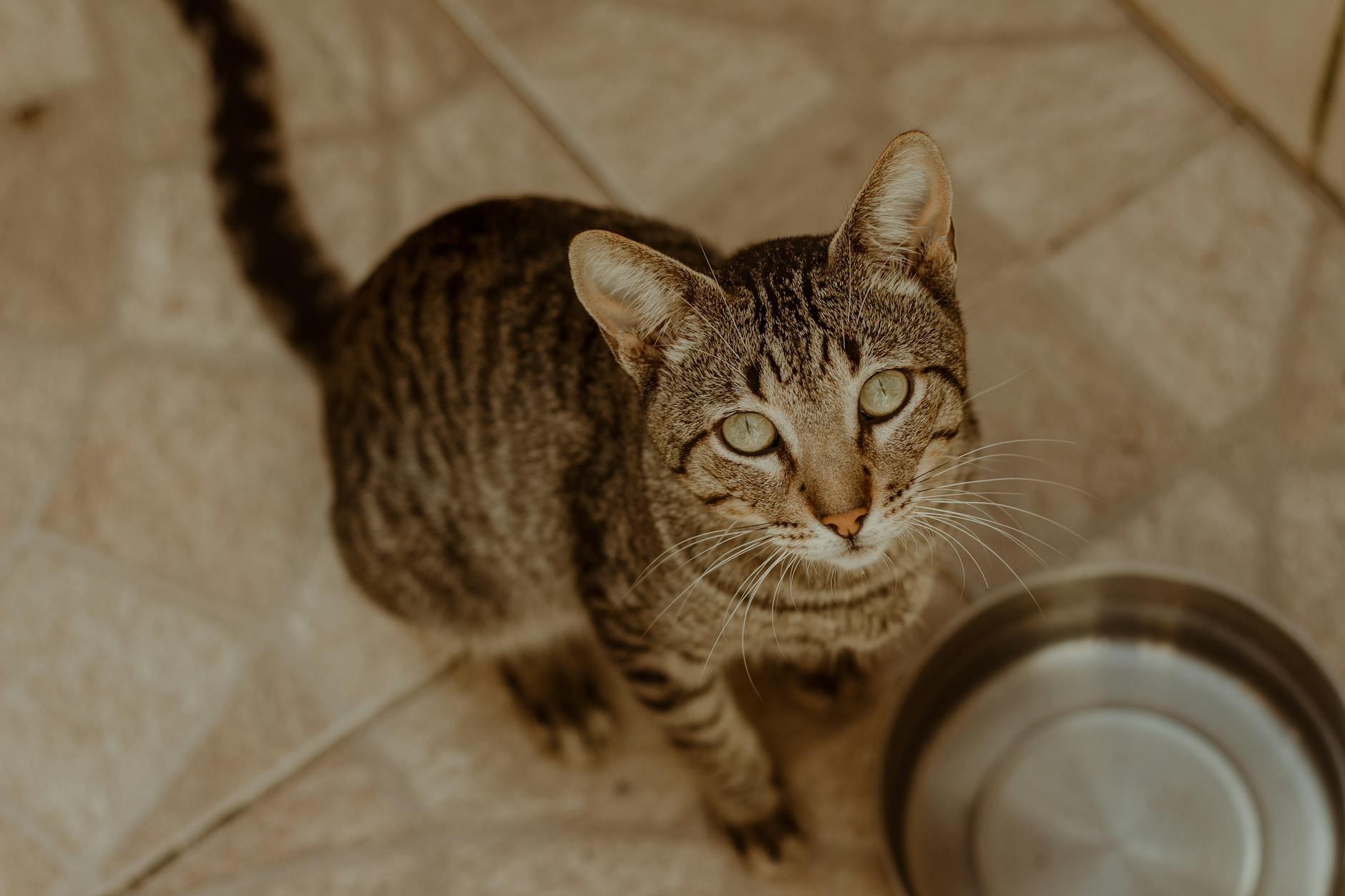
WHY WATER IS THE ONLY NECESSARY BEVERAGE FOR CATS
Cats obtain most of their hydration from their food, particularly if they eat moisture-rich wet food or raw diets. This evolutionary adaptation means cats don’t have the same thirst drive that humans do and often drink less water than other pets. Offering fresh water is still essential for cats eating dry kibble or those with certain health conditions, but the goal is simply to have clean water available—not to encourage consumption of alternative liquids.
If your cat refuses to drink enough water, there are evidence-based solutions: offer water in different locations, try running water from a fountain (many cats prefer it), or increase wet food intake. These approaches address the actual problem. Offering milk alternatives doesn’t increase hydration and introduces unnecessary ingredients into your cat’s diet.
THE FUTURE OF PET NUTRITION AND MILK ALTERNATIVES
As pet nutrition science advances, formulations specifically designed for cats are becoming available. Some specialty brands now produce lactose-reduced cat milk or hydration supplements that match feline nutritional needs more closely than generic plant-based alternatives. However, these remain unnecessary for most cats with access to quality cat food and fresh water.
The trend toward humanized pet products often misses the fundamental difference between feline and human dietary needs—a plant-based beverage suitable for people isn’t automatically suitable for cats. Moving forward, the safest approach remains unchanged: water for hydration, quality cat food for nutrition, and veterinary guidance for any dietary supplements. As new products emerge, always check with your vet before introducing them, particularly if they contain sweeteners, thickeners, or ingredients unfamiliar in cat nutrition.
Conclusion
Plant-based milk alternatives are safer for cats than dairy milk because they don’t contain lactose, which most adult cats cannot digest. However, safety from lactose doesn’t make these products beneficial or appropriate for regular cat consumption. Many commercial plant-based milks contain xylitol, thickeners, or other ingredients that provide no nutritional value to cats and may cause digestive upset or, in the case of xylitol, serious toxicity.
If your cat accidentally consumes a small amount of unsweetened, xylitol-free almond milk, monitoring at home is typically sufficient unless you notice digestive symptoms. For ongoing hydration and nutrition, stick with fresh water and quality cat food as recommended by your veterinarian. If you’re concerned about your cat’s fluid intake or want to offer a supplemental beverage, ask your vet about options specifically formulated for feline health rather than reaching for products designed for human consumption.
Frequently Asked Questions
Can cats drink almond milk safely?
Unsweetened almond milk without xylitol is safe in small amounts, but it provides no nutritional benefit and shouldn’t become a regular habit. Always check the ingredient label for xylitol before allowing any access.
What’s the difference between almond milk and other plant-based milks for cats?
Unsweetened almond milk is generally the safest choice. Oat milk is similarly safe when unsweetened, while coconut milk is higher in fat and may upset sensitive stomachs. Avoid any milk alternative containing xylitol, regardless of type.
Is lactose-free cow’s milk better than almond milk for cats?
Lactose-free cow’s milk still contains dairy proteins and fat that don’t match feline nutritional needs. Unsweetened almond milk is actually a safer choice, though neither should replace water as your cat’s primary beverage.
What should I do if my cat drank milk with xylitol?
Contact your veterinarian or emergency vet immediately. Don’t wait to see if symptoms develop, as xylitol can cause rapid liver damage and hypoglycemia. Time is critical with xylitol toxicity.
How much milk alternative is safe for a cat?
If your cat accidentally drinks a small amount (a few licks) of unsweetened, xylitol-free milk alternative, they’ll likely be fine. But don’t offer it intentionally, and prevent regular access by storing it securely.
Can cats drink oat milk?
Unsweetened oat milk without xylitol is safe in small quantities, but like almond milk, it offers no nutritional value and isn’t appropriate as a regular beverage for cats.