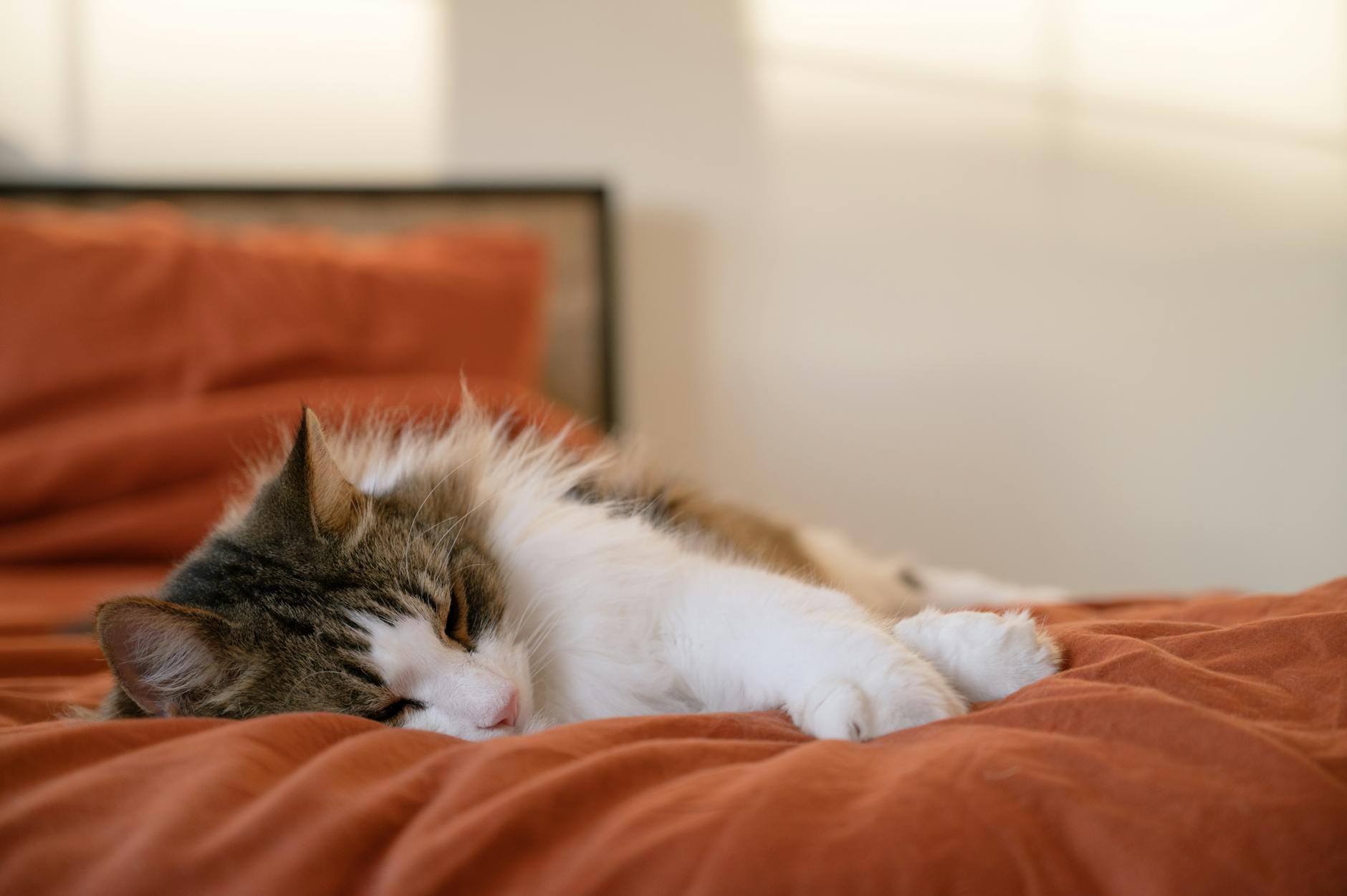
Yes, sleeping with a cat under your covers is generally safe for most people and cats, though it comes with important considerations. Cats naturally seek warm, enclosed spaces that mimic den-like environments, making your bedding an attractive spot. Many cat owners sleep this way without issues, and cats typically find it comforting.
However, safety depends on factors like your cat’s age, health, your sleep habits, and whether either of you has allergies or respiratory sensitivities. For example, a healthy adult cat sleeping under blankets with a light sleeper may experience no problems, while a senior cat with arthritis or an owner with asthma might face complications. The key is understanding the specific risks and recognizing warning signs that the arrangement isn’t working for your particular situation.
Table of Contents
- Can Cats Breathe Safely Under Bed Covers?
- Temperature Regulation and Overheating Concerns
- Accidental Injury Risks During Sleep
- Creating Safer Under-Cover Sleeping Arrangements
- Health Conditions That Complicate Under-Cover Sleeping
- Behavioral and Sleep Quality Impact
- Seasonal and Individual Variation
- Conclusion
- Frequently Asked Questions
Can Cats Breathe Safely Under Bed Covers?
cats have an excellent sense of spatial awareness and typically won’t stay in an environment where they feel suffocated or overheated. Unlike human infants, adult cats will move out from under covers if they feel uncomfortable. Most cats instinctively reposition themselves when they need more air, and they have sensitive enough airways to avoid getting trapped under blankets in ways that would restrict breathing.
That said, very thick, heavy blankets can pose a risk if a deeply sleeping cat cannot easily push through them to get out. A cat that’s overly sedated from medication, elderly, or recovering from surgery might have reduced mobility and less ability to escape. Lightweight blankets and breathable fabrics present minimal risk, while weighted blankets or dense down comforters are more problematic if your cat likes to burrow underneath.
Temperature Regulation and Overheating Concerns
Cats regulate body temperature differently than humans and prefer warmer environments—their normal body temperature runs about 101-102.5°F, higher than humans. Sleeping under covers with you provides warmth they naturally seek. However, prolonged overheating can become dangerous, particularly for breeds with compromised breathing like Persians or British Shorthairs, older cats, or those with heart conditions.
A significant limitation of under-cover sleeping is that you might not notice if your cat is overheating until they’re in distress. Signs of overheating include excessive panting, drooling, lethargy, or attempts to escape the covers. In warm climates or during summer months, the combination of your body heat, their body heat, and blanket insulation can push your cat’s temperature dangerously high. Consider using lighter covers during warm seasons and monitor for behavioral changes.
Accidental Injury Risks During Sleep
Humans move unpredictably during sleep, and rolling over onto a cat under your covers is a genuine risk, particularly if you’re a restless sleeper or take sleep medications that make you less aware of movement. A small cat or kitten is more vulnerable to being crushed than a larger adult cat, and injury severity depends on how hard you roll and whether the cat can escape quickly.
Some owners have experienced injuries to cats this way, discovering their cat limping or favoring a side the morning after. The risk increases if you sleep heavily, take sedating medications, or consume alcohol before bed. Cats sleeping beside you on top of covers face the same risk, but under-cover sleeping limits the cat’s escape routes, making injury more likely if you do shift positions.

Creating Safer Under-Cover Sleeping Arrangements
If you want your cat to sleep under covers safely, establish boundaries and use specific bedding arrangements. Use lightweight, breathable blankets rather than heavy quilts or comforters. Create a small “pocket” of space by folding one lightweight sheet into a cozy nook rather than tucking her under all your blankets.
This lets her stay warm in her chosen spot while maintaining multiple exit routes. Consider using a body pillow or rolled blanket along your other side as a barrier so your cat has a defined sleeping zone away from where you typically roll. Many cats prefer this arrangement—they get the comfort of being near you without the full weight of blankets. The tradeoff is less of the cozy, enclosed feeling cats sometimes love, but it dramatically reduces injury risk while maintaining the bonding benefits of sleeping together.
Health Conditions That Complicate Under-Cover Sleeping
Certain cat health issues make under-cover sleeping inadvisable. Cats with feline asthma, respiratory infections, or heart conditions should avoid being under blankets where air circulation is restricted and temperature can fluctuate. Overweight cats or those with arthritis may struggle to reposition themselves quickly if they become too hot or uncomfortable. Senior cats, especially those on multiple medications, have reduced ability to escape if something goes wrong.
Allergies and shedding present another complication. If you have a cat allergy, sleeping under covers with your cat significantly increases your allergen exposure. Even without a diagnosed allergy, cat hair and dander concentrated in your breathing space can trigger or worsen asthma, especially during sleep when you’re immobile. Monitor yourself for increased respiratory symptoms, nighttime coughing, or waking with congestion after starting under-cover co-sleeping.
Behavioral and Sleep Quality Impact
Cats that sleep under covers often become dependent on this sleeping arrangement and may struggle to sleep alone or in other locations. While this isn’t necessarily harmful, it creates a dependency that could be problematic if you travel, need to change sleep arrangements for health reasons, or if your cat ever needs to be kept away from bedrooms (due to an injury requiring cage rest, or changes in your living situation).
For cats, sleeping under covers with you also strengthens bonding and can reduce anxiety-related behaviors. Many cats sleep more deeply and soundly in this arrangement, which supports their health. The emotional benefit for both you and your cat is genuine and shouldn’t be dismissed.
Seasonal and Individual Variation
The safety and appropriateness of under-cover sleeping varies significantly by season and individual cat. Winter sleeping under blankets is generally low-risk since neither cat nor human typically overheats. Summer sleeping or in warm climates requires much more caution and frequent position checking. Climate-controlled homes allow year-round under-cover sleeping more safely than homes without air conditioning.
Individual cat personalities matter enormously. Some cats never want to be under covers and will immediately exit if you try. Others actively burrow and seek that enclosed space every night. Respecting your cat’s preferences and observing their behavior patterns is more important than any general rule. If your cat seems happy, well-rested, and shows no signs of distress, the arrangement is likely working.
Conclusion
Sleeping with a cat under your covers is safe for most people and cats when done thoughtfully. The primary risks—accidental injury, overheating, and respiratory compromise—are manageable through awareness, appropriate bedding choices, and monitoring. Most cats naturally regulate their comfort and will exit if something feels unsafe, which is their strongest protection.
Ultimately, whether to allow under-cover sleeping should be based on your cat’s age and health status, your own sleep habits and health conditions, your climate, and what your cat actually wants. Many cats thrive with this arrangement, while others prefer sleeping beside you instead. Pay attention to your individual cat’s behavior, comfort level, and any health changes that emerge after establishing this sleeping pattern. The best sleeping arrangement is one where both you and your cat sleep well and wake healthy.
Frequently Asked Questions
What’s the youngest age a kitten can safely sleep under covers?
Kittens younger than 8-12 weeks are better kept in separate sleeping areas since they’re more vulnerable to accidental crushing and temperature fluctuation. Once kittens are larger and more coordinated, under-cover sleeping becomes safer.
Can my cat get stuck under covers and suffocate?
Adult cats rarely suffocate under covers since they actively reposition and move to where they can breathe. The risk is much higher for very young kittens, heavily sedated cats, or cats with severe respiratory illness.
How do I know if my cat is overheating under the covers?
Watch for excessive panting, drooling, lethargy, dilated pupils, or attempts to escape the blankets. If you notice any of these, remove the covers immediately and allow your cat to cool down on open bedding.
Should I be concerned about cat allergens while sleeping under covers together?
If you have cat allergies, sleeping under covers significantly increases your exposure to dander and hair. You may want to keep your cat on top of covers instead, or use a HEPA filter and wash bedding frequently.
Is it safe for pregnant women to sleep with cats under covers?
Pregnant women can safely sleep with cats under covers from a physical injury standpoint. The primary concern is toxoplasmosis from litter box exposure, not from sleeping together—wash your hands after any litter box contact.
What’s the difference between sleeping under covers versus beside the bed?
Under-cover sleeping provides warmth and enclosure cats love but limits escape routes if uncomfortable. Sleeping on top of covers or beside you offers bonding with fewer safety constraints.