Coffee pods are not safe for cats to chew on, and they pose real risks that cat owners need to take seriously. Cats are naturally curious creatures, and the textured surface and dangling strings of single-serve coffee pods can make them attractive playthings or chew toys. However, the contents—concentrated coffee grounds, plastic components, and sometimes aluminum foil—present genuine hazards ranging from digestive upset to more serious toxicity concerns.
The danger isn’t hypothetical. A cat that chews through a coffee pod and ingests even a small amount of concentrated coffee grounds can experience caffeine toxicity, which affects their nervous system and heart rate. Even the plastic and metal components pose choking risks or potential intestinal blockages if swallowed. Any coffee pod your cat shows interest in should be immediately secured out of reach, and you should know what symptoms to watch for if accidental ingestion occurs.
Table of Contents
- What Makes Coffee Pods Dangerous for Cats?
- Symptoms of Caffeine Toxicity in Cats
- Different Types of Coffee Pods and Their Risks
- What to Do if Your Cat Ingests a Coffee Pod
- Why Cats Are Drawn to Coffee Pods
- Prevention Strategies and Safe Alternatives
- Related Household Hazards for Cat Owners
- Conclusion
- Frequently Asked Questions
What Makes Coffee Pods Dangerous for Cats?
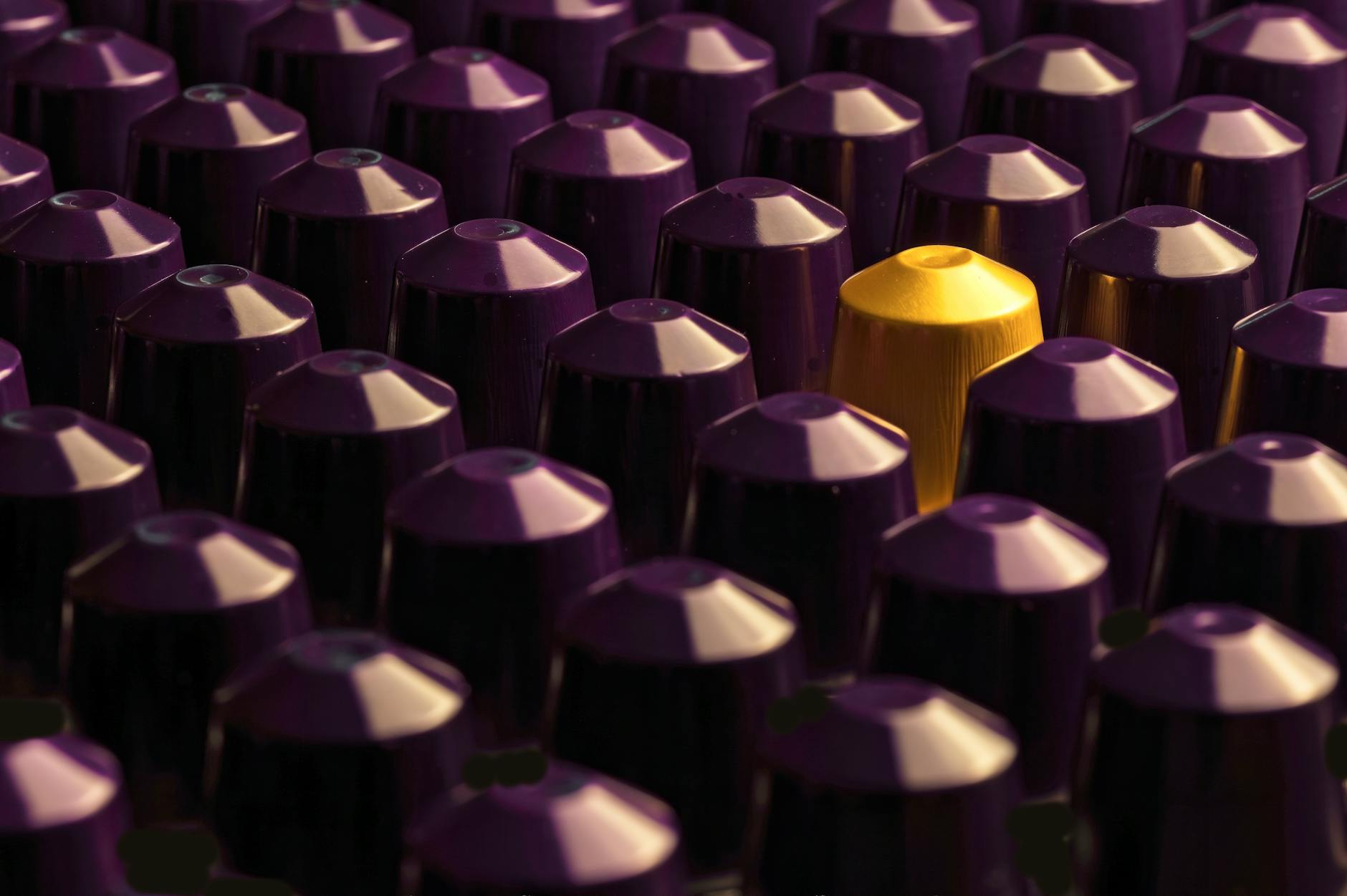
Coffee pods contain concentrated coffee grounds that are significantly more potent than brewed coffee. When your cat chews through the paper or plastic shell, they’re exposed to a much higher concentration of caffeine than they would encounter by licking a coffee cup. A single K-Cup or Nespresso pod typically contains 7-10 grams of coffee grounds, which is a substantial amount for an animal that weighs only 8-12 pounds on average. cats lack certain liver enzymes that help metabolize caffeine efficiently in humans, making them far more sensitive to its effects. Beyond the caffeine itself, the plastic and aluminum components of coffee pods create physical hazards.
The pod shell is designed to puncture and release water under pressure—when a cat’s teeth puncture it, sharp edges can cut their gums or mouth. Some pods contain small metal or plastic fragments that can lodge in the throat or cause intestinal blockages if swallowed. For comparison, this is similar to the risk posed by rubber bands or string, which vets routinely warn cat owners about. The concentrated nature of the grounds also means that even a small amount ingested poses proportionally greater risk. A cat that steals a sip from your coffee mug has ingested diluted caffeine; a cat that chews a pod is getting the raw material in dangerous quantities.
Symptoms of Caffeine Toxicity in Cats
If your cat has chewed on or ingested a coffee pod, watch for signs of caffeine toxicity appearing within 30 minutes to 2 hours. These symptoms include restlessness, rapid or irregular heartbeat, muscle tremors, excessive drooling, vomiting, and diarrhea. Some cats may become hyperactive or agitated, while others appear anxious or disoriented.
Severe cases can involve seizures, which require immediate emergency veterinary care. The limitation here is that some cats show subtle signs while others show severe ones, and the severity depends on factors like the cat’s weight, overall health, and the amount of coffee grounds ingested. A 15-pound, healthy adult cat might experience mild symptoms from the same amount of coffee that could cause serious toxicity in a 5-pound kitten. Additionally, if the cat has swallowed plastic or metal fragments, internal blockage symptoms—like constipation, vomiting, lethargy, or loss of appetite—might not appear for 24-48 hours, making it harder to connect them to the coffee pod incident.
Different Types of Coffee Pods and Their Risks
Not all coffee pods present identical risks, though all carry some level of danger. Single-serve pods like K-Cups typically contain 7-10 grams of grounds with relatively thin plastic shells. Nespresso pods use thicker aluminum shells that are harder for a cat to puncture, which actually provides some protection by making accidental ingestion less likely—though not impossible. Cold brew concentrate pods and espresso pods are even more concentrated and therefore more dangerous, as they deliver more caffeine per gram.
Compostable or biodegradable pods, marketed as eco-friendly, pose a different concern. While they may break down faster in a cat’s stomach, they often contain plant-based binders and additives that weren’t designed for animal ingestion, and their structural weakness means a cat can access the grounds more easily. Coffee pods with added ingredients—like those containing vanilla syrup, chocolate flavoring, or sweeteners—add additional toxicity risks. Chocolate-flavored pods, for example, could expose your cat to both caffeine and theobromine, a related compound found in chocolate that is also toxic to cats.
What to Do if Your Cat Ingests a Coffee Pod
If you witness your cat chewing on a coffee pod or suspect ingestion, act quickly. First, remove any remaining pod material from your cat’s mouth and surrounding area. Don’t wait to see if symptoms develop—contact your veterinarian or an emergency animal poison control center immediately. The ASPCA Animal Poison Control Center can be reached at 888-426-4435, and they can assess the situation based on your cat’s weight and the type of pod ingested.
Have the coffee pod packaging ready when you call, as vets need to know the brand, type, and approximate amount of grounds your cat may have consumed. Don’t induce vomiting unless instructed to do so by a veterinary professional, as this can sometimes cause additional harm. Your vet may recommend activated charcoal to help bind the caffeine, or they might want to monitor your cat’s heart rate and blood pressure. The key difference between managing this at home versus requiring emergency care depends on how much was ingested and how quickly you act—early intervention significantly improves outcomes.
Why Cats Are Drawn to Coffee Pods
Understanding why cats chew on coffee pods can help you prevent the behavior. The textured, crinkly material of the pod packaging appeals to cats’ natural hunting and play instincts. Some cats are attracted to the smell of coffee, which has a strong, distinctive aroma that triggers their curiosity. The plastic or paper can feel similar to prey in their mouth, activating their chewing response. Kittens and younger cats are especially prone to this behavior because they explore their world with their teeth.
Behavioral factors also play a role. Bored cats, especially those without adequate environmental enrichment or play, may be more likely to target inappropriate items like coffee pods. Cats with anxiety or compulsive behaviors might fixate on chewing specific materials. A limitation in prevention is that you can’t eliminate a cat’s natural curiosity—you can only manage their environment. Some cats show no interest in coffee pods whatsoever, while others actively seek them out if given the opportunity, making individual monitoring essential.
Prevention Strategies and Safe Alternatives
The most effective prevention is simple: keep coffee pods stored in cabinets or containers that your cat cannot access. Store them at eye level in closed kitchen cabinets rather than on countertops, and don’t leave used pods sitting out where curious cats can investigate them. Pods in the trash are a particular risk—use a cat-proof trash can or place the garbage in a closed cabinet. If you use a pod-based coffee maker regularly, clean up any grounds or pod fragments immediately after brewing.
Provide your cat with appropriate chewing alternatives, like cat-safe chew toys, dental treats designed for cats, or puzzle feeders that encourage natural foraging behavior. These redirect the chewing instinct toward safe outlets. If your cat is particularly attracted to crunchy textures, try freeze-dried treats or crunchy kibble in puzzle toys. For cats that seem to specifically enjoy the crinkly texture of packaging, cat toys with that same texture—like crinkle balls or paper-based cat toys—can satisfy that impulse without the associated dangers.
Related Household Hazards for Cat Owners
While addressing coffee pods, it’s worth recognizing that they’re part of a broader category of household hazards that cat owners should secure. Tea bags, energy drink mixes, and chocolate-containing foods carry similar caffeine or theobromine toxicity risks. Plastic bags, rubber bands, string, and other textured materials present choking and blockage risks comparable to the physical components of coffee pods.
Cleaning supplies, medications, and plants like lilies and sago palms are even more acutely dangerous than coffee pods. Understanding your cat’s environment as a whole helps you develop a comprehensive safety approach. Just as you wouldn’t leave medications on a nightstand, coffee pods shouldn’t be casually stored in accessible kitchen areas. The mindset shifts from managing individual hazards to creating a cat-safe home where temptation simply isn’t available.
Conclusion
Coffee pods are not safe for cats to chew on, and the risks—from caffeine toxicity to physical blockages—are real and potentially serious. The good news is that this hazard is entirely preventable through simple storage habits and environmental management. By keeping pods securely stored, providing appropriate chewing alternatives, and knowing what symptoms to watch for, you can keep your cat safe from this particular household danger.
If your cat does manage to access a coffee pod, act quickly and contact your veterinarian or poison control. Early intervention makes a significant difference in outcomes. The small effort of securing your coffee pods in a cabinet is far easier than managing toxicity symptoms or a veterinary emergency, making prevention the clear best practice for any cat owner.
Frequently Asked Questions
Can a small amount of coffee be harmful to my cat?
Yes. Even a small amount of concentrated coffee grounds is more dangerous to cats than to humans because of how they metabolize caffeine. A few grams of coffee grounds can trigger symptoms in a cat, whereas humans would need much larger quantities. Diluted coffee (like a sip from a mug) is less risky than concentrated grounds from a pod, but should still be avoided.
How long does it take for caffeine symptoms to appear after a cat ingests coffee?
Symptoms typically appear within 30 minutes to 2 hours of ingestion. If your cat has chewed a coffee pod, watch closely during this window and contact your vet immediately if you notice restlessness, rapid heartbeat, tremors, or excessive drooling.
Are there any coffee pods that are safer for cats than others?
No coffee pod is truly “safe” for cats to chew on, but some designs present slightly less risk. Thick aluminum shells are harder to puncture than plastic, providing some passive protection. However, none should be left accessible as a matter of regular practice.
What should I do if my cat swallows a large piece of plastic from a coffee pod?
Contact your veterinarian immediately. Plastic fragments can cause intestinal blockages, which are surgical emergencies. Don’t wait for symptoms—blockages can develop over 24-48 hours, and early intervention is crucial.
Can I give my cat decaffeinated coffee pods to chew on?
No. Decaffeinated coffee still contains small amounts of caffeine, and the plastic and metal components present the same physical choking and blockage risks as regular pods. These should never be offered as toys or chew items.