
Silicone straws are generally safer for cats than plastic or glass alternatives, but they are not completely risk-free. While the material itself is non-toxic and FDA-approved for food contact, the real danger lies in what happens when a cat chews through the straw and ingests pieces. A cat that gnaws on a silicone straw might break off fragments that could potentially cause intestinal obstruction, particularly in kittens or cats with a history of eating non-food items.
The safest approach is to keep silicone straws out of your cat’s reach and to supervise any interaction with them, rather than assuming they’re completely safe to chew on unsupervised. Most cats are not naturally drawn to silicone straws the way they might be to other objects, but curious animals—especially younger cats and those prone to pica—can view them as toys. A cat chewing on a straw while you’re drinking from it is not cause for alarm, but a cat that has access to a straw when you’re not watching and begins systematically chewing it apart is a different scenario. The texture and flexibility of silicone can appeal to cats’ prey drive, mimicking the feel of small animals or insects they might chase in nature.
Table of Contents
- Why Cats Are Attracted to Silicone Straws
- The Real Risks of Silicone Straw Ingestion
- Comparison With Other Common Household Items
- Safe Alternatives and Enrichment Strategies
- Signs of Blockage and When to Seek Help
- Pica and Chronic Chewing Behavior
- The Future of Pet-Safe Straws
- Conclusion
- Frequently Asked Questions
Why Cats Are Attracted to Silicone Straws
cats explore their environment primarily through their mouths, and the flexible, tubular shape of a silicone straw can trigger hunting instincts. The slight give when they bite mimics prey that might squirm or resist, which reinforces the behavior. Unlike plastic straws, which are more rigid and crack easily, silicone straws have a chewable texture that can feel rewarding to a cat’s teeth, similar to rubber toys designed for cats.
This makes them more likely to hold a cat’s interest during active chewing sessions. Indoor cats with limited enrichment might view a silicone straw as an available toy and engage with it more frequently than they would in an enriched environment with multiple scratching posts, climbing structures, and interactive toys. Boredom is a significant factor—if your cat has nothing else to chew on, the straw becomes a default option. Some cats develop a habit of seeking out straws specifically after the first positive experience, similar to how cats may become fixated on chewing rubber bands or houseplants.
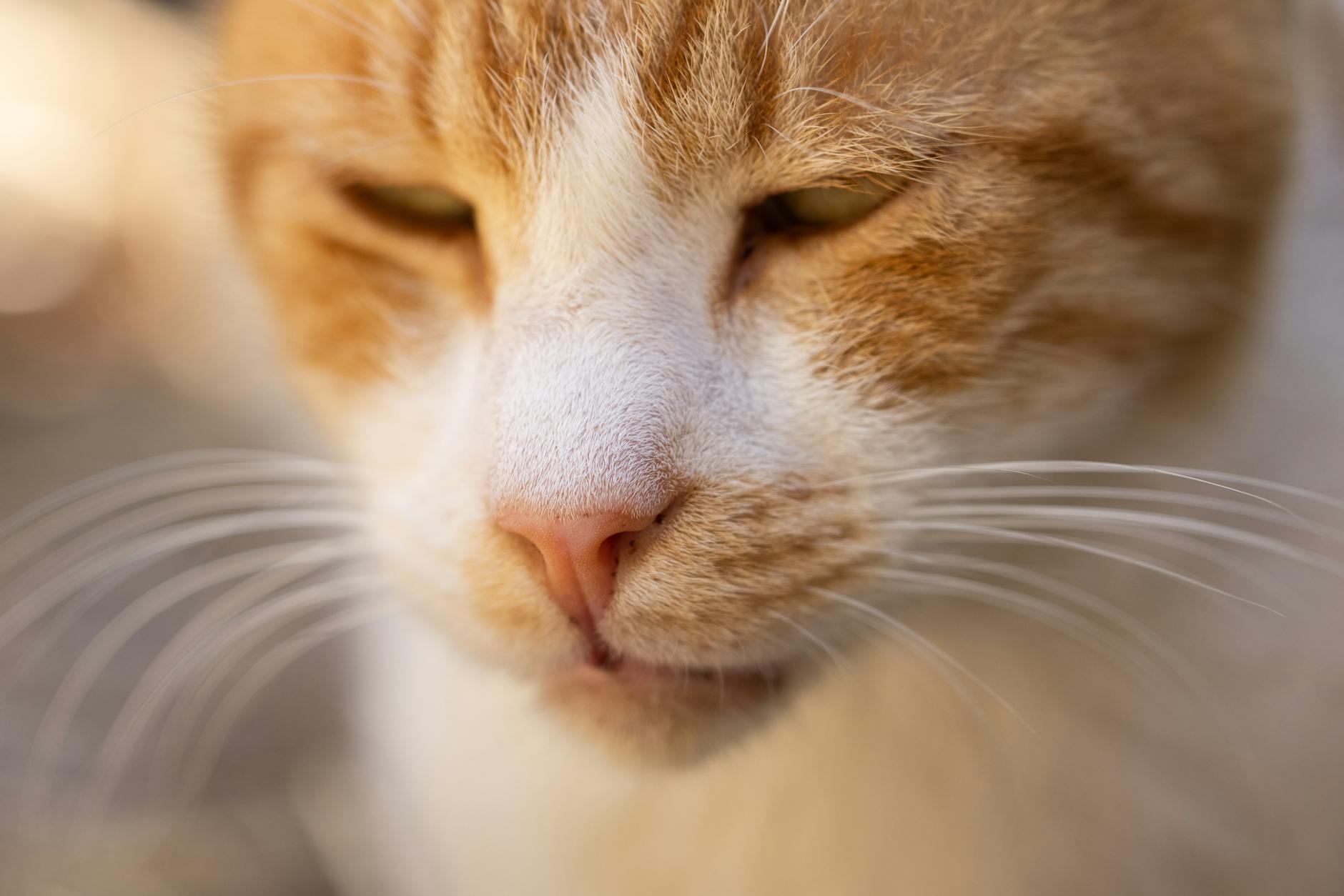
The Real Risks of Silicone Straw Ingestion
The primary risk is intestinal blockage, which occurs when pieces of the straw accumulate in the digestive tract and cannot pass naturally. While silicone is flexible and breaks down into smaller pieces when chewed, these fragments are not digestible, and cats cannot vomit them up easily once swallowed. A partial blockage might cause constipation or diarrhea, while a complete blockage requires emergency surgery to remove the foreign material.
Kittens and young cats are at higher risk because their digestive systems are still developing and they’re more likely to chew on objects out of curiosity. A significant limitation of silicone as a “safe” material is that safety depends entirely on the dose and duration of exposure. One straw chewed and swallowed over the course of a day might pass through the system without incident, but two straws, or the same straw chewed over multiple days with progressive ingestion, could accumulate enough material to cause obstruction. Signs of blockage include vomiting, loss of appetite, lethargy, or straining in the litter box—any of these warrant immediate veterinary evaluation, as a complete blockage can become life-threatening within 24-48 hours.
Comparison With Other Common Household Items
Silicone straws sit in the middle of the safety spectrum when compared to other items cats might chew. Plastic straws are more dangerous because they shatter into sharp pieces that can perforate the intestines, while paper straws are less concerning since they break down more easily in the digestive system. Glass straws present an obvious hazard due to their ability to shatter and cause serious internal injury.
Rubber bands, which many cats are attracted to, are particularly dangerous because they don’t break apart when chewed and can cause bunching of the intestines, which is often fatal without surgery. The advantage of silicone over plastic or rubber is that it breaks into small, dull pieces rather than sharp fragments, reducing the risk of perforation. However, this same property—the ability to break apart easily—can encourage a cat to keep chewing and ingesting more pieces. A cat that bites a plastic straw once and experiences sharp edges is more likely to abandon it, while a cat that finds silicone straws pleasant to chew on might continue the behavior repeatedly.
Safe Alternatives and Enrichment Strategies
If you use reusable straws regularly, metal or glass versions are better choices to keep on your kitchen counter where cats can’t access them, and disposable paper or seaweed straws should be disposed of immediately after use in a covered trash can. For cats that seem drawn to chewing on linear objects, offering appropriate alternatives like cat grass, sisal rope scratching posts, or rubber cat toys designed for chewing can redirect the behavior. Cardboard tubes from paper towels or paper towel holders are a better option for interactive play since they’re edible and will break down in the digestive system.
The trade-off is that some cats are simply persistent chewers regardless of available alternatives, and in these cases, environmental management becomes more important than enrichment. Keeping straws out of reach entirely—stored in closed cabinets or drawers—is more reliable than assuming any straw material is “safe enough” to leave on a table. For cats with diagnosed pica or a strong history of eating non-food items, the best approach is zero tolerance for any straw access, even if other cats in the household can safely be around them.
Signs of Blockage and When to Seek Help
If your cat has chewed on a silicone straw, monitoring is important even if no immediate symptoms appear. Watch for changes in appetite, energy level, or litter box behavior over the next 3-5 days, as blockages can take time to develop. Vomiting is one of the earliest signs and should prompt an immediate call to your veterinarian, especially if it’s persistent or accompanied by abdominal pain. A cat that vomits after chewing a straw should be examined even if the symptom seems minor, since a small blockage can progress quickly.
One important limitation is that not all veterinarians will recommend imaging (X-rays or ultrasound) for a cat that ate a small amount of silicone but shows no symptoms. This creates uncertainty for pet owners—you may not know if your cat is actually at risk until symptoms develop. If your cat is known to have eaten silicone straw pieces, ask your vet specifically about whether imaging would be prudent given your cat’s age, health, and chewing history. Early detection of a partial blockage is far preferable to waiting for a complete blockage to develop.
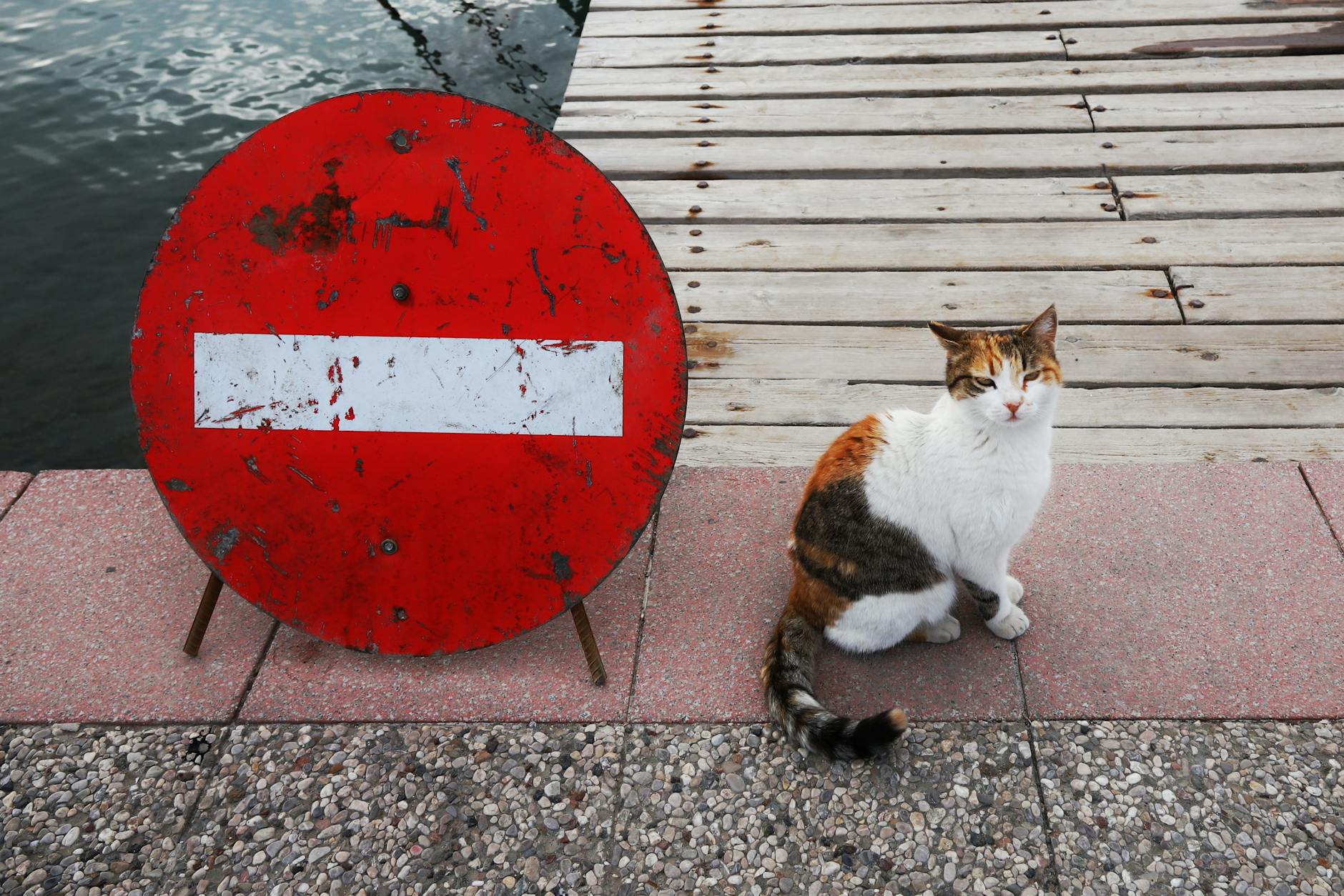
Pica and Chronic Chewing Behavior
Some cats develop pica, a condition where they compulsively chew or eat non-food items, often due to boredom, stress, or underlying medical issues like dental disease or intestinal parasites. Cats with pica are at significantly higher risk from silicone straws and should not have access to them. Breeds like siamese and Burmese are anecdotally more prone to pica, though the condition can develop in any cat at any age.
If your cat is a chronic chewer and has targeted straws in the past, addressing the underlying cause—whether that’s insufficient enrichment, medical issues, or stress—should be part of your management strategy. A cat with untreated pica might progress from chewing straws to chewing other items, so the straw itself is often just one symptom of a larger problem. Your veterinarian can rule out medical causes and may recommend environmental modifications or behavioral interventions to reduce the compulsive chewing.
The Future of Pet-Safe Straws
As more households move toward reusable or eco-friendly straws, understanding which materials are safest around pets becomes increasingly important. Bamboo straws offer a middle ground—they’re biodegradable and non-toxic, but they splinter, which can be a hazard. Edible straws made from seaweed or wheat are emerging as an option, but research on their safety specifically for cats is limited.
The ideal straw for a cat-owning household would be one that’s stored out of reach entirely, making the material almost irrelevant compared to simple prevention. Looking forward, pet owners should view any straw as a potential hazard unless it’s being actively supervised during use. Choosing where and how you store straws is more important than which type you select, since the safest behavior is keeping them inaccessible to curious cats in the first place.
Conclusion
Silicone straws are less immediately dangerous than plastic or glass alternatives, but they are not risk-free for cats. The primary concern is ingestion of chewed pieces that could accumulate and cause intestinal obstruction, a serious condition that may require emergency surgery. While many cats will never be interested in straws, and a cat that briefly chews on a straw may suffer no consequences, the unpredictability means treating all straws as potential hazards is the safest approach.
The best practice is straightforward: keep all straws—regardless of material—out of your cat’s reach by storing them in closed cabinets or drawers, disposing of them immediately after use, and supervising your cat if it has any interest in them. If your cat does ingest pieces of a silicone straw, monitor closely for signs of blockage over the following days and contact your veterinarian if any vomiting, loss of appetite, or litter box changes occur. For cats prone to pica, work with your vet to address the underlying behavior and provide appropriate enrichment instead.
Frequently Asked Questions
Is it safe if my cat swallows a small piece of silicone straw?
A single small piece may pass through the digestive system without incident, but there’s no way to predict this for certain. Monitor your cat closely for the next 3-5 days for any signs of digestive upset or blockage.
Can silicone straws cause poisoning?
No, silicone itself is non-toxic. The concern is mechanical blockage, not chemical toxicity. Food-grade silicone is safe for human food contact and won’t poison a cat.
What should I do if my cat has been chewing on a silicone straw for a long time?
Contact your veterinarian, especially if your cat is a kitten or has a history of eating non-food items. Your vet may recommend imaging to check for obstruction even if your cat shows no current symptoms.
Are reusable silicone straws safer than disposable ones?
The material is the same, so safety depends on how well you secure them. Reusable straws you can control might actually be easier to keep away from cats than disposable straws that are brought into the home more frequently.
What’s a good alternative if my cat keeps seeking out straws?
Offer cat-specific chew toys, cat grass, sisal rope, or cardboard tubes. Keep all household straws completely inaccessible and address potential boredom with increased enrichment and playtime.
Should I get my cat X-rayed after it chewed on a straw?
If your cat shows no symptoms, ask your veterinarian whether imaging is warranted based on your cat’s age, size, and the amount chewed. If your cat is symptomatic (vomiting, lethargy, reduced appetite), imaging is usually recommended.