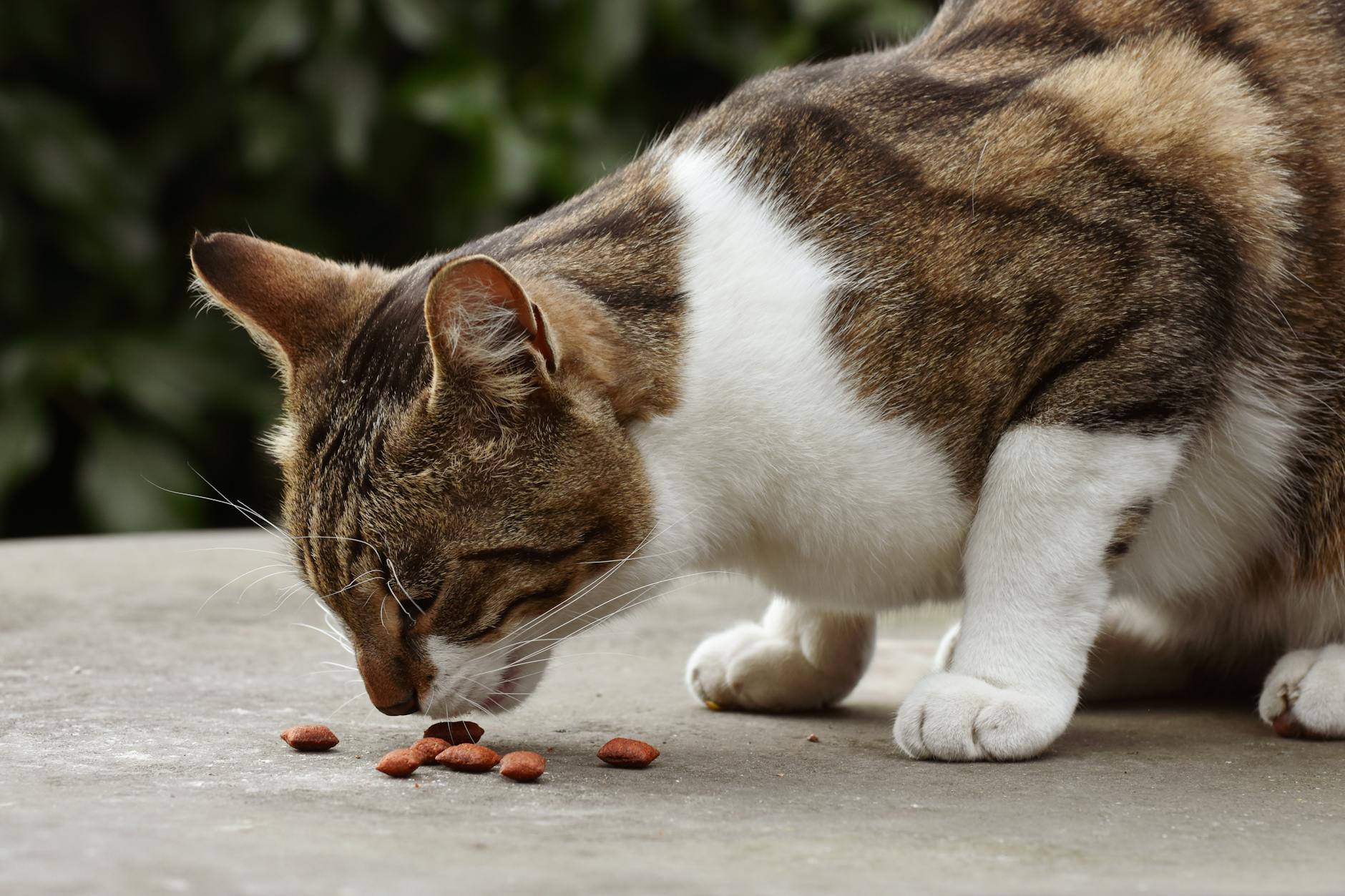
No, it is not safe for cats to eat food past its expiration date. Just like human food, expired pet food can harbor harmful bacteria, mold, and nutritional degradation that pose real health risks to your cat. When you feed your cat expired food, you’re potentially exposing them to foodborne illness, digestive upset, and nutritional imbalances that can affect their health over days or weeks. The expiration date on cat food isn’t arbitrary—it reflects the manufacturer’s guarantee of safety and nutritional integrity.
For example, a can of wet food expired six months ago may have developed bacterial growth that’s invisible to the naked eye, or the fats in dry kibble may have oxidized, creating compounds that can cause digestive problems. Cats have shorter digestive systems than humans, and they’re more susceptible to certain pathogens, making the risk even more serious. Many pet owners overlook expiration dates because their cats seem fine after eating older food, but this false reassurance can mask problems that develop slowly. Your cat may not show symptoms immediately, but the cumulative effect of eating spoiled food can weaken their immune system and digestive health over time.
Table of Contents
- What Happens to Cat Food After Its Expiration Date?
- Health Risks Associated with Expired Pet Food
- How to Identify Expired Cat Food
- Proper Storage to Extend Food Safety
- Signs Your Cat May Have Eaten Spoiled Food
- What to Do If Your Cat Has Already Eaten Expired Food
- Building Better Feeding Habits for Your Cat
- Conclusion
- Frequently Asked Questions
What Happens to Cat Food After Its Expiration Date?
Cat food expires for specific biological and chemical reasons. In dry kibble, the fats begin to oxidize after the expiration date, which means they break down and become rancid. This rancidity doesn’t just make the food taste bad—it can cause inflammation in your cat’s digestive tract and contribute to nutritional deficiencies. Wet food, which has higher moisture content, becomes a breeding ground for bacteria once the preservatives can no longer effectively contain microbial growth. The protein content in expired food may also degrade, reducing its nutritional value.
Vitamins and minerals added to commercial cat foods are formulated to remain stable only until the expiration date. After that point, your cat may be eating food that looks complete but is actually nutritionally incomplete. A cat fed expired food consistently may develop deficiencies in taurine, an essential amino acid that cats require for heart and eye health—something that wouldn’t necessarily show up as obvious symptoms until significant damage has occurred. Temperature and storage conditions accelerate this degradation. A can of cat food stored in a warm garage will expire much faster than one kept in a cool pantry, even if both are technically before the printed date. This is why the expiration date assumes proper storage conditions.
Health Risks Associated with Expired Pet Food
The most immediate danger is bacterial contamination. Common pathogens like Salmonella and E. coli can grow in expired food, and unlike humans who might experience acute food poisoning, cats can sometimes be asymptomatic carriers while still becoming ill. A cat infected with Salmonella may show vomiting, diarrhea, and lethargy, or the infection could be so mild that you miss it entirely while the bacteria colonizes their gut. A significant limitation with expired food is that you cannot determine safety by appearance or smell alone.
Your nose might not detect bacterial growth, and the food might look perfectly fine. This is why relying on your senses rather than the expiration date is unreliable and dangerous. Some cats are more vulnerable than others—kittens, senior cats, and cats with compromised immune systems are at higher risk for serious complications from expired food. Long-term consumption of expired food can also lead to pancreatitis, a painful inflammation of the pancreas that can become chronic. The exact mechanism isn’t fully understood, but the combination of degraded fats and potential bacterial toxins appears to trigger this condition in susceptible cats. Once a cat develops pancreatitis, they may need special diets and medication for life.
How to Identify Expired Cat Food
Check the expiration date clearly printed on the packaging—this is your most reliable indicator. Some foods use a “best by” date, which means the food is still technically safe to consume but may be losing nutritional value. A “use by” date is more strict and indicates when safety can no longer be guaranteed. For example, a can of wet food with a use-by date of January 2024 should not be fed to your cat in March 2024, regardless of how it looks. Store-brand and premium foods may have different expiration windows.
Budget pet foods often have shorter shelf lives because they use fewer preservatives, while premium brands with natural preservatives may last slightly longer. Understand what type of food you’re buying and plan your purchases accordingly. Open cans of wet food should be used within two days of opening, even if the expiration date suggests the can itself is still good. Keep expired food out of reach entirely. Don’t leave opened cans sitting around or toss expired kibble into your cat’s bowl out of habit. Set a reminder on your phone if you struggle to keep track of when food expires, or rotate your stock using the “first in, first out” method so older food gets used before newer food.
Proper Storage to Extend Food Safety
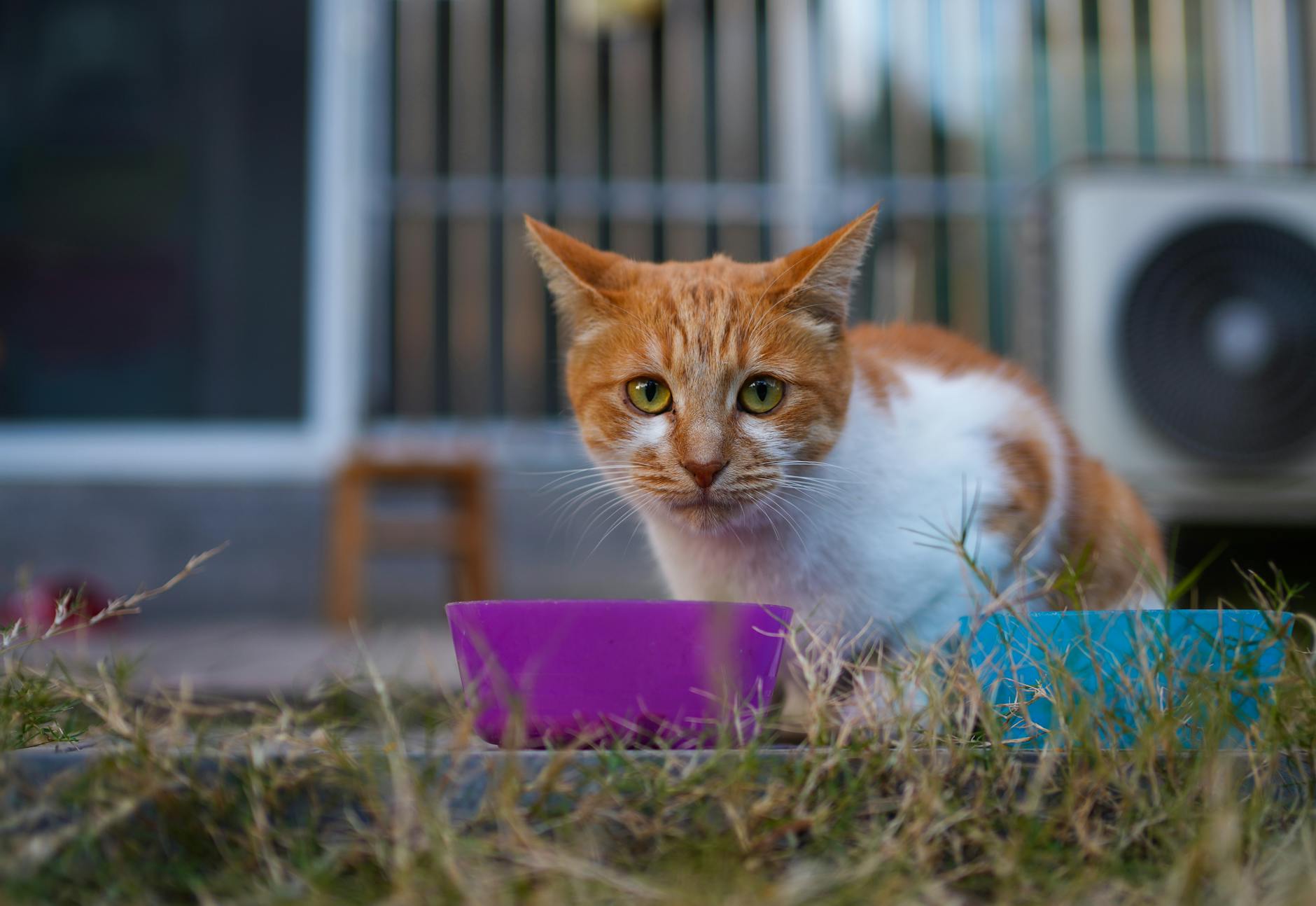
Dry kibble should be stored in an airtight container in a cool, dark place. This prevents oxidation and protects against pest contamination. Many people make the mistake of storing kibble in the original bag or in a container that isn’t truly airtight—air exposure accelerates fat degradation. Storing kibble in a garage where temperatures fluctuate between hot summers and cold winters will cause it to expire faster than food kept in a climate-controlled pantry.
Wet food should always be refrigerated after opening, in a sealed container. A common tradeoff is convenience versus safety—it’s tempting to leave a can open in the fridge longer because the cat hasn’t finished it, but bacteria multiply rapidly at refrigerator temperatures. After two days, your cat’s digestive health isn’t worth the few cents you might save by stretching out the can. Freezing opened wet food in portions can extend its usable life, though the texture may change slightly when thawed. This is a practical solution if you buy larger cans and want to avoid waste while maintaining safety standards.
Signs Your Cat May Have Eaten Spoiled Food
If your cat vomits within a few hours of eating expired food, this is a warning sign of acute food poisoning. Diarrhea lasting more than a day, especially if it’s bloody, indicates possible bacterial infection. Loss of appetite or lethargy can also signal that something is wrong, though these symptoms develop more slowly and might not appear until several days after exposure. A significant limitation is that mild food poisoning in cats can be subtle and mistaken for other conditions. Your cat might just seem “off” for a day or two without obvious gastrointestinal symptoms.
If you suspect your cat has eaten expired food and shows any behavioral changes, contact your veterinarian. Don’t wait to see if symptoms worsen—the longer bacteria have to multiply in your cat’s system, the more damage they can cause. Some cats are simply more resilient than others. A young, healthy cat with a strong immune system might tolerate occasional exposure to spoiled food better than an elderly cat or one with a pre-existing digestive condition. This variation is why you can’t assume your cat is fine just because they’ve eaten expired food before without obvious problems.
What to Do If Your Cat Has Already Eaten Expired Food
First, don’t panic. A single exposure to expired food is less likely to cause serious harm than chronic consumption. Monitor your cat closely for the next 24-48 hours, watching for vomiting, diarrhea, decreased appetite, or behavioral changes.
If symptoms appear, contact your veterinarian immediately rather than waiting to see if they resolve on their own. If you discover your cat ate significantly expired food (more than a few weeks past the date), call your vet and describe the situation. They may recommend bringing your cat in for an examination or simply monitoring at home. Keep the food packaging if possible so you can tell your vet exactly when it expired.
Building Better Feeding Habits for Your Cat
The best approach is prevention through conscious purchasing and storage habits. Buy only as much food as your cat will consume before expiration, especially for wet food. Check expiration dates before purchasing at the store, and rotate your pantry stock regularly.
Set phone reminders if your household tends to lose track of these details. As pet food science evolves, manufacturers are developing better preservation methods that extend shelf life while using fewer synthetic preservatives. Understanding how to properly store and monitor your cat’s food puts you in control of one significant factor in your cat’s long-term health. The small effort of checking dates and storing food correctly is an easy way to protect your cat from unnecessary health risks.
Conclusion
Feeding your cat expired food is a risk that’s entirely avoidable with proper attention to dates and storage. The potential health consequences—from acute food poisoning to chronic conditions like pancreatitis—are serious enough to warrant treating expiration dates as non-negotiable rules rather than guidelines.
Your cat depends on you to make safe feeding choices, and the cost savings from stretching out a bag or can of food are never worth the veterinary bills and suffering that could result from foodborne illness. Make expiration date checking a simple habit, store food properly, and discard anything past its date without hesitation. Your cat’s digestive health and long-term wellbeing are worth that small commitment to food safety.
Frequently Asked Questions
Can I feed my cat food that expired just one week ago?
It depends on the type of food and storage conditions. Wet food should not be fed even one week past expiration, as bacterial growth becomes likely. Dry kibble that was properly stored in an airtight container might be acceptable a week past date, but checking the food for any signs of mold or rancid smell is essential. When in doubt, discard it.
How can I tell if dry kibble has gone bad without a visible expiration date?
Check for mold, discoloration, or clumping in the kibble, and smell the food—rancid kibble has a distinctly musty or off odor. If you’re unsure, don’t risk it. Proper storage with visible date labeling prevents this problem entirely.
Is expired kitten food less safe than expired adult cat food?
Expired food is unsafe regardless of the life stage it’s formulated for, but kittens are more vulnerable to foodborne illness due to their developing immune systems. Never feed expired food to kittens, senior cats, or cats with health conditions.
What should I do with expired cat food I have at home?
Dispose of it in the trash. Don’t leave it where your cat or other animals can access it, and don’t donate expired pet food to shelters or rescues, as it poses the same safety risks to their animals as it does to yours.
Can I mix expired food with fresh food to stretch supplies?
No. Mixing expired and fresh food contaminates the entire batch and increases the bacterial load your cat ingests. It’s better to discard expired food and feed only fresh food.
How long does cat food stay fresh after opening?
Opened wet food should be used within two days when refrigerated. Opened dry kibble stays fresh as long as it remains in an airtight container and hasn’t exceeded its printed expiration date. After the expiration date, even unopened dry food should be discarded.