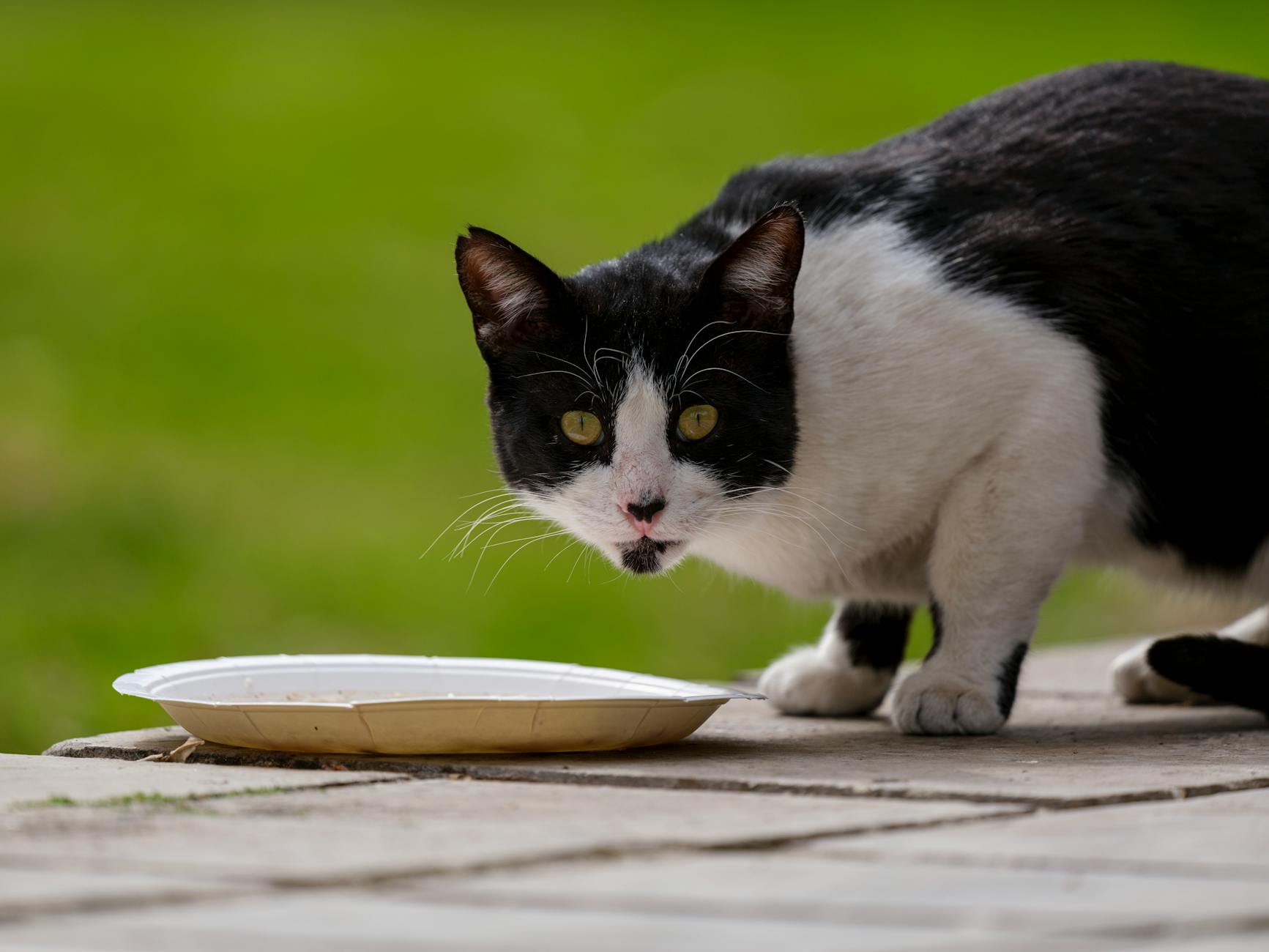
The short answer is that it depends on what the food is and what else might be in or around your sink. In most cases, a cat eating a small amount of human food that fell in a clean sink poses minimal immediate risk, but there are important caveats. If your sink contains standing water, soap residue, or has been used to clean raw meat, the situation changes dramatically. The safest approach is to assume any food that has contacted your sink is contaminated and retrieve it before your cat eats it.
Food that falls in the sink can pick up bacteria from the basin itself, especially if it hasn’t been thoroughly cleaned recently. Cats have stronger stomach acid than humans, which gives them some protection against certain pathogens, but they’re not immune to foodborne illness. A cat that eats food contaminated with salmonella or E. coli can develop gastrointestinal upset, and in severe cases, more serious complications.
Table of Contents
- What Contaminants Are Actually Present in Your Sink?
- The Real Danger of Sink Water and Buildup
- What Types of Food Are Riskier Than Others?
- How to Prevent Food from Falling in the Sink in the First Place
- Signs Your Cat Has Eaten Something Contaminated
- Special Considerations for Kittens and Senior Cats
- The Importance of Regular Sink Maintenance
- Conclusion
What Contaminants Are Actually Present in Your Sink?
Your kitchen sink is home to thousands of bacteria, many of which are harmless but some of which can cause illness. Every time you rinse chicken, wash your hands after handling raw meat, or clean a cutting board, you’re potentially introducing dangerous microorganisms to the sink’s surface. Studies have shown that kitchen sinks often harbor more bacteria than a toilet seat, which might seem alarming but is actually manageable with regular cleaning.
Beyond bacteria, your sink likely contains residue from dish soap, food particles from previous meals, and potentially chemicals if you’ve used drain cleaners or disinfectants. If your cat licks a bowl that’s been sitting in soapy water, even a small amount of soap ingestion can cause vomiting or diarrhea. This is why retrieving dropped food quickly is preferable to letting your cat scavenge for it.
The Real Danger of Sink Water and Buildup
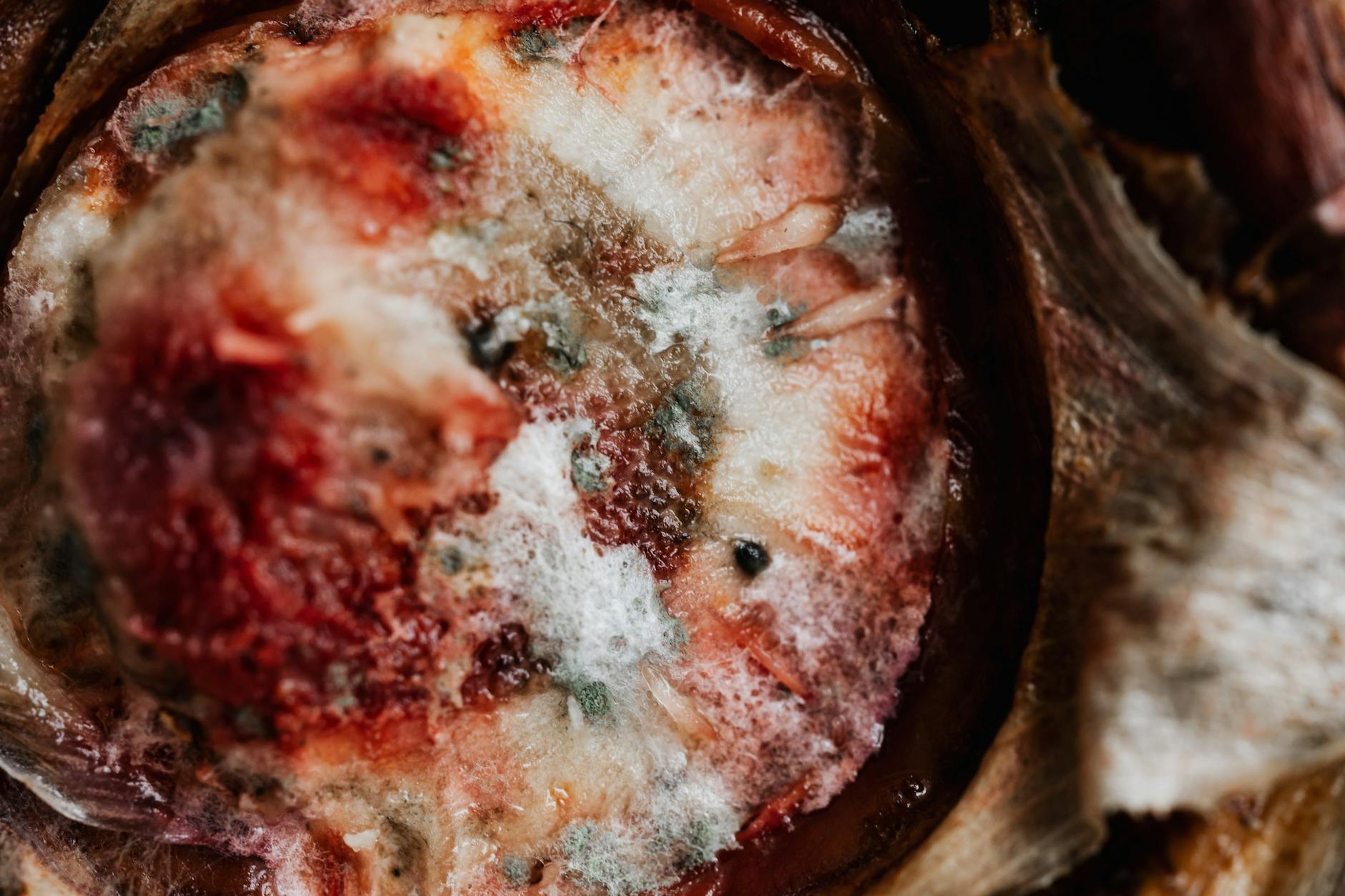
The water pooling in your sink isn’t sterile, even if it looks clean. If your sink has been draining slowly or food particles are visible, this becomes a concern. Stagnant water in sink traps and pipes harbors bacteria like Pseudomonas and Acinetobacter, which can cause gastrointestinal issues in cats. A cat drinking from a sink or eating food from one with standing water is at higher risk than one in a completely dry sink.
One limitation to keep in mind is that not all bacterial contamination causes visible symptoms. Your cat might eat food from the sink and appear fine for days before developing diarrhea or vomiting. This delayed response can make it difficult to pinpoint the cause, which is why prevention through regular sink cleaning and food management is crucial. If you notice your cat has eaten something from the sink and develops symptoms within 24-72 hours, contact your veterinarian.
What Types of Food Are Riskier Than Others?
Some foods are inherently higher risk when contaminated. Cooked proteins like chicken or fish that have been sitting in the sink are particularly concerning because they can develop harmful bacteria quickly. raw meat or poultry presents an even greater risk—if your cat eats food contaminated with raw chicken juice from the sink, the bacterial load is significantly higher than with other leftovers.
Fatty foods pose a different problem. If your cat eats greasy food from the sink, it can trigger pancreatitis, an inflammation of the pancreas that’s painful and sometimes life-threatening. A cat eating bacon grease or oil that dripped into the sink faces more serious consequences than one eating plain rice or vegetables. Even a small amount of fatty food can be problematic for some cats, particularly those with sensitive digestive systems or a predisposition to pancreatitis.

How to Prevent Food from Falling in the Sink in the First Place
The simplest protective measure is to keep your cat away from your workspace while you’re preparing meals. Use a baby gate or closed door to create a pet-free zone during cooking, which eliminates the temptation entirely. This approach is far more effective than trying to react after something has fallen. Many cat owners find that establishing this routine takes only a few days before both they and their cats adjust.
If you do drop food in the sink, retrieval speed matters. The longer food sits there, the more bacteria it accumulates. Retrieving it within seconds is preferable to minutes or longer. However, if you’re unsure how long it’s been there or the sink has been used for food prep involving raw meat, it’s better to discard the food entirely rather than offer it to your cat. This requires a tradeoff: you’ll waste some food, but you’ll avoid potential illness.
Signs Your Cat Has Eaten Something Contaminated
Vomiting and diarrhea are the most obvious signs that your cat’s digestive system is upset, but they may not appear immediately. Other warning signs include lethargy, loss of appetite, abdominal pain (shown by hunching or reluctance to move), and fever. If your cat exhibits any of these symptoms within 12-72 hours of eating something from the sink, it’s worth mentioning to your veterinarian.
Keep in mind that some cats are asymptomatic carriers of bacteria like salmonella, meaning they harbor the pathogen without showing illness themselves. This is a limitation of relying on symptoms alone—your cat might be infected even if it seems fine. Additionally, older cats or those with compromised immune systems are at higher risk for complications from foodborne pathogens, so they require extra vigilance.
Special Considerations for Kittens and Senior Cats
Kittens have developing immune systems and immature stomachs, making them more vulnerable to foodborne illness. Their curious nature also makes them more likely to investigate dropped food. If you have a kitten, preventing access to the sink is even more important than with adult cats.
Senior cats, conversely, have weaker immune systems and may have underlying digestive issues, making them similarly vulnerable to contamination risks. A specific example: a senior cat with chronic inflammatory bowel disease that eats contaminated food from the sink is far more likely to experience severe symptoms than a healthy adult cat eating the same thing. This means household dynamics matter—if you have cats of different ages, your prevention strategies should account for the most vulnerable individuals in your home.
The Importance of Regular Sink Maintenance
Keeping your sink clean significantly reduces risks for your entire household, not just your cat. Washing the sink with hot water and soap after food prep, wiping it dry, and occasionally cleaning the drain with appropriate cleaners creates a less hospitable environment for dangerous bacteria. Some cat owners use bleach solutions or vinegar to sanitize their sinks, which is safe as long as the sink is thoroughly rinsed before any food contact.
Looking forward, the best approach to cat nutrition involves being intentional about what your cat eats. Rather than relying on accidental floor scraps or sink discoveries, feeding your cat a well-balanced diet through regular meals prevents both nutritional gaps and the temptation to eat contaminated food. This perspective shift—from managing accidents to preventing them—creates a safer environment for your cat.
Conclusion
Food that falls in your sink carries real risks due to bacterial contamination, soap residue, and potentially hazardous bacteria from raw meat prep. While a single incident is unlikely to cause serious illness in a healthy adult cat, making a habit of preventing sink access is the best protective strategy. Most of the risk is entirely preventable through awareness, quick cleanup, and good sink hygiene.
If your cat does eat something from the sink, monitor it for the next 72 hours for signs of gastrointestinal upset. Contact your veterinarian if you notice vomiting, diarrhea, lethargy, or loss of appetite. In the meantime, focus on preventing future incidents by keeping your cat away from food prep areas, cleaning your sink regularly, and discarding any food that has contacted an unsanitary surface.