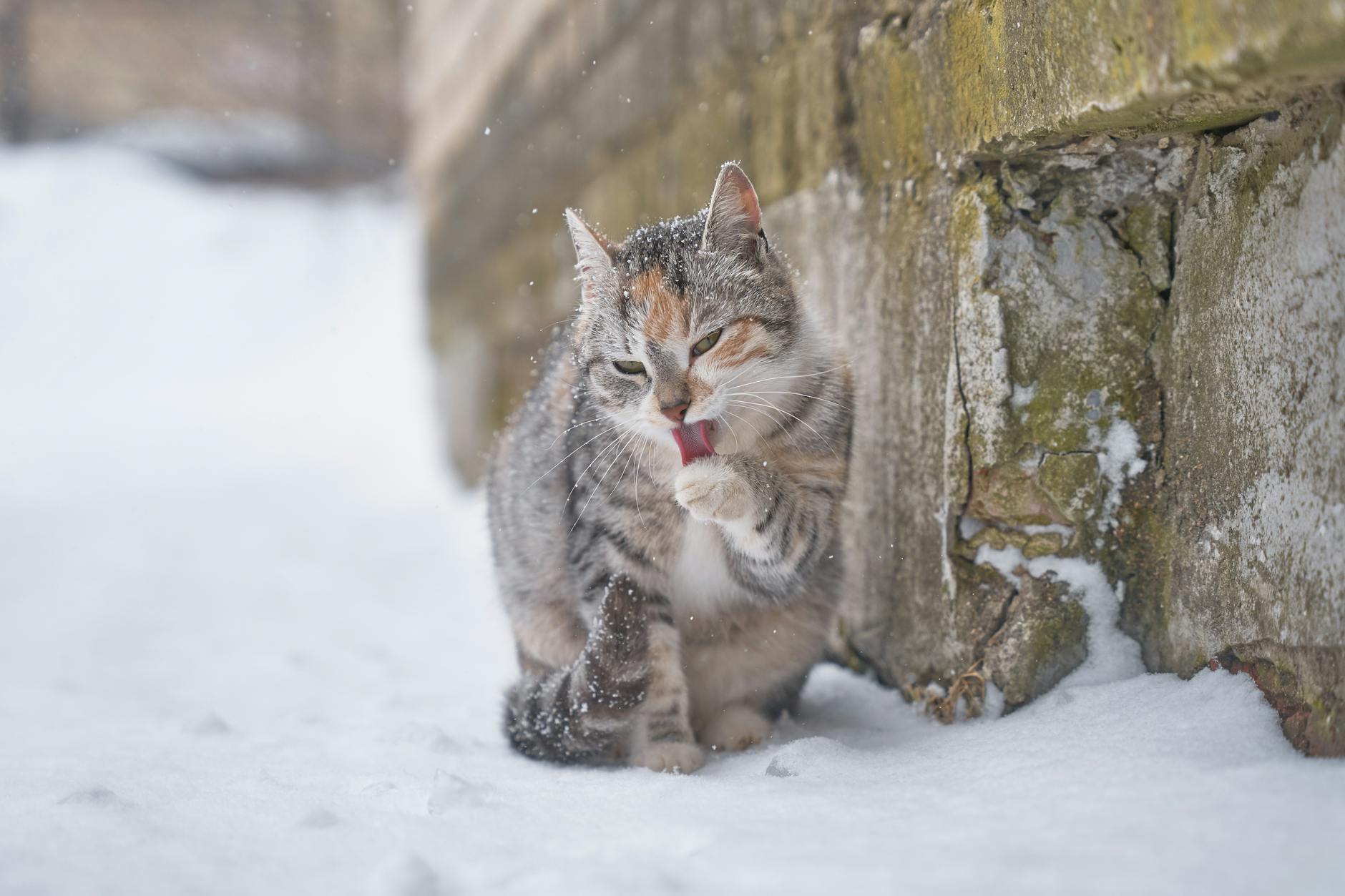
No, it is not safe for cats to lick your fingers after you’ve handled raw meat. Raw meat can carry harmful bacteria such as E. coli, Salmonella, and Listeria monocytogenes—pathogens that can cause serious gastrointestinal illness in cats, even though cats have stronger stomach acid than humans. When your cat licks your fingers after you’ve prepared chicken, beef, or pork, it’s ingesting these potential pathogens directly.
For example, if you’ve just finished preparing raw chicken for dinner and your cat jumps onto the counter to greet you with affection, every lick transfers bacteria that could lead to vomiting, diarrhea, abdominal pain, or more severe complications in compromised immune systems. The risk is particularly high because cats don’t show symptoms immediately. They may appear perfectly fine for 24 to 72 hours before bacterial infection manifests, making it difficult to trace the cause back to that innocent moment of contact. Additionally, cats can become asymptomatic carriers of certain bacteria, meaning they shed pathogens in their feces and saliva without showing signs of illness—potentially spreading contamination throughout your home to other pets or family members.
Table of Contents
- Can Cats Get Bacterial Infections from Raw Meat on Your Hands?
- What Specific Pathogens in Raw Meat Pose the Greatest Risk to Cats?
- How Does a Cat’s Digestive System Handle Bacterial Contamination Differently Than Humans?
- What Preventive Steps Can You Take to Keep Your Cat Safe?
- What Are the Signs of Bacterial Infection in Cats, and When Should You Seek Veterinary Care?
- Can Cats Transmit Foodborne Pathogens Back to You or Other Pets?
- The Evolving Understanding of Raw Diets and Pathogen Risk in Cats
- Conclusion
Can Cats Get Bacterial Infections from Raw Meat on Your Hands?
Yes, cats can absolutely contract bacterial infections from raw meat residue on your hands. Cats are carnivores and have evolved to eat raw prey in the wild, so many people assume they have immunity to foodborne pathogens. However, this is a dangerous misconception. While cats do have a more acidic stomach than humans (pH around 1.5 to 2.5), this advantage primarily protects them from bacteria in fresh kills, not from the concentrated pathogens present in commercially handled raw meat that may have been contaminated during processing, storage, or transportation.
The bacterial load on raw meat from a grocery store is often far higher than what a cat would encounter in nature. A single lick from your contaminated fingers can transfer millions of bacterial cells into your cat’s mouth. Studies have shown that Salmonella in particular can cause severe enterocolitis in cats, leading to bloody diarrhea, fever, and lethargy. Some cats develop septicemia—a life-threatening bloodstream infection—though this is less common when the infection remains localized to the gastrointestinal tract.
What Specific Pathogens in Raw Meat Pose the Greatest Risk to Cats?
The primary culprits are Salmonella species, Campylobacter jejuni, Escherichia coli (especially pathogenic strains), and Listeria monocytogenes. Of these, Salmonella is the most commonly identified pathogen in feline foodborne illness cases. Campylobacter causes severe intestinal inflammation and is particularly insidious because it can survive in a cat’s digestive tract for weeks, prolonging illness and recovery time. Listeria is especially dangerous for kittens, elderly cats, or those with compromised immune systems, as it can cross the blood-brain barrier and cause neurological symptoms like disorientation or seizures. A critical limitation is that standard cooking temperatures and food safety practices for humans don’t necessarily apply to pets.
What seems like a minor lick to you could represent a significant inoculum of bacteria for a small animal. Additionally, many pet owners don’t realize that even “handling” raw meat without visible contamination can leave bacterial residue on skin. A study published in veterinary microbiology found that 25-30% of raw chicken samples contained pathogenic E. coli, and these organisms readily transfer to hands and surfaces. The warning here is clear: no amount of careful food preparation eliminates the risk entirely.
How Does a Cat’s Digestive System Handle Bacterial Contamination Differently Than Humans?
While cats have stronger gastric acid, their gastrointestinal tract is actually shorter and faster-moving than humans, meaning food spends less time in the stomach and more time in the intestines before elimination. This rapid transit can work both for and against them: the speed may limit bacterial proliferation in the stomach, but it also means pathogens reach the vulnerable small intestine more quickly. Once in the small intestine, bacteria can adhere to the intestinal lining and cause inflammation before the immune system can mount a response. Cats also have a different microbiome composition than humans.
Their normal flora is specifically adapted to their carnivorous diet and includes different bacterial species. This means the beneficial bacteria that might compete with pathogens in a human gut may not be as effective in protecting a cat. For example, a cat eating a contaminated mouse in nature might get sick, but that’s because the bacterial load is lower and the cat’s immune system is adapted to that specific risk. In your home, the contamination on your hands is unpredictable and concentrated in ways nature doesn’t replicate. Additionally, cats lack the same suite of immune IgA antibodies in their intestines that provide mucosal immunity in humans, making them more vulnerable to initial infection.

What Preventive Steps Can You Take to Keep Your Cat Safe?
The most practical approach is to treat your hands as contaminated anytime you handle raw meat. Wash your hands thoroughly with soap and warm water for at least 20 seconds immediately after food preparation, paying special attention to under your fingernails where bacteria accumulate. Don’t touch your cat’s face, let them lick your hands, or allow them access to areas where you’ve prepared raw meat until after you’ve cleaned up and washed your hands. A comparison worth noting: if you wouldn’t let a human infant lick your hands after handling raw chicken, you shouldn’t let your cat either.
Consider designating a specific cutting board and knife for raw meat preparation and keeping these items away from where your cat roams. Many people make the trade-off of using separate food prep areas to avoid cross-contamination with other household items. Some cat owners find that keeping their cats out of the kitchen during meal prep—using a baby gate or closed door—is the simplest solution, even though it requires some adjustment to your routine. Hand sanitizers are not sufficient on their own; you need actual soap and water to mechanically remove bacteria from your skin.
What Are the Signs of Bacterial Infection in Cats, and When Should You Seek Veterinary Care?
The clinical signs of foodborne bacterial infection in cats typically appear within 24 to 72 hours and include vomiting, diarrhea (sometimes with blood or mucus), abdominal pain manifesting as hunching or reluctance to move, loss of appetite, and lethargy. Fever may be present but isn’t always easy to detect at home without a thermometer. Some cats become severely dehydrated, which is a serious complication that requires immediate IV fluid therapy. A significant warning: don’t wait to see if symptoms resolve on their own.
Even mild diarrhea lasting more than a day warrants veterinary evaluation, especially in kittens under six months, senior cats over ten years, or cats with existing health conditions. Bacterial enterocolitis can quickly become life-threatening if secondary complications develop. Your veterinarian may recommend fecal culture to identify the specific pathogen, followed by targeted antibiotic therapy. However, many bacterial infections are self-limiting, meaning the cat’s immune system eventually clears the infection even without antibiotics—though antibiotics significantly shorten recovery time and reduce suffering.
Can Cats Transmit Foodborne Pathogens Back to You or Other Pets?
Yes, this is an often-overlooked risk. An infected cat can shed Salmonella or Campylobacter in their feces for weeks, even after recovering from symptoms. If you don’t practice rigorous hand hygiene after handling a sick cat’s litter box, you can reinfect yourself or transmit the pathogen to other family members or pets. Multi-pet households face even greater risk, as an infected cat’s feces in a shared litter box can contaminate other animals.
For example, if your cat contracts Salmonella from your raw-meat-contaminated fingers and then sheds the bacteria in the litter box, your dog might contract the infection by walking through litter dust or sniffing the box. Additionally, Salmonella and E. coli can contaminate your home environment through fecal shedding, surviving on surfaces for days. This is why proper litter box hygiene—daily scooping with disposable gloves and hand washing afterward—becomes critical if your cat shows any signs of gastrointestinal illness.
The Evolving Understanding of Raw Diets and Pathogen Risk in Cats
Some cat owners feed raw meat diets to their cats, believing it’s more “natural.” While raw feeding is a separate topic from accidental contamination, it’s worth noting that veterinary organizations generally recommend against home-prepared raw diets due to the documented risks of bacterial contamination. The difference between wild predation and home raw feeding is quality control and handling practices.
Commercially available raw cat food undergoes pathogen testing and handling protocols, but even these carry more risk than cooked diets. As food safety science evolves, we’re learning that bacterial pathogens are far more prevalent in raw meat than previously understood, and cats—while carnivorous—don’t have magical immunity to modern foodborne pathogens. The safest approach remains cooking meat thoroughly, practicing meticulous hand hygiene, and keeping raw meat away from your cat’s mouth entirely.
Conclusion
The answer to whether it’s safe for your cat to lick your fingers after handling raw meat is definitively no. Raw meat carries bacterial pathogens that can cause serious illness in cats, and the risk isn’t eliminated by assuming feline digestive systems are somehow immune. A simple lick can expose your cat to harmful bacteria like Salmonella, Campylobacter, and pathogenic E.
coli, leading to vomiting, diarrhea, and potentially life-threatening complications. The good news is that this risk is entirely preventable with basic hygiene practices. Wash your hands thoroughly after handling raw meat, keep your cat out of food preparation areas, and avoid letting them have mouth contact with you during cooking. By treating raw meat with appropriate caution and maintaining these simple boundaries with your cat, you can protect both your feline companion and your household from foodborne illness.