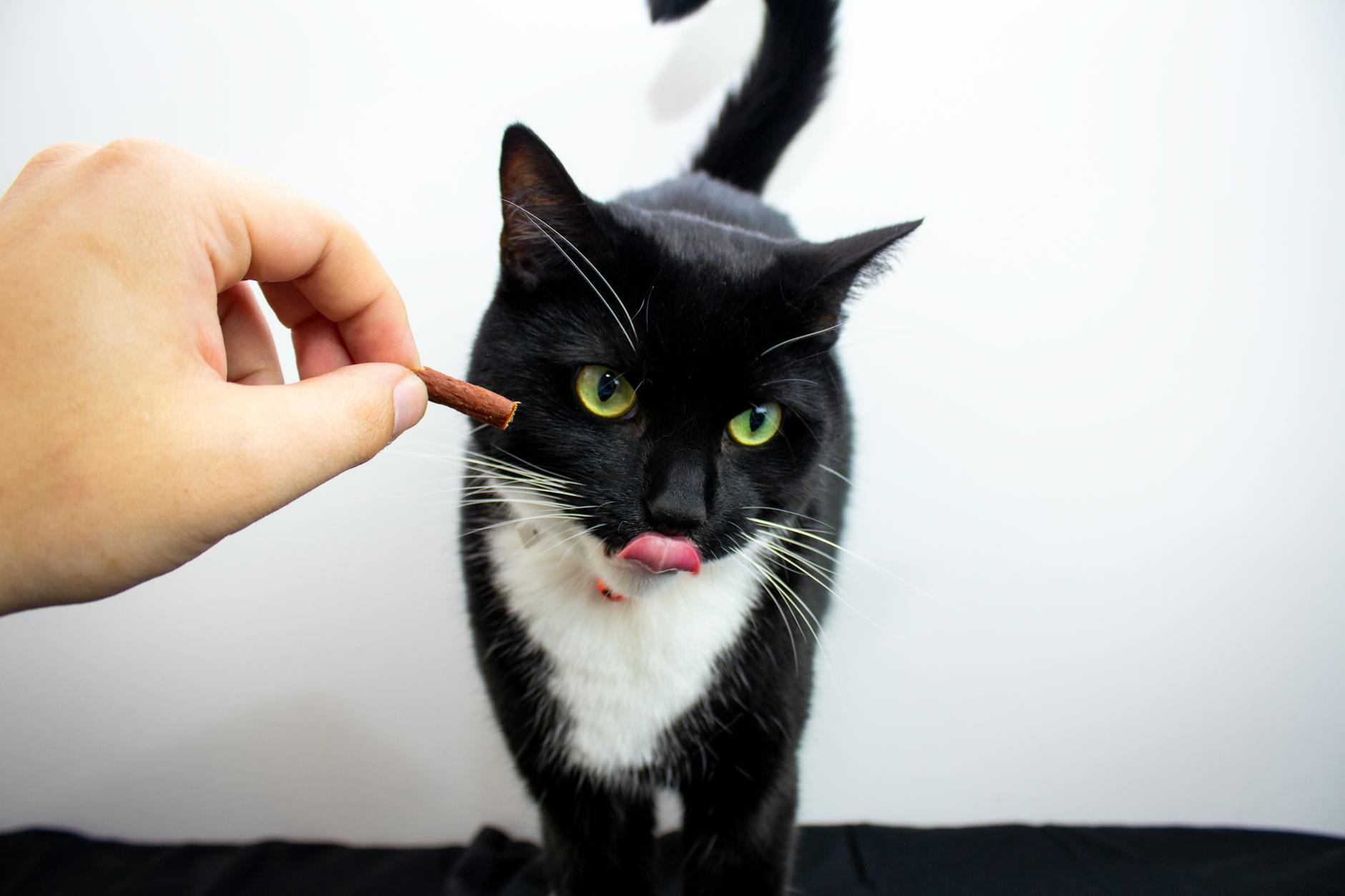
It’s generally safe for cats to lick your hands after you eat, but there are important caveats. Most food residues on your hands are harmless to cats, and the act of licking itself poses minimal risk. However, certain foods, seasonings, and oils can be toxic or cause digestive upset in cats, making the safety of post-meal hand-licking dependent on what you’ve been eating. If you’ve been eating chicken without garlic or onions, your cat can safely lick your hands.
But if you’ve had chocolate, grapes, or foods seasoned with salt or spices, it’s better to wash your hands first. Cats are naturally drawn to licking human skin—it’s a grooming behavior that strengthens bonds and helps them explore their environment. When your cat licks your hands after meals, they’re responding to the scent of food and exhibiting normal feline behavior. The risk lies not in the licking itself, but in what substances they’re ingesting.
Table of Contents
- What Foods Are Actually Dangerous for Cats on Your Hands?
- The Hidden Risks of Oils, Fats, and Food Residues
- The Bacterial and Hygiene Perspective
- Managing Hand-Licking Without Restricting Natural Behavior
- Recognizing Warning Signs and When to Seek Help
- Special Considerations for Kittens and Senior Cats
- The Broader Context of Cat-Human Bonding and Health
- Conclusion
What Foods Are Actually Dangerous for Cats on Your Hands?
The concern with post-meal hand-licking centers on toxic and harmful foods that remain on your skin. Common human foods that are dangerous for cats include chocolate, grapes, raisins, onions, garlic, avocado, and xylitol-sweetened products. Even small amounts can cause problems—a cat licking chocolate residue from your hands won’t die, but it could cause vomiting or gastrointestinal distress. Compare this to a cat eating an entire chocolate bar, which poses serious toxicity risk. The difference matters: residual quantities are generally less concerning, but repeated exposure to toxic compounds adds up over time.
Seasonings are another concern cat owners often overlook. Salt, which appears innocuous to humans, can be harmful to cats in concentrated amounts. Spices like garlic powder, onion powder, and excessive salt in foods like takeout pizza or processed meats can irritate a cat’s digestive system. If you’ve eaten seasoned food, the seasoning particles and oils remaining on your hands represent a real exposure route. Cats have more sensitive taste receptors and digestive systems than humans, so what’s a light seasoning to you might be problematic for them.

The Hidden Risks of Oils, Fats, and Food Residues
Even seemingly “safe” foods can pose digestive issues when they leave oily residues on your hands. Fatty foods like bacon, butter-based dishes, or oily takeout can upset a cat‘s stomach, especially if your cat has a sensitive digestive system or is prone to pancreatitis. The fats themselves aren’t always the problem—the issue is that concentrated fat on your skin delivers more to your cat than they’d normally consume, potentially causing vomiting or loose stools. A cat licking your hands after you’ve eaten greasy pizza isn’t the same as them eating a slice; the residue is concentrated and unbalanced nutritionally.
Another limitation to consider is that many people don’t realize how much food residue actually remains on hands after eating. Visible food particles are only part of it; invisible oils, salt, and spice particles coat your skin after handling food. Cats with existing health conditions—kidney disease, diabetes, or digestive disorders—are more vulnerable to even small amounts of problematic substances. If your cat has a medical condition requiring dietary restrictions, post-meal hand-licking becomes riskier and requires more caution.
The Bacterial and Hygiene Perspective
Hand-licking introduces potential bacterial exposure, though this is rarely a major health threat for healthy cats. Your hands naturally harbor bacteria from food handling, including pathogens like salmonella or E. coli if present. A healthy cat’s digestive system can usually handle small bacterial loads, but kittens, elderly cats, and immunocompromised cats are more vulnerable. For example, if you’ve handled raw chicken and your cat licks your hands before you wash them, there’s a small but real risk of bacterial transmission.
Cats have stronger stomach acid than humans, which provides some protection, but it’s not absolute. Hygiene practices matter more than most cat owners realize. Washing your hands after eating isn’t just about removing food for your cat’s safety—it’s also about removing bacteria and preventing potential health issues for both you and your pet. If you regularly handle raw meat before petting or letting your cat lick your hands, you’re creating an unnecessary exposure pathway. A simple hand-washing routine takes seconds and eliminates this concern entirely.

Managing Hand-Licking Without Restricting Natural Behavior
The practical approach is harm reduction rather than complete prevention. Instead of stopping your cat from licking your hands, which is difficult and unnatural, simply be strategic about what you eat and wash hands when necessary. After eating fresh vegetables, unseasoned chicken, or plain fish, letting your cat lick your hands carries minimal risk. After eating pizza, takeout with heavy seasoning, chocolate desserts, or anything with garlic or onions, a quick hand wash is the better choice.
Compare two scenarios: After eating a salad with only oil and vinegar, your cat’s brief hand-licking session is essentially harmless. After eating Thai food with heavy garlic and salt, the same behavior poses legitimate risk. The tradeoff is straightforward—you lose nothing by washing your hands, but you gain safety and peace of mind. For cats, preventing the licking entirely causes behavioral stress and misses out on the bonding benefits of this natural grooming interaction. The solution is selective hand-washing rather than restriction.
Recognizing Warning Signs and When to Seek Help
If your cat does ingest something concerning from your hands, watch for signs of digestive upset or toxicity. Vomiting, diarrhea, loss of appetite, lethargy, or unusual behavior within a few hours of licking your hands after a meal warrants veterinary attention. Some toxins take longer to show effects—chocolate toxicity, for instance, can appear 6-12 hours after ingestion. A limitation here is that mild stomach upset from fatty foods might resolve on its own, making it hard to know whether to seek help or wait.
When in doubt, contact your veterinarian, especially with kittens or cats with existing health conditions. Another warning: never assume that because something is “natural” or “homemade,” it’s safe for cats. Homemade food often contains garlic, onions, or excessive salt—common ingredients in human cooking that are toxic to cats. A friend’s homemade soup or a family recipe might seem safer than restaurant food, but it could actually pose greater risk. Always consider the ingredients in your meal before allowing your cat to lick your hands, regardless of whether the food is restaurant-prepared or homemade.
Special Considerations for Kittens and Senior Cats
Kittens are more vulnerable to toxins and digestive upset because their livers are still developing and their digestive systems are sensitive. A kitten licking your hands after you’ve eaten something marginally problematic is riskier than an adult cat doing the same thing.
Senior cats (over 10 years old) similarly have reduced digestive resilience and may have underlying kidney or liver disease. For both groups, the conservative approach—washing your hands after meals—is better than risking cumulative toxin exposure. For a healthy adult cat, occasional hand-licking after benign foods is lower risk, but for young or old cats, consistency matters more.
The Broader Context of Cat-Human Bonding and Health
Hand-licking is one of many ways cats express affection and reinforce social bonds with humans. Completely preventing this behavior can create unnecessary stress and miss opportunities for positive interaction.
Modern cat care increasingly recognizes that allowing natural behaviors—within safety limits—contributes to overall feline wellbeing. As research continues into feline nutrition and toxicology, our understanding of safe post-meal contact evolves. The current evidence suggests that selective tolerance of hand-licking, combined with informed eating practices, allows cats to engage in normal behavior while minimizing genuine risks.
Conclusion
The answer to whether it’s safe for cats to lick your hands after eating is: mostly yes, with important exceptions. The key is awareness of which foods pose real risks (chocolate, grapes, onions, garlic, excessive salt and fat) and willingness to wash your hands after consuming them. Most everyday foods leave residues that are harmless to your cat, and the behavior itself strengthens the bond between you and your pet.
Moving forward, develop a simple mental framework: after eating fresh, unseasoned, or simple foods, let your cat enjoy the grooming behavior. After eating seasoned, fatty, or potentially toxic foods, take 30 seconds to wash your hands. This approach respects your cat’s natural instincts while protecting their health. When in doubt about a specific food or ingredient, err on the side of caution and wash your hands, especially if you have a kitten, senior cat, or a cat with health conditions.