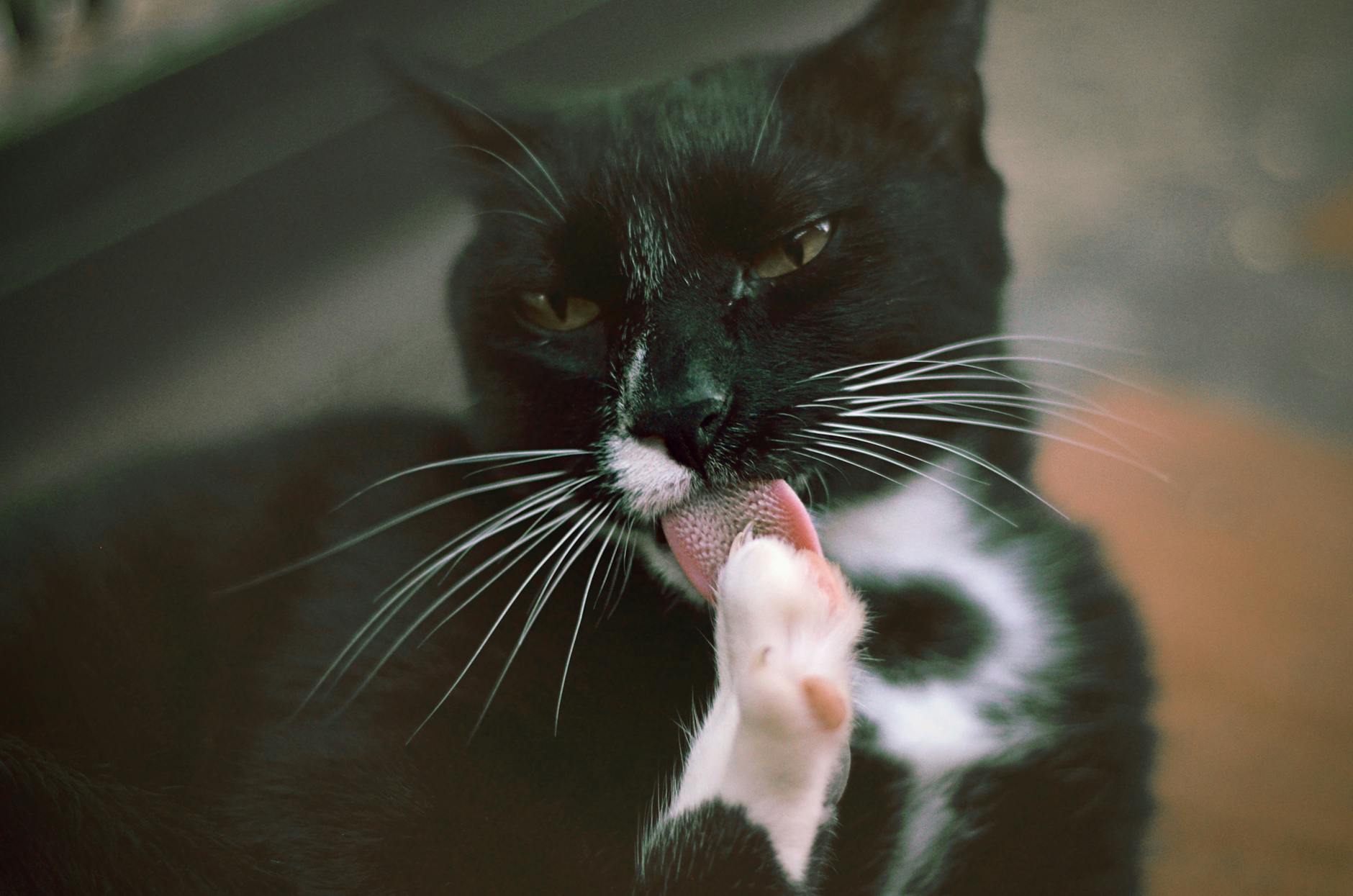
Your cat’s desire to lick your face after you eat is generally safe, but it comes with some important caveats that depend on what you’ve eaten and your cat’s individual health status. In most cases, a few licks from your cat won’t cause serious harm, especially if you’ve consumed common human foods like bread, fruit, or plain cooked chicken. However, certain foods and situations can pose genuine risks to your feline companion, so understanding when face-licking becomes problematic is important for responsible cat ownership.
Consider a typical scenario: you’ve just finished eating a peanut butter sandwich, and your cat jumps into your lap looking for affection. A few licks of residual peanut butter on your mouth are unlikely to cause immediate harm, but regular exposure to high-fat foods can contribute to pancreatitis or weight gain. The key is knowing which foods are dangerous and establishing boundaries that keep your cat safe while maintaining your bond.
Table of Contents
- What Foods Are Dangerous When Your Cat Licks Your Face?
- How Bacteria and Residual Food Particles Create Health Risks
- Understanding Your Cat’s Digestive Limitations
- Setting Boundaries While Maintaining Your Bond
- When to Worry About Underlying Health Issues
- Special Considerations for Kittens, Senior Cats, and Health-Compromised Cats
- Building Healthy Long-Term Habits
- Conclusion
- Frequently Asked Questions
What Foods Are Dangerous When Your Cat Licks Your Face?
Certain human foods pose significant threats to cats and should be kept completely away from your cat’s mouth. Chocolate contains theobromine, which cats metabolize poorly and can cause vomiting, diarrhea, rapid heart rate, and potentially fatal toxicity. Similarly, foods containing xylitol—a sugar substitute found in sugar-free gum, candy, and some peanut butter brands—trigger a rapid insulin release in cats that can cause severe hypoglycemia and liver failure. Garlic and onions, whether raw or cooked, damage cat red blood cells and cause hemolytic anemia, making any residue on your face a potential hazard.
Grapes and raisins represent another serious concern, though veterinarians still don’t fully understand why cats are susceptible to their toxins. Some cats develop kidney failure from even small amounts, while others seem unaffected, making them an unpredictable risk. Alcohol is especially dangerous since cats lack the enzymes to metabolize it and can suffer intoxication, tremors, and organ damage from minuscule quantities. High-fat meats like bacon or fried foods can trigger pancreatitis in cats with sensitive digestive systems, and avocado contains persin, a fungal toxin that causes gastrointestinal upset.
How Bacteria and Residual Food Particles Create Health Risks
Beyond toxic foods, the bacteria and particles left on your face present a different category of concern. Your mouth naturally contains bacteria like Staphylococcus aureus, Streptococcus species, and oral Candida that usually don’t harm you but can colonize your cat’s digestive tract. If your cat has a compromised immune system, existing digestive issues, or is very young or old, this bacterial exposure becomes more problematic.
A healthy adult cat with robust digestive bacteria can generally handle casual contact, but immunocompromised cats may develop secondary infections from the normal bacteria in your saliva. One important limitation is that you can’t visually assess whether your cat’s immune system is strong enough to handle the exposure. A cat recovering from surgery, on antibiotics, or living with feline leukemia virus (FeLV) or feline immunodeficiency virus (FIV) has significantly reduced bacterial tolerance. Additionally, if you’ve recently eaten spicy foods, acidic fruits, or foods with artificial additives, the chemical residue can irritate your cat’s mouth and digestive tract, causing mild inflammation or vomiting.
Understanding Your Cat’s Digestive Limitations
Cats are obligate carnivores with a digestive system optimized for meat, not the variety of foods humans consume. Their stomachs produce less amylase, the enzyme responsible for breaking down carbohydrates, which means foods like bread, pasta, and rice pass through less efficiently and can cause bloating or discomfort. If you’ve eaten a heavy carbohydrate-rich meal and your cat licks your face, they’re ingesting residues their system isn’t designed to process effectively.
Your cat’s sense of smell is fourteen times stronger than yours, meaning they can detect food compounds you’d never notice on your face. This heightened olfactory sense can actually be problematic because it attracts them repeatedly to your face after meals, creating a behavioral pattern that’s hard to break. For example, if you have pizza one evening and your cat licks your face, they’ll seek out that same interaction the next time they smell tomato sauce, garlic, or cheese on you, establishing a habit that becomes difficult to discourage.
Setting Boundaries While Maintaining Your Bond
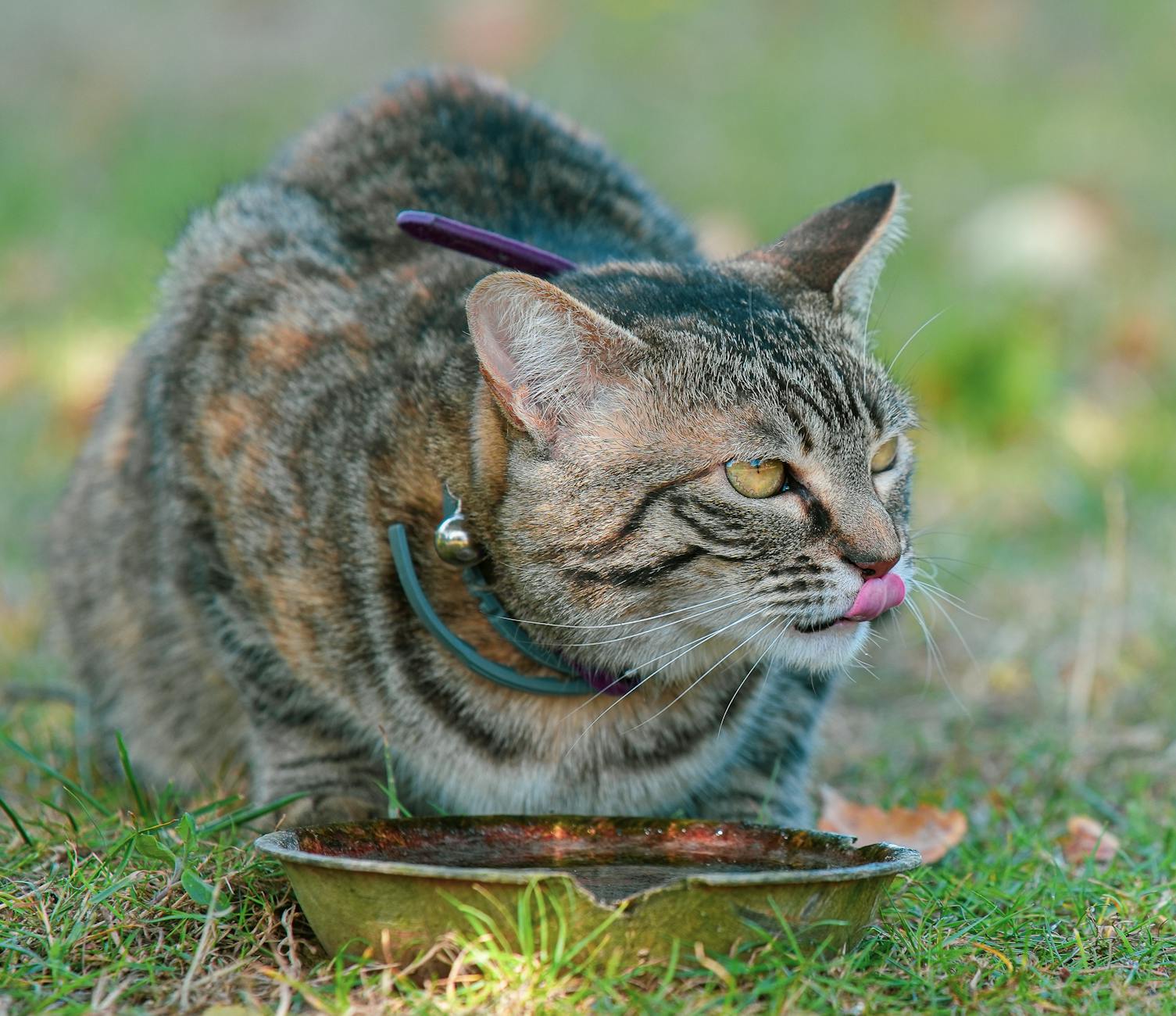
The most practical approach is to establish clear post-meal hygiene routines without rejecting your cat’s affection entirely. Washing your face, brushing your teeth, or rinsing your mouth with water immediately after eating eliminates most food residue and significantly reduces both the appeal and the risk. This takes minimal effort and prevents your cat from developing a strong association between you eating and face-licking opportunities. If you’re eating something you know is toxic, like chocolate or foods with xylitol, this boundary becomes non-negotiable.
Offering your cat an alternative reward after meals creates a positive redirection. Instead of allowing face-licking, you could redirect their attention to a favorite toy, a treat they’re allowed to have, or interactive play. The tradeoff is that this requires consistency—if you allow face-licking sometimes but not others, your cat will be confused and more persistent in their attempts. Some owners find success with designated “treat stations” where they sit with their cat after eating, allowing petting and interaction without face contact.
When to Worry About Underlying Health Issues
If your cat suddenly becomes obsessed with licking your face after meals when they previously showed no interest, this behavioral change can indicate underlying problems. Conditions like hyperthyroidism, diabetes, or oral pain can alter a cat’s appetite, metabolism, and fixation on food odors, causing them to seek out food-related stimulation more aggressively. Nutritional deficiencies, particularly zinc, iron, or B-vitamin deficiencies, sometimes trigger pica and food-seeking behavior.
These warning signs warrant a veterinary examination. Additionally, if your cat shows signs of gastrointestinal distress after licking your face—vomiting, diarrhea, loss of appetite, or lethargy—stop allowing the behavior immediately and consult your veterinarian. Some cats have food sensitivities that only become apparent after repeated exposure, meaning the first lick seems fine but cumulative exposure causes problems. Cats with existing inflammatory bowel disease, pancreatitis history, or kidney disease have lower tolerance for food residue and should have strict face-licking boundaries to prevent flare-ups.
Special Considerations for Kittens, Senior Cats, and Health-Compromised Cats
Young kittens under three months have immature immune and digestive systems and are far more vulnerable to bacterial colonization and food-related illness than adult cats. If you have a new kitten, being extra cautious about face-licking is worthwhile since their developing microbiome is easily disrupted. Senior cats over twelve years old often have compromised kidney function and digestive efficiency, making them more sensitive to food residues and bacterial exposure.
A twelve-year-old cat that once handled occasional face-licking without issue may develop problems as they age. For example, an older cat with early-stage chronic kidney disease may seem fine after licking your face, but the additional bacterial exposure and food particles tax their already-strained kidneys. Cats with diabetes require stricter food boundaries because any unscheduled food intake, even in tiny amounts from face-licking, affects their blood sugar regulation and insulin dosing.
Building Healthy Long-Term Habits
Understanding your cat’s individual risk profile allows you to make informed decisions rather than blanket prohibitions. Some cats can handle occasional face-licking without any health consequences, while others need strict boundaries to prevent illness. Monitoring your cat’s overall health—their weight, coat condition, energy level, and digestive health—gives you feedback about whether current boundaries are appropriate.
The relationship between hygiene habits and your cat’s health will become clearer over time. As you gather data about how your cat responds to different scenarios, you can adjust your approach accordingly. The goal isn’t to eliminate affection but to ensure that the physical intimacy you share with your cat supports their health rather than compromising it.
Conclusion
Face-licking is a normal feline behavior rooted in your cat’s desire for affection and their attraction to food odors. In most cases, occasional face-licking after meals poses minimal risk, especially if you maintain good post-meal hygiene and avoid feeding your cat toxic foods. However, the safest approach is to wash your face shortly after eating, establish behavioral boundaries that redirect this behavior toward safer interactions, and monitor your cat for any signs of digestive distress or health changes.
Your cat’s individual health status, age, and digestive robustness should inform how strictly you enforce these boundaries. By staying aware of which foods are dangerous, recognizing when your cat’s immune system may be compromised, and maintaining consistent routines, you can allow affectionate face-licking without taking unnecessary risks. Your veterinarian can provide personalized guidance based on your specific cat’s health history and dietary needs.
Frequently Asked Questions
Is cat saliva harmful to humans if my cat licks my face after eating?
While cat saliva can contain bacteria, human skin provides good protection against most feline oral bacteria. The bigger concern is what your cat ingests from your face, not what they transfer to you.
How long after eating should I wait before letting my cat lick my face?
The safest approach is to wash your face within minutes of finishing a meal. This eliminates residue that might contain dangerous compounds or excessive bacteria. If you’ve eaten something toxic like chocolate or foods with xylitol, avoid face contact entirely.
Can my cat get sick from licking my face after I eat meat?
Plain cooked meat residue is generally safe, but fatty meats can contribute to pancreatitis with repeated exposure. Meat that’s been seasoned with garlic, onion, or excess salt poses greater risks than unseasoned meat.
Should I discourage face-licking entirely or just after meals?
You don’t need to discourage all face-licking, just the behavior specifically tied to mealtimes. Many cats show affection through facial rubbing and light licking outside of eating contexts, which is completely safe and actually normal bonding behavior.
What should I do if my cat accidentally licks a toxic food off my face?
Most single incidents with small amounts of toxic food don’t cause immediate harm, but monitor your cat for vomiting, diarrhea, lethargy, or behavioral changes. Contact your veterinarian if you’re concerned or if symptoms develop.