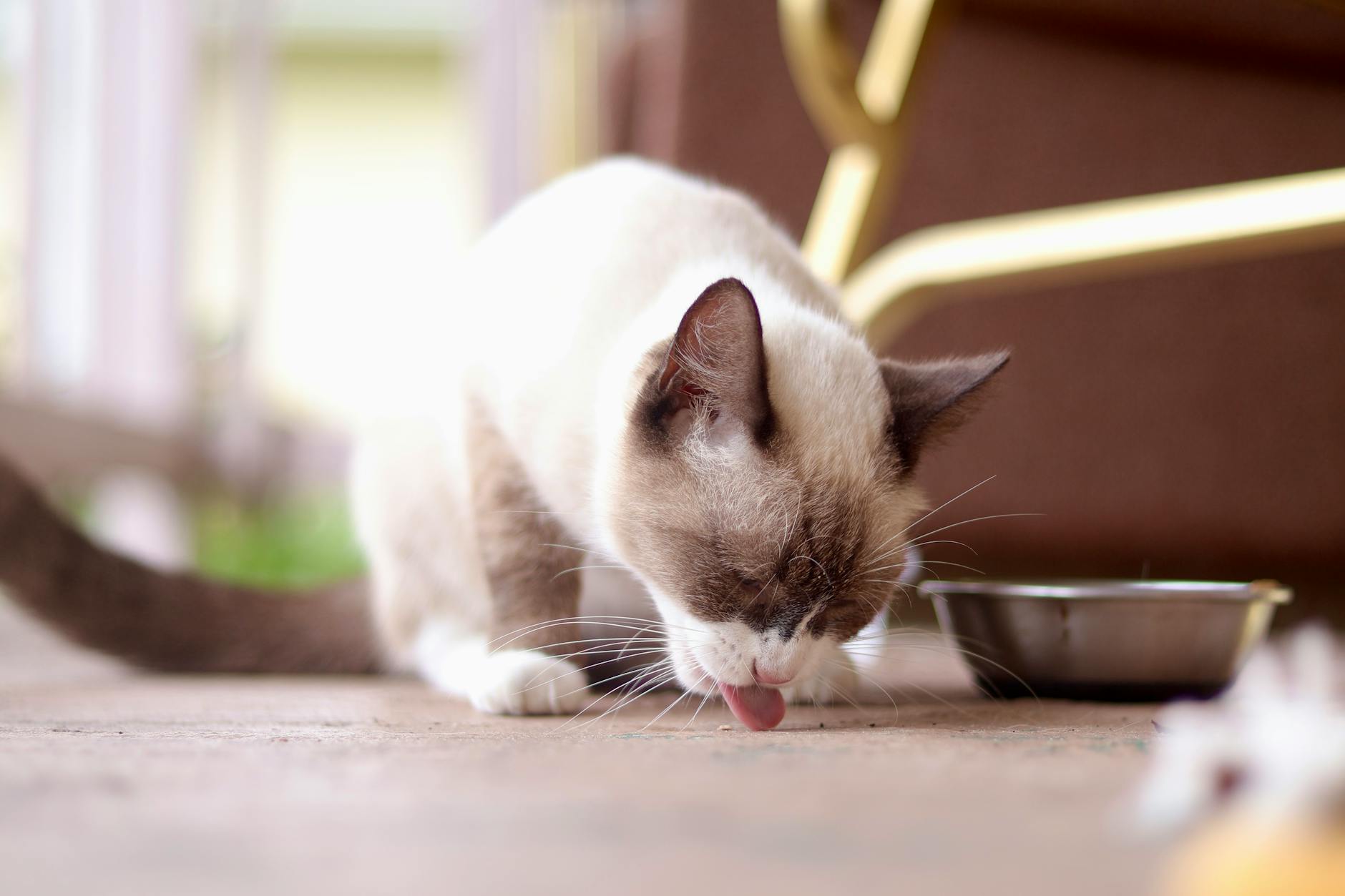
Cats should not lick bowls with peanut butter, and it’s important to prevent this from happening whenever possible. While a tiny taste of plain peanut butter likely won’t cause immediate harm, the risks significantly outweigh any potential benefits. Peanut butter is high in fat and protein that cats aren’t designed to process efficiently, and it can lead to digestive upset, pancreatitis, or more serious complications depending on the amount and the cat’s individual health status. The real danger lies in the fact that many peanut butter products contain xylitol, an artificial sweetener that is toxic to cats.
Even small amounts of xylitol can cause liver damage and dangerous drops in blood sugar. Additionally, the thick, sticky nature of peanut butter poses a choking hazard for cats, particularly kittens or senior cats with dental issues. A cat that gets peanut butter stuck to the roof of its mouth can become distressed and may have difficulty swallowing or breathing. If your cat has already licked a small amount of plain peanut butter with no xylitol, monitor them closely for vomiting, diarrhea, lethargy, or loss of appetite over the next 24 hours. However, the safest approach is to keep all peanut butter products out of reach entirely and never deliberately offer it to your cat as a treat.
Table of Contents
- CAN CATS DIGEST PEANUT BUTTER SAFELY?
- XYLITOL TOXICITY AND PEANUT BUTTER PRODUCTS
- CHOKING HAZARDS AND MOUTH INJURIES
- SAFER ALTERNATIVES TO PEANUT BUTTER FOR CAT TREATS
- RECOGNIZING PEANUT BUTTER POISONING SYMPTOMS
- BEHAVIORAL TRAINING TO PREVENT ACCESS
- UNDERSTANDING INDIVIDUAL CAT RISK FACTORS
- Conclusion
- Frequently Asked Questions
CAN CATS DIGEST PEANUT BUTTER SAFELY?
cats are obligate carnivores, meaning their digestive systems are designed to process meat and animal-based proteins, not plant-based fats and proteins like those found in peanut butter. While cats can technically consume small amounts of peanut without serious acute poisoning, peanut butter presents different challenges due to its processed nature and added ingredients. The high fat content in peanut butter can trigger pancreatitis, an inflammation of the pancreas that causes severe abdominal pain, vomiting, and in severe cases, can be life-threatening.
The caloric density of peanut butter is another concern for cats. Just one tablespoon of peanut butter contains around 95 calories, which represents a significant portion of a typical indoor cat’s daily caloric needs (most cats need 150-250 calories per day). Giving a cat peanut butter as an occasional treat can quickly lead to obesity, which brings its own set of health problems including diabetes, joint issues, and reduced lifespan. For a cat, consuming peanut butter is metabolically inefficient and provides little nutritional value compared to species-appropriate treats like cooked chicken or fish.
XYLITOL TOXICITY AND PEANUT BUTTER PRODUCTS
The most serious risk associated with peanut butter for cats is xylitol, an artificial sweetener commonly found in sugar-free and low-carb peanut butter brands. Xylitol is rapidly absorbed into a cat’s bloodstream and causes a sudden release of insulin from the pancreas, leading to severe hypoglycemia (low blood sugar) within 30 minutes to an hour. Symptoms include weakness, trembling, loss of coordination, seizures, and even coma if left untreated. Additionally, xylitol causes liver necrosis (tissue death) within 72 hours of ingestion, leading to liver failure. The challenge is that xylitol toxicity is dose-dependent, meaning even a small amount can be dangerous for cats due to their much smaller body size compared to dogs.
A cat that weighs 10 pounds needs only 0.1 grams of xylitol to potentially cause hypoglycemia, yet many sugar-free peanut butter products contain several grams per serving. Many cat owners assume they’re being health-conscious by choosing sugar-free peanut butter, not realizing they’re actually selecting the more dangerous option for their pet. The limitation here is that xylitol may not always be clearly labeled on peanut butter jars, particularly older stock or products from certain manufacturers. Always check the ingredient list thoroughly, even on brands you’ve purchased before, as manufacturers can change formulations without notice. If your cat has ingested any peanut butter product and you cannot confirm the ingredient list, contact your veterinarian immediately rather than waiting for symptoms to develop.
CHOKING HAZARDS AND MOUTH INJURIES
Peanut butter’s thick, sticky consistency makes it particularly problematic for cats, which have smaller mouths and different swallowing mechanisms than humans. When a cat licks peanut butter, it can stick to the roof of the mouth, the sides of the tongue, and even coat the esophagus. A panicked cat may struggle to swallow or breathe, creating a genuine choking emergency that requires immediate veterinary intervention.
This risk is amplified in kittens, who are more prone to exploring and testing things with their mouths, and in senior cats with dental disease or decreased swallowing ability. Some cats may also attempt to paw at their mouth or face if peanut butter feels uncomfortable, potentially causing minor mouth abrasions or tooth damage. While these injuries are typically superficial, they can become infected and cause secondary problems. Cats with existing dental disease are at higher risk, as even minor trauma can lead to complications like tooth root infections or gum disease progression.

SAFER ALTERNATIVES TO PEANUT BUTTER FOR CAT TREATS
If you’re looking for special treats to offer your cat, there are numerous cat-specific options that provide nutritional value without the risks. Cooked chicken breast, turkey, or lean beef are excellent protein sources that align with a cat’s carnivorous diet. These can be offered plain or mixed into regular food as a high-value reward. Another popular option is freeze-dried meat treats, which maintain the nutritional profile of raw meat but without safety concerns, and they dissolve easily without creating choking hazards.
Fish-based treats like freeze-dried salmon or sardines (in moderation) are also appreciated by most cats and provide omega-3 fatty acids that support coat and skin health. Commercial cat treats formulated specifically for felines are another option, though it’s worth reading the ingredient list to avoid products with excessive fillers or additives. Interestingly, some cats also enjoy small amounts of plain cooked pumpkin or melon, which can provide hydration and fiber without the risks associated with peanut butter. The key difference is that these alternatives are metabolically appropriate for cats and won’t stress their digestive systems.
RECOGNIZING PEANUT BUTTER POISONING SYMPTOMS
If your cat has ingested peanut butter containing xylitol or a significant amount of regular peanut butter, knowing the warning signs is critical for getting prompt treatment. Early symptoms of xylitol poisoning include weakness, trembling, vomiting, lethargy, and loss of appetite. These can progress within hours to loss of coordination, inability to stand, seizures, and collapse. The challenge is that some of these symptoms can resemble other feline health issues, so contact your veterinarian immediately if you suspect ingestion and note the time it occurred.
Pancreatitis from high-fat foods typically presents with abdominal pain (indicated by a hunched posture or reluctance to move), vomiting, diarrhea, and loss of appetite. These symptoms may not appear for several hours or even a day after ingestion, which is why monitoring is essential even if your cat seems fine initially. Blood work can confirm pancreatitis and reveal liver damage or electrolyte imbalances. A limitation of veterinary treatment is that there is no antidote for xylitol; treatment focuses on managing the symptoms and supporting the cat’s liver and kidney function while the body processes the toxin.
BEHAVIORAL TRAINING TO PREVENT ACCESS
Teaching your cat not to investigate peanut butter or other dangerous foods is more effective than relying on luck or perfect kitchen management. If your household uses peanut butter regularly, store it in a securely closed cupboard or pantry that your cat cannot access, even with climbing or exploration. For cats that are particularly food-motivated or curious, this may mean placing peanut butter in a locked container or a high cabinet behind closed doors, rather than on open shelves or countertops.
If you catch your cat attempting to investigate peanut butter, a firm “no” followed by redirection to an appropriate toy or activity can reinforce that this food is off-limits. Some cat owners use deterrent sprays with bitter tastes on containers, though this works inconsistently with cats since their taste preferences differ from those of dogs. The most reliable prevention method is simply to keep peanut butter away from areas where cats have unsupervised access, particularly when children are snacking and might leave bowls unattended.
UNDERSTANDING INDIVIDUAL CAT RISK FACTORS
Some cats face higher risks from peanut butter ingestion than others, depending on their age, health status, and existing conditions. Kittens have immature digestive systems and liver detoxification pathways, making them more vulnerable to both choking and toxins. Senior cats, particularly those with dental disease, pancreatitis history, or kidney disease, are at heightened risk for serious complications from the high fat and protein content.
Cats with diabetes are at particular risk from xylitol’s effects on blood sugar, and even a tiny amount could be dangerous. Cats with a history of food sensitivities or digestive issues are also more likely to experience severe vomiting and diarrhea from peanut butter’s fatty nature. Looking ahead, as peanut butter alternatives and human food products continue to evolve, remaining vigilant about new ingredients and their safety for cats becomes increasingly important. Staying informed through veterinary resources rather than assuming products are safe simply because they’re marketed as “natural” or “healthy” is essential for protecting your cat’s long-term health.
Conclusion
The straightforward answer is that cats should not lick bowls with peanut butter. The combination of choking hazards, digestive upset risk, high fat content that can trigger pancreatitis, and the potential presence of xylitol makes peanut butter an unsafe food for felines. The small pleasure your cat might experience from licking a bowl is not worth the potential emergency veterinary visit or even worse outcomes that could result.
If your cat has already had exposure to peanut butter, monitor closely for any signs of distress or illness, and contact your veterinarian if symptoms develop. For ongoing prevention, keep all peanut butter products securely stored and offer species-appropriate treats instead. By understanding the specific risks that human foods pose to cats and making informed feeding choices, you can help ensure your cat enjoys a long, healthy life free from preventable digestive emergencies or poisoning incidents.
Frequently Asked Questions
Is a tiny lick of peanut butter dangerous for cats?
Even a small amount can be risky, particularly if it contains xylitol, which is toxic to cats. Plain peanut butter in very small amounts is less immediately dangerous than xylitol-containing varieties, but it still poses choking hazards and digestive stress.
What should I do if my cat ate peanut butter?
Call your veterinarian immediately, especially if you don’t know the peanut butter’s ingredients or the amount consumed. Provide information about the time of ingestion and any symptoms you’ve noticed. If xylitol was present, treatment should begin as soon as possible.
Are there any safe nut butters for cats?
Most nut butters are problematic for cats due to their high fat content and other additives. There are no nut butters that are truly recommended as safe cat treats; it’s best to stick with species-appropriate options like cooked poultry or commercial cat treats.
Can cats tolerate peanut butter better than dogs?
No—cats are actually at greater risk. Their smaller body size means even smaller amounts of xylitol are dangerous, and their digestive systems handle high-fat foods worse than dogs. What might be safe in moderation for a dog is often unsafe for a cat.
How can I tell if peanut butter contains xylitol?
Check the ingredient list on the jar. Xylitol should be listed among the ingredients if it’s present. Be aware that formulations can change, so check each time you purchase. When in doubt, contact the manufacturer or assume xylitol may be present and keep the product away from your cat.
What are the first signs my cat is having a reaction to peanut butter?
Watch for vomiting, diarrhea, lethargy, weakness, trembling, loss of coordination, or behavioral changes within the first few hours to 24 hours after ingestion. Abdominal pain (indicated by a hunched posture) and loss of appetite are also red flags that warrant immediate veterinary attention.