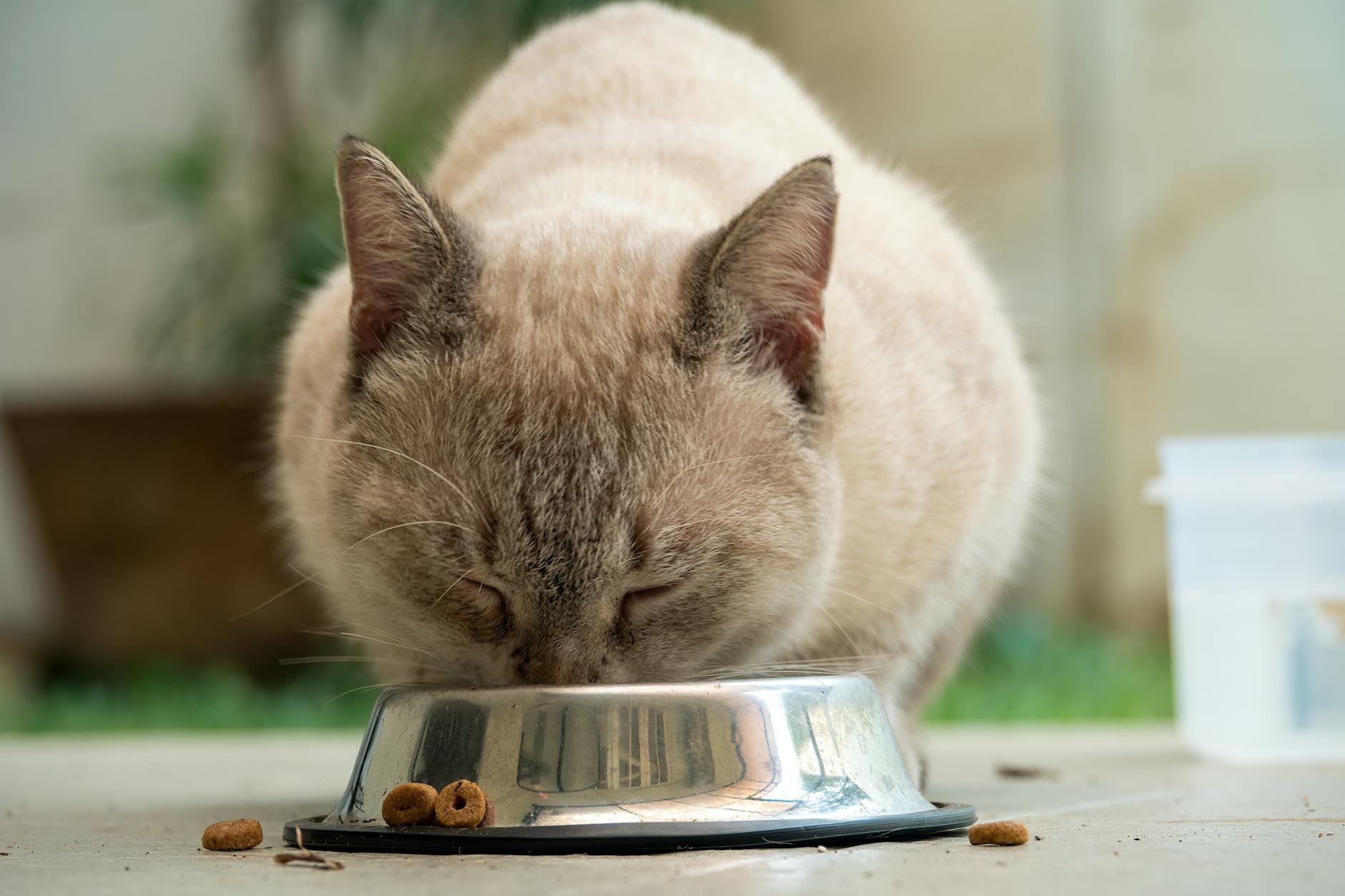
No, it is not safe for cats to eat food off the floor. While the occasional dropped piece of human food may not cause serious harm, regular consumption of floor-dropped items exposes your cat to bacteria, parasites, mold, and other contaminants that can trigger illness. A cat eating a bit of chicken that fell on the kitchen tile might be fine, but that same floor could harbor salmonella from raw poultry prep, listeria from produce washing, or harmful substances from cleaning products—any of which could make your cat seriously sick.
The risk varies depending on what’s on the floor, how clean your kitchen is, and your cat’s age and health status. Kittens, senior cats, and those with compromised immune systems face higher danger from floor-eating behavior. Additionally, certain foods themselves are toxic to cats, and the floor doesn’t make a toxic food safe just because it fell there. Your responsibility is to prevent this behavior rather than rely on luck.
Table of Contents
- What Bacteria and Pathogens Lurk on Kitchen Floors?
- Why Floor-Eating Behavior Becomes a Health Problem Over Time
- What Foods Are Toxic to Cats, Floor or Not?
- How Should You Prevent This Behavior?
- Signs Your Cat Has Eaten Something Harmful from the Floor
- Older Cats and Kittens Face Greater Risk
- The Bigger Picture of Feline Nutrition and Health
- Conclusion
What Bacteria and Pathogens Lurk on Kitchen Floors?
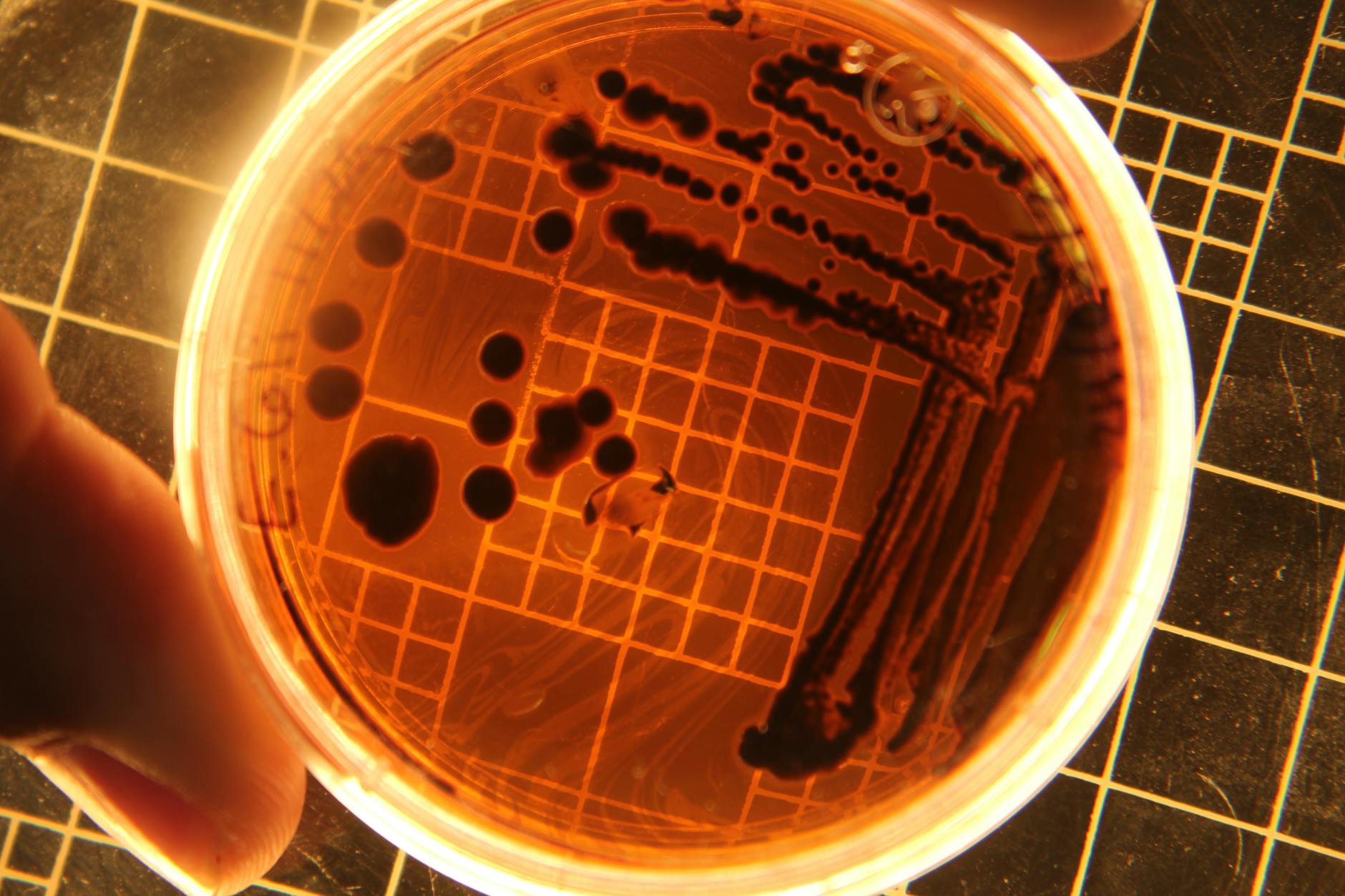
Your kitchen floor is a harbor for countless microorganisms. Even if you clean regularly, bacteria like E. coli, salmonella, and listeria can persist in microscopic crevices. If you’ve prepared raw chicken, handled unwashed produce, or dealt with meat juices, those pathogens can spread to the floor and contaminate food that touches it—whether your cat eats it or a human does. A cat’s digestive system can handle some bacteria that might bother humans, but this doesn’t mean floors are safe for feline consumption.
Parasites present another serious threat. Roundworms, hookworms, and other intestinal parasites can survive on floors and be ingested when a cat eats dropped food. Unlike the temporary upset stomach from spoiled food, parasites can establish infections that cause chronic weight loss, diarrhea, and nutritional deficiencies. A cat that regularly eats floor food might develop a worm infection that goes unnoticed until symptoms become severe. Mold is equally concerning—it produces mycotoxins that can damage a cat’s liver or kidneys.
Why Floor-Eating Behavior Becomes a Health Problem Over Time
While one piece of dropped food rarely causes immediate illness, the behavior itself creates cumulative risk. A cat that regularly scavenges from the floor is more likely to eventually ingest something genuinely dangerous. This habit can also mask underlying medical issues—a cat excessively searching for fallen food might be showing signs of hyperthyroidism, diabetes, or pica (a condition causing abnormal eating behaviors), and the floor-eating masks these symptoms. The limitation with relying on “my cat seems fine” is that some infections develop slowly.
A cat can carry parasites or a low-grade bacterial infection without showing obvious symptoms for weeks. By the time you notice weight loss or vomiting, the problem has progressed significantly. Prevention is far more effective than waiting to treat illness after it develops. Additionally, some floor contaminants cause cumulative organ damage—repeated exposure to mold or heavy metals (from certain cleaning products) can harm the liver or kidneys before symptoms appear.
What Foods Are Toxic to Cats, Floor or Not?
Some foods are dangerous to cats regardless of where they came from. chocolate, grapes, raisins, onions, garlic, and xylitol (a sweetener in some sugar-free products) are all toxic to cats. If your cat eats a grape that fell on the kitchen floor, the floor adds bacterial risk on top of the toxicity already present in the food itself. A piece of dark chocolate found on the carpet is doubly dangerous—contaminated and toxic.
This means you can’t assume that dropped food is low-risk just because it came from your own kitchen. Processed foods, fatty table scraps, and foods with excessive salt or spices are also problematic. A cat eating a piece of salted deli meat from the floor might face both bacterial contamination and excessive sodium intake. Your floor doesn’t improve any of these foods for feline consumption; it only adds risk. Parents who cook with garlic or onions need to be especially vigilant, as these foods are quietly toxic to cats but might seem like innocent dropped pieces.
How Should You Prevent This Behavior?
The best approach is managing your environment rather than accepting floor-eating as inevitable. Keep your kitchen floor clean—not just visibly, but frequently—by sweeping and wiping down areas where food prep happens. More importantly, prevent the behavior itself by being aware of dropped food before your cat reaches it. If your cat drops food regularly or shows interest in the floor, you need to act quickly. Some cat owners find that feeding their cat at designated times (rather than free-feeding) helps, because there’s less temptation to search the floor between meals.
Training your cat to ignore dropped food is possible but requires consistency. If your cat eats something from the floor, avoid making it a game by chasing or scolding, which can reinforce the behavior. Instead, redirect attention to toys or treats offered from your hand. The trade-off is that this training takes time and won’t work for all cats—some are persistent scavengers by nature. In those cases, supervision and environmental control are your best tools. Consider feeding your cat in a separate room or using a closed-off kitchen area when you’re preparing food, so your cat isn’t tempted by dropped items.
Signs Your Cat Has Eaten Something Harmful from the Floor
If your cat does eat floor food and you’re concerned, watch for vomiting, diarrhea, loss of appetite, lethargy, or abdominal pain. These signs can appear within hours or take days to develop, depending on what was ingested. A cat that ate something truly contaminated might show acute illness quickly, while a cat that ingested parasites might not show symptoms for weeks. Liver damage from mold toxins might not be apparent until routine bloodwork reveals elevated enzymes.
The warning here is not to dismiss a single incident—if your cat shows any of these signs after eating floor food, contact your veterinarian. Don’t wait for symptoms to worsen or assume it will pass. Bacterial infections, parasitic infections, and poisonings are all treatable when caught early, but delaying care can mean the difference between a simple course of antibiotics and expensive hospitalization. Keep your vet’s number accessible and don’t hesitate to call for advice if you’re unsure.
Older Cats and Kittens Face Greater Risk
Senior cats have weaker immune systems and are more vulnerable to infection from floor-eating. Their digestive systems are also more delicate, making them prone to severe reactions from contaminated food. A 15-year-old cat that eats floor food faces much higher risk than a healthy 5-year-old.
Similarly, kittens lack fully developed immune systems and can become seriously ill from pathogens that an adult cat might shake off. Kittens are also curious and more likely to mouth or eat found objects, making them frequent floor-eaters. If you have a kitten, you need to be especially vigilant about floor cleanliness and quick to intercept dropped food. The stakes are higher because kitten illness can progress rapidly and cause dehydration or malnutrition more quickly than in adults.
The Bigger Picture of Feline Nutrition and Health
Providing proper nutrition through measured, appropriate meals is the foundation of feline health. Floor-scavenging is a distraction from this goal and, more importantly, a sign that something might need addressing. If your cat is constantly searching for dropped food, it might be hungry—check whether you’re feeding enough.
If your cat is overweight and scavenging, increasing activity and reducing overall food intake is the solution, not permitting floor-eating. Looking forward, as awareness of zoonotic diseases (illnesses that spread between animals and humans) continues to grow, the importance of preventing animals from consuming contaminated food also becomes clearer. Cats that eat from floors can harbor pathogens that affect their own health and potentially create disease reservoirs in your home. The trend in pet health is toward prevention and environmental management rather than treatment of avoidable illnesses.
Conclusion
Your cat’s safety depends on preventing floor-eating rather than relying on it happening to be okay. The risks—bacteria, parasites, mold, toxins, and contamination—are real and cumulative. Even though a single piece of dropped food might not cause visible illness, the behavior itself is unsafe and should be actively discouraged through environmental control, quick removal of dropped food, and consistent training.
Focus on feeding your cat appropriate meals on a schedule, keeping your kitchen floor clean, and supervising food preparation areas. If your cat does eat something from the floor and shows any signs of illness, contact your veterinarian promptly rather than waiting to see if symptoms resolve on their own. Preventing the behavior entirely is always safer than managing the consequences.