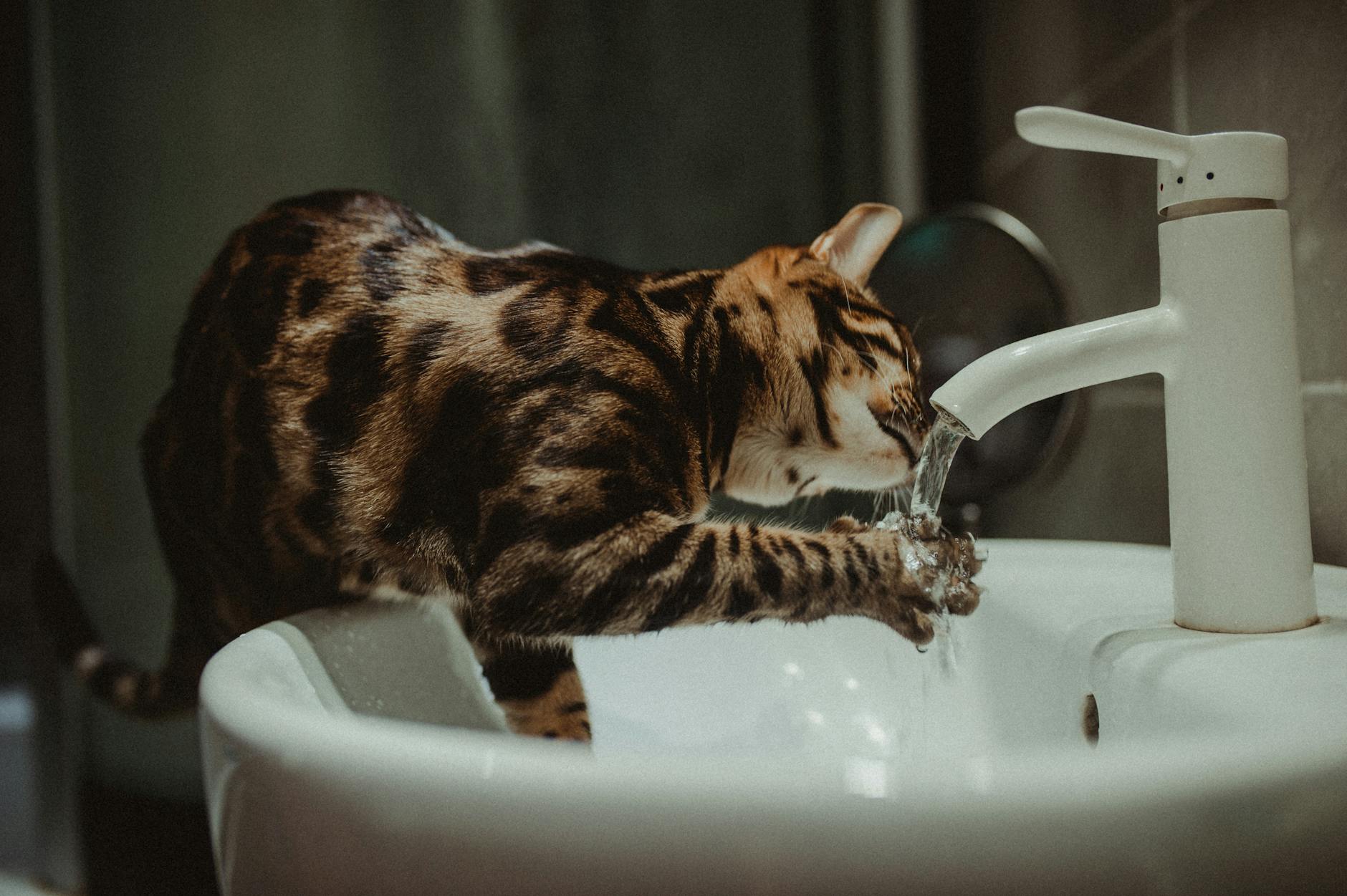
No, it is not safe for cats to drink from hot tubs. The combination of high water temperature, chemical treatment, and mineral content makes hot tub water dangerous for feline consumption. A single drink from a hot tub can expose your cat to chlorine, bromine, pH adjusters, and other sanitizing chemicals that may cause gastrointestinal upset, chemical burns to the mouth and throat, and systemic toxicity depending on the chemical concentration and your cat’s individual sensitivity. For example, a cat named Whiskers who drank from her owner’s hot tub in Arizona developed vomiting and diarrhea within hours because the tub had been treated with a shock treatment the previous day.
Beyond chemical exposure, hot tubs create secondary health risks. The warm water temperature—typically 104°F (40°C)—can cause hyperthermia, dehydration, and electrolyte imbalances if a cat were to drink enough of it. Additionally, cats that wade in hot water face risks of scalding their paw pads, which are sensitive and not adapted for prolonged exposure to elevated temperatures. The stakes are high enough that prevention through simple management strategies should be a priority for any cat owner with a hot tub on their property.
Table of Contents
- What Makes Hot Tub Water Hazardous to Cats?
- Temperature and Dehydration Risks
- Chemical Accumulation and Long-Term Exposure
- How to Prevent Your Cat From Accessing Hot Tub Water
- Recognizing Signs of Hot Tub Chemical Poisoning in Cats
- Safe Water Sources and Alternatives for Indoor Cats
- Managing Hot Tub Ownership and Feline Safety Long-Term
- Conclusion
What Makes Hot Tub Water Hazardous to Cats?
Hot tub water contains multiple hazardous components specifically designed to prevent bacterial growth and maintain clarity in human bathing environments, but these same chemicals are toxic to cats. Chlorine and bromine are the primary sanitizers used in most hot tubs, and both are corrosive to feline tissues. When a cat ingests even small amounts of chlorinated water, the chlorine can damage the lining of the mouth, esophagus, and stomach. Bromine, while sometimes chosen as an alternative because it’s gentler on human skin, is equally problematic for cats and may be more persistent in causing irritation.
Beyond the primary sanitizers, hot tub operators typically add pH adjusters (sodium carbonate or sodium bisulfate), alkalinity increasers, calcium hardness adjusters, and shock treatments. These chemicals work together to keep the water safe for humans but create a toxic soup for felines. A cat who drinks from a hot tub that has just undergone shock treatment faces particularly acute risk because the chlorine or bromine concentration spikes dramatically during this process. Some hot tubs also contain algaecides and clarifiers, which add another layer of chemical exposure that a cat’s liver and kidneys may struggle to process.
Temperature and Dehydration Risks
The elevated temperature of hot tub water presents a distinct danger separate from chemical exposure. Normal drinking water for cats should be room temperature or slightly cool; the warm temperature of a hot tub may actually encourage a cat to drink more than they normally would, increasing their chemical exposure. A cat that consumes large quantities of hot water can develop dehydration as the warm liquid increases their core body temperature and accelerates fluid loss through respiration and urination. cats have a lower heat tolerance than humans and lack efficient cooling mechanisms like sweating.
When a cat’s body temperature rises above normal (normal feline body temperature is 100.5°F to 102.5°F), they enter heat stress, which can progress to heat exhaustion or heat stroke. This is particularly concerning for senior cats, very young kittens, and breeds with compromised respiratory systems like Persians and Bengals. While drinking warm water alone may not cause full heat stroke, it contributes to the overall thermal burden. A limitation to note is that not all cats will recognize hot tub water as dangerous; some may be attracted to it during hot weather when they’re seeking any available water source, making owner vigilance essential.
Chemical Accumulation and Long-Term Exposure
Even if a cat doesn’t drink directly from a hot tub, they can experience chemical exposure through less obvious routes. Cats that splash in hot tub water and then groom their fur ingest the chemicals that cling to their coat. The cat’s tongue acts as a bio-concentrator, drawing additional chlorine or bromine from wet fur during grooming sessions. Over time, repeated exposure to low levels of these chemicals can accumulate in the cat’s tissues, leading to chronic health issues like digestive problems, liver stress, or allergic skin reactions.
The mineral content of hot tub water also poses a concern. Hot tubs often have higher concentrations of calcium, magnesium, and other minerals than regular water, which can contribute to urinary crystal formation in cats predisposed to feline lower urinary tract disease (FLUTD). A warning here: cats with existing urinary issues, kidney disease, or metabolic problems face amplified risk from hot tub exposure and should be kept far from any environment where they might drink chemically treated water. Additionally, some hot tub owners use salt-based sanitizing systems, which introduce sodium into the water—a substance that cats should consume in only minimal quantities according to feline dietary guidelines.

How to Prevent Your Cat From Accessing Hot Tub Water
The most straightforward protection is physical barriers. Install a secure, lockable hot tub cover whenever the tub is not in active use, and choose a cover that cats cannot push aside or dig under. Many modern hard covers are designed with locking mechanisms and heavy-duty materials that deter both human and animal tampering. If you use a soft cover or bubble cover, reinforce it with additional securing straps or weights to prevent determined cats from finding gaps.
Establishing a cat-free zone around the hot tub through fencing, room doors, or architectural design is equally important. A comparison: a household with an indoor hot tub has more options for containment than one with an outdoor hot tub. For outdoor hot tubs, consider installing a pet-safe fence that keeps cats away while allowing water drainage and maintenance access. Some owners use decorative pet gates or retractable barriers when the tub is not covered. Always supervise outdoor time with your cat in any area where a hot tub is present, even if you have installed barriers—determined cats can find ways around physical obstacles.
Recognizing Signs of Hot Tub Chemical Poisoning in Cats
If your cat has drunk from a hot tub, knowing the warning signs of poisoning is critical. The initial symptoms typically appear within 30 minutes to 2 hours and include excessive drooling, vomiting, and diarrhea. A cat may also show signs of oral pain, such as pawing at the mouth, refusing food, or making unusual meowing sounds. Some cats develop chemical burns on the tongue or gums that are visible as red, blistered, or raw tissue.
In more severe cases, symptoms can escalate to lethargy, difficulty breathing, tremors, or loss of consciousness. These indicate serious systemic toxicity requiring immediate veterinary emergency care. A limitation to mention: even mild symptoms warrant a veterinary phone call because it’s difficult to determine how much chemical a cat ingested or how concentrated that chemical was. The safest approach is to assume any accidental ingestion is serious and seek professional evaluation. If you know when your cat drank from the tub, inform your veterinarian of the chemicals in the water (check your tub’s treatment records), as this helps guide treatment decisions.
Safe Water Sources and Alternatives for Indoor Cats
Provide your cat with multiple sources of fresh, cool water throughout your home. Cats are more likely to drink adequate water when they have appealing options, which reduces the likelihood they’ll seek out unsafe water sources like hot tubs out of desperation or curiosity. Running water fountains designed for cats encourage drinking through movement and sound; these are particularly effective for indoor cats and can be placed in any room of your home away from the hot tub area.
For cats that seem to prefer warm water, you can offer slightly warmed water in a bowl placed away from the hot tub, though this should never replace cool water options. Some cats enjoy water from a ceramic or glass dish over plastic, so experimenting with materials may help increase voluntary water intake. A practical example: a household with an indoor hot tub in the guest bathroom benefits from placing multiple water bowls in the main living areas, bedrooms, and other spaces the cat frequents, ensuring the cat’s primary water access is far from the hot tub environment.
Managing Hot Tub Ownership and Feline Safety Long-Term
Cat owners who maintain hot tubs should implement routine management practices that support feline safety. This includes maintaining a maintenance log documenting all chemicals added to the tub, regular testing of water chemistry to track chemical levels, and keeping backup documentation of product safety sheets for all chemicals used. If you ever need to discuss your cat’s exposure with a veterinarian, this information becomes invaluable for treatment decisions.
Looking forward, emerging alternatives to chlorine and bromine-based sanitizing systems—such as UV or ozone-based systems—may eventually offer safer options for households with cats. However, these systems are more expensive and less common than chemical treatment. In the meantime, the combination of physical barriers, clear safety policies for anyone using your hot tub, and consistent cat supervision remains the gold standard for protecting your feline companion in a home with this amenity.
Conclusion
Hot tub water is unsafe for cats to drink due to chemical sanitizers, elevated temperature, and mineral content that can cause acute illness or contribute to chronic health problems. The risk extends beyond direct ingestion to include secondary exposure through grooming of wetted fur and cumulative exposure over time.
By implementing physical barriers, maintaining multiple safe water sources, and supervising outdoor time, you can effectively eliminate this hazard from your cat’s environment. If your cat has already been exposed to hot tub water, contact your veterinarian immediately and provide information about which chemicals were present in the tub at the time of exposure. Prevention remains far easier and safer than treatment, so prioritize securing your hot tub with a lockable cover and establishing clear boundaries between your cat and any area where chemically treated water is stored or used.