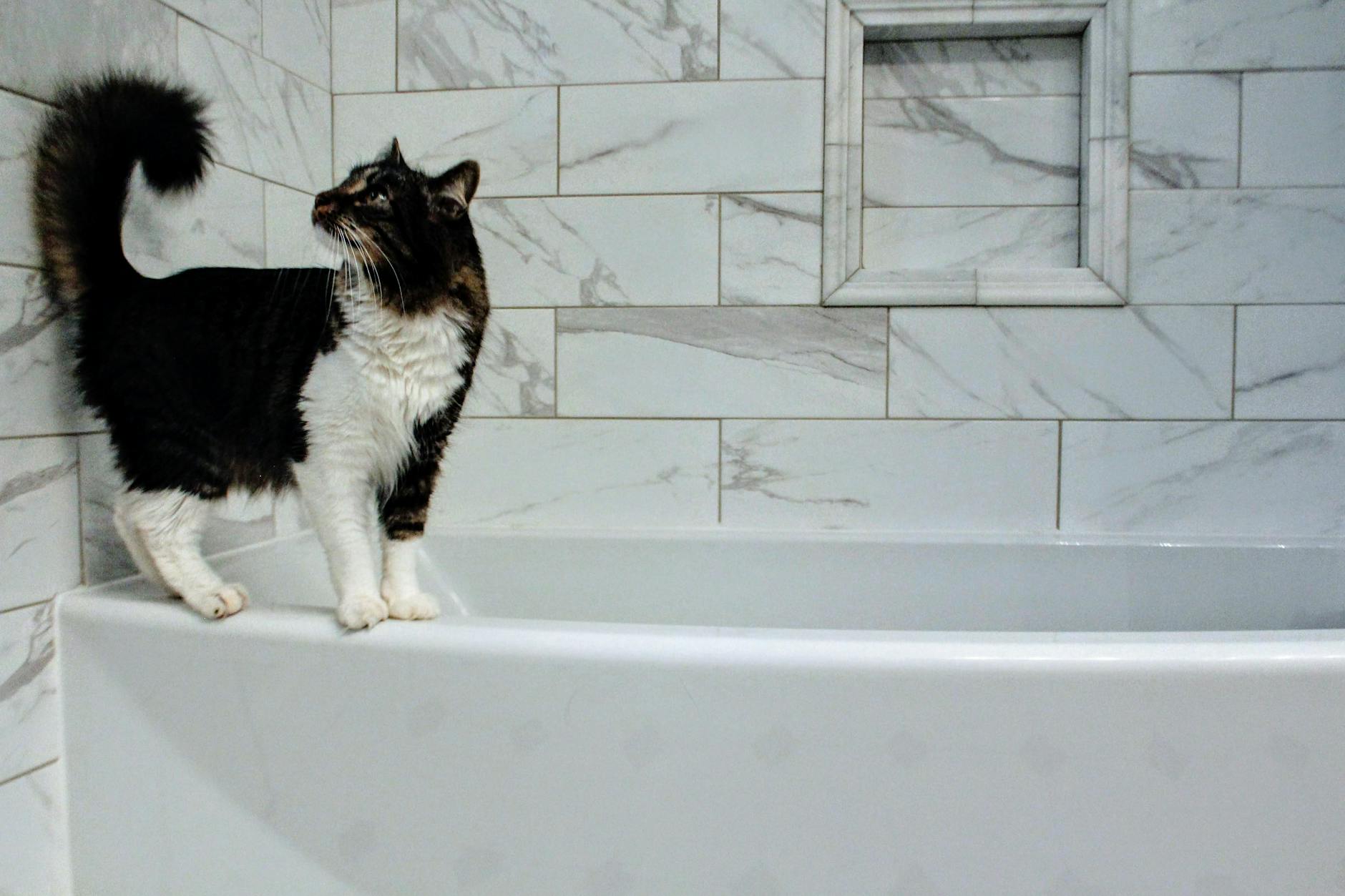
Bathtub water is generally not safe for cats to drink on a regular basis, though a single sip from occasional contact is unlikely to cause serious harm. While cats can survive drinking small amounts of bathtub water, the water often contains soap residue, shampoo, hair, and bacteria that accumulate during bathing. A cat lapping from a bathtub after human bathing has been completed risks ingesting chemical residues and potentially harmful microorganisms that their stomach may not be equipped to handle efficiently.
The primary concern isn’t dramatic poisoning from a single incident but the cumulative effects and potential for gastrointestinal upset from repeated exposure. Many cats are naturally drawn to running or standing water because it seems fresher than stagnant water in bowls, which is why some feline behavior experts recommend pet water fountains as an alternative. Your cat’s fascination with bathtub water is rooted in instinct, but there are safer ways to satisfy this preference.
Table of Contents
- What Makes Bathtub Water Different From Drinking Water
- Chemical Residues and Health Risks
- Bacteria and Pathogens in Standing Water
- Safe Alternatives to Bathtub Water
- Signs of Illness After Drinking Questionable Water
- Behavioral Training and Prevention
- Long-Term Considerations for Feline Hydration
- Conclusion
What Makes Bathtub Water Different From Drinking Water
Bathtub water differs significantly from fresh drinking water in several ways that matter for feline health. The surface of bathwater often contains a thin film of soap, shampoo residue, and body oils that don’t fully rinse away, creating an unappetizing and potentially irritating environment for your cat‘s digestive system. Unlike humans, cats lack the ability to process certain chemicals and surfactants used in personal care products, making even small amounts problematic over time.
The mineral content in bathtub water varies based on your local water supply, but many areas have “hard water” with elevated calcium and magnesium levels that can contribute to urinary blockages in cats, particularly males. Additionally, hair shedding from human bathing accumulates in the tub, and your cat may ingest these strands while drinking, potentially leading to hairballs or intestinal blockages. If you use bubble bath or bath bombs, the risk increases substantially since these products contain concentrated chemicals designed to dissolve and remain suspended in water.
Chemical Residues and Health Risks
The chemical compounds found in bathtub water after human washing pose real risks to feline health. Shampoos, body washes, and soaps contain surfactants that can irritate a cat’s mouth, throat, and digestive tract. These irritants may trigger vomiting or diarrhea, especially in sensitive cats or kittens whose digestive systems are still developing. Some cats show no immediate reaction but develop chronic digestive issues from repeated low-level exposure, making it difficult to identify bathtub water as the culprit.
Anti-dandruff shampoos and medicated soaps present a more serious limitation: they contain ingredients like zinc pyrithione or salicylic acid that are toxic to cats at sufficient concentrations. Even prescription shampoos used for human skin conditions can cause poisoning if ingested in meaningful quantities. A cat with a habit of regularly drinking from the tub after medicinal bathing sessions runs a genuine risk of accumulating toxins in their system. This is why vigilance matters most when family members use specialized or prescription bath products.
Bacteria and Pathogens in Standing Water
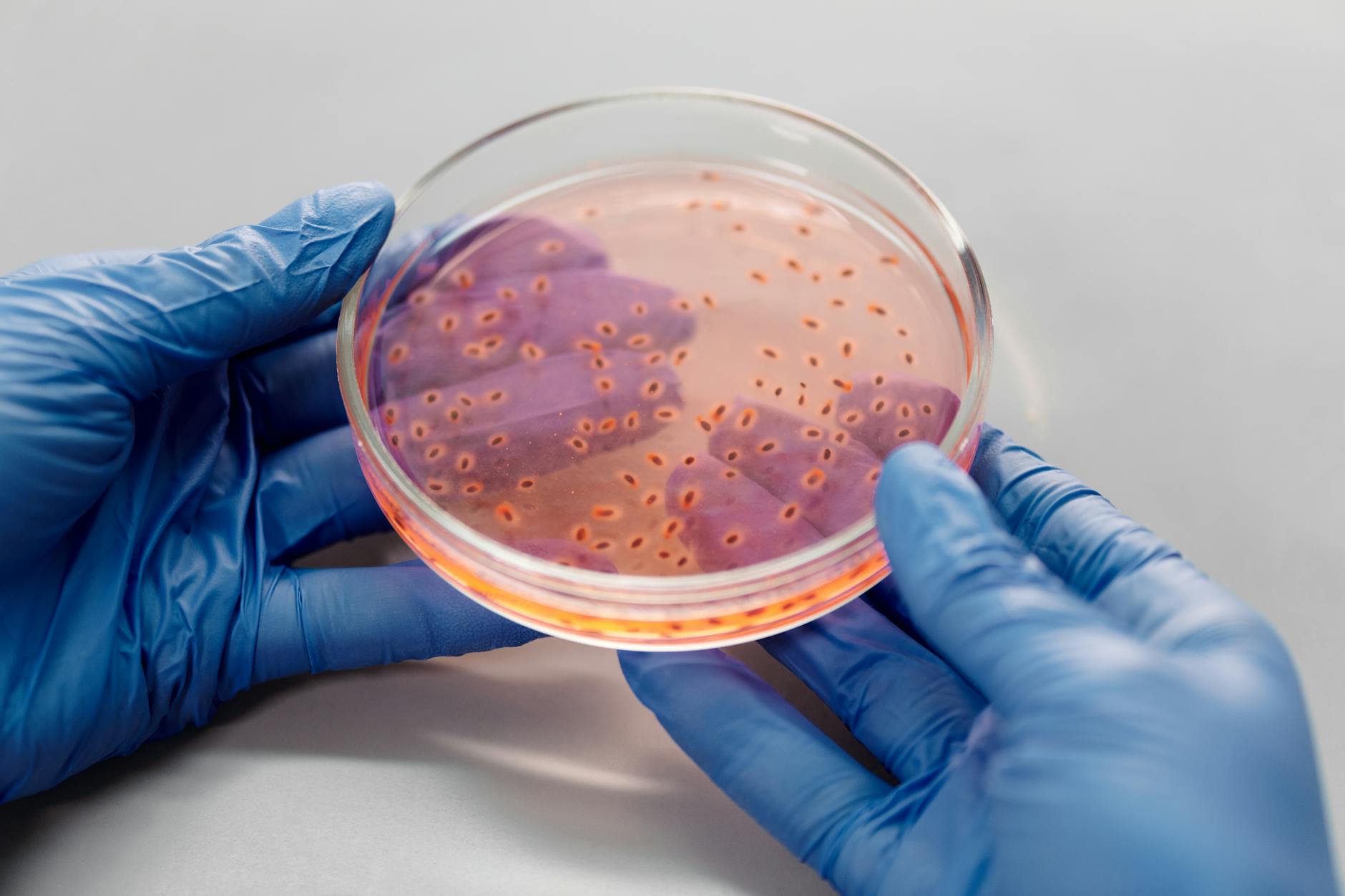
Standing water in bathtubs creates an ideal breeding ground for bacteria, mold, and fungi that can colonize within hours of bathing. Common bathroom bacteria like E. coli and Pseudomonas can multiply rapidly in warm, wet environments, and while cats have stronger stomach acid than humans, they’re still susceptible to bacterial gastroenteritis from contaminated water.
A cat that drinks from a tub that’s been sitting overnight faces significantly higher pathogen exposure than one drinking during or immediately after draining. The longer water sits, the greater the microbial burden becomes, and this risk compounds in households with multiple people bathing daily. Mold spores can become airborne and settle in standing water, and while rare, some molds produce mycotoxins that are genuinely dangerous for cats. If you notice any discoloration, film, or unusual odor in your bathtub water, this is a clear warning sign that bacterial growth has accelerated and your cat should definitely avoid drinking from it.
Safe Alternatives to Bathtub Water
If your cat seems drawn to bathtub water, the solution isn’t punishment but providing appealing alternatives that satisfy the same instinct. Cat water fountains designed with circulating, aerated water closely replicate the running water that cats find naturally attractive, and studies show that cats with fountain access drink more water overall, which supports kidney health. These fountains also filter water to some degree, removing sediment and some impurities while keeping the water moving and oxygenated.
A practical approach is offering multiple water stations throughout your home using filtered pitchers or bowls, placing them away from food bowls to align with your cat’s natural preference for water sources separated from feeding areas. Some cats prefer shallow dishes or even drinking from a faucet with human assistance, which is far safer than unsupervised bathtub access. The trade-off is that water fountains and filtered systems require regular cleaning and filter changes, but this maintenance cost is minimal compared to potential veterinary expenses from water-related digestive issues.
Signs of Illness After Drinking Questionable Water
If your cat has consumed bathtub water and you’re concerned about potential health effects, watch for specific warning signs in the hours and days following exposure. Vomiting or diarrhea within 12 to 24 hours suggests chemical irritation or bacterial upset, and while mild cases may resolve on their own, persistent symptoms warrant veterinary evaluation. Loss of appetite, lethargy, or abdominal tenderness indicate more serious involvement and require immediate professional attention.
Some cats develop oral irritation and excessive drooling after bathtub water exposure, particularly if the water contained strong soap concentrations. This can progress to difficulty swallowing or reluctance to eat, signaling inflammation of the mouth or esophagus. The limitation of home observation is that many illnesses from contaminated water mimic common digestive upsets, making professional diagnosis important for distinguishing between minor upset and genuine toxicity, especially if your cat has preexisting kidney disease or other health concerns.
Behavioral Training and Prevention
Most cats can be redirected away from bathtub drinking through simple environmental management. Closing the bathroom door after showering prevents access, and many cat owners find this the easiest solution for households with high bathing frequency. If your cat has developed a strong habit of bathroom exploration, placing a secure baby gate or cat-proof door barrier can maintain separation while still allowing household members normal bathroom access.
Positive reinforcement toward water fountains or designated bowls trains your cat’s preference over time. Cats are creatures of habit, and once they discover a particular water source is reliably available and appealing, they naturally gravitate toward it. Some cats respond well to having fresh water offered immediately after bathing, redirecting them away from the tub while it’s still wet and tempting.
Long-Term Considerations for Feline Hydration
As your cat ages, maintaining adequate hydration becomes increasingly important for kidney function and overall health. Cats that develop a preference for running water through fountains or faucet access tend to drink more consistently, which can have protective effects against chronic kidney disease later in life.
Understanding your cat’s water preferences and providing safe options that encourage drinking is an investment in their long-term wellbeing. The evolution of cat care products reflects this understanding, which is why modern cat fountains have become mainstream recommendations from feline veterinarians. Rather than fighting your cat’s attraction to bathtub water, channeling that instinct toward safer alternatives aligns with modern understanding of feline behavior and health.
Conclusion
Bathtub water presents unnecessary risks for cats due to chemical residues, bacteria, and contaminants that accumulate during human bathing. While a single incident of your cat lapping from the tub is unlikely to cause serious harm, regular access creates a genuine risk of gastrointestinal upset, chemical irritation, and potential pathogen exposure. The solution is straightforward: prevent access by closing bathroom doors and providing appealing alternatives like water fountains that satisfy your cat’s natural preference for moving water.
Taking steps to redirect your cat’s water-seeking behavior protects their health while honoring their natural instincts. If you notice any signs of illness after your cat drinks questionable water, contact your veterinarian to rule out chemical toxicity or bacterial infection. By understanding why cats are attracted to bathtub water and providing better alternatives, you can keep your cat safe while supporting their hydration and long-term health.