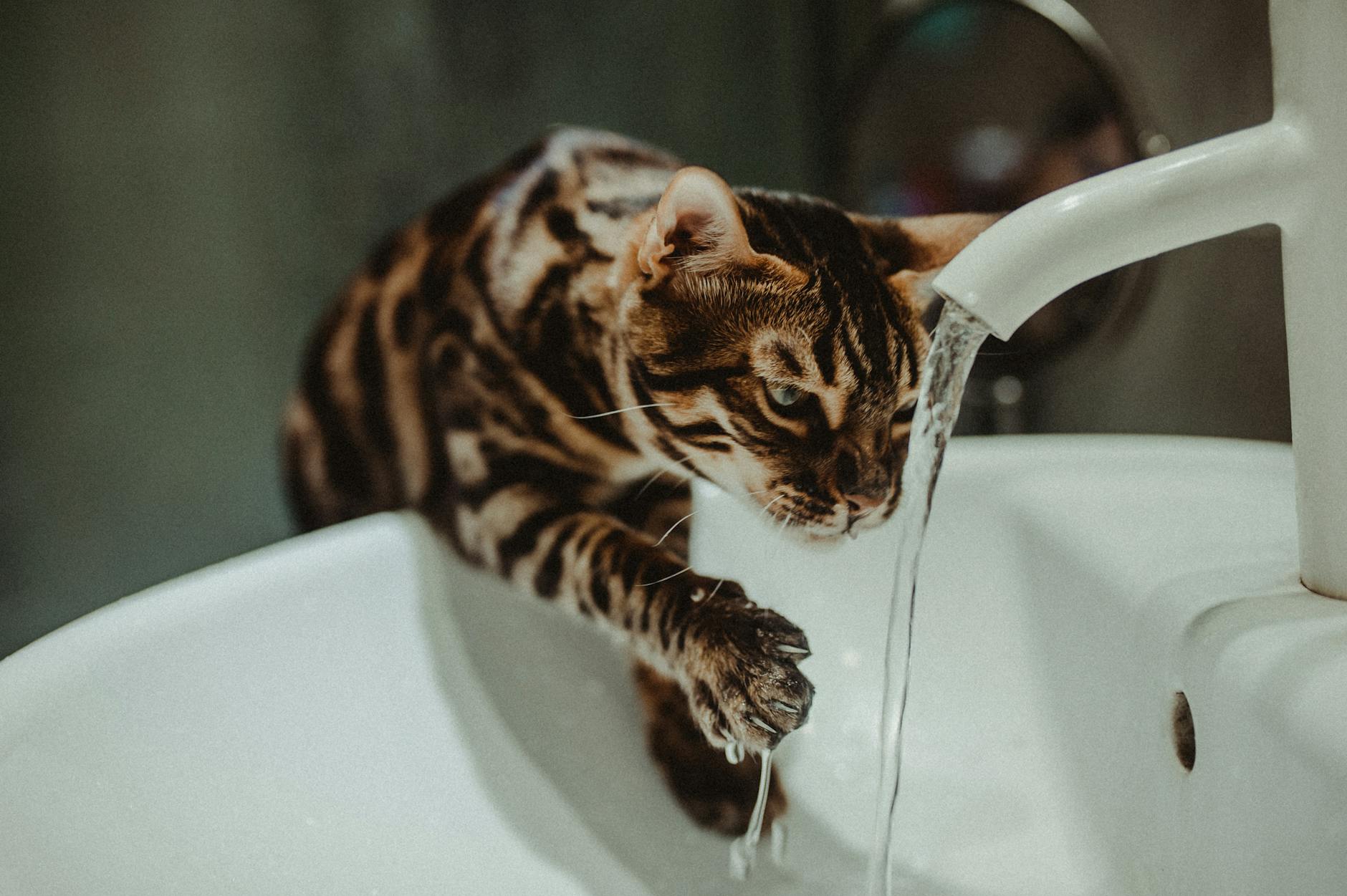
No, it is not safe for cats to drink from the toilet. While a single lap of toilet water is unlikely to cause immediate life-threatening consequences, regular consumption exposes your cat to harmful bacteria, parasites, chemical residues, and—depending on the season—potentially lethal toxins. Veterinarians and pet poison experts consistently advise against allowing this behavior, even though many cat owners discover their pets doing it and dismiss it as harmless.
The risks compound over time: a cat that drinks toilet water today might develop a urinary tract infection next week or suffer serious chemical poisoning if your bathroom habits change. Understanding why cats are drawn to the toilet and what specific dangers they face is essential for protecting your pet’s long-term health. This guide covers the science behind toilet water contamination, the veterinary perspective on risk, and practical steps to redirect your cat’s drinking habits toward safer alternatives.
Table of Contents
- What Bacteria and Parasites Lurk in Toilet Water?
- Chemical Cleaners and Toilet Bowl Products—A Serious Threat
- Antifreeze Toxicity During Cold Months
- Why Cats Are Attracted to Toilet Water in the First Place
- Recognizing Symptoms of Toilet Water-Related Illness
- Practical Solutions to Stop Toilet Drinking Behavior
- Long-Term Health Benefits of Prevention
- Conclusion
What Bacteria and Parasites Lurk in Toilet Water?
Toilet water harbors bacteria and parasites originating from fecal matter, even after flushing removes visible waste. E. coli, salmonella, and other pathogens can persist in biofilm on the bowl’s interior surfaces and remain suspended in the water. When cats drink this contaminated water, they ingest microorganisms that their digestive systems may not adequately eliminate.
The risk is particularly acute for kittens, elderly cats, or those with compromised immune systems, who cannot fight off infections as effectively as healthy adult cats. The parasites in toilet water include Giardia and Cryptosporidium, which can cause severe, prolonged diarrhea and malabsorption issues. A cat infected with giardia may experience weight loss, greasy stools, and chronic intestinal inflammation that takes weeks to resolve, even with veterinary treatment. Urinary tract infections (UTIs) are another common consequence of toilet water consumption. Bacteria ascending from the toilet bowl into the urethra can trigger painful urination, bladder inflammation, and in severe cases, urinary blockages that demand emergency surgery.
Chemical Cleaners and Toilet Bowl Products—A Serious Threat
most households use some form of toilet bowl cleaner or automatic disinfectant, whether liquid, tablet, or disc form. The diluted cleaning solution in the bowl typically causes mild mouth irritation and stomach upset if a cat ingests small amounts, manifesting as vomiting or mild diarrhea. However, if your cat directly contacts or swallows an undiluted cleaning tablet or disc, the concentrated chemicals can cause severe burns to the mouth, throat, and esophagus. These burns are intensely painful and can lead to difficulty swallowing, drooling, and secondary bacterial infections.
The danger escalates when residents use harsh industrial-strength cleaners or those containing corrosive ingredients like bleach or hydrochloric acid. Even with the toilet lid closed, some cats are determined enough to nudge it open or squeeze underneath, increasing exposure risk. If you suspect your cat has ingested toilet bowl cleaner, seek emergency veterinary care immediately. The damage from chemical burns can develop over hours, and early intervention with supportive care—such as IV fluids and monitoring—can prevent life-threatening complications.
Antifreeze Toxicity During Cold Months
During winter months, some people add antifreeze to toilet tanks to prevent water from freezing. Antifreeze is a deadly poison for cats and dogs, even in small quantities. Just a teaspoon of antifreeze can cause fatal kidney damage in a small cat. The substance is particularly insidious because its sweet taste appeals to cats, and symptoms of poisoning—initial letharness, vomiting, and lack of coordination—can be mistaken for other illnesses.
By the time severe kidney dysfunction appears, often 24 to 72 hours after ingestion, the damage may be irreversible. If you live in a region where toilet antifreeze is common, closing the toilet lid is non-negotiable. Train family members and guests to keep bathroom doors shut as an additional barrier. Pet Poison Helpline reports cases of cats dying from antifreeze exposure contracted solely through toilet drinking in winter months. This seasonal hazard underscores why preventing toilet water access is a matter of life and death in cold climates, not merely a matter of general hygiene.

Why Cats Are Attracted to Toilet Water in the First Place
Cats prefer toilet water to standing water in their bowls for a practical reason: it is fresh and cold. Every time someone flushes, the toilet refills with new, cool water from the line. In contrast, a water bowl sits stagnant at room temperature, accumulates dust, and may develop a stale taste that cats instinctively avoid. In the wild, cats drink from flowing streams and moving water sources because movement signals freshness and safety.
A toilet, from a cat’s perspective, mimics that natural preference. This preference is not a sign of defiance or illness; it is an evolutionary behavior rooted in feline survival instincts. However, modern homes offer a solution that respects this instinct without the associated risks: pet water fountains. A recirculating fountain provides the cool, fresh, constantly moving water that cats crave. Many cats who initially resisted still bowls become enthusiastic drinkers once a fountain is introduced, making the transition relatively straightforward.
Recognizing Symptoms of Toilet Water-Related Illness
If your cat has been drinking toilet water and develops symptoms, knowing what to watch for allows you to seek help quickly. Vomiting and diarrhea are the most common early signs of bacterial or parasitic infection. You may also notice increased urination or straining in the litter box, which indicates a urinary tract infection. Some cats become lethargic or lose their appetite as their body fights infection.
These symptoms warrant a veterinary visit, where a urinalysis or stool culture can identify the specific pathogen. More severe symptoms—such as drooling, difficulty swallowing, or unusual behavior after bathroom access—suggest chemical or antifreeze exposure and require emergency veterinary care. Do not wait to see if symptoms resolve on their own. A veterinarian can administer activated charcoal, provide supportive care, and monitor kidney and liver function to prevent organ damage. Early intervention is the difference between a cat that recovers fully and one that suffers permanent complications.
Practical Solutions to Stop Toilet Drinking Behavior
The most effective solution is prevention: keep the toilet lid closed and the bathroom door shut when unsupervised. This eliminates access entirely and is foolproof. However, if household members are forgetful or if your cat is particularly determined, installing a toilet seat lock or a soft-closing lid can provide additional security. Some pet owners place a decorative toilet bowl cover that sits on the rim, making access uncomfortable without being cruel.
The complementary step is providing an attractive alternative. A ceramic or stainless steel water fountain positioned in a quiet area away from the litter box encourages regular drinking from a safe source. Place the fountain in a location where your cat naturally congregates—perhaps near a window where they like to sit. Ensure the fountain is cleaned and refilled daily, and change the filter according to the manufacturer’s instructions. A clean, functioning fountain eliminates the appeal of the toilet by offering superior water quality and the desired freshness cats seek.
Long-Term Health Benefits of Prevention
Preventing toilet water drinking is an investment in your cat’s long-term kidney and urinary health. Chronic low-level bacterial exposure, even if it does not cause acute illness, creates inflammation in the urinary tract that can progress to chronic kidney disease over years. Cats are already prone to kidney problems as they age; avoiding unnecessary bacterial challenges reduces the cumulative insult to these vital organs.
A cat that drinks exclusively from a clean fountain has a measurably lower risk of urinary complications later in life. Additionally, maintaining this boundary teaches cats to respect household boundaries and reinforces the idea that you, as their owner, control access to resources. This strengthens the human-animal relationship and makes future health management—such as administering medications or managing dietary restrictions—more straightforward. Small preventive measures taken now avoid expensive veterinary emergencies and suffering later.
Conclusion
Toilet water is not safe for cats, despite the low probability of immediate catastrophic harm from a single exposure. The cumulative risks—bacterial and parasitic infections, chemical poisoning, and seasonal toxins like antifreeze—make regular toilet drinking a genuine threat to your cat’s health and longevity. Veterinarians and toxicologists agree that the behavior should be discouraged through environmental management and the provision of superior alternatives.
Start by closing toilet lids, securing bathroom doors, and introducing a pet water fountain. These straightforward steps eliminate the primary appeal of toilet water while satisfying your cat’s instinctive preference for fresh, cool, moving water. If your cat has been drinking toilet water and shows signs of illness, schedule a veterinary visit to rule out infection or chemical exposure. With these measures in place, you can protect your cat’s kidneys, urinary system, and overall wellbeing for years to come.