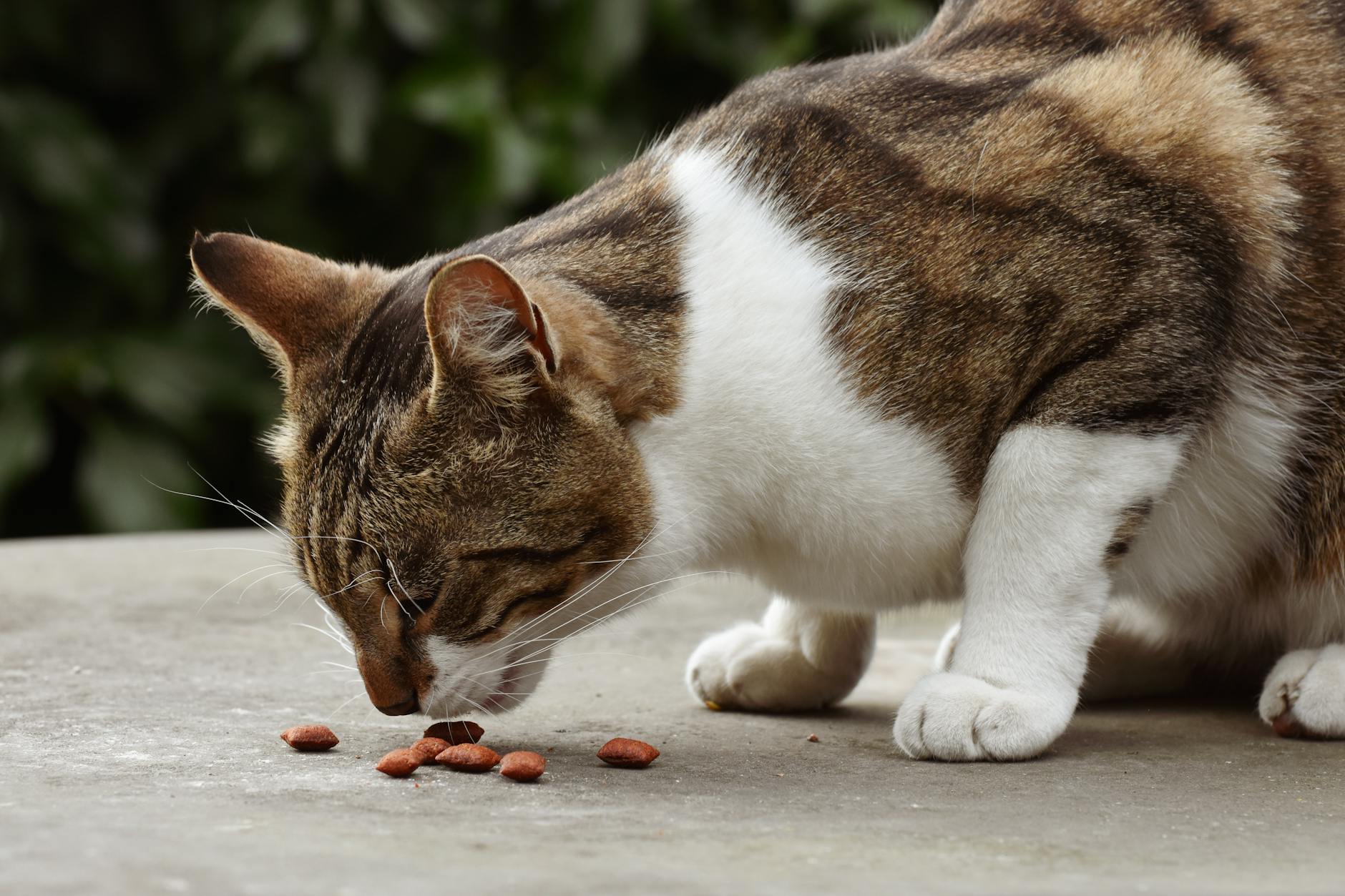
No, it is not safe for cats to eat food that has flies on it. While a cat eating a fly or two off their food is unlikely to cause immediate harm, flies that have landed on food can carry bacteria, parasites, and pathogens that pose real health risks. When flies land on food, they leave behind potential contaminants that may cause gastrointestinal upset, infections, or parasitic infestations in cats. For example, if you leave your cat’s wet food out on the porch on a warm afternoon and flies land on it before your cat eats, those flies could introduce bacteria like salmonella or E.
coli to the meal, increasing the risk of food poisoning. The safety concern extends beyond just the fly itself. Flies are attracted to food because they detect odors from bacteria, mold, or decomposing matter already present. Their presence is often a sign that food has begun to spoil or has been sitting out too long. What might look like a minor annoyance—a few flies buzzing around the food bowl—actually indicates that the food’s safety has been compromised and your cat’s health could be at risk from eating it.
Table of Contents
- What Happens When Cats Eat Flies That Land on Food?
- Bacterial Contamination and Food Spoilage Risks
- Fly-Borne Parasites and Infections
- How to Prevent Flies from Landing on Your Cat’s Food
- Signs Your Cat Has Consumed Contaminated Food
- Outdoor Feeding and Fly Management Strategies
- The Broader Picture of Cat Food Safety and Hygiene
- Conclusion
- Frequently Asked Questions
What Happens When Cats Eat Flies That Land on Food?
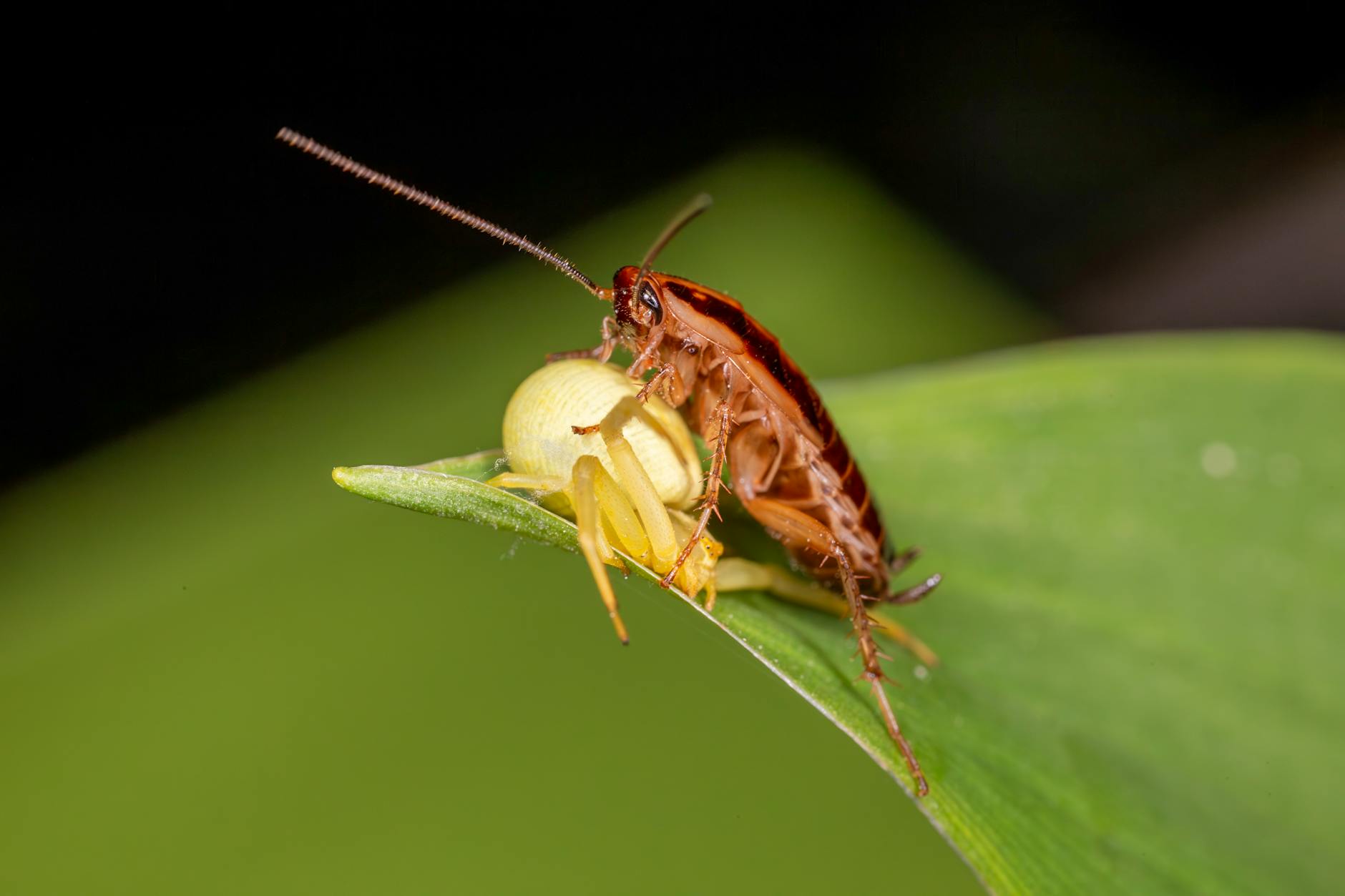
When a cat eats a fly that’s landed on their food, the fly itself is usually not a major problem. A single fly contains very little that would harm a healthy adult cat, and many cats will naturally hunt and consume flies without any issue. However, the risk is not the fly as an insect—it’s what the fly has done to the food. Flies vomit on their food before eating, which means they’re leaving behind digestive enzymes and potentially harmful microorganisms directly onto whatever surface they land on.
If your cat then eats the food mixed with these contaminants, they’re ingesting more than just the fly’s body; they’re ingesting the bacteria and parasites the fly deposited. Parasitic worms are a particular concern when food contaminated with flies is consumed. Flies can carry the eggs of roundworms, tapeworms, and other intestinal parasites. If your cat eats food where flies have landed and laid eggs, those parasitic eggs could develop into infections in your cat’s digestive system. Symptoms of parasitic infection may not appear immediately, but they can include weight loss, vomiting, diarrhea, lethargy, and a dull coat over the coming weeks.
Bacterial Contamination and Food Spoilage Risks
The primary danger from flies on cat food is bacterial contamination. Common disease-causing bacteria like salmonella, campylobacter, and staphylococcus aureus are precisely what attract flies to food in the first place. When flies land on spoiled or contaminated food, they’re depositing these bacteria onto every part of the food they touch. Cats have some stomach acid that helps protect them from certain pathogens, but they’re not immune to food poisoning. A cat with a compromised immune system, very young or elderly cats, and those with existing health conditions are at higher risk of serious illness from contaminated food.
One significant limitation to understand is that you may not always be able to see whether food has begun to spoil or attract flies due to invisible bacterial growth. Food can look perfectly fine while harboring dangerous levels of bacteria. Wet cat food left out in warm weather becomes unsafe within just a few hours, even if no flies have visibly landed on it yet. If you see flies on your cat’s food, the food has almost certainly been sitting out too long and should be discarded entirely rather than served. The warning here is clear: when in doubt about how long food has been exposed, throw it out. Your cat’s health is not worth the risk of saving a small amount of food.
Fly-Borne Parasites and Infections
Flies are known carriers of various parasitic organisms that can infect cats. In addition to the eggs they may lay directly on food, flies themselves can carry tapeworm segments, roundworm larvae, and other parasitic material on their bodies and feet. When a fly lands on your cat’s food, it may leave behind parasitic material that your cat then ingests. Unlike a single accidental fly consumption that might happen while your cat is hunting outdoors, eating contaminated food means your cat is consuming multiple parasites at once with every bite.
A concrete example would be a cat that develops an intestinal tapeworm infection after eating food where house flies had been present. The owner might notice the cat dragging its rear end across the floor, which is a classic sign of tapeworm discomfort, or they might spot small white segments that look like grains of rice in the cat’s stool or around the anus. These symptoms can take weeks to appear, making it difficult for owners to connect the infection back to the day the food was left out with flies on it. Treatment with deworming medication will be necessary, which is both stressful for the cat and an unnecessary expense that could have been prevented by discarding the contaminated food.
How to Prevent Flies from Landing on Your Cat’s Food
The most practical solution is to prevent flies from accessing your cat’s food in the first place. Keep wet cat food covered when it’s not being actively eaten, and remove uneaten food within 15 to 20 minutes of offering it. Use a food cover or dome, or simply place a lid over the food bowl while your cat eats if you’re feeding outdoors or in a space prone to flies. This approach is far more effective than worrying about what to do after the fact. The tradeoff is that you need to be more attentive during feeding times rather than leaving food out for your cat to graze on throughout the day, but this is actually healthier for your cat regardless of the fly issue, as it allows you to monitor their appetite and keep food fresher.
Store dry cat food in airtight containers to prevent fly infestation of the kibble itself. For wet food, keep it in the refrigerator and only portion out what your cat will eat in one sitting. In warm months or in humid climates, this becomes even more important since flies are more active and food spoils faster. If you feed your cat outdoors, bring the food bowl inside immediately after mealtime rather than leaving it out as a permanent station. Bringing in the bowl has the additional benefit of not attracting wild animals, which is a secondary but important safety concern.
Signs Your Cat Has Consumed Contaminated Food
If your cat has eaten food with flies on it, watch for signs of gastrointestinal upset or parasitic infection over the next few days to weeks. Vomiting, diarrhea, loss of appetite, and abdominal discomfort are the most immediate signs that something is wrong. Your cat may also seem lethargic or less interested in playing and interacting with you. Some cats will recover on their own from mild food poisoning, but others will need veterinary care, particularly if symptoms persist for more than a day or two.
A limitation to understand is that parasitic infections may not show symptoms for several weeks after infection. You won’t necessarily see signs of roundworms or tapeworms immediately after your cat eats contaminated food. This is why prevention is so much more important than trying to manage the situation after it happens. If you suspect your cat ate contaminated food and you want to be proactive, contact your veterinarian. They may recommend bringing your cat in for an exam and fecal testing to check for parasites, which is a more reliable way to identify infection than waiting for symptoms to appear.
Outdoor Feeding and Fly Management Strategies
Cats fed outdoors face a higher risk of exposure to flies and other insects on their food. If you feed an outdoor or indoor-outdoor cat, consider using a covered feeding station that allows your cat access but keeps flies and other pests out. There are commercial cat feeders with dome covers designed for this purpose, or you can improvise with a simple cardboard box or crate with an opening cut for your cat.
The key is to keep the food protected while allowing your cat to eat comfortably. For example, if you have a feral cat you’re feeding as part of a community cat program, setting up a covered feeding station not only protects the food from flies but also keeps it protected from raccoons and other wildlife that might eat the food or spread disease. Even a simple plastic storage container with a cat-sized hole cut into one side can work effectively. The investment in a proper feeding setup is minimal compared to the potential cost of treating parasitic infections or food poisoning in your cat.
The Broader Picture of Cat Food Safety and Hygiene
Cat food safety goes beyond just flies. Proper storage, temperature control, and feeding practices are fundamental to keeping your cat healthy. The same practices that prevent fly infestation—keeping food covered, serving appropriate portions, removing uneaten food promptly—also prevent bacterial growth, mold development, and other forms of contamination.
As more cat owners become aware of the importance of nutrition and food safety in pet care, the standards for both commercial cat food and home-prepared diets continue to improve. Looking forward, many cat owners are becoming more conscious about the quality and freshness of the food they serve their cats, much as they do for their own families. This shift toward greater attention to cat nutrition and food safety is positive for feline health overall. Understanding the specific risks posed by contamination, including fly-borne contamination, is part of taking comprehensive care of your cat’s wellbeing.
Conclusion
Food with flies on it is not safe for cats and should be discarded immediately. The flies themselves are less of a concern than the bacteria, parasites, and pathogens they deposit on the food. Cats can develop serious infections, parasitic infestations, and gastrointestinal illness from eating contaminated food, and these conditions may not show symptoms for days or weeks after exposure.
The best approach is prevention through proper food storage, timely feeding, and keeping food covered when possible. By being attentive to your cat’s feeding routine and protecting their food from flies and other contaminants, you’ll protect their health and avoid unnecessary veterinary visits and treatments. Your cat depends on you to make safe feeding choices, and removing potentially contaminated food is one of the simplest ways to do that.
Frequently Asked Questions
Can a cat get sick from eating a single fly?
A single fly by itself is unlikely to make a healthy cat sick. The problem arises when flies have landed on food because they leave behind bacteria, parasitic material, and enzymes. Eating food contaminated by flies is far more risky than eating a fly while hunting outdoors.
How long can cat food sit out before it’s unsafe?
Wet cat food should not sit out for more than 15 to 20 minutes in warm conditions. In cooler weather, you might extend this to 30 minutes, but it’s safer to remove uneaten food sooner. If flies are present, the food is already unsafe and should be discarded.
What should I do if my cat ate food with flies on it?
Monitor your cat for signs of vomiting, diarrhea, lethargy, or appetite loss over the next few days. If symptoms appear, contact your veterinarian. If you want to be proactive, you can schedule a veterinary visit for a fecal exam to check for parasites, especially if your cat is young, elderly, or has a weakened immune system.
Can flies lay eggs on cat food?
Yes, flies can lay eggs on food. If the food is not eaten quickly and the temperature is warm, fly eggs can hatch into larvae within 24 hours. This is another reason to discard food that has been exposed to flies rather than hoping your cat will eat it before larvae develop.
Is dry cat food safer from flies than wet food?
Dry kibble is less attractive to flies than wet food and spoils more slowly, but flies can still infest stored dry food if it’s not kept in an airtight container. Keep all cat food, wet and dry, in sealed containers and protect it from fly access.
Should I worry if my cat occasionally hunts and eats flies?
Outdoor cats hunting flies is a normal behavior and generally not a major concern. The risk with flies on food is that multiple contaminated flies are being consumed at once with other food, and that the food itself may already be spoiled or contaminated. A cat catching an occasional fly while hunting is a different scenario with much lower risk.