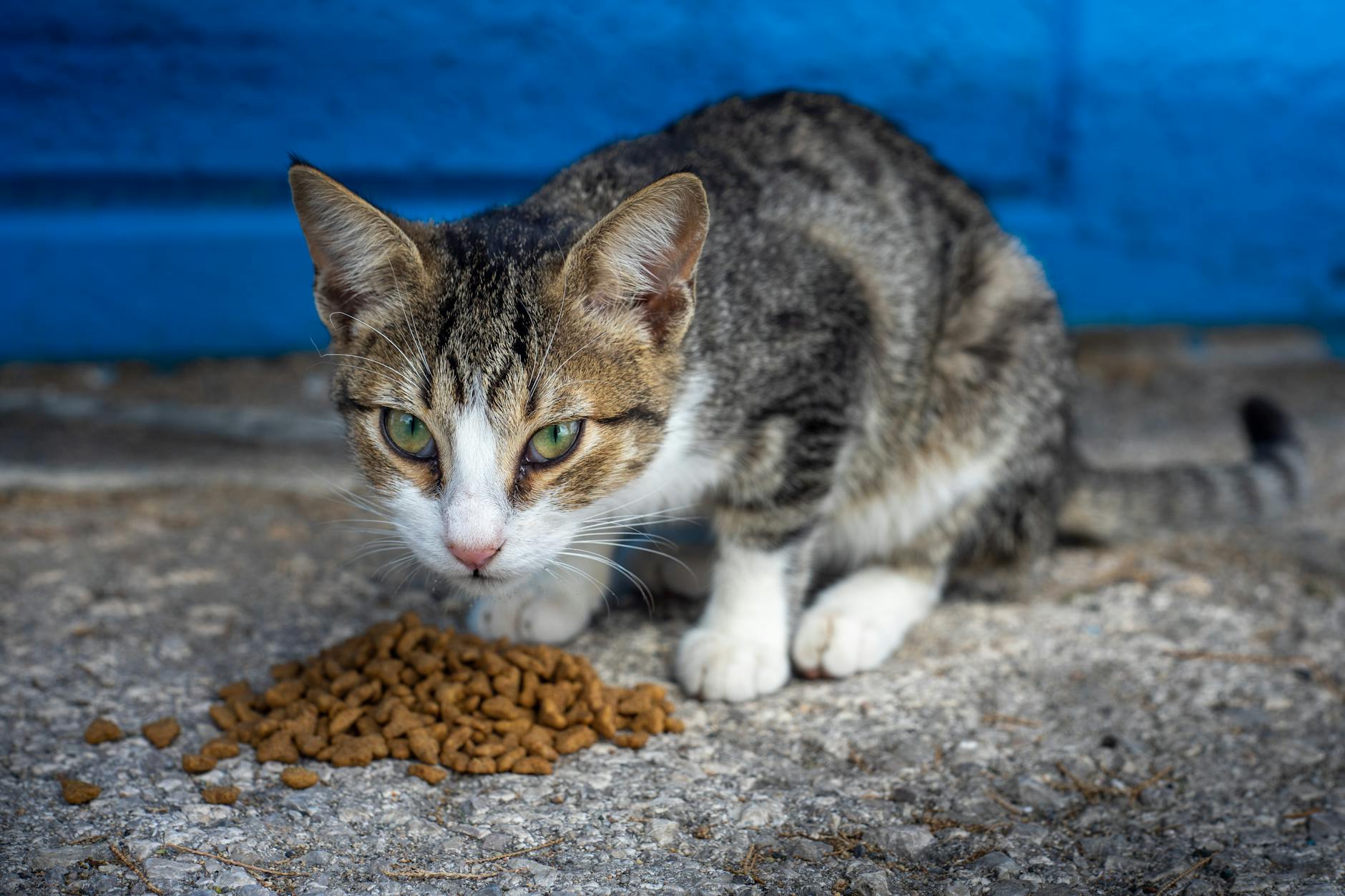
No, it’s not safe for cats to eat food with ants on it. While an accidental bite or two won’t cause serious harm, consuming food covered in ants poses multiple risks to your cat’s health. Ants can bite and sting, releasing formic acid that irritates a cat’s mouth and digestive system. Additionally, if your cat caught a mouse or found kibble infested with ants, the ants themselves may transfer bacteria or parasites, and certain ant species produce chemical compounds that can upset your cat’s stomach.
For example, if your outdoor cat finds a dead bird swarming with fire ants and consumes it before you notice, the stings from those ants could cause mouth irritation or worse—particularly if your cat has a sensitivity or allergic reaction. The concern becomes more serious when you consider the variety of ant species and their defensive mechanisms. Some ants are more aggressive than others, and a cat’s reaction to being bitten or stung varies based on the species involved and your individual cat’s sensitivity. While most cats learn quickly to avoid ants after an unpleasant encounter, prevention is far better than treating a potential reaction.
Table of Contents
- What Happens When Cats Encounter Ants on Food?
- The Hidden Dangers of Ant-Contaminated Food
- Ants as a Nutritional Concern for Cats
- How to Prevent Your Cat From Eating Ant-Covered Food
- Signs Your Cat Has Eaten Ants and Needs Attention
- What to Do If Your Cat Eats Ant-Covered Food
- Long-Term Management and Outdoor Feeding Considerations
- Conclusion
- Frequently Asked Questions
What Happens When Cats Encounter Ants on Food?
When a cat eats food covered in ants, several things occur almost simultaneously. The ants detect the threat and become defensive, biting or stinging the cat’s tongue, gums, or lips. Ants produce formic acid as their primary defensive chemical, which causes a burning sensation and can irritate the soft tissues inside the mouth. If your cat swallows the ants along with the food, they may continue to bite and release acid throughout the mouth and throat as they travel down.
This can result in oral irritation, excessive drooling, or your cat pawing at their mouth in discomfort. Beyond the immediate sting, some ant species like carpenter ants or certain fire ants have more potent venom that can cause stronger reactions. A cat that consumes a large number of ants—say, a handful mixed into wet food left outside—may experience gastrointestinal upset, mild nausea, or vomiting within a few hours. The good news is that most household cats will experience only minor discomfort unless they have a documented allergy to insect proteins or stings.
The Hidden Dangers of Ant-Contaminated Food
Beyond the ants themselves, food that has been sitting outside long enough to attract ants is likely contaminated with other problems. Ants don’t travel alone; they scout for food sources and lay pheromone trails, which means ant-infested food has usually been exposed to the environment for extended periods. During that time, bacteria like Salmonella or E. coli can multiply on the food, posing a genuine foodborne illness risk to your cat.
This is a critical limitation of the “my cat ate a little bit of ant-covered food—they’ll be fine” assumption; the ants themselves might be the least of your worries. Additionally, ants can carry parasites or mold spores that are harmful when ingested. If the food is wet food or meat-based, it degradates quickly in warm weather, and ants are attracted to it precisely because decomposition has begun. A cat eating such food risks gastrointestinal parasites or bacterial infections that require veterinary treatment. Store-bought cat food left outside in a bowl for more than an hour—especially during warm months—should be discarded, not rescued and fed to your cat just because it’s “only” covered in ants.
Ants as a Nutritional Concern for Cats
While ants are technically edible insects with some protein content, they are not a balanced or appropriate food source for cats. Cats are obligate carnivores, meaning they need nutrients that come from whole animal proteins—meat, organs, and bone—not from insects like ants. Consuming ants provides minimal nutritional benefit and introduces unnecessary irritation to the digestive tract.
If your cat regularly hunts insects or eats insect-covered food, they’re not obtaining harmful nutrition, but they’re also not gaining anything useful. Some cats, especially outdoor or indoor-outdoor cats, do hunt insects naturally, and occasional consumption of grasshoppers, crickets, or even small numbers of ants is unlikely to cause problems. However, there’s a significant difference between a cat occasionally swallowing a few insects while hunting versus intentionally eating food that is swarming with ants. The former is usually harmless; the latter suggests the food is unsafe for other reasons.
How to Prevent Your Cat From Eating Ant-Covered Food
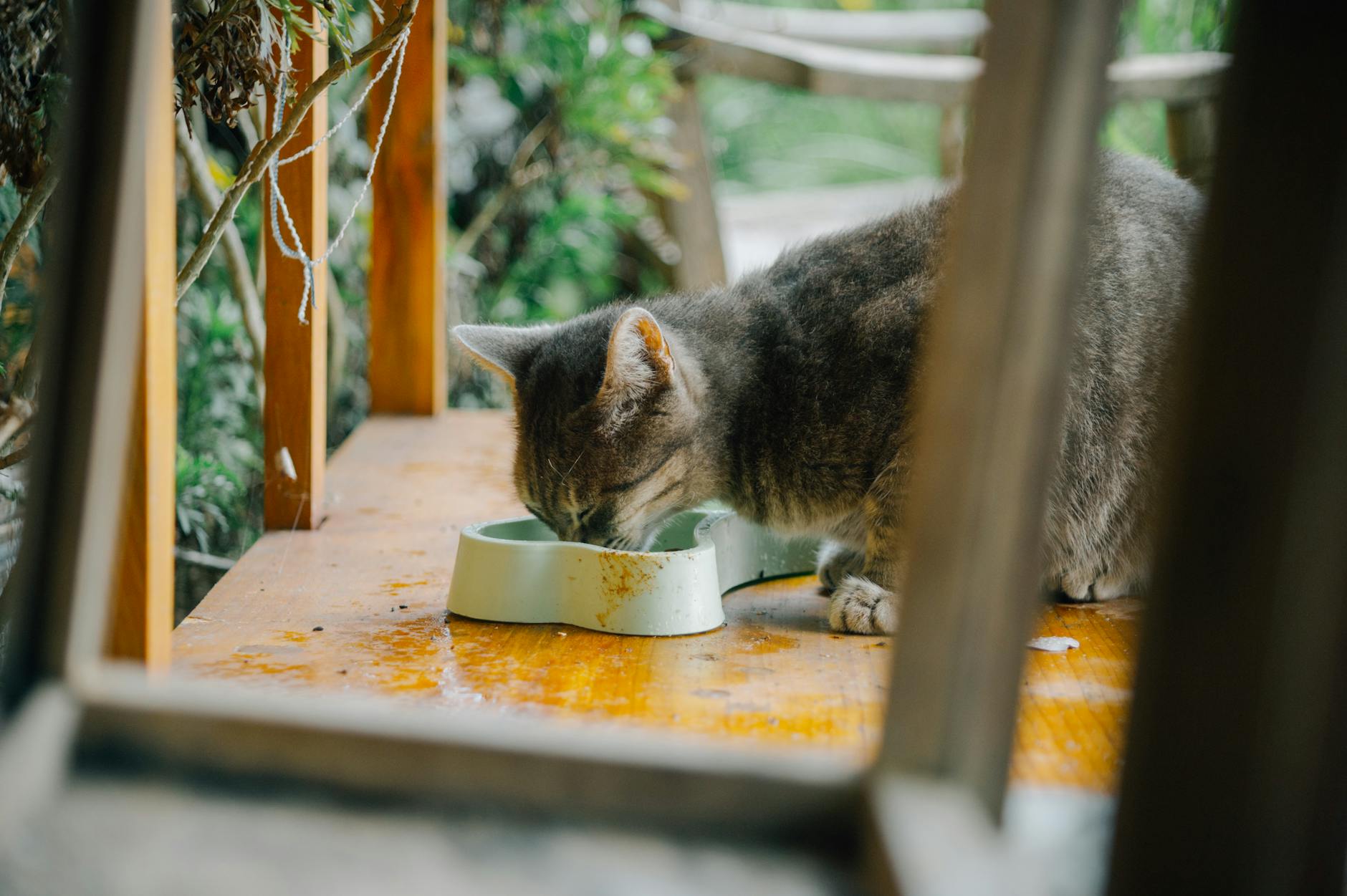
The most straightforward approach is to never leave cat food outside unattended or for extended periods. If you feed your cat outdoors, remove uneaten food within 30 minutes during warm weather and 1 hour during cooler seasons. Use covered feeders or feeding stations that limit ant access. Store dry food in airtight containers to prevent ants from colonizing the bag or bowl, and keep wet food in the refrigerator until serving time.
Compared to treating an ant sting reaction or bacterial infection your cat caught from spoiled food, these preventive measures require minimal effort. If you live in an area with aggressive ant species like fire ants, avoid leaving food out altogether. Instead, feed your cat indoors on a schedule, or use an outdoor feeding area with ant barriers. You can place the food bowl inside a larger shallow tray filled with a small amount of water, which creates a moat that most ants won’t cross. This simple tradeoff—slightly more setup time for peace of mind—is worthwhile for outdoor feeders.
Signs Your Cat Has Eaten Ants and Needs Attention
If you suspect your cat has eaten ants or ant-covered food, watch for specific warning signs over the next 12-24 hours. Excessive drooling, pawing at the mouth, reluctance to eat, or swelling around the lips or face could indicate a reaction to stings or bites. Some cats develop mild vomiting or diarrhea within a few hours if the ants or contaminated food triggered digestive upset. Most reactions are minor and resolve on their own, but if your cat shows severe swelling, difficulty breathing, or signs of anaphylaxis, seek veterinary care immediately—allergic reactions to insect stings, while rare in cats, can be serious.
A limitation of observing your cat is that you might not realize they’ve eaten ant-covered food until symptoms appear. If your cat spends time outdoors unsupervised, they may consume contaminated food without your knowledge. This is another reason to supervise outdoor eating and remove any discovered food sources. If your cat has eaten a large quantity of ants and develops symptoms that persist beyond 24 hours, contact your veterinarian to rule out parasitic infection or bacterial illness.
What to Do If Your Cat Eats Ant-Covered Food
If you catch your cat eating food covered in ants, don’t panic. Remove the food immediately and offer your cat fresh water and a few small pieces of their regular food to help wash away any residual formic acid. Allow your cat to rest and monitor them closely for the next few hours.
Most cats will not show any signs of distress after consuming a small amount of ant-covered food; the sting is uncomfortable but typically not dangerous. Rinse your cat’s mouth gently with cool water if they allow you to do so, which can help relieve mouth irritation. If your cat continues to paw at their mouth or shows signs of pain hours later, call your veterinarian for guidance. Keeping hydrogen peroxide (3%) or a feline mouth rinse on hand can help manage minor oral irritation if your veterinarian recommends it.
Long-Term Management and Outdoor Feeding Considerations
As you establish feeding routines for your cat, especially if they spend time outdoors, recognize that ants are a recurring seasonal problem in many regions. During warm months, ants are more active and aggressive, so outdoor feeding becomes riskier. Consider transitioning to indoor feeding during peak ant season or using covered feeders year-round.
If your cat hunts and eats small prey outdoors, this natural behavior is difficult to prevent, but you can minimize the risk by ensuring your cat receives complete nutrition indoors and doesn’t rely on hunted food as a primary diet source. The future of safe outdoor feeding for cats involves being proactive about pest management and food safety. As climate change extends warm seasons and introduces ant species into new regions, cat owners in previously unaffected areas may face new challenges. Staying informed about local ant species and maintaining good feeding practices ensures your cat stays safe regardless of where you live.
Conclusion
While a cat eating a small amount of food with ants on it is unlikely to cause serious illness, the practice carries real risks that are easily avoided through proper food management. The ants themselves are the least concerning issue; contamination from bacteria, parasites, and spoilage poses the greater threat. By removing uneaten food promptly, storing food securely in airtight containers, and keeping an eye on your cat’s eating habits, you can eliminate this risk entirely.
Take the simple steps outlined above to protect your cat’s health and digestive system. If your cat does accidentally eat ant-covered food, monitor them for 24 hours and contact your veterinarian if concerning symptoms develop. With awareness and prevention, ant-related food safety issues need never be a problem for your cat.
Frequently Asked Questions
Can ant bites or stings harm my cat?
Minor ant bites and stings cause temporary discomfort and irritation but are rarely harmful unless your cat has an allergic reaction or is stung extensively. Most cats recover quickly with no treatment needed.
Are any types of ants more dangerous to cats than others?
Yes, fire ants and some wasp-like ant species have more potent venom and pose greater risk than common household ants. If you live in an area with aggressive ant species, take extra precautions with outdoor feeding.
How long can cat food safely sit outside before ants become a concern?
Wet food should be removed within 30 minutes in warm weather and 1 hour in cooler seasons. Dry food can sit longer but should still be brought inside within 2-3 hours to prevent ant colonization and spoilage.
What should I do if my cat has an allergic reaction to an ant sting?
If you notice severe swelling, difficulty breathing, or other signs of anaphylaxis, contact your veterinarian or emergency animal hospital immediately. Mild reactions usually resolve within a few hours without treatment.
Can my cat get parasites or illness from eating ants?
While ants themselves rarely carry parasites dangerous to cats, food that is ant-infested has likely been exposed to bacteria and mold that can cause illness. This is the primary health concern.
Is it okay if my outdoor cat occasionally eats insects while hunting?
Yes, occasional insect consumption during hunting is normal and usually harmless. The concern arises when cats eat food that is intentionally or carelessly left outside covered in ants.