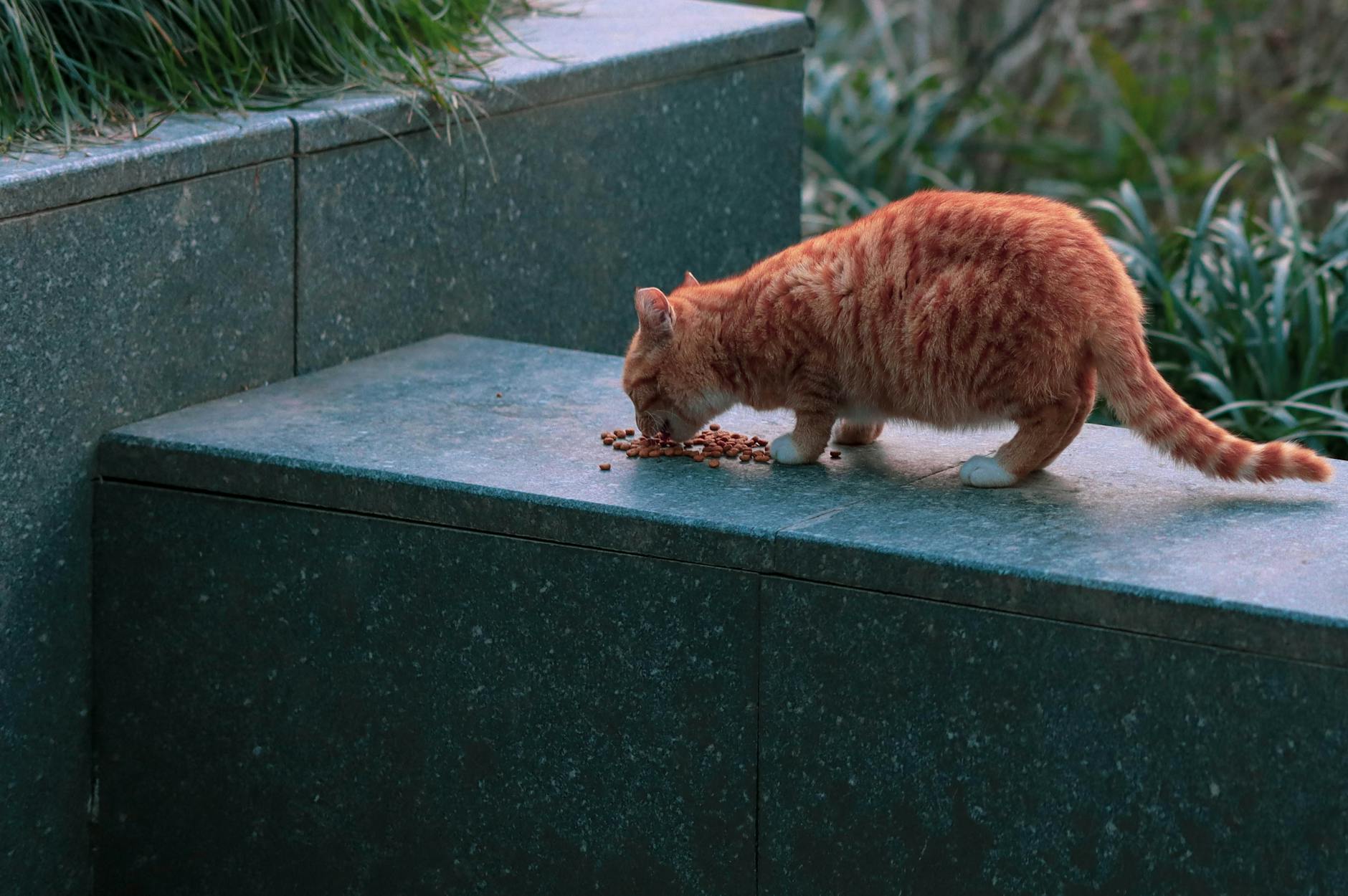
No, it is generally not safe for cats to eat food that fell outside. While a single bite of dropped food might not cause serious harm, outdoor food carries significant risks including bacterial contamination, parasites, pesticides, and pathogens that can make your cat seriously ill. The moment food hits the ground outside, it becomes exposed to E.
coli, salmonella, toxoplasmosis parasites, and other dangers that are particularly concerning for indoor cats whose immune systems haven’t adapted to environmental pathogens the way outdoor cats’ sometimes have. The risk level depends on several factors: where the food fell, how long it’s been outside, what type of food it is, and your cat’s age and health status. A 10-year-old cat with kidney disease eating a chicken breast that’s been sitting in your yard for hours faces much greater danger than a healthy 2-year-old that briefly investigates a dry kibble that fell on a clean patio. The safest approach is prevention—keeping your cat away from outdoor food sources entirely—combined with knowing what warning signs to watch for if accidental exposure happens.
Table of Contents
- What Bacteria and Parasites Thrive on Outdoor Food
- Hidden Contaminants and Environmental Dangers
- Different Foods Carry Different Risk Levels
- What To Do If Your Cat Eats Outdoor Food
- Prevention Strategies and Household Management
- Understanding Your Cat’s Eating Behavior and Scavenging
- When to Seek Veterinary Care and Long-Term Monitoring
- Conclusion
What Bacteria and Parasites Thrive on Outdoor Food
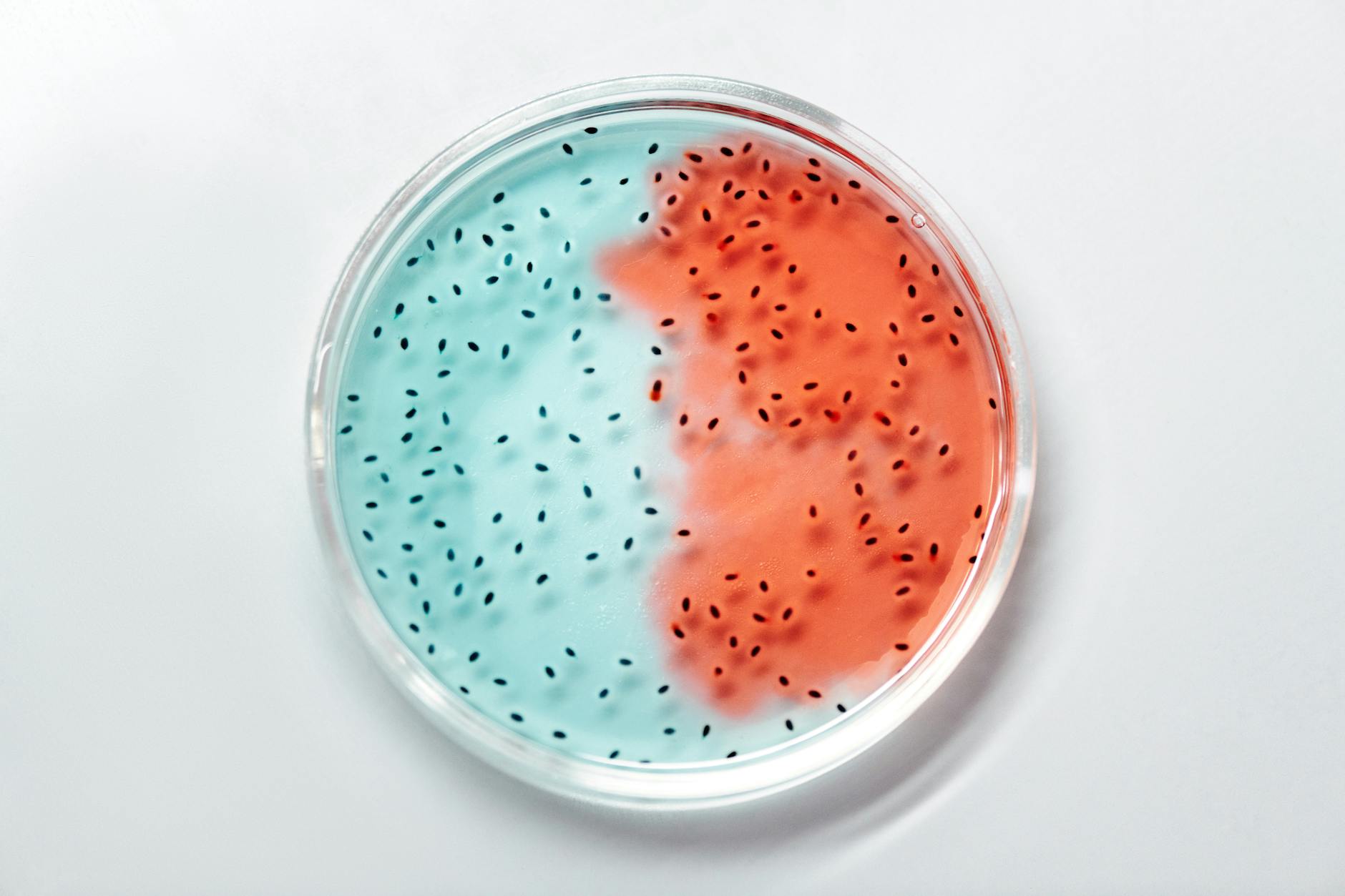
Outdoor food becomes contaminated almost immediately upon contact with soil, insects, and environmental surfaces. Common bacteria like Salmonella and E. coli flourish on food left outside, especially meat-based items. These pathogens don’t just sit passively on food; they multiply rapidly at outdoor temperatures, particularly in warm weather when your cat‘s outdoor food exposure is highest. A piece of wet food that falls outside can become unsafe within 15-30 minutes in summer conditions.
Parasites pose an equally serious threat. Toxoplasma gondii, the parasite responsible for toxoplasmosis, lives in soil and is transmitted through cat feces. When your cat eats food contaminated with this parasite, infection can occur even if the cat shows no immediate symptoms. Other parasites like roundworms and hookworms also contaminate outdoor surfaces. The difference between indoor and outdoor risks is substantial: an indoor cat has had no exposure to these parasites in their daily life, so their immune system may struggle to fight off an infection that an outdoor cat might handle better.
Hidden Contaminants and Environmental Dangers
Beyond microorganisms, outdoor food picks up pesticides, herbicides, and chemical residues from treated lawns and gardens. Many common lawn treatments are toxic to cats even in small quantities. A cat eating food contaminated with organophosphate pesticides from a recently treated yard could develop neurological symptoms including tremors, excessive drooling, and muscle weakness. The problem is that you might not immediately realize your yard has been treated, and dropped food could have contacted residue you’re not aware of. Mold contamination is another serious concern with outdoor food.
Aflatoxins produced by certain molds are toxic to cats and can cause liver damage. This risk increases dramatically with any food that’s been outside for more than a few hours, or with dry foods that absorb moisture. Additionally, outdoor food attracts insects, rodents, and other animals that may leave behind their own pathogens or parasites. A kibble that’s been investigated by a mouse or covered in insect droppings is far more dangerous than the original food itself. The limitation of prevention is that even the most vigilant owner can’t control every variable in their outdoor environment, which is why the best approach remains keeping food indoors altogether.
Different Foods Carry Different Risk Levels
Dry kibble that falls briefly on a clean indoor patio carries minimal risk compared to wet food dropped on grass or soil. Dry kibble’s low moisture content and formula make it less hospitable to bacterial growth, and a quick rinse sometimes recovers safety—though most veterinarians recommend simply discarding it. Wet food or raw food, by contrast, becomes dangerous almost immediately. raw meat especially attracts pathogens and parasites; a raw chicken piece dropped outside and eaten by your cat could introduce Salmonella, Campylobacter, or other serious bacterial infections.
Cooked human food like chicken or fish that falls outside presents moderate risk. Cooked food cools faster and resists some bacterial growth better than raw food, but it’s still vulnerable to contamination and parasites. If your cat eats a piece of cooked chicken that fell outside 20 minutes ago, monitor closely for vomiting, diarrhea, or lethargy over the next 48-72 hours. Specific example: A cat in California ate a dropped piece of rotisserie chicken from a backyard picnic and developed severe diarrhea within 6 hours due to Salmonella contamination from the outdoor surface.
What To Do If Your Cat Eats Outdoor Food
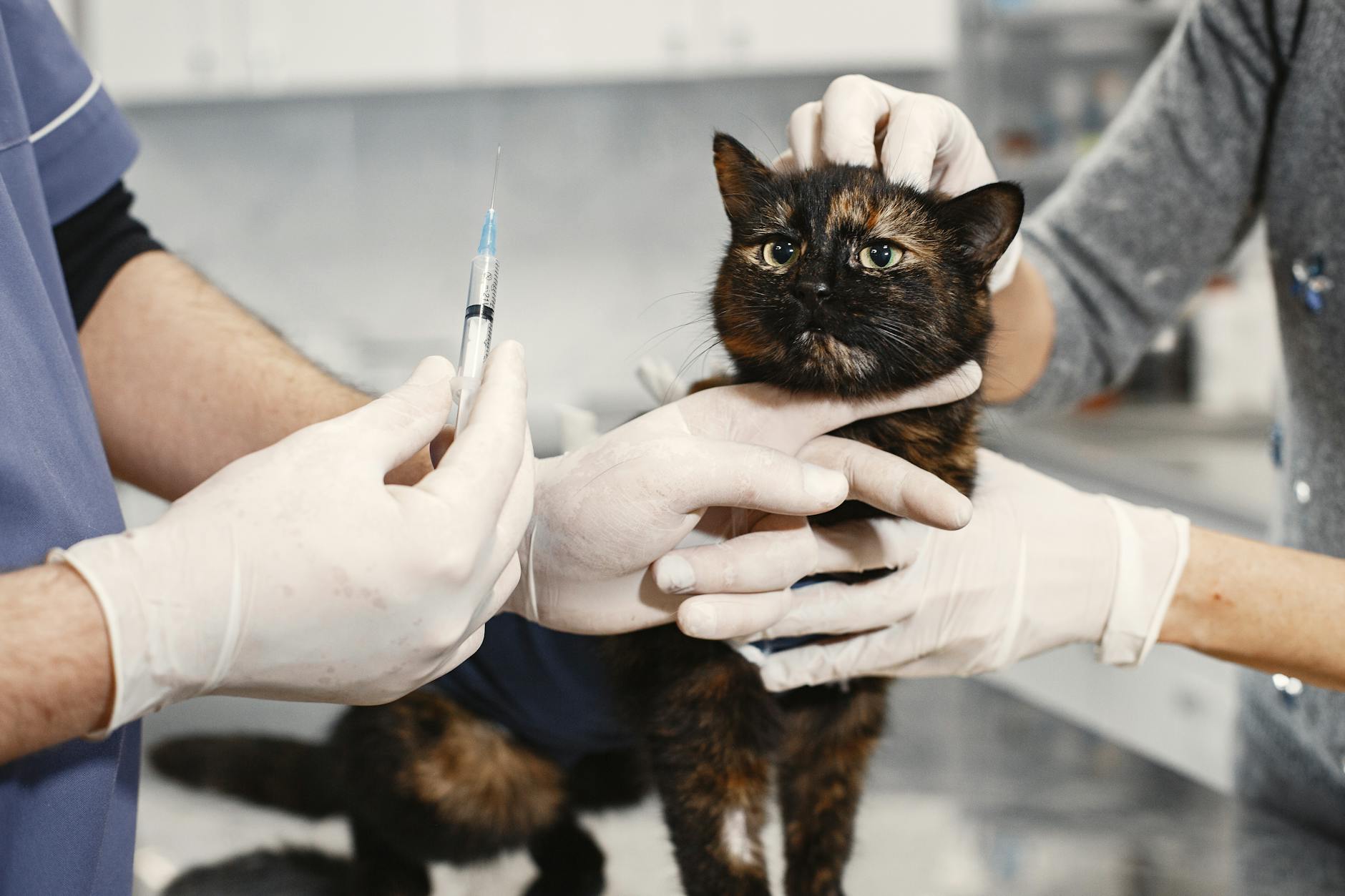
If you witness your cat eating food that fell outside, the first step is to remove the food immediately and prevent further consumption. Note exactly what the food was, where it fell, and how long it was exposed. Call your veterinarian and provide these details—they can assess whether observation at home is sufficient or whether your cat needs examination and possibly bloodwork. Most cases of accidental outdoor food consumption don’t result in illness, but your vet needs to know the specifics to guide you properly. Monitor your cat carefully for the next 72 hours, watching for vomiting, diarrhea, lethargy, loss of appetite, or abdominal pain.
These symptoms can indicate bacterial or parasitic infection. Keep a record of your cat’s eating and bathroom habits. If symptoms develop, return to your veterinarian with this documentation. The tradeoff is that some owners panic unnecessarily after minor incidents, while others delay veterinary care when early intervention could prevent serious complications. Your vet can provide specific guidance based on your cat’s health history, age, and the nature of the exposure.
Prevention Strategies and Household Management
The most effective prevention involves establishing strict household rules about eating outdoors. Feed your cat only indoors in a designated feeding area, and never leave food bowls outside where your cat might access them. If you have an outdoor feeding station for feral or stray cats, keep it far away from where your indoor cat spends time.
Clean up immediately after any outdoor dining with family members, securing all food and disposable containers where your cat cannot access them. For cats with outdoor access, supervise outdoor time when possible, or establish a safe enclosed area (catio) where they can enjoy the outdoors without access to ground-level contaminants. If your lawn is treated with pesticides, herbicides, or fertilizers, keep your cat indoors for the recommended time period—usually 48 hours minimum. The limitation of prevention strategies is that complete control is impossible in multi-pet households or homes with frequent visitors, which is why awareness and quick response remain important backups to prevention.
Understanding Your Cat’s Eating Behavior and Scavenging
Some cats are natural scavengers who actively seek out food sources, while others ignore dropped items entirely. Kittens and younger cats are more likely to investigate outdoor food out of curiosity, while older cats may be less interested. Cats with certain nutritional deficiencies may engage in pica behavior (eating non-food items or inappropriate foods), which increases their risk of consuming outdoor food.
Understanding your individual cat’s behavior helps you anticipate risky situations and manage them proactively. Boredom and insufficient enrichment can also drive food-seeking behavior. A cat with adequate toys, climbing structures, and environmental enrichment may be less motivated to scavenge. If you notice your cat becoming increasingly interested in outdoor food sources, this might indicate an underlying behavioral or medical issue worth discussing with your veterinarian or a feline behavior specialist.
When to Seek Veterinary Care and Long-Term Monitoring
Some infections from outdoor food develop immediately, while others have incubation periods of 1-2 weeks. Toxoplasmosis, for example, can take 10-14 days to show symptoms. This means that even if your cat seems fine in the days immediately following outdoor food consumption, ongoing monitoring remains important.
Keep a note of the date and nature of the exposure so you can reference it if your cat develops unexplained illness weeks later. Kittens, elderly cats, pregnant or nursing cats, and cats with compromised immune systems (FIV, FeLV, kidney disease) require extra vigilance and lower thresholds for veterinary consultation after outdoor food exposure. These cats’ bodies handle infections differently and are more likely to develop serious complications from pathogens that a healthy adult cat might fight off naturally.
Conclusion
Outdoor food presents real hazards to your cat’s health, from bacterial infections and parasites to pesticide contamination and mold. While a single exposure rarely causes severe illness, the cumulative risk of repeated outdoor food consumption can result in chronic infections, intestinal parasites, and serious bacterial infections. The safest approach combines prevention—keeping food indoors and supervising outdoor time—with awareness of the risks and quick action if accidental exposure occurs.
Moving forward, establish clear protocols in your household: feed only indoors, clean up promptly after outdoor meals, treat your yard carefully with pet-safe products, and monitor your cat’s health closely after any suspected exposure. Your veterinarian remains your best resource for guidance specific to your cat’s age, health status, and risk factors. By understanding these risks and taking preventive measures, you can significantly reduce the likelihood that outdoor food will compromise your cat’s health.