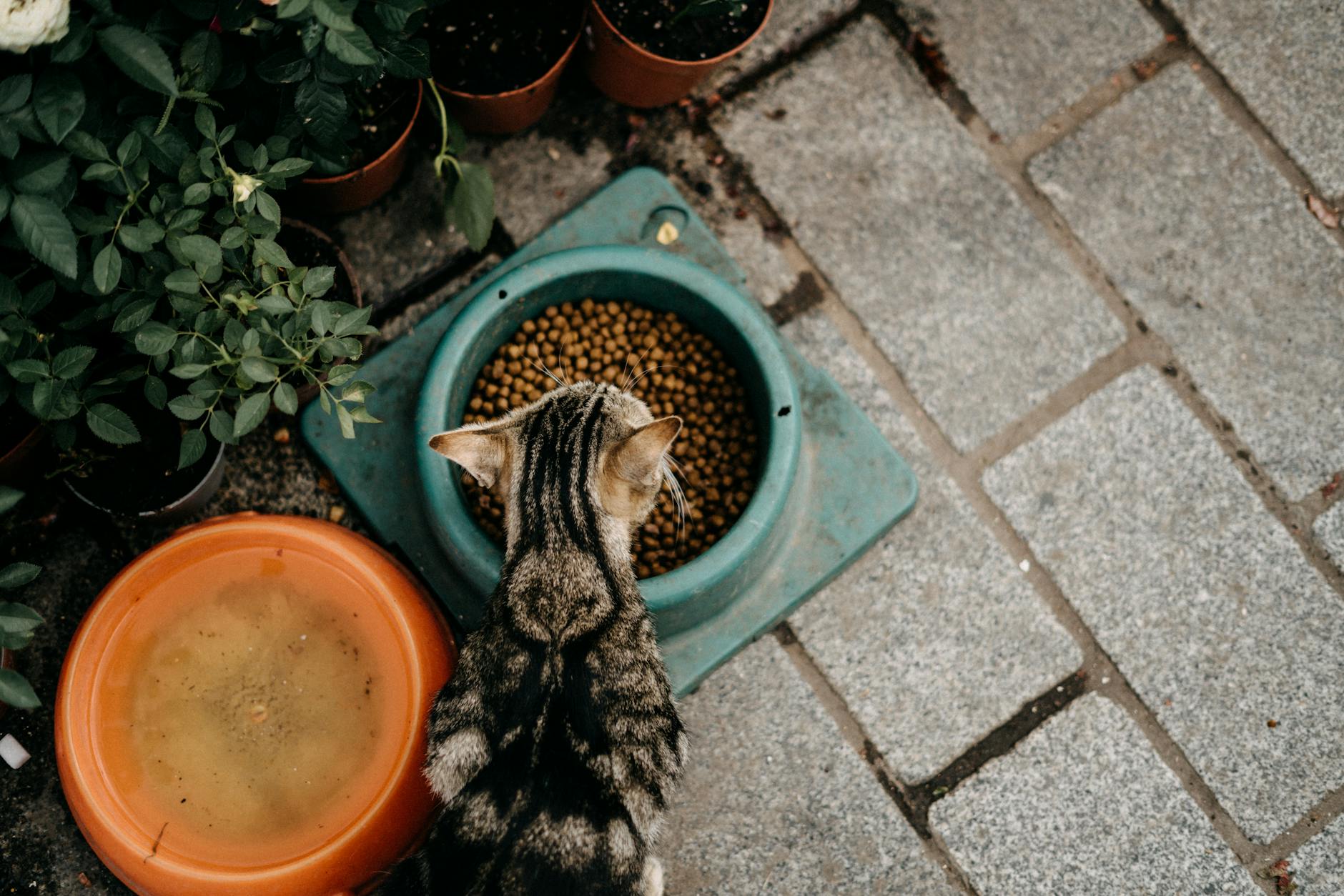
No, it is not safe for cats to eat food with mold spots. Moldy food poses a real health risk to cats because mold produces mycotoxins—poisonous compounds that can damage a cat’s liver, kidneys, and nervous system. Even small amounts of mold ingestion can cause serious problems, and some molds are more dangerous than others. For example, if you leave wet cat food out for more than a couple of hours and it develops visible fuzz or spots, that food should be discarded immediately rather than given to your cat, even if the mold only covers a small portion.
The danger extends beyond what you can see. Cats may accidentally consume moldy food from contaminated kibble in storage, spoiled canned food that wasn’t properly sealed, or treats left exposed in humid conditions. A cat’s digestive system is different from a human’s and typically offers less protection against certain toxins. While a single exposure to a small amount of mold might not cause immediate illness in a healthy adult cat, repeated exposure or consumption of heavily molded food creates cumulative risk.
Table of Contents
- Can Cats Get Sick From Moldy Food? Understanding the Toxic Compounds
- Different Types of Mold and Variable Toxicity Levels
- Signs Your Cat May Have Eaten Moldy Food
- How to Prevent Mold Exposure in Your Cat’s Diet
- Common Sources of Mold in Cat Food and the Home
- When to Contact Your Veterinarian
- Selecting and Storing Cat Food Safely for the Long Term
- Conclusion
Can Cats Get Sick From Moldy Food? Understanding the Toxic Compounds
Mycotoxins are secondary metabolites produced by mold fungi, and they’re particularly harmful to cats. Common culprits include aflatoxins, ochratoxins, and tremorgenic mycotoxins, each with different effects on feline health. Aflatoxins, found in some types of mold on grains and stored foods, are known to cause liver failure in cats. A cat exposed to aflatoxin may not show signs immediately, which makes moldy food especially insidious—damage can accumulate silently until symptoms become obvious.
The risk is comparable to how a human wouldn’t want to eat visibly moldy bread or meat, but the stakes are higher for cats. Their smaller body size means a smaller amount of toxin can cause more severe effects relative to their body weight. A 10-pound cat ingesting mold that a human might brush off as insignificant could face serious complications. Additionally, cats lack certain liver enzymes that would help them break down and eliminate some of these toxins efficiently.
Different Types of Mold and Variable Toxicity Levels
Not all molds are equally dangerous, but this variation creates a problem: you can’t safely determine toxicity by appearance alone. black mold, green mold, white fuzz—the color doesn’t reliably indicate whether mycotoxins are present or how potent they are. Penicillium and Aspergillus species are two common household molds that produce mycotoxins. Aspergillus, in particular, is widespread in stored grains and can contaminate commercial cat food during manufacturing or storage if conditions allow moisture buildup.
The limitation here is that mold identification requires laboratory analysis. A cat owner seeing mold on food cannot visually determine whether that specific mold is producing low-level or high-level toxins. This uncertainty is a critical reason to adopt a zero-tolerance policy: any visible mold means the food is unsafe. The risk-benefit calculation is straightforward—the small cost of discarding moldy food is far outweighed by potential veterinary expenses and your cat’s suffering if poisoning occurs.
Signs Your Cat May Have Eaten Moldy Food
Symptoms of mycotoxin exposure in cats can vary depending on which toxins were consumed and the amount. Early signs often include vomiting, diarrhea, loss of appetite, and lethargy. If your cat has ingested food with tremorgenic mycotoxins, you might notice tremors, seizures, or incoordination—these are neurological signs that indicate serious toxin exposure. A cat that suddenly refuses food or seems unusually withdrawn after potentially consuming moldy kibble warrants immediate veterinary attention.
Some cats may develop more subtle signs that owners misinterpret as routine illness. Mild liver involvement might present as yellowing of the gums or eyes (jaundice), pale gums, or abdominal pain indicated by a hunched posture. The challenge is that these symptoms can overlap with other feline health issues, making it easy to miss the moldy food connection unless you ask yourself what your cat had access to recently. If you suspect your cat ate moldy food, inform your veterinarian of that exposure specifically, as it changes the diagnostic approach.
How to Prevent Mold Exposure in Your Cat’s Diet
The most effective prevention strategy is proper food storage. Dry kibble should be kept in airtight containers in a cool, dry location away from moisture and direct sunlight. Once you open a bag of kibble, transfer the contents to a sealed plastic or glass container rather than leaving it in the original bag, which can allow moisture and air exposure. Wet food opened from a can should be refrigerated immediately and discarded after 2-3 days, even if it looks fine.
Never leave wet food at room temperature for more than 2 hours, or 1 hour if your home is warm. Compare this to how you’d store your own food: you wouldn’t leave opened canned goods on the counter indefinitely, and the same principle applies to your cat’s meals. A practical limitation is that busy cat owners sometimes leave food bowls down longer than recommended, particularly with free-feeding strategies. If you free-feed kibble, check it regularly for any signs of moisture or mold, and refresh the bowl daily. For wet food, portion out only what your cat will eat in one sitting to eliminate waste and reduce the window of time the food sits exposed.
Common Sources of Mold in Cat Food and the Home
Moisture is the primary enabler of mold growth in cat food. Humidity in your storage area, condensation inside food containers, or water splashed into kibble bowls can all create conditions for mold to develop. If you live in a humid climate or store cat food near a sink, bathroom, or basement, you’re at higher risk. Some cat owners discover mold in kibble bags that appeared sealed—manufacturing defects or improper storage at the distribution level can introduce moisture before the food ever reaches your home.
A significant warning: never assume that a food recall or quality issue only affects one batch. If you discover mold in a bag of a particular brand or flavor, check other bags you own from the same timeframe, and consider reporting it to the manufacturer and the FDA’s Pet Food Complaint Line. Contamination at the source could affect multiple bags. Additionally, your cat’s eating area itself can develop mold if bowls aren’t washed regularly or if they’re left in damp spots. A cat’s saliva and leftover food particles can foster mold growth in ceramic or plastic bowls, so wash food and water bowls daily with hot soapy water.
When to Contact Your Veterinarian
If you know or suspect your cat ate moldy food, contact your veterinarian immediately, especially if your cat is showing any symptoms. Don’t wait to see if symptoms develop on their own—prompt evaluation is crucial because some effects of mycotoxin exposure are time-sensitive. Bring information about the food your cat ate if possible: the brand, type, and how much mold was visible.
This helps your veterinarian narrow down which toxins might be involved and what monitoring or treatment is needed. Your vet may recommend supportive care such as IV fluids, medications to manage symptoms, or monitoring bloodwork if liver or kidney involvement is suspected. Even asymptomatic cats that ate moldy food might benefit from a wellness check and baseline lab work to ensure no silent damage is occurring. The cost of a vet visit is minimal compared to the cost of treating advanced mycotoxin poisoning, which could require hospitalization and intensive care.
Selecting and Storing Cat Food Safely for the Long Term
When purchasing cat food, inspect the bag for any signs of damage, moisture, or discoloration before buying. Some cat owners prefer to buy smaller quantities more frequently rather than bulk buying, which reduces the time food sits in storage at home. Rotating stock using a first-in, first-out method ensures older food is used before newer food, minimizing the chance of long-term storage issues.
Freezing wet food in ice cube trays is an option for some cats—you can thaw individual portions as needed, extending shelf life and reducing waste. Looking ahead, the pet food industry continues to improve testing and quality control standards, but the responsibility for final storage remains with the pet owner. Investing in good storage containers and understanding the signs of mold in food are skills that protect your cat’s health long-term. Many cat owners find that a simple checklist—airtight containers, cool dry location, daily bowl washing, and prompt discarding of opened wet food—eliminates almost all mold risk.
Conclusion
Protecting your cat from moldy food boils down to vigilance and prevention. Mycotoxins in moldy food pose genuine health risks that can range from mild digestive upset to serious liver damage or neurological symptoms. The safest approach is simple: discard any food showing visible signs of mold, store kibble in sealed containers in appropriate conditions, and refrigerate or discard wet food promptly.
Your cat depends on you to provide safe, clean meals, and managing mold in food storage is one of the most straightforward ways to support their long-term health. If you ever suspect your cat has eaten moldy food, don’t hesitate to contact your veterinarian. When it comes to food safety, an abundance of caution protects your cat and gives you peace of mind.