No, it is not safe for cats to chew on metal bowls. While metal bowls are durable kitchen items designed to withstand normal use, they pose genuine risks when cats treat them as chew toys. The primary dangers come from broken pieces, sharp edges, and the potential for intestinal blockages if fragments are swallowed.
For example, a cat repeatedly chewing the rim of a stainless steel bowl may eventually create small cracks that splinter off—fragments that look harmless but can cause serious internal injuries if ingested. Most cat owners assume their pet’s casual gnawing won’t cause harm, but even minor chewing can accelerate bowl deterioration and expose sharp edges that damage gum tissue, teeth, and the digestive tract. The behavior itself signals that your cat’s needs aren’t being met, whether that’s boredom, teething discomfort, anxiety, or a nutritional deficiency. Understanding why cats chew metal bowls is the first step toward preventing serious injuries and addressing the underlying cause.
Table of Contents
- Why Do Cats Chew on Metal Bowls and What Happens to the Bowl?
- The Hidden Risks of Metal Bowl Chewing and Potential Health Dangers
- Signs Your Cat’s Metal Bowl Is Being Damaged and Warning Indicators of Injury
- Choosing Safer Bowl Alternatives and Material Comparisons
- When to Seek Veterinary Care and Symptoms Requiring Immediate Attention
- Addressing the Behavior Through Environmental Management and Training
- Long-Term Prevention and Future Bowl Care Strategies
- Conclusion
- Frequently Asked Questions
Why Do Cats Chew on Metal Bowls and What Happens to the Bowl?
cats chew metal bowls for several reasons, and identifying the cause helps you address the behavior more effectively. Young cats and kittens often chew as part of teething—their baby teeth are being replaced by adult teeth, and the pressure sensation from chewing temporarily relieves gum discomfort. Older cats may chew if they’re bored, anxious, or seeking sensory stimulation from the cool metal texture and the metallic sound it makes. Some cats develop compulsive chewing behaviors related to stress, dietary deficiencies (particularly in calcium or other minerals), or even underlying medical conditions like mouth pain or dental disease.
When a cat repeatedly chews a metal bowl, the surface degrades in predictable ways. Stainless steel bowls develop tiny stress fractures along the chewing points, usually starting at the rim or sides where the cat’s teeth apply concentrated pressure. These fractures are invisible at first, but they expand with each chewing session. Within weeks, small pieces can flake or splinter off. Cheaper or older aluminum and painted metal bowls deteriorate even faster—paint chips easily, and the softer metal underneath bends and creates sharp burrs that cut soft tissue in the mouth and throat.
The Hidden Risks of Metal Bowl Chewing and Potential Health Dangers
The most serious risk from metal bowl chewing is the possibility of swallowing sharp fragments or larger pieces that cause intestinal obstruction. Even a fragment the size of a rice grain can become lodged in the esophagus, stomach, or small intestines, cutting off normal food passage and potentially perforating the intestinal wall. This situation requires emergency surgery, costs $1,500 to $5,000, and carries a mortality risk even with prompt treatment. A cat who ingests pieces of painted or galvanized metal also risks heavy metal poisoning, depending on the coating and how much was consumed.
Beyond blockage, chewing metal bowls directly injures the mouth, gums, and teeth. Sharp edges cut the gums and tongue, creating open wounds that easily become infected, especially in older cats or those with compromised immune systems. Cats with existing dental disease are at even higher risk because their gum tissue is already inflamed and vulnerable. Additionally, the stress and inflammation from oral injuries can lead to decreased appetite, difficulty swallowing (dysphagia), and secondary infections. The limitation here is that early-stage mouth injuries are hard to detect at home—your cat may hide pain and continue eating normally for days before you notice anything is wrong.
Signs Your Cat’s Metal Bowl Is Being Damaged and Warning Indicators of Injury
If your cat is actively chewing a metal bowl, you’ll notice audible signs first: distinct metallic clanking or scraping sounds during feeding or between meals. Next, inspect the bowl itself weekly for visible wear patterns, dents, bent edges, flaking paint, or small cracks. Run your finger along the entire rim and sides—if you feel any rough spots, sharp burrs, or raised edges, the bowl needs to be replaced immediately. Look for small metal shavings or dust around the bowl or in your cat’s food.
Watch your cat for behavioral and physical warning signs that may indicate injury or ingestion of fragments. These include excessive drooling, reluctance to eat despite hunger, gagging or choking sounds, pawing at the mouth, swelling of the face or jaw, bad breath with a metallic odor, or visible blood in the mouth. Some cats become lethargic, vomit repeatedly, or show sudden changes in appetite. If you notice any of these signs—especially vomiting, lethargy, or abdominal pain (where your cat assumes a hunched posture)—seek veterinary care immediately. Do not wait to see if the symptoms resolve on their own, as intestinal obstruction is a medical emergency.
Choosing Safer Bowl Alternatives and Material Comparisons
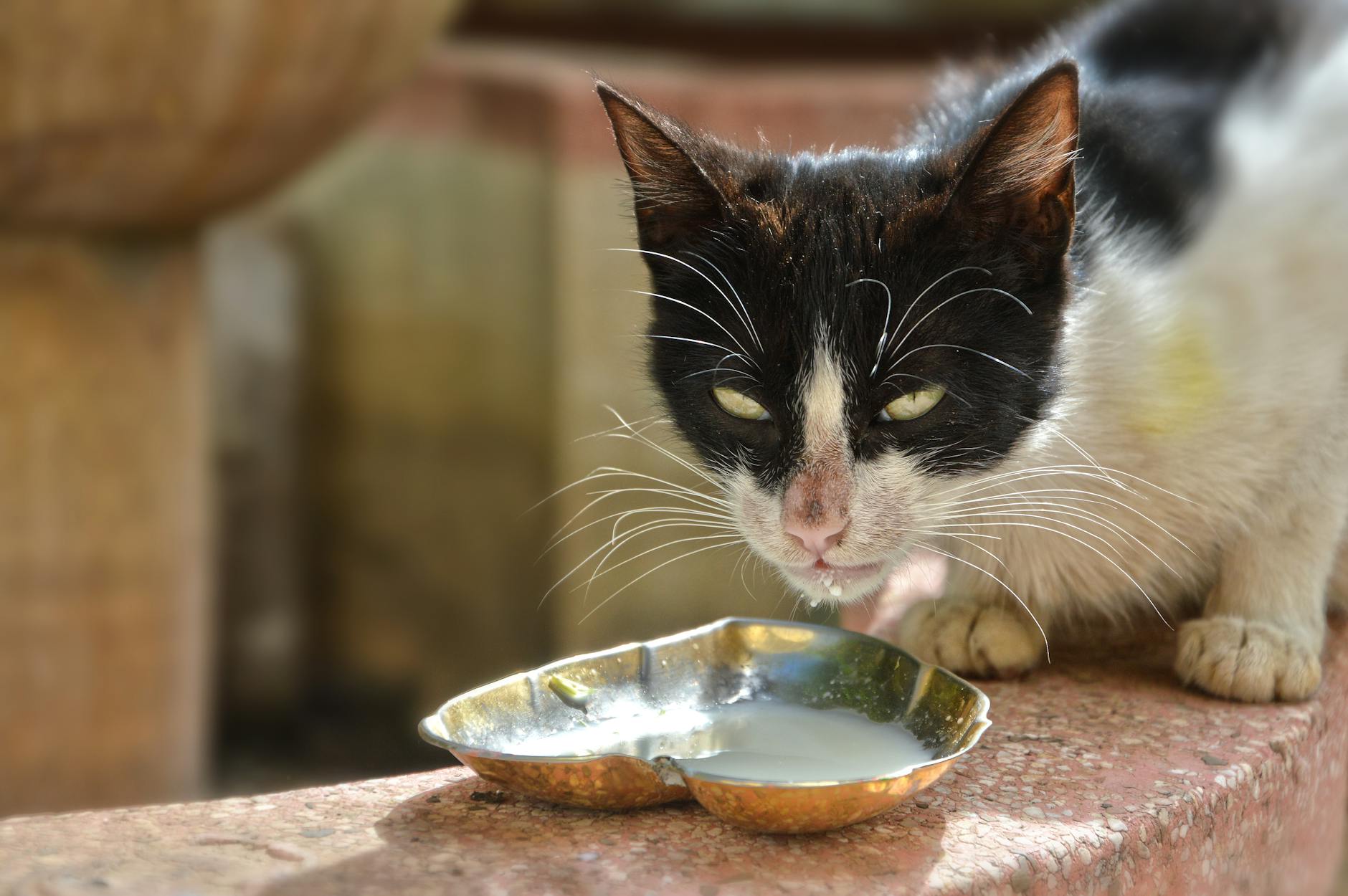
Ceramic and glass bowls are significantly safer alternatives to metal. Ceramic bowls, especially thick, glazed food-grade varieties, are durable and less likely to accumulate bacteria in scratches or cracks. They’re heavier, so they stay in place during feeding, and if chewed, they typically chip rather than splinter into dangerous sharp pieces. Glass bowls are non-porous, easy to clean, and highly resistant to damage—though they can break if dropped from height. The trade-off with both materials is that they’re breakable if your cat knocks them around or if you accidentally drop them, creating a choking hazard from glass shards.
Food-grade plastic bowls marketed for pets are another option, though some cats continue to chew plastic, and it degrades faster than ceramic or glass. A practical approach is to choose deeper, heavier bowls that are harder to flip and chew comfortably. Elevated feeders designed for cats can also help—they’re often made with non-metal bases and allow for better feeding posture, which may reduce chewing interest. If you must use metal bowls (perhaps for travel or outdoor feeding), inspect them daily and replace them every 2-3 months, well before significant wear develops. Never attempt to smooth or sand down rough metal edges at home—this creates even sharper edges and may introduce rust or contamination.
When to Seek Veterinary Care and Symptoms Requiring Immediate Attention
If your cat has been chewing a metal bowl and suddenly develops vomiting, loss of appetite, abdominal distension, or extreme lethargy, contact your veterinarian or emergency clinic the same day. These are potential signs of intestinal blockage or internal injury from sharp fragments. Your vet may order X-rays or ultrasound imaging to check for foreign bodies, and treatment can range from supportive care (IV fluids, observation) to emergency surgery, depending on what’s found.
Even if your cat shows no obvious signs of injury, schedule a dental examination if heavy chewing has been ongoing. Your vet can assess for gum inflammation, tooth damage, or fractures that aren’t immediately visible. A limitation to remember is that some cats tolerate pain silently, and by the time symptoms become obvious, internal damage may already be severe. For this reason, prevention through bowl replacement is far more cost-effective and safer than managing an emergency blockage.
Addressing the Behavior Through Environmental Management and Training
Once you’ve removed the metal bowl, address the underlying reason your cat is chewing. If the cause is teething or oral discomfort, provide appropriate chew toys designed for cats, such as rubber or silicone toys, catnip toys, or textured play objects. Cats often prefer items that feel good in their mouth—try toys with varied textures and shapes. If boredom is the issue, increase environmental enrichment through interactive play sessions, puzzle feeders, window perches, and rotating toys to maintain novelty.
Many cats also benefit from additional climbing structures, scratching posts, or access to outdoor spaces (safely via a catio or harness). For anxiety-related chewing, identify the stressor (changes in the household, a new pet, loud noises) and work to reduce or desensitize your cat to it. In some cases, working with a feline behaviorist or your veterinarian may reveal that anti-anxiety medication or pheromone diffusers (like Feliway) help reduce compulsive chewing. Training is less direct with cats than with dogs, but positive reinforcement works—reward your cat with treats or play when eating from a safe bowl, and gently redirect any chewing attempts away from prohibited items.
Long-Term Prevention and Future Bowl Care Strategies
Establish a routine of inspecting any food or water bowls weekly, regardless of material, to catch early signs of wear before they become dangerous. If you rotate multiple bowls, keep a mental inventory of which bowls are actively used and which are in storage. Some cat owners photograph their bowls from multiple angles with dated timestamps to track deterioration over time—this helps you notice gradual damage you might otherwise miss.
Looking forward, consider investing in higher-quality, durable bowls made specifically for cats, and educate yourself and your household on the risks of metal bowls. As cat ownership becomes more informed by accessible health information, the trend is moving away from metal toward safer, non-toxic materials. Some manufacturers now design bowls with anti-chew features—textured surfaces that are less appealing to chew, or bowls with rounded edges even if made of metal. While no bowl is completely chew-proof, a proactive approach to bowl selection and replacement can eliminate this hazard from your cat’s environment entirely.
Conclusion
Metal bowls are not safe for cats who chew, and the risks range from minor mouth injuries to life-threatening intestinal blockages that require emergency surgery. The solution is straightforward: replace metal bowls with safer alternatives like ceramic, glass, or heavy-duty plastic, and address the underlying cause of the chewing behavior. Whether your cat is teething, bored, anxious, or seeking sensory stimulation, providing appropriate outlets and enrichment will reduce the behavior while keeping your cat healthy.
Your next step is to inspect your current bowls today, replace any that show signs of damage or are made of materials your cat actively chews, and commit to weekly bowl inspections going forward. If your cat has already ingested metal fragments or shows any signs of injury, contact your veterinarian promptly. In most cases, prevention is the safest and most cost-effective approach to this common household risk.
Frequently Asked Questions
Can cats’ teeth break from chewing metal bowls?
Yes, especially if the metal is hard, cold, and unyielding. Cats can fracture or crack teeth by repeatedly biting metal, which is painful and may require dental extraction. Even small cracks can lead to infection or tooth loss over time.
How much metal does a cat need to swallow to cause a blockage?
Even small fragments—sometimes less than a quarter inch—can accumulate in the intestines and cause obstruction. Larger pieces or sharp slivers pose immediate risk, but the real danger is that multiple small pieces consumed over time can aggregate and lodge in the narrow parts of the intestinal tract.
Is stainless steel safer than other metal bowls?
Stainless steel is more durable and corrosion-resistant than aluminum, painted steel, or galvanized metal, which means it deteriorates more slowly. However, it still fragments under repeated chewing and poses the same blockage and injury risks. No metal bowl is truly safe for a cat who actively chews.
Should I use a different bowl material for wet food versus dry food?
For cats who chew, the material matters more than the food type. However, some cats chew less during actual feeding and more out of boredom or anxiety between meals. If chewing occurs primarily outside of feeding times, the food type is less relevant—focus on replacing the bowl and addressing the underlying behavior.
Can I repair a damaged metal bowl?
No. Do not attempt to repair a chewed or damaged metal bowl by sanding, smoothing, or coating it. Repairs create unpredictable surfaces and may introduce toxins or rust. A damaged bowl should be discarded and replaced immediately.
What should I do if my cat swallows visible metal fragments?
Contact your veterinarian or emergency clinic right away. Describe what you saw and when it happened. Your vet may monitor your cat closely or recommend imaging to assess the risk. Do not induce vomiting, as the sharp fragments could cause additional damage on the way up.