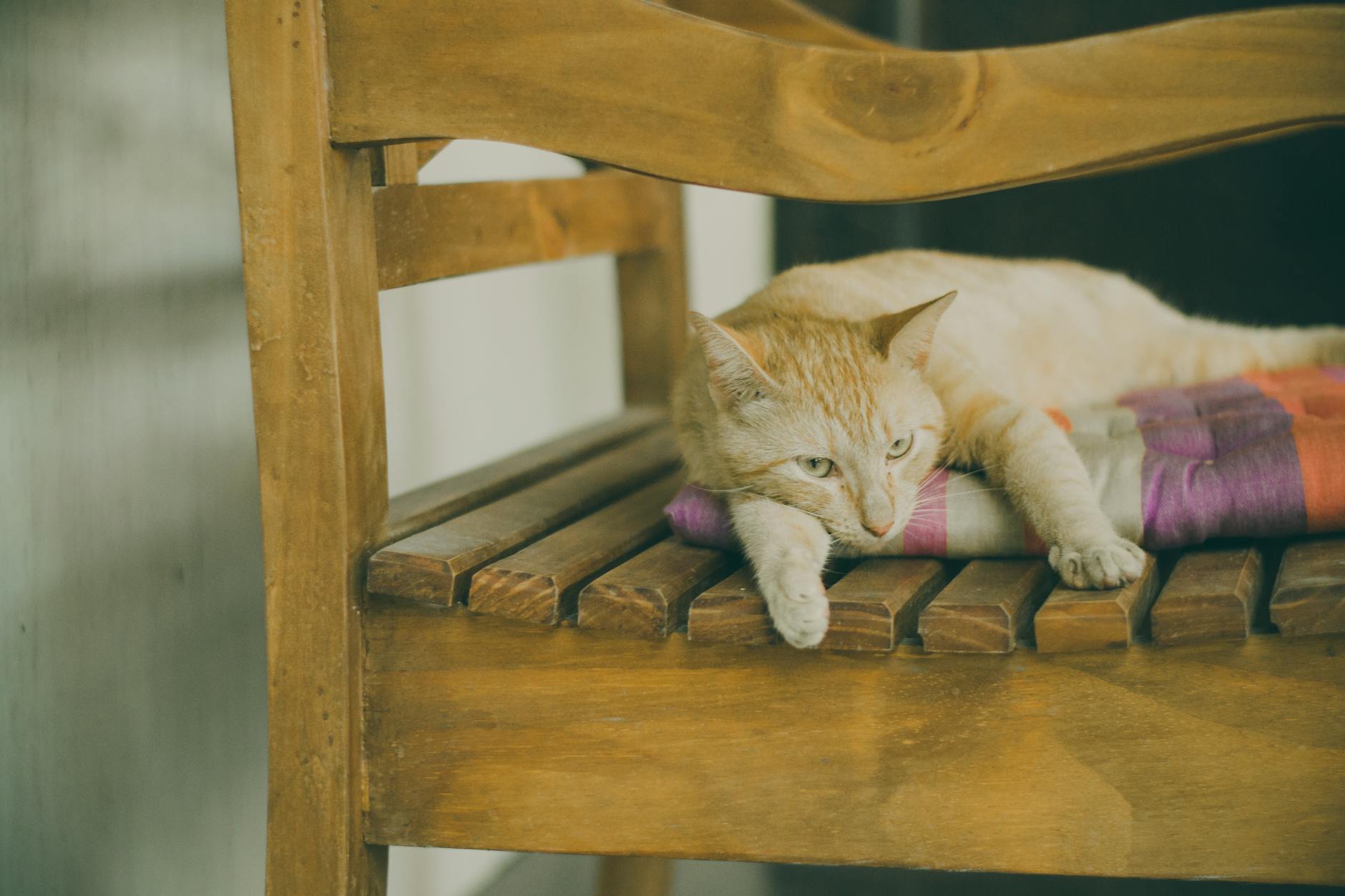
Wooden spoons aren’t inherently toxic to cats, but they do pose real hazards that make them unsafe as chew toys. While a cat nibbling on a wooden spoon handle won’t cause immediate poisoning, the splinters, small pieces, and hardness of wood create genuine risks for mouth injuries, intestinal blockages, and digestive problems. If your cat has chewed on a wooden spoon once or twice with no visible injury, they’re likely fine, but it’s a behavior worth discouraging rather than ignoring.
The main danger isn’t the wood itself—it’s what happens when cats break it down. Unlike dogs, cats have smaller mouths and a more delicate digestive system, making them more vulnerable to complications from foreign objects. A piece of wooden spoon lodged in the throat or a splinter puncturing the gums are the kinds of problems that require veterinary intervention quickly.
Table of Contents
- WHY DO CATS CHEW ON WOODEN SPOONS?
- SPLINTERS AND MOUTH INJURIES FROM WOODEN SPOONS
- INTESTINAL BLOCKAGES FROM INGESTED WOOD
- BEHAVIORAL SOLUTIONS: REDIRECTING YOUR CAT’S CHEWING
- SIGNS YOUR CAT HAS BEEN INJURED BY WOODEN SPOON CHEWING
- SAFE CHEWING ALTERNATIVES FOR CATS
- WHEN TO SEEK VETERINARY CARE
- Conclusion
- Frequently Asked Questions
WHY DO CATS CHEW ON WOODEN SPOONS?
cats chew for several reasons, and understanding the motivation helps you address the behavior itself. Young cats often chew because they’re exploring their world and testing textures, much like kittens investigate everything by mouth. Older cats might chew on wood because they’re bored, stressed, or seeking oral stimulation they’re not getting elsewhere. Some cats also chew as a way to clean their teeth or soothe teething discomfort, though this is less common in adult cats.
The texture of wood appeals to some cats because it has give to it—unlike plastic toys, wood splinters and breaks down as they bite, providing sensory feedback. This is very different from a cat’s natural diet of small prey, which explains why some cats become obsessed with certain objects. A cat who repeatedly chews wooden kitchen utensils might be displaying a specific behavioral preference rather than a nutritional deficiency. If your cat gravitates toward wooden spoons specifically, they may prefer the weight, size, or taste of that particular material.
SPLINTERS AND MOUTH INJURIES FROM WOODEN SPOONS
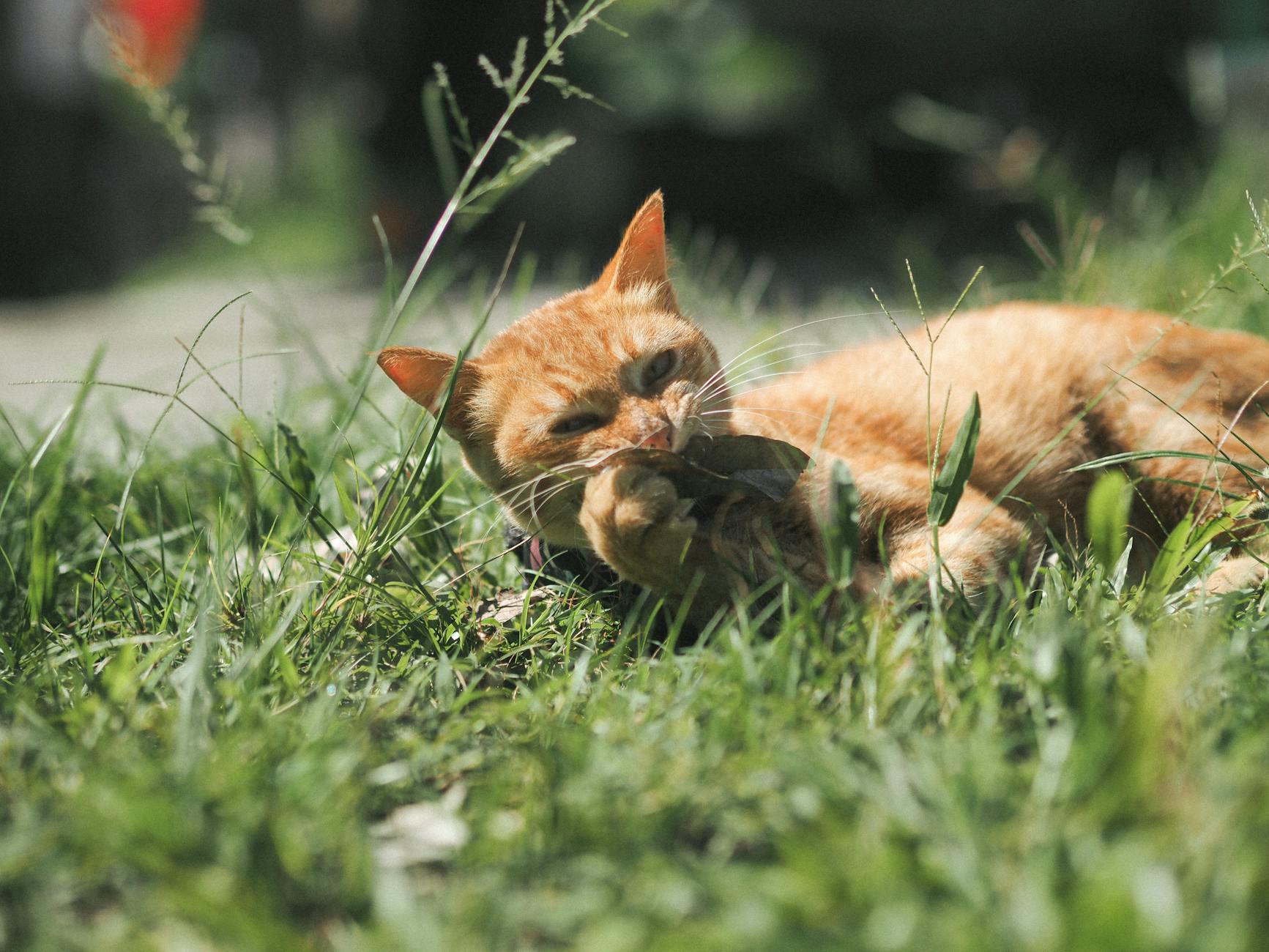
Splinters are the most immediate and visible risk when cats chew wooden objects. A cat’s mouth is relatively small, and wooden splinters can easily lodge between teeth, puncture gums, or create cuts along the inside of the cheeks and lips. These injuries are painful and prone to infection, especially in the warm, bacteria-rich environment of the mouth. Even a tiny splinter can become problematic if it lodges beneath the gum line or between teeth where you can’t see it.
The risk escalates if your cat swallows splinters. Small splinters may pass through the digestive tract without incident, but larger pieces or sharp ones can puncture the mouth, throat, or intestines. A cat with a punctured throat might show signs like drooling, difficulty swallowing, or reluctance to eat. Internal injuries from swallowed splinters can be hard to diagnose and may not show symptoms until infection develops, making prevention far easier than treatment. This is why even “harmless” chewing on wooden objects should be redirected to safer alternatives.
INTESTINAL BLOCKAGES FROM INGESTED WOOD
When cats swallow pieces of wooden spoon, the material doesn’t digest—it passes through the digestive system as a foreign object. Small, smooth pieces may pass without problems, but larger chunks or splintered pieces can lodge in the stomach or intestines, creating a blockage. Intestinal blockages are serious medical emergencies that often require surgery to resolve. Symptoms include vomiting, loss of appetite, abdominal pain, lethargy, and constipation or diarrhea.
The challenge with blockages is that they don’t always announce themselves immediately. Your cat might seem fine for hours or even a day after swallowing a piece of wood, then suddenly deteriorate. By that point, the blockage may have caused tissue damage or twisted the intestine. Veterinary imaging can usually identify a blockage, but imaging and surgery come with significant costs—often $2,000 to $5,000 or more depending on the severity and your location. Prevention by removing wooden chew toys is far simpler and cheaper than emergency surgery.
BEHAVIORAL SOLUTIONS: REDIRECTING YOUR CAT’S CHEWING
If your cat is chewing wooden spoons, the goal is to interrupt the behavior and offer alternatives that satisfy the same urge. This works best with consistent redirection over time. When you catch your cat chewing on a wooden spoon, calmly remove the object and offer a cat-approved chew toy instead—something like a rubber mouse, a sisal rope toy, or a specialized dental chew designed for cats. Positive reinforcement (praise or a small treat) when your cat chews appropriate toys helps reinforce the new habit. Environmental management matters too.
Keep wooden utensils out of reach by storing them in closed drawers or cabinets rather than in open containers on counters. If your cat is bored, increase playtime with interactive toys, feather wands, or laser pointers. Enrichment reduces stress-related chewing and gives your cat an outlet for their hunting instincts. Some cats also benefit from puzzle feeders or food-dispensing toys that keep their minds occupied. The comparison here is clear: a cat with adequate enrichment and appropriate toys is far less likely to turn to wooden spoons as entertainment.
SIGNS YOUR CAT HAS BEEN INJURED BY WOODEN SPOON CHEWING
Knowing what symptoms to watch for helps you catch problems early. Immediate signs of mouth injury include excessive drooling, difficulty eating or swallowing, bleeding from the mouth, bad breath, or visible splinters or wounds inside the mouth. If you notice any of these, a veterinary exam is warranted even if the injury looks minor—cat bites and splinters can develop serious infections quickly. A cat with a mouth wound from wood may stop eating normally because the pain interferes with chewing and swallowing.
If your cat has swallowed a larger piece of wood, watch for vomiting, loss of appetite, lethargy, abdominal pain (indicated by hunching or sensitivity when touched), or changes in bowel movements. These symptoms can appear hours or days after ingestion. Any combination of vomiting and loss of appetite warrants a veterinary visit, especially if your cat has a known history of chewing non-food objects. Don’t wait to see if the symptoms resolve on their own—blockages and internal injuries worsen rapidly without treatment. A cat that vomits repeatedly or stops eating is in danger and needs immediate professional evaluation.

SAFE CHEWING ALTERNATIVES FOR CATS
Cats need appropriate outlets for chewing behaviors, so offering safe alternatives is part of managing the problem. Rubber toys designed specifically for cats, like rubber mice or small balls with nubs, provide tactile stimulation without the splinter risk. Sisal rope toys appeal to many cats and are much safer than wooden utensils since they’re designed to be chewed and won’t splinter into sharp pieces. Catnip-filled toys often increase interest and redirect chewing behavior toward something appropriate, making the new toy more rewarding than the forbidden wooden spoon.
Dental chews designed for feline teeth cleaning can satisfy chewing urges while providing health benefits, though these should be selected based on your cat’s size and chewing intensity. Cardboard scratching posts or tunnels offer a different texture and are safer than wood. The key is offering variety—different textures, sizes, and types of toys—so your cat has multiple appropriate outlets. Rotating toys periodically keeps them novel and interesting, maintaining your cat’s engagement.
WHEN TO SEEK VETERINARY CARE
You don’t need to panic if your cat chews a wooden spoon once, but you should monitor them carefully over the next few days for symptoms of injury or blockage. If your cat has obvious mouth wounds, is drooling excessively, or won’t eat, contact your vet the same day. If you know your cat swallowed a large chunk of wood, call your veterinarian for guidance—they may want to do imaging or observe your cat to catch blockages early.
Repeated chewing on wooden objects is worth discussing with your vet too, even without symptoms, because it signals a behavioral or environmental issue that needs addressing. Your vet can rule out underlying problems like dental disease, nutritional deficiencies, or anxiety that might be driving the behavior. The forward-looking insight here is that addressing the root cause of chewing behavior now prevents more serious incidents later and improves your cat’s overall wellbeing.
Conclusion
Wooden spoons are not safe chew toys for cats. The splinter risk, potential for mouth injuries, and danger of intestinal blockages make them hazardous objects to leave within reach. While a single incident of chewing a wooden spoon is unlikely to cause serious harm, the behavior itself is worth interrupting through consistent redirection and environmental management.
The best approach combines prevention—storing wooden utensils safely away from your cat—with positive behavior redirection toward safer chew toys and adequate enrichment. Monitor your cat after any wooden spoon chewing incident for signs of mouth injury or intestinal problems, and consult your veterinarian if symptoms appear or if your cat shows a persistent pattern of chewing non-food objects. By addressing the behavior early and providing appropriate alternatives, you protect your cat’s health and reduce the risk of expensive veterinary emergencies.
Frequently Asked Questions
What should I do if my cat swallowed a piece of wooden spoon?
Monitor your cat closely for the next 48-72 hours for symptoms like vomiting, loss of appetite, abdominal pain, or lethargy. Small, smooth pieces often pass without incident, but larger chunks pose blockage risk. Call your veterinarian for guidance, especially if your cat shows any of these symptoms or if you know a large piece was swallowed.
Can splinters from wooden spoons cause infection in cats?
Yes. Splinters lodged in the mouth or throat can create wounds that become infected in the warm, bacteria-rich oral environment. Even small, invisible splinters under the gum line can lead to serious infections, which is why any visible mouth injury after wood chewing warrants veterinary attention.
Are some types of wood safer for cats than others?
While some woods are less toxic than others, the splinter and blockage risks apply to all wooden spoons regardless of the type of wood. The hazard isn’t toxicity—it’s physical injury, so no wooden utensil is truly safe as a cat chew toy.
How can I tell if my cat is chewing wooden spoons out of boredom?
Cats bored from lack of enrichment often chew excessively on available objects. If your cat chews wooden spoons primarily when alone or when they haven’t played recently, boredom is likely the issue. Increasing interactive playtime, puzzle feeders, and toy rotation usually reduces the behavior significantly.
What’s the best safe chew toy alternative for a cat that loves wooden spoons?
If your cat prefers hard textures, try rubber chew toys designed for cats or sisal rope toys. If they seem to like the oral stimulation, dental chews or catnip toys work well. Observe what about the wooden spoon appealed to them—size, weight, texture—and match those qualities in a safe toy.
When should I call the vet about my cat chewing wooden spoons?
Call immediately if you see mouth wounds, bleeding, excessive drooling, or difficulty eating. Call the same day if your cat vomits, loses appetite, shows abdominal pain, or seems lethargic. Call within 24 hours if your cat shows a persistent pattern of chewing wooden objects, as your vet can help identify underlying behavioral or medical issues.