
Yes, it is safe to share dishware with your house cat—provided you follow proper cleaning protocols. The U.S. Centers for Disease Control and Prevention officially confirms that pet supplies, including bowls, can be washed with human dishware when cleaned appropriately. This means that the occasional use of a regular plate or bowl for your cat’s food or water doesn’t pose an inherent health risk to your household.
However, “safe” comes with an important caveat: the safety depends entirely on how thoroughly you clean the dishware afterward. The real concern isn’t the act of sharing itself, but what happens if contaminated dishes aren’t cleaned well enough. Cats can harbor bacteria and parasites that may contaminate dishware, and these pathogens can survive on surfaces if proper disinfection doesn’t occur. A cat with an intestinal parasite, for example, could theoretically leave microscopic particles on a plate that then spreads to humans if that plate isn’t cleaned with sufficient heat or disinfectant.
Table of Contents
- What Health Risks Come From Sharing Dishware With Cats?
- How Contamination Actually Happens on Dishware
- Which Specific Parasites and Bacteria Pose a Threat?
- How Proper Cleaning Makes Shared Dishware Safe
- Cross-Contamination Risks in Your Kitchen
- When Separate Dishware Makes the Most Sense
- Making the Practical Choice for Your Household
- Conclusion
What Health Risks Come From Sharing Dishware With Cats?
The primary health concern when sharing dishware with cats is parasite contamination, not bacteria. Internal parasites—particularly roundworms, hookworms, and giardia—represent the main danger from dishes contaminated by feline feces. These parasites are microscopic and can survive on surfaces longer than many realize. Even a cat that appears healthy may shed parasitic eggs in its stool, and if those particles end up on a shared plate that isn’t thoroughly cleaned, the risk of transmission exists. Bacterial contamination is a secondary but legitimate concern. Cats can carry methicillin-resistant Staphylococcus aureus (MRSA) and leptospira bacteria, both of which can theoretically transfer to humans through contaminated dishes.
MRSA is particularly notable because it resists many antibiotics, making infections harder to treat. However, the actual risk of infection from casual dishware sharing is low in healthy households with good hygiene practices. Your immune system is generally equipped to handle exposure to small numbers of pathogens. The risk escalates significantly in households with immunocompromised individuals, young children, or elderly family members. These populations have weaker immune responses and are more vulnerable to illness from parasitic and bacterial exposure. In these situations, the CDC’s recommendation to wash pet dishware separately or to use dedicated pet dishes becomes more critical.

How Contamination Actually Happens on Dishware
Contamination occurs when a cat‘s mouth, paws, or fecal matter comes into contact with dishware, and then those dishes aren’t cleaned thoroughly enough to eliminate the pathogens. The most common route is fecal contamination: a cat uses the litter box, doesn’t wash its paws (because cats lack soap and water), and then walks across the kitchen counter or sits near dishware. Even minimal contact can leave parasitic eggs or bacteria on a plate. Hand-washing provides a significant limitation here. While hot water and regular dish soap can kill many pathogens, the temperature of typical hand-washing doesn’t always reach the level needed to reliably eliminate all bacteria and parasite eggs.
Water from a kitchen sink rarely exceeds 130–140°F when washing dishes by hand, and that temperature sustained for an appropriate duration is needed for reliable disinfection. This is why veterinarians recommend either using a dishwasher set to a sanitizing cycle or designating separate dishware for pets. Another frequently overlooked contamination route is the sink and sponge themselves. If you wash your cat’s bowl with the same sponge you use for dinner plates, and that sponge isn’t sanitized afterward, you’re creating a reservoir for pathogenic transfer. A damp kitchen sponge is an ideal environment for bacteria to survive and multiply over time.
Which Specific Parasites and Bacteria Pose a Threat?
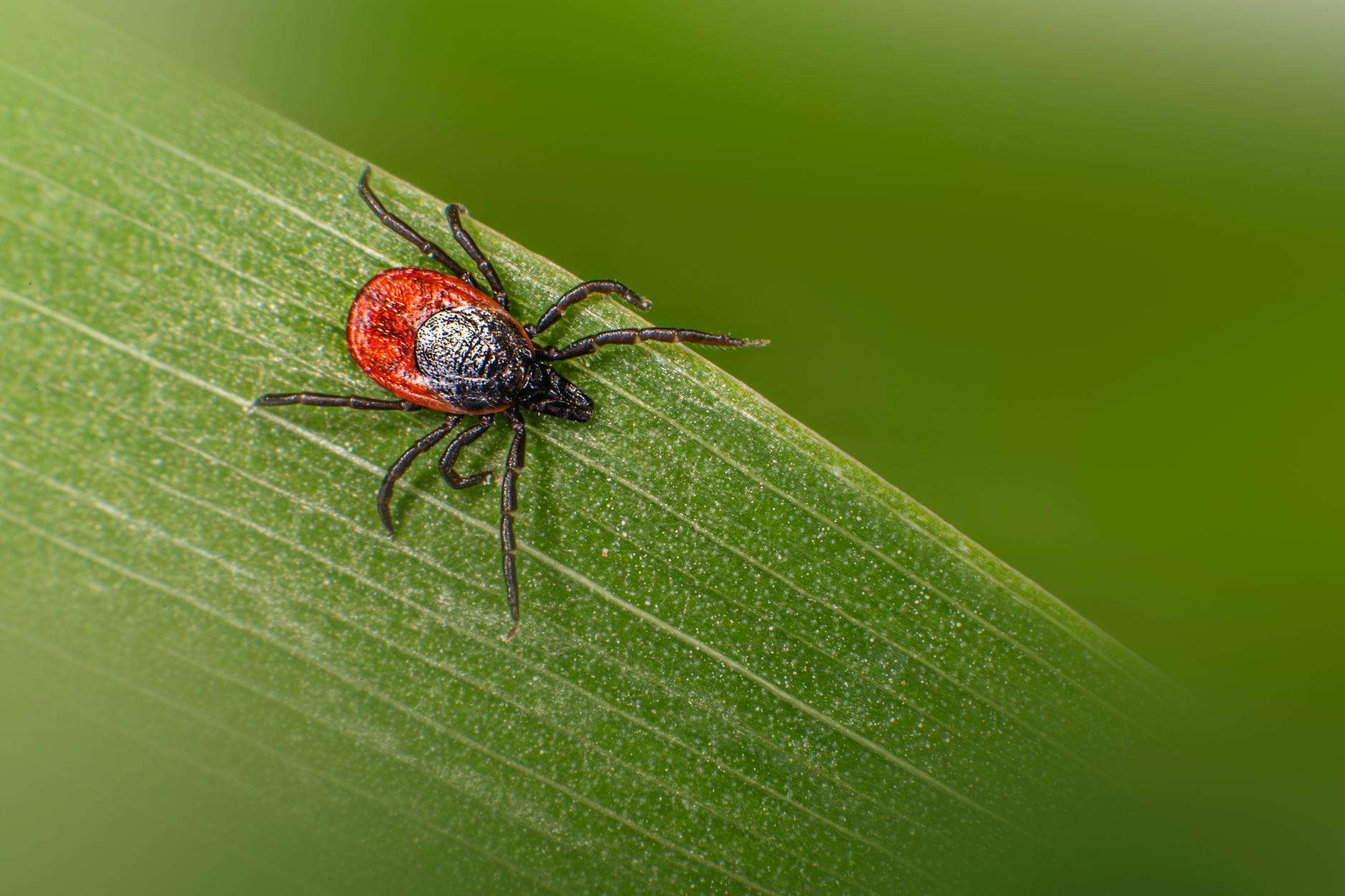
Roundworms are among the most common parasites found in cats, and they’re also capable of infecting humans. Kittens and younger cats are more likely to carry roundworms, though adult cats can too, especially if they hunt or have access to the outdoors. Roundworm eggs are extremely durable and can survive on surfaces for months, making them a particular concern with shared dishware. Accidental ingestion of roundworm eggs from contaminated dishes is rare but documented in medical literature. Hookworms, another intestinal parasite, can penetrate human skin directly, though this typically occurs from contact with contaminated soil rather than dishware.
However, hookworm eggs can still be present on dishes and pose a swallowing risk, particularly for children who might put contaminated dishes or utensils in their mouths. Giardia, a protozoan parasite, causes severe diarrhea and is highly infectious even from minimal exposure. One giardia cyst is theoretically sufficient to cause infection in humans. MRSA colonizes the skin and mucous membranes of some cats without causing them illness, but transmission to humans can occur through direct contact or via contaminated surfaces. Leptospira bacteria, shed in urine, can cause serious illness in humans ranging from mild flu-like symptoms to severe jaundice and kidney failure. While urine contamination on dishware is less common than fecal contamination, it remains a possibility, particularly if a cat has urinated on or near dishware.
How Proper Cleaning Makes Shared Dishware Safe
The CDC and veterinary experts emphasize that proper disinfection makes shared dishware safe. A dishwasher running on its high-temperature or sanitizing setting effectively eliminates pathogens because water temperature reaches 140–165°F, which is sufficient to kill bacteria and inactivate parasites. If you use your household dishwasher for both cat and human dishes, running it on the sanitizing cycle provides reliable pathogen elimination. This is the simplest and most effective method for households that choose to share dishware. Hand-washing, by contrast, requires more diligence. To safely hand-wash shared dishware, you need to use hot water as hot as your hands can tolerate (at least 130°F ideally), scrub thoroughly with soap to remove organic matter, and then either use a separate drying cloth designated for pet dishes or air-dry.
Many households find this approach tedious and impractical for daily use. The tradeoff with dishwasher sanitizing is convenience versus the ongoing effort required for hand-washing. An alternative approach gaining recognition among veterinarians is using dedicated sponges and cleaning supplies solely for pet dishware. This prevents cross-contamination through your regular cleaning tools. Keep a sponge specifically for cat bowls, a separate dish brush for cat plates, and consider sanitizing these tools regularly by boiling them or running them through the dishwasher independently. Some cat owners alternate between two sets of pet dishware, washing one set while the other is in use.
Cross-Contamination Risks in Your Kitchen
Even if you wash your cat’s plate in the dishwasher, cross-contamination can occur before the dishes reach the dishwasher. If you scrape leftover food into the sink or place a contaminated cat bowl directly next to your dinner plates on the counter, you’re creating opportunities for pathogens to spread. This is where a significant limitation of hand-washing emerges: once a pathogen-laden sponge contacts other dishes, it can compromise them. Your sink, countertops, and kitchen towels all become potential vectors. The CDC specifically notes that cleaning and disinfecting pet supplies should be done thoughtfully to prevent broader contamination.
This means not just cleaning the bowl or plate, but also cleaning the surfaces where you handled it. For households concerned about cross-contamination, the cleanest approach is complete separation: use only dedicated pet dishes, wash them with dedicated tools, and store them separately from human dishware. Temperature and duration matter in ways that casual hand-washing often misses. The water needs to be hot enough and you need to let it sit long enough to actually disinfect. A quick rinse with lukewarm soapy water, even though it might look clean, won’t reliably eliminate parasites. This limitation is especially important to understand if you have vulnerable household members or if your cat has a known parasite infection.
When Separate Dishware Makes the Most Sense
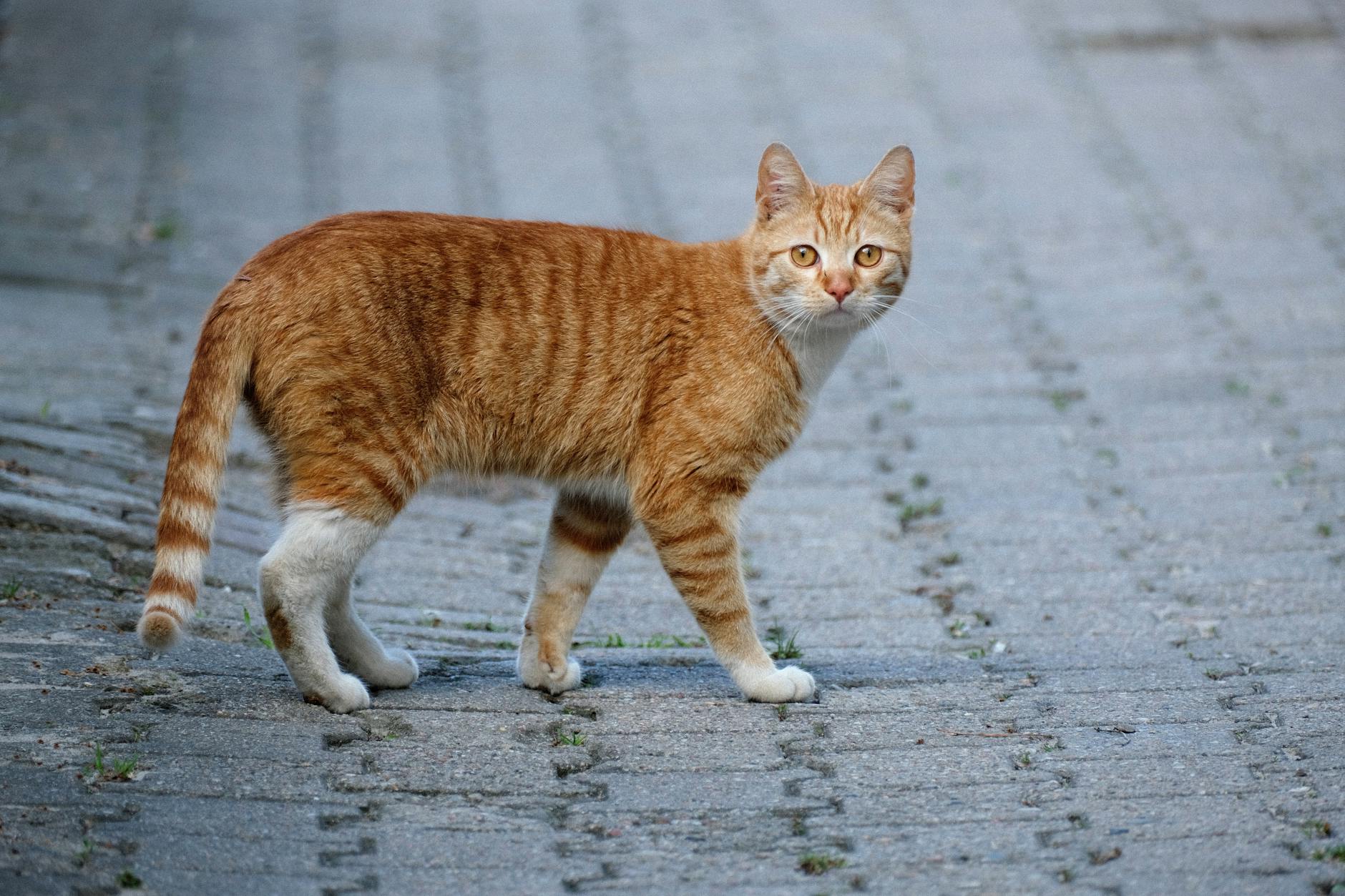
Veterinarians recommend dedicated pet dishware in several specific situations. If your cat has a diagnosed parasite infection, separate dishware becomes essential until the infection is treated and confirmed eliminated. Outdoor cats or cats with frequent outdoor access have higher parasite loads than strictly indoor cats, making separate dishes more prudent.
Indoor cats with no history of parasites pose a lower risk, but the safest approach is still separation. Households with young children, pregnant women, elderly members, or immunocompromised individuals should strongly consider dedicated pet dishware as a precaution. The cost of buying a few inexpensive bowls and plates is minimal compared to the potential medical consequences of parasitic or bacterial infection in vulnerable family members. For these households, separate dishware transforms the question from “is it safe?” to “why wouldn’t we keep them separate?”.
Making the Practical Choice for Your Household
The decision to share dishware with your cat ultimately depends on your specific circumstances. A healthy household with an indoor cat that has no known parasites, where you have access to a dishwasher with a sanitizing cycle, can likely safely share dishware if you run it on the appropriate setting. The CDC approval for this practice exists because they’ve determined the risk is manageable under these conditions.
However, the consensus among veterinarians leans toward recommending separate dishware as a precautionary measure, not because sharing is inherently dangerous, but because the extra effort is minimal and the safety margin becomes absolute. You avoid the entire question of whether you washed it hot enough or whether your sponge was adequately sanitized. From a risk-management perspective, this is the most conservative and recommended approach.
Conclusion
Sharing dishware with your house cat is safe if proper cleaning is performed, according to the CDC. The primary health risks are parasite contamination—particularly roundworms, hookworms, and giardia—and secondary concerns include bacterial pathogens like MRSA and leptospira. Whether you choose to share dishware or use separate dishes should depend on your household composition, your cat’s health status, and your willingness to maintain rigorous dishwashing protocols.
For most households, dedicated pet dishware remains the simplest and safest approach. It eliminates the need to monitor water temperature, sponge contamination, and kitchen cross-contact. But if you do choose to share dishware, ensure you’re using your dishwasher’s sanitizing cycle or maintaining meticulous hand-washing standards. Either way, the key principle remains the same: the cleanliness of the dishware after washing is what determines whether sharing is safe, and proper disinfection can reliably achieve that.