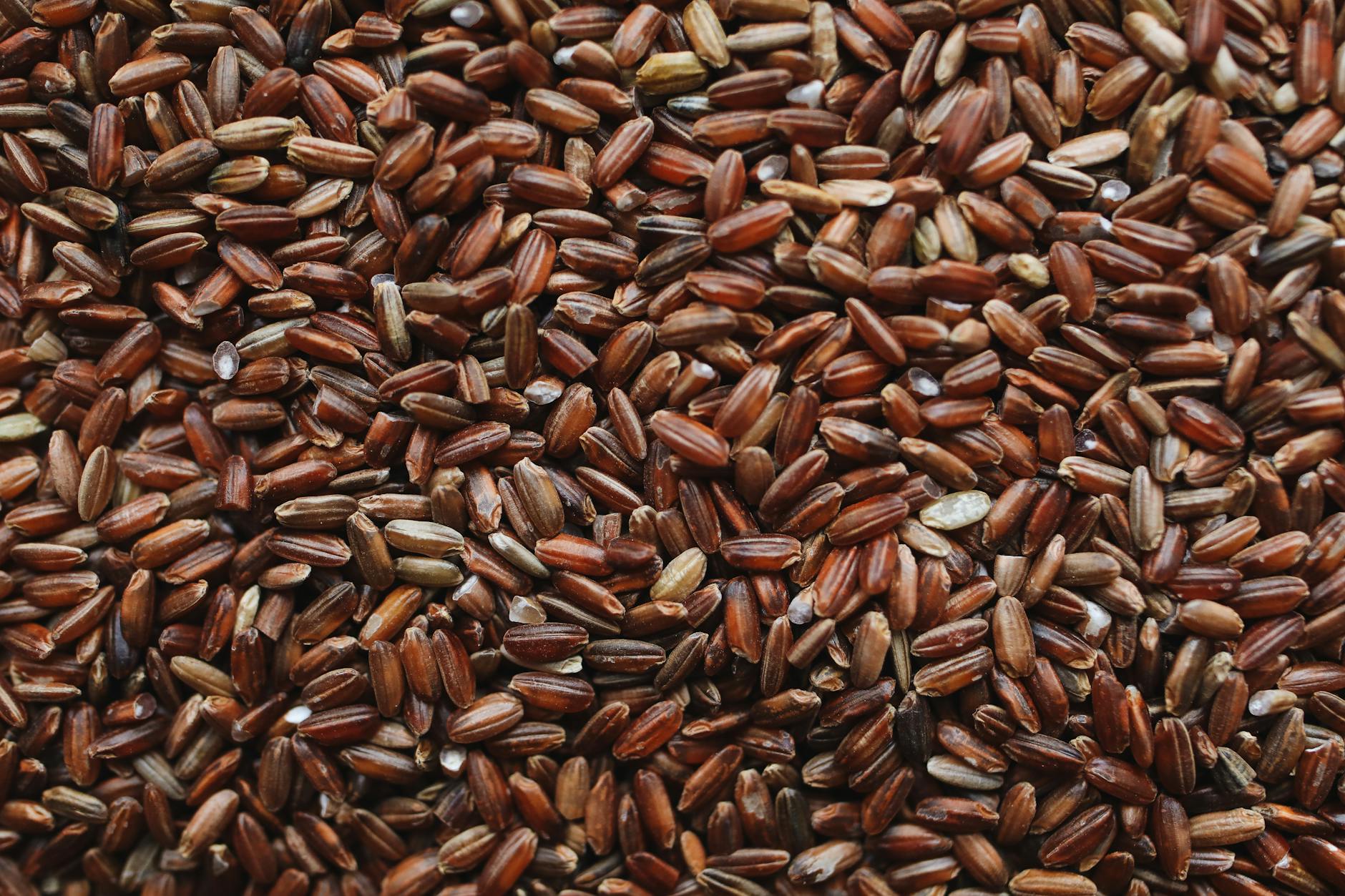
Yes, plain cooked rice is generally safe for cats to eat in small amounts. Rice is non-toxic to felines and can even serve as a bland, easily digestible food during episodes of gastrointestinal upset. If your cat sneaks a few grains of rice from your dinner plate, there is no need for alarm””this grain will not poison your pet or cause immediate harm. However, rice should never become a significant part of a cat’s diet because it offers little nutritional value for obligate carnivores who require animal-based protein to thrive.
The key distinction lies between “safe” and “beneficial.” A cat recovering from diarrhea might benefit from a temporary diet of boiled chicken and white rice, a combination veterinarians have recommended for decades to settle upset stomachs. But feeding rice regularly or in large quantities can lead to nutritional deficiencies, weight gain, and digestive problems. For instance, a cat fed rice as a meal replacement even a few times per week could develop protein deficiencies within months, leading to muscle wasting and a dull coat. This article explores the nuances of feeding rice to cats, including which types of rice are safest, appropriate portion sizes, potential risks, and situations where rice might actually help your feline companion. Understanding these details will help you make informed decisions about whether and when to offer this grain to your cat.
Table of Contents
- Can Cats Digest Rice, and Does It Provide Any Nutritional Benefit?
- White Rice vs. Brown Rice: Which Is Safer for Cats?
- When Veterinarians Actually Recommend Rice for Cats
- How Much Rice Can You Safely Feed a Cat?
- Risks and Warning Signs: When Rice Becomes Problematic
- Rice in Commercial Cat Foods: What the Labels Mean
- The Bottom Line on Rice and Feline Nutrition
- Conclusion
Can Cats Digest Rice, and Does It Provide Any Nutritional Benefit?
cats possess the digestive enzymes necessary to break down cooked rice, though their systems are not optimized for processing carbohydrates. Unlike humans and dogs, cats evolved as strict carnivores eating prey animals with minimal plant matter. Their shorter digestive tracts and limited production of amylase””the enzyme that breaks down starches””mean carbohydrates move through their system quickly and are not efficiently converted to usable energy. A cat eating rice will digest some of it, but much passes through with limited absorption. From a nutritional standpoint, rice provides carbohydrates, a small amount of protein, and traces of minerals like manganese and selenium.
However, these nutrients exist in forms that cats cannot fully utilize. The protein in rice lacks the essential amino acids cats require, particularly taurine, which is found almost exclusively in animal tissue. A comparison illustrates this clearly: 100 grams of cooked white rice contains about 2.7 grams of incomplete plant protein, while the same amount of chicken breast provides 31 grams of complete protein with all amino acids a cat needs. The limited nutritional value of rice does not make it harmful””it simply means rice functions more as filler than food for cats. Some commercial cat foods include rice as a carbohydrate source and binding agent, typically comprising less than 10 percent of the formula. In these products, rice serves an economic and textural purpose rather than a nutritional one.
White Rice vs. Brown Rice: Which Is Safer for Cats?
White rice is generally the better choice when feeding rice to cats, despite brown rice being considered healthier for humans. The reason comes down to digestibility. White rice has been milled to remove the bran and germ, leaving only the starchy endosperm. This processing makes white rice softer, easier to cook thoroughly, and simpler for a cat’s digestive system to handle. Brown rice retains its fibrous outer layers, which can be difficult for cats to break down and may cause bloating or discomfort. The fiber content in brown rice, while beneficial for human digestion, can create problems for felines.
A cat’s gastrointestinal tract is designed for a low-fiber diet of meat, and introducing significant fiber can accelerate gut motility, potentially worsening diarrhea rather than helping it. If you are feeding rice specifically to soothe an upset stomach, brown rice may actually undermine your goal. However, if your cat has constipation issues and your veterinarian recommends adding fiber, small amounts of well-cooked brown rice might be appropriate under guidance. One limitation worth noting: even white rice must be cooked thoroughly and served plain. Undercooked rice is extremely difficult for cats to digest and can cause intestinal blockages. Rice prepared with butter, salt, garlic, onion, or seasonings introduces ingredients that range from unhealthy to outright toxic. Garlic and onion, common in rice dishes, can cause hemolytic anemia in cats even in small amounts.
When Veterinarians Actually Recommend Rice for Cats
Despite rice offering little nutritional value, there are specific medical situations where veterinarians suggest incorporating it into a cat’s diet temporarily. The most common scenario involves acute gastrointestinal upset””vomiting or diarrhea from dietary indiscretion, stress, or mild infections. A bland diet of boiled chicken breast mixed with plain white rice, offered in small frequent meals, can give the digestive system time to recover without the complexity of regular cat food. A typical example occurs when a cat eats something disagreeable, like stealing a piece of fatty meat or sampling houseplants. The resulting stomach upset often resolves within 24 to 48 hours, during which the bland diet provides easily digestible calories without irritating the gut further.
Veterinarians might recommend a ratio of approximately 75 percent chicken to 25 percent rice, though this varies based on individual cases. The rice adds bulk to the stool and absorbs excess fluid in the intestines. This recommendation has important boundaries. The bland diet is meant to last only a few days while symptoms resolve. If vomiting or diarrhea persists beyond 48 hours, the cat needs veterinary examination rather than continued home treatment. Additionally, cats with chronic conditions like inflammatory bowel disease or food allergies may not tolerate rice at all, and those with diabetes should avoid it due to the blood sugar impact of carbohydrates.

How Much Rice Can You Safely Feed a Cat?
Portion control matters significantly when offering rice to cats. As a general guideline, rice should never constitute more than 10 percent of a cat’s daily caloric intake, and even that amount should be occasional rather than routine. For an average 10-pound cat requiring approximately 200 calories per day, this means no more than 20 calories from rice””roughly two tablespoons of cooked white rice. Most cats should receive considerably less than this maximum. The tradeoff with rice involves caloric displacement. Every calorie a cat consumes from rice is a calorie not coming from nutritionally complete cat food.
A cat filling up on rice may eat less of their regular diet, missing out on essential proteins, fats, vitamins, and minerals. This becomes problematic quickly because cats have high protein requirements relative to their body size. A single meal where rice comprises a significant portion can leave a cat protein-deficient for that feeding. When comparing rice to other occasional treats, the risk profile differs. A small piece of cooked chicken, while also a treat, at least provides complete protein and amino acids. Rice provides empty carbohydrate calories that a cat’s body will either store as fat or pass without full utilization. If you want to offer your cat variety or a special treat, lean cooked meats without seasoning are nutritionally superior to grains.
Risks and Warning Signs: When Rice Becomes Problematic
While rice is not toxic, it can cause health problems under certain circumstances. Cats with diabetes should not eat rice because the carbohydrates cause blood glucose spikes that complicate disease management. Similarly, overweight cats should avoid rice since the carbohydrate calories contribute to fat storage without providing satiety. A cat prone to urinary crystals may also fare worse with rice, as some evidence suggests high-carbohydrate diets can affect urine pH. Watch for warning signs that indicate your cat is not tolerating rice well. These include vomiting, diarrhea, excessive gas, bloating, or constipation in the hours or day following rice consumption.
Some cats develop these symptoms even from small amounts, indicating individual intolerance. Lethargy or behavior changes after eating rice could signal digestive discomfort. If your cat consistently reacts poorly to rice, eliminate it entirely regardless of what general guidelines suggest. A critical warning involves uncooked rice. Raw rice grains are essentially indigestible for cats and can expand in the stomach when exposed to moisture, causing dangerous blockages. If your cat consumes dry rice””perhaps from spilling a container or accessing stored goods””monitor closely for signs of intestinal obstruction: repeated vomiting, inability to defecate, abdominal pain, or refusal to eat. These symptoms require immediate veterinary attention.

Rice in Commercial Cat Foods: What the Labels Mean
Many commercial cat foods list rice or rice flour among their ingredients, which sometimes concerns cat owners who have heard that cats should not eat grains. In this context, rice serves several purposes: it provides an inexpensive source of carbohydrates for energy, acts as a binding agent to give kibble its shape, and helps create a texture that appeals to cats. The rice in these formulas is processed and incorporated in ways that differ from serving plain rice at home.
For example, a quality commercial cat food might contain 5 to 8 percent rice in a formula where animal proteins like chicken or fish comprise the first several ingredients. The rice in this case undergoes processing that increases digestibility, and the overall formula is balanced to meet feline nutritional requirements despite the grain inclusion. This differs from adding rice to your cat’s bowl at home, where the rice dilutes an otherwise complete diet rather than being integrated into a calculated formula.
The Bottom Line on Rice and Feline Nutrition
The growing interest in grain-free diets has created confusion about whether cats should ever consume rice or similar carbohydrates. Research does not support rice as beneficial for cats, but neither does it suggest that occasional small amounts cause harm in healthy animals. The middle ground recognizes rice as a neutral food that can serve specific purposes””settling upset stomachs, adding bulk to meals for weight management under veterinary guidance, or simply satisfying a curious cat who wants to taste what their human is eating.
Looking forward, the trend in feline nutrition continues moving toward higher-protein, lower-carbohydrate formulations that better mirror cats’ evolutionary diet. This means rice will likely remain what it has always been for cats: an occasional acceptable addition rather than a dietary staple. Cat owners can feel comfortable offering a few grains of plain cooked rice as a rare treat while ensuring their pet’s primary nutrition comes from high-quality animal protein sources designed for obligate carnivores.
Conclusion
Plain cooked rice is safe for most cats in small, infrequent amounts but offers no nutritional necessity for these obligate carnivores. White rice is preferable to brown rice due to easier digestibility, and all rice must be thoroughly cooked and free of seasonings, butter, or additions like garlic and onion that can harm cats. The appropriate portion is minimal””a tablespoon or two at most””and rice should never replace nutritionally complete cat food.
Certain cats should avoid rice entirely, including those with diabetes, significant weight problems, or digestive sensitivities. When veterinarians recommend rice as part of a bland diet for gastrointestinal upset, this use is temporary and specific. For everyday feeding, focus on quality cat food formulated to meet feline nutritional requirements, and treat rice as what it is for cats: an occasional, neutral food rather than a beneficial dietary component.