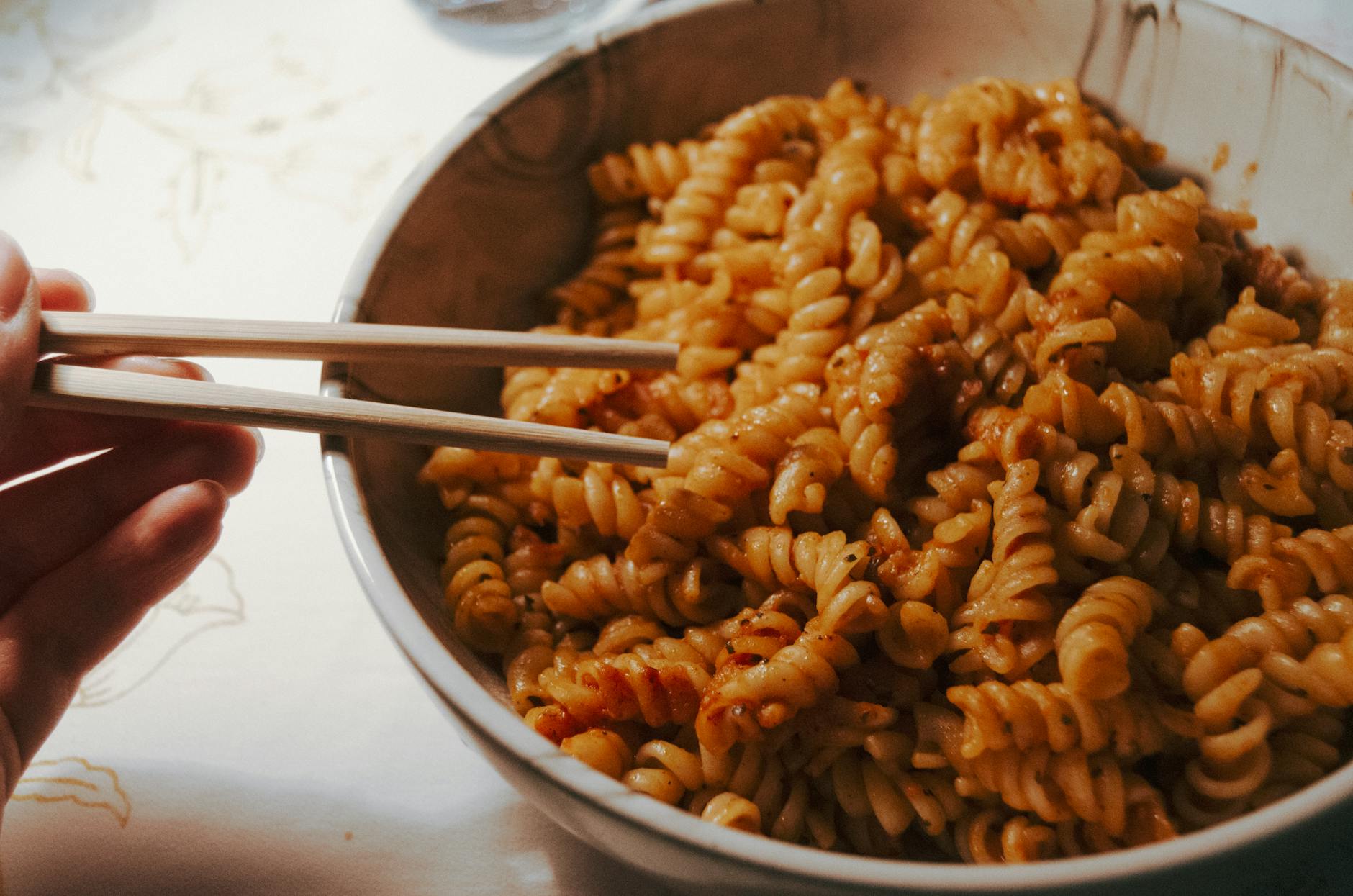
Plain cooked pasta is generally safe for cats to eat in small amounts as an occasional treat, but it offers no nutritional benefit and should never become a regular part of their diet. Cats are obligate carnivores, meaning their bodies are designed to derive nutrition almost exclusively from animal protein. A few bites of plain spaghetti or macaroni will not harm a healthy cat, but the carbohydrates in pasta are essentially empty calories that their digestive systems are not optimized to process. For example, if your cat sneaks a piece of penne from your plate, there is no need to panic or rush to the veterinarian””but you also should not make it a habit of sharing your Italian dinner.
The real concerns with pasta come from the ingredients often served alongside it, the potential for digestive upset, and the risk of displacing proper nutrition. Garlic and onion, common in many pasta sauces, are toxic to cats. Cream-based sauces can cause gastrointestinal distress due to lactose intolerance, which is common in adult cats. Raw pasta dough containing yeast poses serious health risks. This article examines why cats may be drawn to pasta, the specific dangers of various preparations, how much is too much, and what alternatives might satisfy a curious cat without compromising their health.
Table of Contents
- Can Cats Digest Pasta and Other Carbohydrates Safely?
- The Hidden Dangers in Pasta Sauces and Seasonings
- Why Do Cats Show Interest in Pasta?
- How Much Pasta Can a Cat Safely Eat?
- When Pasta Becomes Dangerous: Raw Dough and Medical Conditions
- Alternative Treats That Satisfy Curious Cats
- The Bottom Line on Feline Nutrition and Human Foods
- Conclusion
Can Cats Digest Pasta and Other Carbohydrates Safely?
cats possess a fundamentally different digestive system than humans and even dogs. Their short digestive tracts and limited production of amylase””the enzyme that breaks down carbohydrates””mean they extract very little nutritional value from grains and starches. While a cat’s body can process small amounts of cooked carbohydrates, it does so inefficiently compared to the protein-rich diet their systems evolved to handle. A cat eating pasta is essentially consuming filler that passes through their system without contributing meaningfully to their health.
Compared to dogs, who have adapted somewhat to digest starches after thousands of years of living alongside grain-eating humans, cats remain almost entirely carnivorous in their nutritional requirements. Dogs produce more amylase and can handle carbohydrate-heavy foods more readily, though neither species thrives on pasta as a dietary staple. For cats specifically, the protein in a piece of chicken delivers amino acids like taurine that are essential for heart health, vision, and reproduction. Pasta delivers none of these critical nutrients. A cat that fills up on pasta may subsequently eat less of their nutritionally complete cat food, leading to deficiencies over time.
- —

The Hidden Dangers in Pasta Sauces and Seasonings
The pasta noodle itself is not the primary threat to feline health””the accompaniments are far more concerning. Garlic and onion, members of the allium family, are toxic to cats even in small quantities. These ingredients damage red blood cells and can lead to hemolytic anemia, a potentially fatal condition. Many commercial pasta sauces contain garlic powder or onion powder as flavor enhancers, making them dangerous even when the presence of these ingredients is not obvious. A single exposure to sauce-covered pasta is unlikely to cause severe poisoning, but repeated exposure or large amounts can create serious health problems. cream-based sauces present a different concern.
Most adult cats are lactose intolerant because they stop producing sufficient lactase after weaning. Alfredo sauce, carbonara, or any dish containing cheese, butter, or cream can trigger vomiting, diarrhea, and abdominal discomfort. However, if your cat consumes a small amount of cream sauce accidentally, the resulting digestive upset is typically self-limiting and resolves within a day or two. Watch for signs of dehydration if vomiting or diarrhea persists beyond 24 hours, and contact your veterinarian if symptoms worsen or your cat becomes lethargic. Salt is another consideration. Pasta water is often heavily salted, and prepared pasta dishes may contain sodium levels that are problematic for cats. Excessive salt intake can lead to increased thirst, urination, and in severe cases, sodium ion poisoning characterized by vomiting, tremors, and elevated body temperature.
- —
Why Do Cats Show Interest in Pasta?
Despite having no biological need for carbohydrates, many cats display curiosity or even enthusiasm for pasta. This behavior often stems from the smell of accompanying proteins, fats, and seasonings rather than attraction to the noodles themselves. Cats have approximately 470 taste buds compared to roughly 9,000 in humans, and they lack receptors for sweetness entirely. What draws them to your plate is likely the aroma of meat-based sauce, butter, or cheese rather than any inherent appeal of wheat-based products.
Some cats enjoy the texture of pasta, finding the chewiness engaging in a way that mimics certain prey textures. A cat batting around a piece of spaghetti may be expressing natural hunting instincts rather than genuine hunger. One cat owner reported that her tabby would steal strands of spaghetti from the counter not to eat them, but to carry them around the house and “kill” them repeatedly. This behavior reflects play drive rather than dietary preference. Additionally, cats often want what their human family members are eating simply because sharing food is a social behavior they observe and wish to participate in.
- —
How Much Pasta Can a Cat Safely Eat?
If you decide to share a small amount of plain pasta with your cat, portion control is essential. A piece or two of cooked noodle””roughly the size of a single macaroni elbow or a one-inch segment of spaghetti””represents an appropriate occasional treat. This amount provides minimal caloric impact and is unlikely to cause digestive problems in a healthy adult cat. Treats of any kind, including pasta, should comprise no more than 10 percent of a cat’s daily caloric intake, with the remaining 90 percent coming from nutritionally complete cat food. The tradeoff when offering pasta as a treat is one of nutritional opportunity cost.
Every calorie a cat consumes from pasta is a calorie they are not getting from a more beneficial source. Commercial cat treats, while also not nutritionally complete, are often fortified with vitamins or formulated to support dental health. A small piece of cooked chicken or fish provides protein and amino acids that support muscle maintenance and organ function. Pasta provides carbohydrates that a cat’s body must work to process without gaining meaningful nutrition in return. If your cat enjoys occasional pasta as a bonding experience, the harm is minimal””but recognizing that better treat options exist allows you to make informed choices.
- —
When Pasta Becomes Dangerous: Raw Dough and Medical Conditions
Raw pasta dough containing yeast presents a genuine medical emergency if ingested by a cat. The warm, moist environment of a cat’s stomach provides ideal conditions for yeast to continue fermenting and rising. This produces both carbon dioxide gas and alcohol. The expanding dough can cause painful bloating, gastric distilation, and in severe cases, rupture of the stomach lining. The alcohol produced through fermentation leads to alcohol poisoning, causing disorientation, vomiting, tremors, and potentially respiratory failure. Any cat suspected of eating raw yeast dough requires immediate veterinary attention.
Cats with certain health conditions should avoid pasta entirely, even in small amounts. Diabetic cats need carefully controlled diets with minimal carbohydrate content to maintain stable blood glucose levels. Pasta causes blood sugar spikes that can complicate diabetes management. Cats with inflammatory bowel disease or sensitive stomachs may experience flare-ups from the gluten in wheat pasta. Overweight cats should not receive any treats that add empty calories without nutritional benefit, as weight management is critical for preventing joint problems, diabetes, and other obesity-related conditions. Always consult your veterinarian before introducing any new foods to cats with chronic health conditions.
- —
Alternative Treats That Satisfy Curious Cats
For cat owners who enjoy sharing food with their pets, numerous options provide more nutritional value than pasta while satisfying feline curiosity. Small pieces of plain cooked chicken, turkey, or fish offer protein that cats can actually use. Freeze-dried meat treats available at pet stores provide convenience with single-ingredient simplicity. Some cats enjoy small amounts of cooked egg, which delivers protein and essential fatty acids.
These alternatives engage a cat’s interest in human food without the downsides of carbohydrate-heavy options. Commercially prepared cat treats formulated for dental health or hairball control accomplish the dual purpose of reward and function. Catnip, while not a food, provides stimulation and enjoyment for the approximately 70 percent of cats who respond to it. For cats who seem specifically attracted to the texture of pasta, certain dental treats offer similar chewiness while actually benefiting oral health.
- —
The Bottom Line on Feline Nutrition and Human Foods
As research into feline nutrition continues to advance, the central finding remains consistent: cats thrive on high-protein, low-carbohydrate diets that mirror what they would consume in the wild. While sharing an occasional bit of plain pasta with your cat is unlikely to cause harm, it also provides no benefit and can establish habits that lead to begging behavior or gradual weight gain.
The trend in premium cat food formulation has moved increasingly toward grain-free and high-protein options, reflecting growing understanding of obligate carnivore dietary needs. Cat owners who prioritize species-appropriate nutrition while occasionally indulging their pet’s curiosity about human food strike a reasonable balance between strictness and flexibility.
- —
Conclusion
Plain cooked pasta without sauce, seasonings, or toxic ingredients like garlic and onion is safe for healthy cats in very small quantities as an infrequent treat. However, it provides no nutritional value to obligate carnivores and should never substitute for a balanced, protein-rich diet. The greater risks lie in pasta preparations that include harmful ingredients, raw dough containing yeast, and the gradual displacement of proper nutrition if pasta becomes a regular offering.
Cat owners who wish to share food with their pets have better options available. Plain cooked meat, commercial treats, and species-appropriate snacks satisfy feline curiosity while actually supporting health. If your cat sneaks a noodle off your plate, there is no cause for concern””but making the choice to offer more beneficial alternatives serves both your cat’s immediate enjoyment and long-term wellbeing.