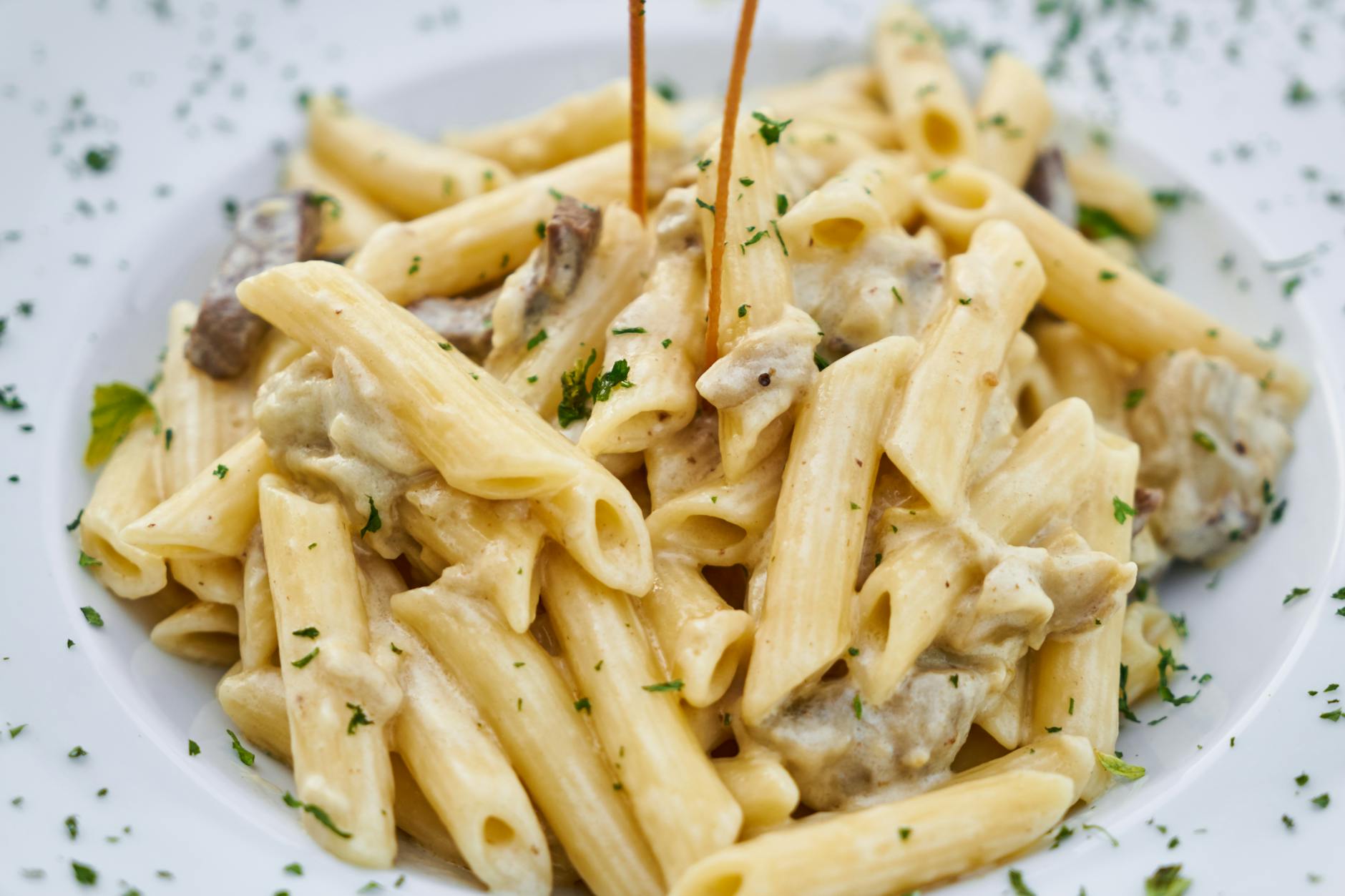
In short, plain, cooked pasta is safe for cats to eat in small quantities, but it provides little nutritional value and shouldn’t be a regular part of their diet. Cats are obligate carnivores, meaning their bodies are designed to thrive primarily on protein from meat sources. A small piece of plain cooked spaghetti or penne won’t cause immediate harm, but it won’t benefit your cat either—and in some cases, especially with added ingredients, it can create digestive problems.
For example, if your cat manages to steal a bite of plain pasta from your dinner plate, you likely have nothing to worry about; however, intentionally feeding your cat pasta or offering it regularly could lead to nutritional imbalances. Your cat’s digestive system is fundamentally different from yours. While humans can break down and utilize the carbohydrates in pasta relatively easily, cats have shorter digestive tracts and lack certain enzymes that humans produce. This means pasta moves through their system quickly and doesn’t provide meaningful calories or nutrients compared to meat-based foods.
Table of Contents
- Can Cats Safely Consume Plain Pasta?
- Digestive and Nutritional Concerns: What Pasta Does to Your Cat
- Different Types of Pasta: Which Ones Present Different Risks?
- Safe Ways to Offer Pasta to Your Cat (If You Choose To)
- Health Risks and Complications from Pasta
- What About Pasta Sauces and Seasonings?
- Better Alternatives to Pasta for Feline Nutrition
- Conclusion
Can Cats Safely Consume Plain Pasta?
Yes, plain pasta that has been thoroughly cooked and cooled is safe for cats to consume in very small amounts. The pasta itself contains no ingredients inherently toxic to felines. A few strands of cooked spaghetti, a small piece of penne, or a tiny amount of egg noodles will not cause poisoning or immediate health problems. The key word here is “plain”—no salt, oil, garlic, onions, or sauce should be present.
The issue isn’t toxicity but rather nutritional waste and potential digestive upset. When you feed your cat pasta, you’re filling their stomach with carbohydrates and refined grains instead of the protein and fats they need. Consider this comparison: feeding your cat pasta is like feeding a human athlete nothing but bread before a competition. While bread won’t poison you, it won’t fuel your body effectively either. In terms of digestion, some cats tolerate small amounts of cooked pasta without issue, while others may experience mild diarrhea or constipation, particularly if they have sensitive stomachs or digestive sensitivities.
Digestive and Nutritional Concerns: What Pasta Does to Your Cat
Cats lack sufficient amylase, the enzyme that helps break down complex carbohydrates. This means when your cat eats pasta, their body has difficulty extracting any meaningful nutrients from it. The pasta passes through largely undigested, and your cat gains only empty calories—calories that could have gone toward proper nutrition from meat and organs. Over time, if pasta becomes a regular treat, it can contribute to weight gain without providing the amino acids and micronutrients cats require.
There’s also a real risk of digestive blockages if your cat eats too much pasta at once or if the pasta isn’t fully cooked. Dried pasta, in particular, can swell in the stomach and intestines, potentially causing an obstruction that requires veterinary intervention. A limitation of free-feeding pasta to cats is that you may not know when they’ve eaten enough to cause a problem—some cats will keep eating if given the opportunity. Additionally, certain cats with underlying digestive conditions like inflammatory bowel disease or pancreatitis may react poorly to any pasta consumption, even in small amounts.
Different Types of Pasta: Which Ones Present Different Risks?
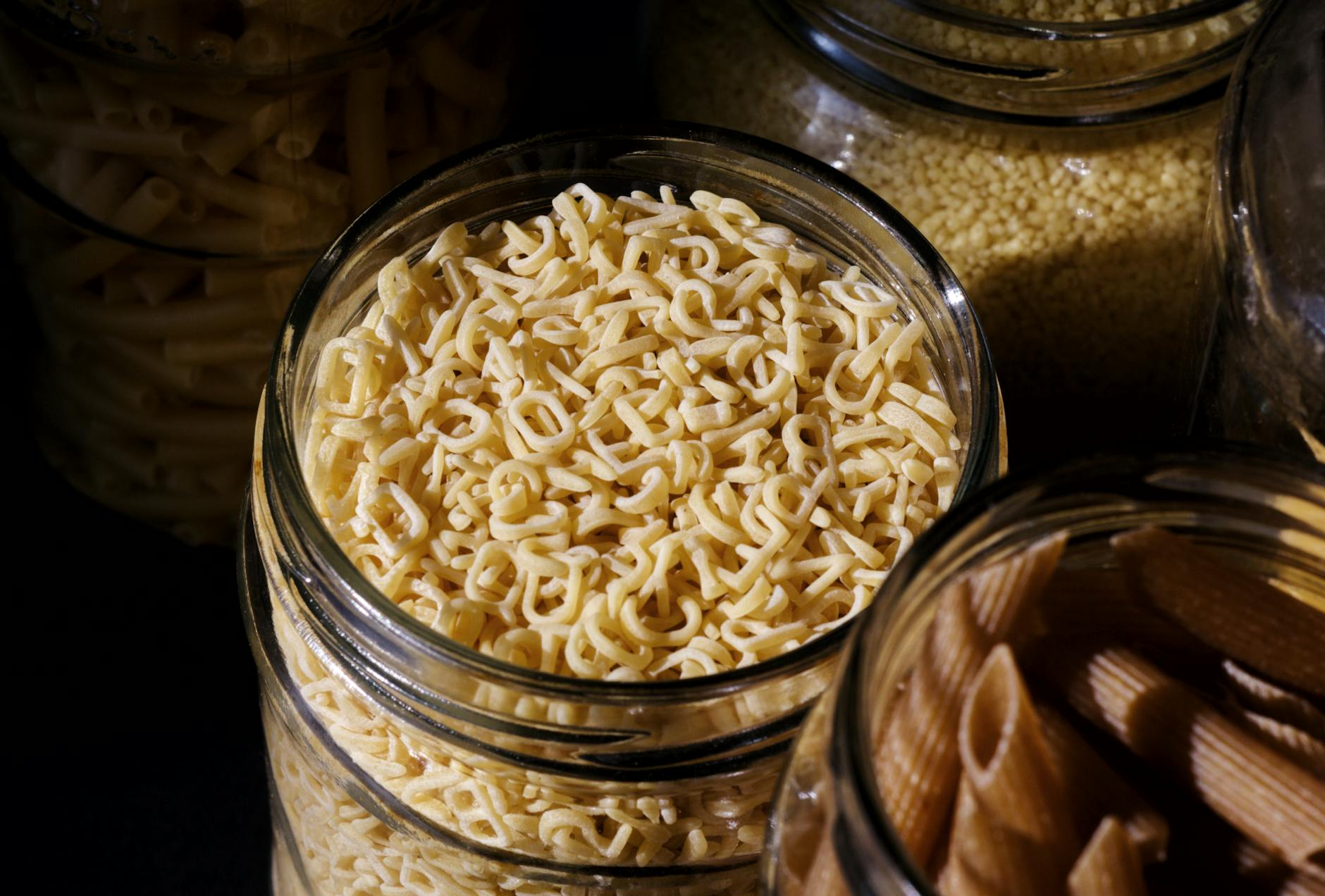
Not all pasta is created equal when it comes to feline safety. Whole wheat pasta, while more nutritious for humans, can be harder on cats’ digestive systems and may cause bloating or gas. Egg noodles are slightly better than semolina-based pasta because they contain additional protein from the eggs, though the benefit is minimal. Fresh pasta, if very soft and cooked until it’s nearly falling apart, is easier for cats to digest than dried pasta.
Specialty pastas like spinach pasta or beet pasta introduce plant materials that offer no nutritional advantage to cats and may cause mild stomach upset in sensitive individuals. Flavored or vegetable-infused pastas deserve special mention because the added ingredients matter. A spinach pasta might seem harmless, but if your cat eats enough of it, the concentrated spinach could potentially interfere with calcium absorption over time. Pasta made with added salt is worse than unsalted varieties, and any pasta containing xylitol (an artificial sweetener) is genuinely dangerous and should never be offered. The safest choice remains plain white or brown pasta made from durum wheat or semolina, cooked thoroughly with nothing added.
Safe Ways to Offer Pasta to Your Cat (If You Choose To)
If you decide to give your cat pasta as an occasional treat, follow these guidelines: offer only a tiny amount—think one or two cooked strands or a piece the size of your pinky fingernail. The pasta should be cooked until very soft, cooled completely, and served plain with absolutely nothing on it. Never offer it as a substitute for a meal or mixed into their regular food. Most importantly, only offer pasta infrequently, treating it as an exception rather than a routine treat.
The practical tradeoff here is that while pasta is technically safe in minute quantities, there’s no real reason to offer it at all. The same time and effort you’d spend preparing pasta for your cat could go toward offering them a small piece of cooked chicken or a single freeze-dried meat treat, both of which actually benefit their health. If your cat has already shown interest in your pasta dinner and you want to allow them a tiny taste, plain and unseasoned is the only option. However, the better choice is to prevent access entirely by not leaving your plate accessible and redirecting your cat’s interest toward appropriate feline treats or toys.
Health Risks and Complications from Pasta
While plain pasta isn’t toxic, several complications can arise, especially if pasta consumption becomes habitual. The primary risk is malnutrition—calories spent on pasta are calories not spent on protein and essential amino acids. Cats on a diet containing regular pasta servings may develop deficiencies in taurine, an amino acid critical for heart and eye health. A warning sign that your cat’s diet is lacking proper nutrition is a dull coat, lethargy, or weight changes despite eating regular meals.
Secondary risks include digestive upset, particularly diarrhea, which some cats experience even from small amounts of pasta. Another limitation to consider is dental health; some pastas can stick to teeth and promote bacterial growth. If your cat has diabetes, obesity, or kidney disease, any non-essential carbohydrate-heavy food like pasta should be avoided entirely. These conditions require precisely balanced nutrition, and pasta only complicates dietary management. Cats with food sensitivities or allergies may react to gluten in wheat-based pasta, though true wheat allergies in cats are less common than in dogs.
What About Pasta Sauces and Seasonings?
This is where pasta becomes genuinely unsafe for cats. Tomato sauce, especially raw or undercooked, can cause gastrointestinal upset. Garlic and onions—common pasta seasonings—are toxic to cats and damage their red blood cells, even in relatively small amounts. One small clove of garlic or a quarter inch of onion may not cause acute poisoning, but repeated exposure or larger quantities cause anemia and serious illness.
Cream-based sauces are high in fat and lactose; while most adult cats are somewhat lactose-tolerant, rich dairy products can cause diarrhea. Salt, used heavily in most pasta dishes, is inappropriate for cats and contributes to high sodium intake they don’t need. Spicy pasta sauces can inflame your cat’s mouth and digestive tract. Any pasta offered to your cat must be completely plain, with zero sauce, seasoning, or oil. This is a firm rule with no exceptions.
Better Alternatives to Pasta for Feline Nutrition
Instead of pasta, offer treats that actually support feline health. Cooked chicken breast, turkey, or beef provide lean protein and essential amino acids. cooked fish like salmon offers omega-3 fatty acids that support coat and joint health—a real benefit compared to pasta’s zero nutritional contribution. Freeze-dried meat treats are convenient, shelf-stable, and genuinely beneficial.
Some cats enjoy small pieces of cooked egg, which provides complete protein and essential nutrients. If you want to offer something with more substance than a simple treat, consider cat-appropriate foods like cooked pumpkin, which aids digestion, or small amounts of cooked sweet potato, which offers some fiber and nutrients. Looking forward, the pet nutrition industry continues developing better options for enrichment treats that align with feline biology. High-protein, low-carb treats are increasingly available and formulated specifically for cats’ nutritional needs. The trend away from grain-heavy treats and toward meat-based options reflects a growing understanding of feline nutrition science.
Conclusion
Plain, cooked pasta is not toxic to cats and won’t cause harm if accidentally consumed in tiny amounts. However, it offers no nutritional value and should not be given to your cat intentionally or regularly. Pasta is simply empty calories that distract from a balanced diet, and sauced versions introduce genuine toxins like garlic and onions. Your cat doesn’t benefit from variety in the way humans do; they thrive on consistent, high-quality protein from meat sources.
If your cat has already had pasta or steals bites from your plate occasionally, there’s no need to panic. Simply prevent future access and redirect to appropriate feline treats and foods. Speak with your veterinarian about healthy treat options if you want to diversify what you offer beyond regular meals. Your cat’s health depends on proper nutrition—and pasta simply doesn’t factor into that equation.