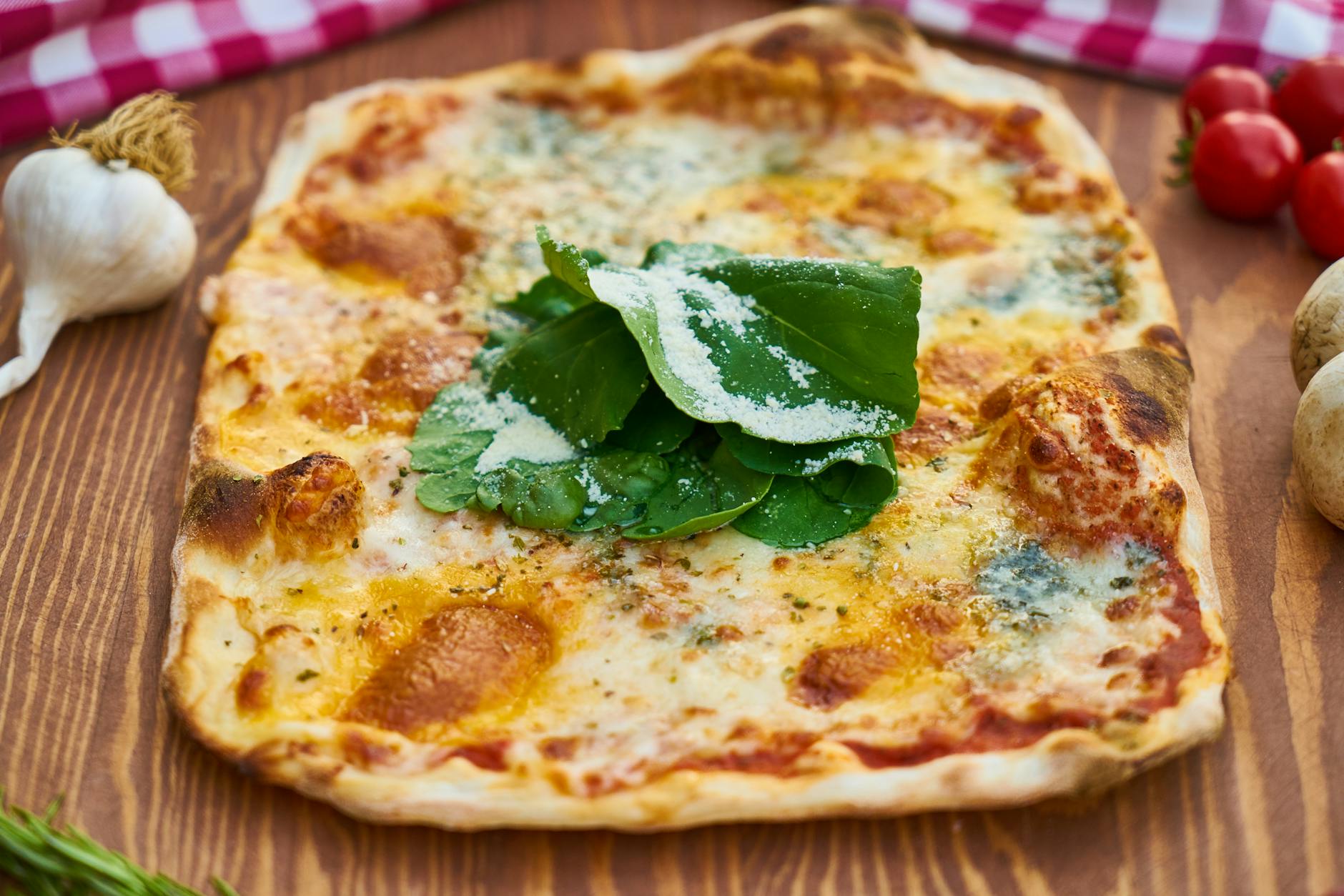
Plain pizza crust is generally safe for cats to eat in very small quantities, but it’s not recommended as a regular treat or food source. A small piece of plain, unseasoned crust occasionally won’t typically cause harm, though it offers no nutritional benefit to your cat. However, most pizza crusts contain ingredients and seasonings that can be problematic for feline health, and the risks often outweigh any perceived benefits of sharing this human food with your pet.
The real danger emerges when you consider what typically goes into and on pizza. Many commercial and homemade pizza crusts contain garlic, onions, salt, and excess oils—all of which can be harmful to cats. Additionally, if your cat is prone to digestive issues or has a sensitive stomach, even plain crust could cause vomiting or diarrhea. The safest approach is to treat pizza crust as an occasional accident rather than an intentional snack, and to keep pizza out of reach to prevent your cat from stealing it without your knowledge.
Table of Contents
- Can Cats Safely Digest Pizza Crust?
- The Hidden Dangers in Typical Pizza Crust
- How Pizza Toppings Increase the Risk
- What to Feed Your Cat Instead of Pizza Crust
- Signs Your Cat Has Eaten Pizza Crust and Is in Distress
- Cats with Special Health Conditions
- Teaching Your Cat Not to Beg for Human Food
- Conclusion
- Frequently Asked Questions
Can Cats Safely Digest Pizza Crust?
cats are obligate carnivores, meaning their digestive systems are designed to process meat and animal proteins rather than grains and carbohydrates. Pizza crust is primarily made from flour and water, sometimes with added yeast and salt. While a cat’s stomach can technically break down these ingredients, they’re not optimized to do so, and pizza crust doesn’t provide any of the nutrients cats need. This is fundamentally different from how a human digestive system processes the same food.
For most cats, a small piece of plain pizza crust will pass through their system without major incident. However, some cats may experience mild gastrointestinal upset, particularly if they’re not accustomed to eating non-meat foods. If your cat has a history of sensitive digestion or food sensitivities, plain crust could trigger vomiting or loose stools. The key distinction is between a cat being able to physically eat something and it actually being good for them—in this case, it’s the former without being the latter.
The Hidden Dangers in Typical Pizza Crust
Most pizza crusts contain ingredients that pose genuine health risks to cats, even if the base dough would be harmless. Garlic and onions, common pizza seasonings, contain compounds that damage red blood cells and can lead to hemolytic anemia in cats. Even cooked garlic and onions retain these toxic properties, and some cats are more sensitive than others. A cat that eats pizza crust with garlic seasoning or that’s been dipped in garlic oil could develop serious health problems, sometimes without obvious symptoms until significant damage has occurred.
Excess salt is another concern that’s often overlooked. Pizza crust, especially from commercial pizzerias, typically contains high sodium levels. Cats have low sodium requirements, and excessive salt intake can contribute to dehydration and potentially affect kidney function in cats with existing health issues. Additionally, the yeast in pizza dough can be problematic—if your cat were to eat raw, unbaked dough, the yeast could expand in the stomach and cause a blockage. Even baked pizza crust could pose a choking or blockage risk if a cat swallows large pieces without chewing properly.
How Pizza Toppings Increase the Risk
The toppings on pizza introduce additional complications that make even a “small piece” less safe than it might initially seem. Cheese, while not toxic, is high in fat and lactose, and many adult cats are lactose intolerant—eating cheese-laden pizza crust can trigger digestive upset. If the pizza contains pepperoni or other processed meats, your cat is consuming excessive sodium and potentially harmful preservatives. Mushrooms, onions, and peppers may be on the pizza as well, some of which are toxic to cats in their own right.
Consider a scenario where your cat sneaks a piece of pizza from your plate while you’re not looking. You might assume it’s just plain crust, but it could have been in contact with pepperoni grease, had garlic powder sprinkled on it, or been dunked in ranch dip. By the time you realize what happened, your cat has already ingested these additives. This is why it’s important to understand that the risk isn’t just about the crust itself but about what typically comes with it.
What to Feed Your Cat Instead of Pizza Crust
If you’re looking for ways to give your cat treats or let them participate in your meals, there are much better options. Plain, cooked chicken breast is an excellent alternative that provides actual nutritional value and satisfies your cat’s carnivorous nature. A small piece of plain, cooked turkey or beef also works well.
These options deliver protein and are far more aligned with what your cat’s body actually needs and processes efficiently. If you want to give your cat something with a slightly different texture or as an occasional indulgence, specialized cat treats designed for feline nutrition are formulated with their dietary needs in mind. Freeze-dried meat treats offer a crunchy texture similar to what some cats find appealing about crust, but without the carbs and potential hazards. The tradeoff of spending a bit more on proper cat treats is that you get peace of mind knowing you’re not risking your cat’s health and you’re actually providing nutritional benefit.
Signs Your Cat Has Eaten Pizza Crust and Is in Distress
If your cat has consumed pizza crust and you’re concerned, watch for signs of digestive upset within the next 12 to 24 hours. Vomiting, diarrhea, lethargy, loss of appetite, or abdominal pain are warning signs that something isn’t right. If the pizza contained garlic or onions, symptoms might take longer to appear and could include weakness, pale gums, or unusual behavior. In these cases, contact your veterinarian rather than waiting to see if symptoms resolve on their own.
A serious concern is bowel obstruction, particularly if your cat ate a large piece or multiple pieces of crust. Signs of obstruction include repeated vomiting, inability to eat, straining during bowel movements, abdominal swelling, or complete lethargy. These are emergency symptoms that require immediate veterinary attention. If your cat has eaten pizza dough that was raw or unbaked, the risk of expansion-related blockage is higher, and you should seek veterinary care promptly even if your cat seems fine initially.
Cats with Special Health Conditions
Cats with diabetes, obesity, pancreatitis, or kidney disease should absolutely not eat pizza crust. The carbohydrate content can worsen diabetes management and contribute to weight gain in obese cats. For cats with pancreatitis, the fat and processed ingredients in pizza are particularly dangerous and can trigger flare-ups.
Senior cats and kittens also have more vulnerable digestive systems and shouldn’t be given pizza crust as part of their diet. If your cat has any chronic health condition, discuss appropriate treats and foods with your veterinarian. They can recommend alternatives that are both safe and beneficial for your specific cat’s health status. This is especially important if your cat is on a prescription diet, as introducing unauthorized foods—even small amounts—could interfere with their treatment plan.
Teaching Your Cat Not to Beg for Human Food
The most practical approach to preventing pizza crust and other human foods from becoming an issue is to avoid sharing from your plate or table. Cats learn quickly that begging or trying to steal food sometimes results in success, and this behavior can be difficult to extinguish once established. Setting clear boundaries about where your cat can and can’t go during meal times, or feeding your cat their own meal while you eat, helps establish that human food is not an option for them.
This protective boundary-setting becomes increasingly important as your cat ages. Habits formed when a cat is young tend to persist throughout their life, so teaching good habits early means you won’t have to manage problem behaviors later. Additionally, understanding that “just a little” piece of pizza crust today can turn into a cat who regularly tries to eat human foods is an important perspective shift that helps reinforce the decision to keep pizza off-limits.
Conclusion
Plain pizza crust in tiny quantities is unlikely to cause immediate harm to most healthy cats, but it’s not safe enough to recommend as an intentional treat. The reality is that pizza crust typically comes with seasonings, toppings, or preparation methods that can genuinely harm your cat, and even plain crust offers no nutritional value while contributing empty calories that can lead to weight gain.
The safest approach is to treat pizza as human food only and keep it away from your cat entirely. If you want to give your cat treats or let them enjoy mealtimes alongside you, focus on feline-appropriate options like plain cooked chicken, specialized cat treats, or foods designed with their nutritional needs in mind. Your cat will be healthier, happier, and safer when their diet consists of proper cat food and treats formulated for their species rather than scraps from your plate.
Frequently Asked Questions
Is plain pizza crust without any toppings safe for cats?
Plain pizza crust without toppings is safer than pizza with toppings, but it’s still not ideal. It’s high in carbs, offers no nutritional benefit, and can cause digestive upset in some cats. A tiny piece occasionally won’t cause serious harm, but it shouldn’t be a regular treat.
What should I do if my cat ate pizza crust with garlic?
Monitor your cat closely for signs of illness. Garlic is toxic to cats and can damage red blood cells. If your cat shows weakness, pale gums, vomiting, or lethargy within 24-72 hours, contact your veterinarian immediately. Don’t wait for symptoms to worsen before seeking help.
Can cats get pancreatitis from eating pizza crust?
Cats with a history of pancreatitis should never eat pizza crust due to its fat and carbohydrate content. Even cats without a history of pancreatitis could potentially develop it from fatty foods, though a single piece is unlikely to cause it. The risk increases with repeated exposure or large quantities.
Is whole wheat or cauliflower crust safer for cats than regular pizza crust?
Both may be slightly safer than traditional pizza crust, but neither is recommended for cats. Whole wheat adds fiber that cats don’t need, and cauliflower crust often contains additives and seasonings. Plain, cooked chicken remains a much better choice if you want to give your cat a special treat.
Why do cats seem interested in pizza if it’s not good for them?
Cats are attracted to the smell of cheese, meat toppings, and fats in pizza, which appeal to their carnivorous nature. Just because a cat is interested in eating something doesn’t mean it’s safe or appropriate for them. Many foods that appeal to cats can make them sick.
Should I induce vomiting if my cat eats pizza crust?
No, don’t induce vomiting without veterinary instruction. In most cases, a small piece of pizza crust will pass through harmlessly. Inducing vomiting can cause additional damage. Contact your veterinarian if you’re concerned about what your cat ate, and follow their guidance.