
Cats can eat plain, air-popped popcorn in small amounts, but it is not a food you should regularly offer to your cat. While unseasoned popcorn kernels themselves are not toxic to cats, they pose several practical risks—including choking hazards, difficulty digesting, and the salt or butter coatings typically found on human popcorn that can upset a cat’s digestive system. A cat who nibbles a single piece of plain popcorn once or twice will likely suffer no ill effects, but popcorn should never be treated as a treat or snack option for your feline companion.
The core issue is that popcorn offers cats nothing nutritionally and creates unnecessary risks. Cats are obligate carnivores whose bodies are designed to digest and thrive on animal protein—not carbohydrates from plant-based foods like corn. Even the most basic popcorn lacks the amino acids, taurine, and essential nutrients that cats require for heart health, vision, and muscle function. In essence, you’re offering empty calories that could displace more nutritious foods from your cat’s daily intake.
Table of Contents
- Why Popcorn Can Be Dangerous for Cats
- Seasoned Popcorn and Hidden Toxic Ingredients
- Nutritional Inadequacy and Caloric Impact
- Safe Alternatives and Treat Guidelines
- When Popcorn Consumption Requires Veterinary Attention
- Behavioral Considerations and Food Safety
- The Bigger Picture of Feline Nutrition
- Conclusion
Why Popcorn Can Be Dangerous for Cats
The primary concern with popcorn is the choking risk, particularly for kittens, senior cats, or cats with dental disease. Popcorn kernels are hard and irregular in shape, and a cat’s smaller throat is not designed to handle them safely. If a kernel becomes lodged in the esophagus or stomach, it can cause serious complications requiring veterinary intervention. Additionally, the act of chewing and consuming popcorn can lead to broken teeth, a problem that becomes increasingly costly and painful if infection develops.
Beyond the physical hazards, popcorn is difficult for cats to digest. Corn is not a natural part of a cat’s diet, and their digestive enzymes are not optimized to break down plant fibers efficiently. Even a small amount of popcorn can trigger digestive upset, including diarrhea, vomiting, or constipation—symptoms that may persist for 24 to 48 hours after consumption. For cats with sensitive stomachs or existing gastrointestinal conditions like inflammatory bowel disease, the risk is amplified substantially.
Seasoned Popcorn and Hidden Toxic Ingredients
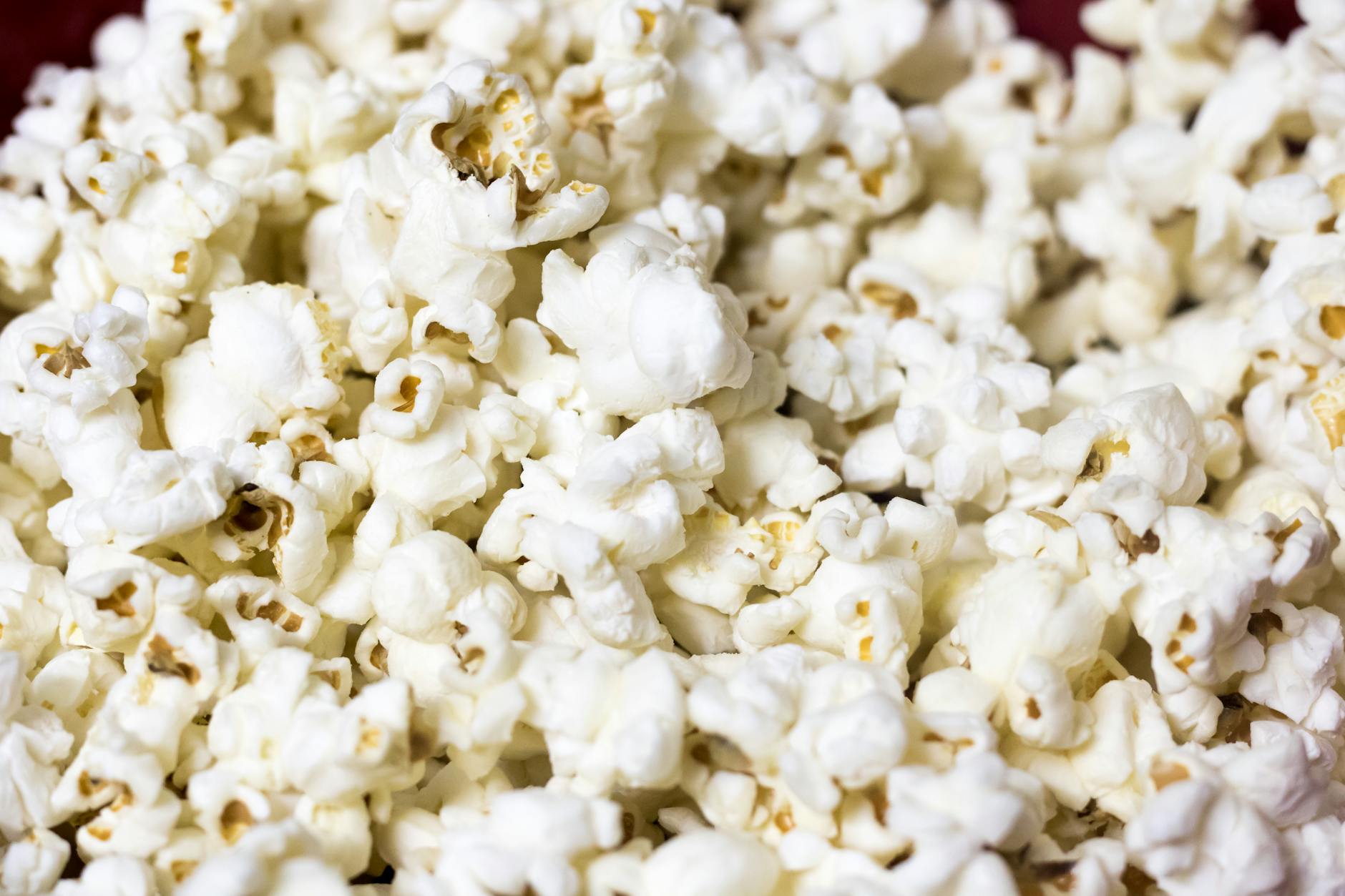
The real danger emerges when popcorn is seasoned with butter, salt, or artificial flavorings, which are common in the popcorn humans enjoy. Excessive salt can lead to sodium ion poisoning in cats, a condition that causes vomiting, diarrhea, tremors, and in severe cases, seizures. Butter and oil-based coatings are high in fat and calories, contributing to obesity and pancreatitis—a potentially life-threatening inflammation of the pancreas that some cats are genetically predisposed to developing.
Certain popcorn seasonings pose direct toxicity risks. Garlic and onion powder, sometimes found in “flavored” popcorn, are toxic to cats because they damage red blood cells and cause hemolytic anemia. Xylitol, an artificial sweetener used in some “healthier” popcorn brands, is extremely poisonous to cats even in small doses, causing rapid insulin release that leads to severe hypoglycemia and liver failure. Always assume any seasoned popcorn is unsafe for cats unless the ingredient list has been reviewed by your veterinarian.
Nutritional Inadequacy and Caloric Impact
Popcorn is approximately 95% carbohydrates with minimal protein content. For a cat consuming about 200 calories per day (depending on size and activity level), even a small handful of popcorn represents a noticeable portion of daily calories with zero nutritional value. This is particularly problematic for overweight cats or those on calorie-restricted diets for medical reasons.
When cats fill their stomachs with empty-calorie foods, they consume less of the protein-rich meals their bodies actually need. Consider the comparison to treats cats should actually eat: a small piece of cooked chicken breast provides high-quality animal protein, taurine (essential for heart and eye health), and virtually no carbohydrates—all for roughly the same calorie count as popcorn. This is why veterinary nutritionists recommend limiting treats to no more than 10% of daily caloric intake, and when you do offer treats, they should contribute nutritional value rather than detract from it.

Safe Alternatives and Treat Guidelines
If you want to offer your cat something crunchy or engaging, several options are safer and more appropriate. Freeze-dried chicken treats, commercially available cat treats formulated with your cat’s nutritional needs in mind, or small pieces of cooked turkey are all better choices. Some cats enjoy crunching on specially designed dental treats that also support oral health. If your cat has shown interest in human foods, boneless, skinless cooked chicken or plain cooked fish (without seasoning) are occasional treats that at least provide protein and satisfy your cat’s carnivorous instincts.
The key tradeoff is between convenience and safety. Offering your cat a piece of your popcorn while you watch a movie is convenient, but it establishes a habit that can escalate to larger portions and normalizes begging behavior at human meal times. Over months and years, these “harmless” treats accumulate in ways that contribute to obesity and nutritional imbalance. Setting clear boundaries—where human food remains separate from your cat’s diet—protects your cat’s long-term health and prevents the behavioral reinforcement of food-focused dependency.
When Popcorn Consumption Requires Veterinary Attention
If your cat has eaten a significant amount of popcorn or consumed seasoned popcorn with unknown ingredients, contact your veterinarian immediately, especially if your cat shows signs of distress such as gagging, drooling excessively, difficulty swallowing, or vomiting. These symptoms could indicate a kernel lodged in the throat or esophagus, which requires professional removal. Do not assume the cat will pass it naturally—esophageal obstructions can rapidly progress to complete blockage and aspiration pneumonia.
Monitor your cat closely for 48 hours after any popcorn consumption for changes in appetite, vomiting, diarrhea, or lethargy. Some cats experience delayed digestive reactions, and symptoms may not appear immediately. Senior cats and kittens should receive heightened monitoring, and cats with pre-existing kidney disease, pancreatitis, or diabetes should not consume popcorn at all due to their compromised ability to handle metabolic stress.
Behavioral Considerations and Food Safety
Some cats become aggressive or obsessive around popcorn, fixating on it in a way that suggests food-motivated anxiety rather than genuine hunger. This behavior can worsen over time if the cat learns that pestering you while you eat popcorn results in a reward. Breaking this cycle early prevents the development of problematic begging patterns and reduces stress for both you and your cat.
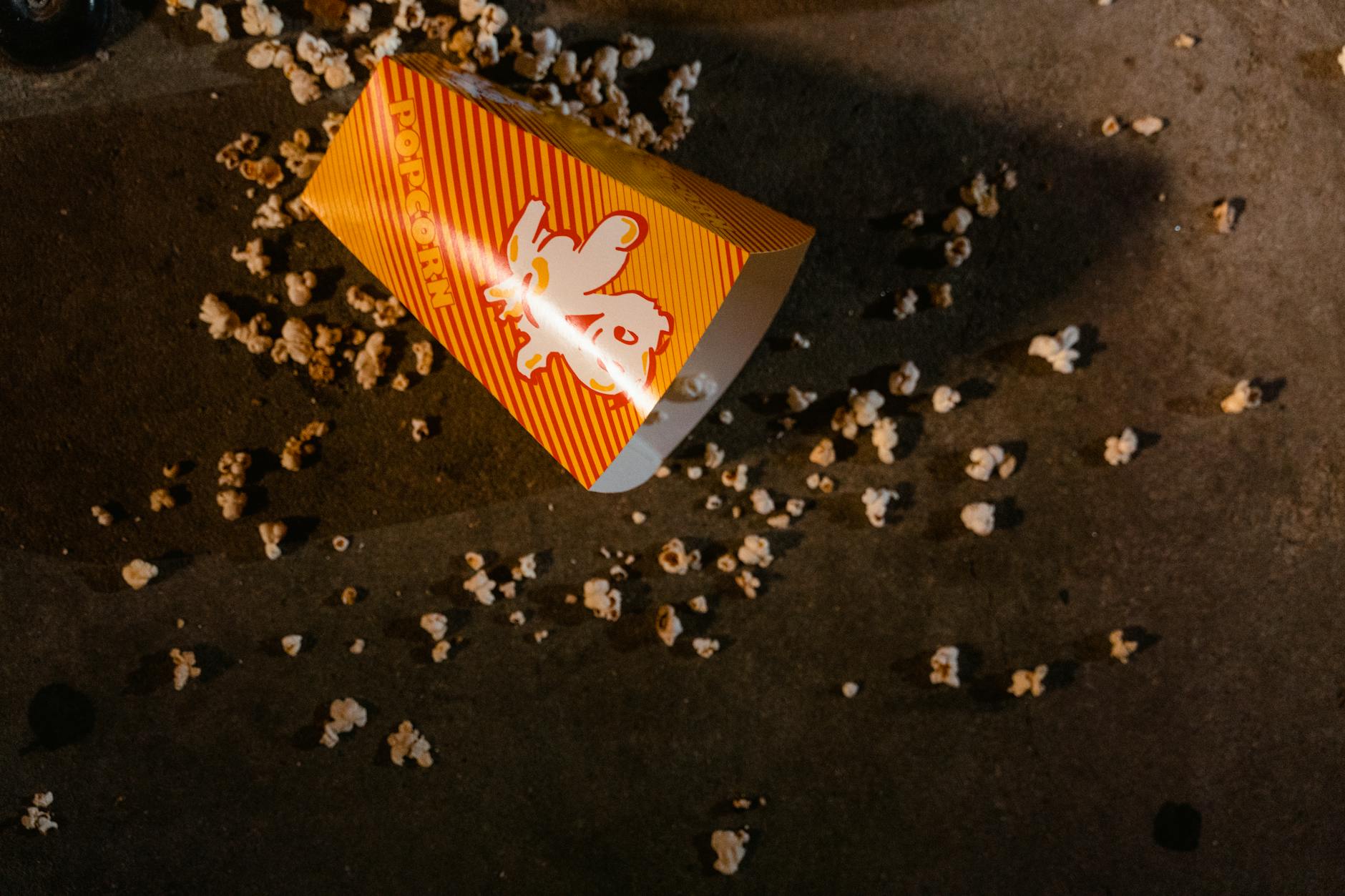
Establishing that certain human foods are off-limits—consistently, across all family members and visitors—is essential for your cat’s safety and behavioral wellbeing. Additionally, loose popcorn can pose environmental hazards. Kernels left on floors or furniture can attract pests or become choking hazards if your cat finds them later and attempts to eat them without supervision. Storing popcorn securely and cleaning up immediately after snacking prevents accidental access to large quantities.
The Bigger Picture of Feline Nutrition
Modern cat obesity rates have climbed significantly, with approximately 60% of house cats classified as overweight or obese. Much of this epidemic stems from well-intentioned owners offering human foods and treats without understanding their nutritional impact. Your cat depends on you to make informed decisions about what enters their body, and those decisions compound over the years.
Every snack choice is an investment in your cat’s future health or a small contribution to chronic disease. As scientific understanding of feline nutrition continues to advance, the case for species-appropriate whole proteins and minimal carbohydrates grows stronger. Your veterinarian can recommend high-quality commercial diets or, if you prefer, guide you toward complete and balanced homemade diets. The small effort required to choose appropriate treats today translates directly into reduced veterinary expenses, higher quality of life, and more years with your cat.
Conclusion
Plain, air-popped popcorn without seasoning is not acutely toxic to cats, but it is not safe or advisable as a regular treat or snack. The combination of choking risk, digestive difficulty, empty calories, and the likelihood of exposure to harmful seasonings makes popcorn an unnecessary gamble with your cat’s health. Seasoned popcorn—which accounts for virtually all popcorn consumed by humans—introduces additional dangers from salt, garlic, onion powder, and artificial sweeteners that can cause serious medical complications.
Instead, focus on building a nutrition plan for your cat that includes species-appropriate meals and, if desired, treats that actually contribute to health rather than detract from it. If you want to share moments with your cat while you enjoy popcorn, do so safely by keeping human food completely separate and offering your cat an appropriate feline treat instead. Your cat will thrive better on consistency, predictability, and foods designed for their species than on the random assortment of human foods that seem harmless in isolation but accumulate into health problems over time.