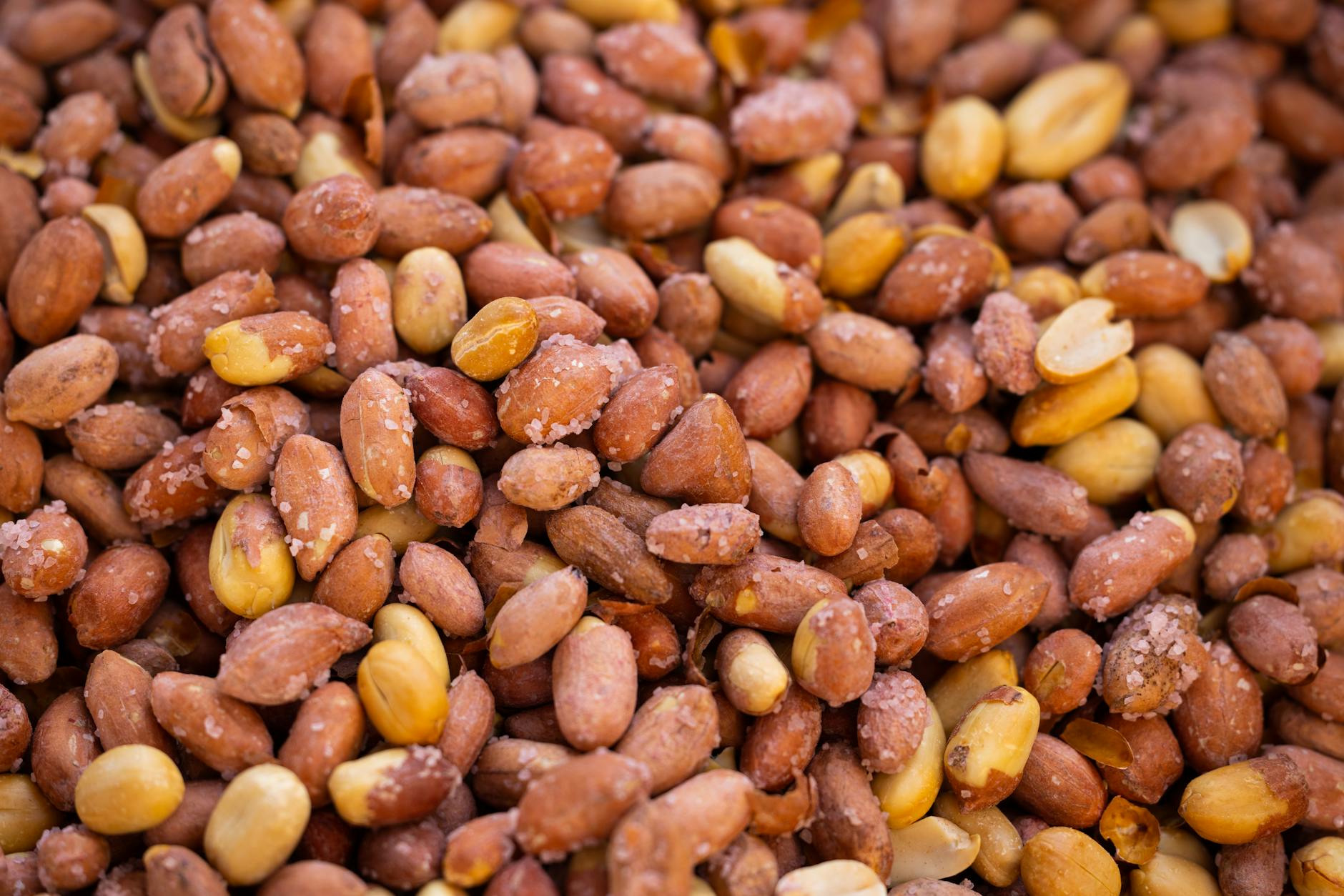
No, it is not safe for cats to eat peanuts. While peanuts are not toxic to cats in small quantities, they pose several significant risks that make them an unsuitable food for feline diets. Cats lack the nutritional need for peanuts and can experience serious health complications from consuming them, ranging from digestive upset to choking hazards and allergic reactions.
For example, a cat that eats a handful of salted peanuts might experience vomiting, diarrhea, or pancreatitis, depending on the cat’s individual sensitivity and the amount consumed. Peanuts are high in fat and protein, which cats cannot efficiently process compared to their natural prey-based diet. While small amounts occasionally won’t necessarily cause immediate poisoning, the regular or significant consumption of peanuts can lead to obesity, digestive problems, and nutritional imbalances that compromise your cat’s health. The safest approach is to treat peanuts as entirely off-limits for your cat.
Table of Contents
- Why Peanuts Are Problematic for Feline Digestion
- Choking, Blockages, and Physical Hazards
- Allergic Reactions and Sensitivities
- Nutritional Imbalances and Weight Management
- Salt Content and Other Additives
- Signs Your Cat Has Eaten Peanuts
- Creating a Safe Treat Environment
- Conclusion
- Frequently Asked Questions
Why Peanuts Are Problematic for Feline Digestion
cats are obligate carnivores, meaning their digestive systems are specifically designed to process meat-based proteins and fats. The enzyme composition in a cat’s stomach and intestines differs significantly from humans or even dogs, making them poorly equipped to handle legumes like peanuts. When a cat ingests peanuts, their digestive system struggles to break down the complex carbohydrates and plant-based proteins, often resulting in gastrointestinal distress. The fat content in peanuts is particularly concerning.
Cats fed high-fat foods have an increased risk of developing pancreatitis, an inflammation of the pancreas that causes severe pain, vomiting, and potentially life-threatening complications. A single peanut-heavy snack might not cause acute pancreatitis, but repeated exposure significantly increases the risk, especially in cats with underlying metabolic sensitivities. Older cats and those with existing digestive issues are at higher risk. Peanuts also contain compounds that can interfere with nutrient absorption in cats. Unlike humans, who benefit from the vitamin E and magnesium in peanuts, cats gain no nutritional advantage while potentially losing access to essential minerals their bodies need to function properly.
Choking, Blockages, and Physical Hazards
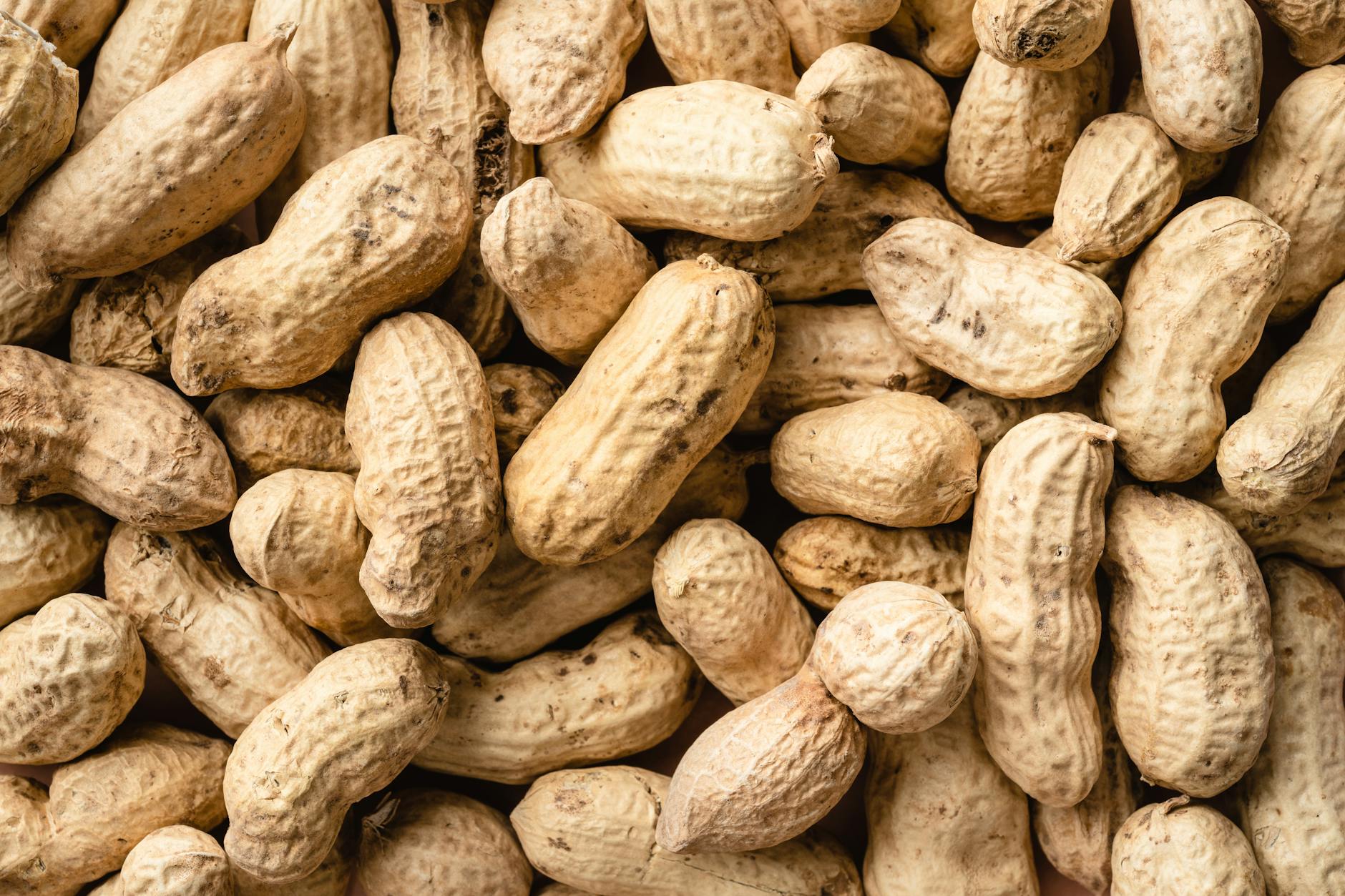
Beyond digestive concerns, peanuts present serious mechanical risks. Whole peanuts, particularly in shells, can become lodged in a cat’s throat or esophagus, causing choking. Because cats are obligate carnivores with teeth designed for tearing meat rather than grinding plant matter, they’re less effective at chewing peanuts thoroughly before swallowing. This makes them more vulnerable to choking than dogs or humans. Peanut shells pose an additional danger: they can accumulate in the stomach or intestines and create blockages that require surgical intervention.
Even shelled peanuts, when swallowed inadequately chewed, can contribute to gastric obstruction. A cat experiencing a blockage will show signs of lethargy, loss of appetite, and persistent vomiting, and surgery may be necessary to remove the obstruction—an expensive and stressful procedure. Peanut butter, while seemingly safer since it’s already broken down, carries its own risks. Many commercial peanut butters contain xylitol, a sugar substitute that is toxic to cats and can cause liver damage and hypoglycemia. Even xylitol-free versions are high in fat and calories, making them unsuitable treats for cats watching their weight.
Allergic Reactions and Sensitivities
Just as some humans have peanut allergies, cats can develop allergies or sensitivities to peanuts. Allergic reactions in cats may manifest as itching, skin inflammation, or more severe symptoms like anaphylaxis in rare cases. Because cats cannot communicate their discomfort clearly, recognizing an allergic reaction requires careful observation of behavioral and physical changes. If you’ve never given your cat peanuts before and they somehow consume one, watch for signs of an allergic response over the following 24 to 48 hours.
These include excessive grooming, red or swollen skin, vomiting, diarrhea, or difficulty breathing. In some cats, even a small exposure can trigger a reaction, while others may tolerate minute quantities without immediate symptoms. Prior exposure history matters too. A cat that has eaten peanuts without obvious problems may still develop a sensitivity over time, as allergies can develop or worsen with repeated exposure. This unpredictability makes it impossible to confidently say “just a little bit is fine” for any individual cat.
Nutritional Imbalances and Weight Management
Peanuts are calorie-dense, providing very little of what cats actually need nutritionally. A single ounce of peanuts contains about 160 calories, a significant portion of a typical cat’s daily caloric requirement. For a 10-pound cat eating 200 to 250 calories daily, peanuts quickly consume a large percentage of their diet without providing the essential amino acids, taurine, or other nutrients cats require. Regular consumption of peanuts can lead to obesity, which is already a widespread problem in domestic cats.
Obese cats are at higher risk for diabetes, heart disease, joint problems, and reduced lifespan. Comparing peanuts to appropriate cat treats highlights the difference: a small piece of cooked chicken provides protein and nutrients a cat can actually use, while peanuts provide empty calories and potential health risks. Choosing species-appropriate treats keeps your cat healthier long-term. If your cat is already overweight or has a history of digestive issues, peanuts are an even worse choice and should be avoided completely. These cats lack the metabolic flexibility to handle the extra fat and calories without consequences.
Salt Content and Other Additives
Commercial peanuts are often roasted and heavily salted, which introduces another layer of danger. Excessive salt can cause hypernatremia, a condition where sodium levels in the blood become dangerously elevated, leading to increased thirst, neurological issues, and kidney problems. Cats are particularly sensitive to salt overload because their kidneys are adapted to conserve water and sodium in a meat-based diet. Flavored peanuts—whether honey roasted, cinnamon, or chocolate-covered—introduce additional toxic compounds.
Chocolate-covered peanuts contain theobromine, which is poisonous to cats, while cinnamon and other spices can irritate the digestive tract or cause breathing problems in sensitive cats. Even plain roasted peanuts should be avoided, but flavored varieties represent an even greater hazard. Raw, unsalted peanuts are marginally safer than processed varieties, but they still carry all the core risks of choking, digestive upset, and pancreatitis. No form of peanut is recommended for cats.
Signs Your Cat Has Eaten Peanuts
If your cat has accidentally consumed peanuts, knowing what symptoms to watch for can help you respond quickly. Immediate signs include vomiting or retching, drooling, difficulty swallowing, or signs of choking such as coughing or gasping. These warrant an immediate veterinary visit.
Later signs, appearing over the next several hours or days, include diarrhea, constipation, abdominal pain (indicated by a hunched posture or reluctance to move), lethargy, or loss of appetite. Pancreatitis may develop 24 to 72 hours after consumption, characterized by severe abdominal pain, vomiting, and dehydration. Any combination of these symptoms should prompt a call to your veterinarian. Your vet can perform blood work and imaging to determine if your cat needs treatment.
Creating a Safe Treat Environment
The best way to keep your cat safe is to prevent access to peanuts entirely. Store peanuts and peanut products in sealed containers kept in cabinets or areas where your cat cannot reach them. Educate family members, guests, and caregivers about what foods are safe for your cat, particularly when snacking or cooking.
When selecting treats for your cat, choose options specifically formulated for feline nutrition, such as freeze-dried meat treats, small pieces of cooked chicken, or commercial cat treats that meet AAFCO standards. These provide safe ways to bond with your cat and reward good behavior without the risks associated with human foods. Your cat doesn’t need peanuts to be happy—a healthy, species-appropriate diet with appropriate feline treats will keep them thriving.
Conclusion
Peanuts are not safe for cats and should never be part of their diet. The combination of digestive incompatibility, choking risk, potential for pancreatitis, high fat content, and possible allergic reactions makes them unsuitable for feline consumption. Even small amounts can pose health risks, and the safest choice is to treat peanuts as completely off-limits.
If your cat accidentally eats peanuts, monitor them closely for signs of distress and contact your veterinarian if any concerning symptoms develop. Focus instead on providing your cat with a balanced, meat-based diet and appropriate feline treats that support their health and longevity. By understanding what cats can and cannot safely eat, you’re taking an important step toward responsible pet ownership and your cat’s wellbeing.
Frequently Asked Questions
What if my cat ate just one peanut? Should I be worried?
A single peanut is unlikely to cause severe poisoning, but watch your cat closely for signs of vomiting, diarrhea, or digestive upset over the next 24 to 48 hours. Contact your vet if any concerning symptoms develop, particularly if your cat shows signs of choking or abdominal pain.
Is peanut butter safe for cats in small amounts?
No. Peanut butter is high in fat and calories, and many commercial brands contain xylitol, which is toxic to cats. Even xylitol-free versions pose pancreatitis risk and provide no nutritional benefit. There are no safe amounts of peanut butter for cats.
Can cats have peanut allergies?
Yes, cats can develop allergies or sensitivities to peanuts, just as they can to other foods. Allergic reactions may include itching, skin inflammation, vomiting, diarrhea, or in severe cases, difficulty breathing. It’s impossible to predict which cats will have reactions, making peanut avoidance the safest approach.
What should I do if I think my cat has a blockage from eating peanuts?
Seek immediate veterinary attention if your cat shows signs of a blockage, such as persistent vomiting, loss of appetite, lethargy, or abdominal pain. Blockages can be life-threatening and often require surgery. Early intervention increases the chances of a positive outcome.
What are safe treat alternatives to peanuts for cats?
Safe options include freeze-dried meat treats, small pieces of cooked chicken or turkey, commercial cat treats meeting AAFCO standards, and treats designed specifically for feline nutrition. These provide the bonding and reward benefits of treats without the health risks associated with human foods like peanuts.
Can kittens eat peanuts, or are they only unsafe for adult cats?
Kittens should never eat peanuts. Young cats are even more vulnerable to choking, digestive upset, and nutritional imbalances than adults. Establishing healthy eating habits early by avoiding peanuts and other inappropriate foods sets the foundation for lifelong health.