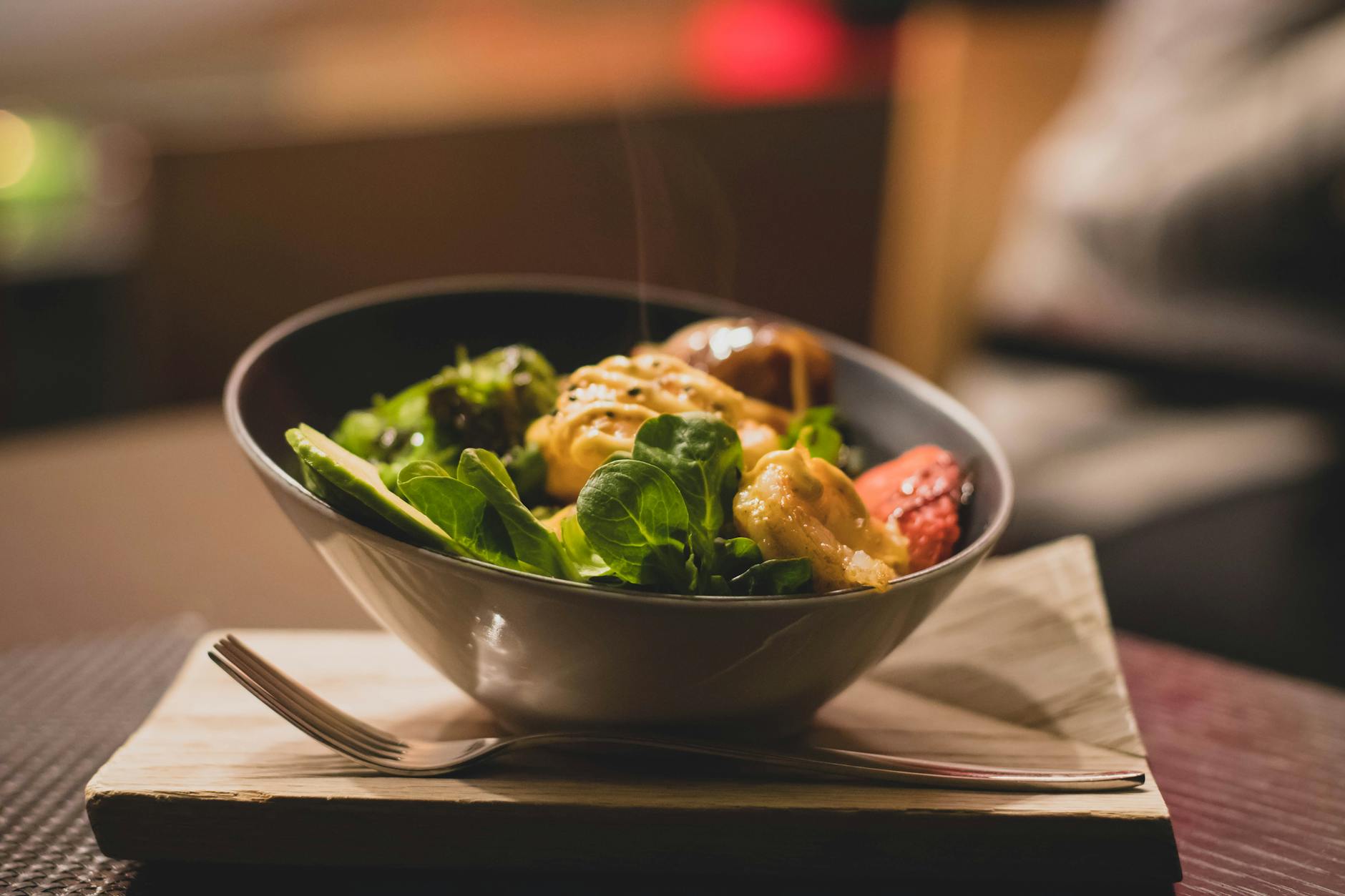
Most salad dressings are not safe for cats to eat and should be avoided entirely. While a tiny lick of plain vinegar or oil might not cause immediate harm, commercial salad dressings typically contain ingredients that are toxic to cats or can cause digestive problems, including garlic, onions, excessive salt, and various spices. Even if your cat somehow gets into a bowl of ranch dressing at dinner, the risks are real enough that you should monitor them carefully and contact your veterinarian if they consume more than a trace amount. Cats lack many of the digestive enzymes that humans have, which means they process foods very differently than we do.
What seems like a harmless condiment can trigger anything from mild stomach upset to serious toxicity depending on the dressing type and the amount consumed. For example, a cat that eats a spoonful of vinaigrette-based dressing might experience mild vomiting or diarrhea, while one that consumes salad dressing containing garlic could develop hemolytic anemia over time. The safest approach is to keep all salad dressings away from your cat’s access and never intentionally offer them any type of dressing. If your cat does manage to taste something they shouldn’t, knowing which ingredients are problematic will help you decide whether a vet visit is necessary.
Table of Contents
- What Ingredients in Salad Dressing Are Dangerous for Cats?
- Why Are Cats More Susceptible to Salad Dressing Ingredients?
- Common Salad Dressing Types and Their Specific Risks
- What Should You Do If Your Cat Eats Salad Dressing?
- Long-Term Health Considerations and Repeated Exposure
- Safe Alternatives If Your Cat Shows Interest in Your Meals
- Preventing Salad Dressing Exposure in Multi-Pet Households
- Conclusion
- Frequently Asked Questions
What Ingredients in Salad Dressing Are Dangerous for Cats?
Garlic and onions are the most serious concern in many salad dressings, as both are members of the allium family and are toxic to cats in even small quantities. These ingredients damage red blood cells in cats, potentially leading to hemolytic anemia, which causes lethargy, weakness, and pale gums. Many vinaigrettes, Asian-style dressings, and creamy dressings contain garlic powder or minced garlic, making them particularly hazardous. A cat that eats a tablespoon of garlic-containing dressing might not show symptoms immediately, but repeated exposure or larger amounts can cause serious harm. Salt content is another major issue with commercial dressings.
Most salad dressings are quite salty by feline standards, and excessive sodium can lead to thirst, dehydration, and in cats with underlying kidney disease, serious complications. A single serving of ranch or Caesar dressing contains more salt than a cat should consume in an entire day. Additionally, many dressings contain xylitol, an artificial sweetener that is extremely toxic to cats and can cause liver failure even in tiny amounts—check ingredient labels carefully if your cat has consumed any unusual foods. Spices like black pepper, red pepper flakes, and paprika are common in many dressings and can irritate a cat’s digestive system, causing vomiting, diarrhea, or general stomach discomfort. Some dressings also contain MSG (monosodium glutamate), which some cats may react to negatively, though sensitivity varies by individual.
Why Are Cats More Susceptible to Salad Dressing Ingredients?
Cats are obligate carnivores, meaning their digestive systems evolved to process meat and animal proteins, not plant-based foods or complex condiments. This fundamental difference in metabolism is why ingredients that are safe for humans can be dangerous for cats. A cat’s liver, in particular, lacks certain enzymes needed to break down and safely eliminate many compounds that are present in salad dressings, making them more vulnerable to toxicity. Additionally, cats have different taste buds and nutritional needs than humans, and their smaller body size means that the same amount of a toxic ingredient has a much more concentrated effect.
A single teaspoon of dressing might seem insignificant to us, but for a five-pound cat, it represents a much larger dose relative to body weight. This is why poisoning cases in cats often involve smaller quantities than would affect a larger dog or human. The limitation here is that a cat’s response to eating something toxic isn’t always immediate or obvious. Some ingredients, like garlic, cause cumulative damage over time, so your cat might not show signs of illness for days or even weeks after exposure. This delayed response means that a single incident of eating salad dressing might not produce noticeable symptoms, but it’s still cause for concern and monitoring.
Common Salad Dressing Types and Their Specific Risks
Ranch dressing is one of the most commonly encountered dressings in household kitchens and also one of the most problematic for cats. Store-bought ranch typically contains garlic powder, onion powder, and herbs like dill and parsley, along with high sodium content. If your cat licks a small amount of ranch from a plate, monitor them for vomiting or diarrhea over the next 24 hours, but don’t panic—a trace amount is less dangerous than larger quantities. However, cats have been known to develop symptoms from consuming just a few spoonfuls of ranch dressing. Vinaigrettes made with balsamic or apple cider vinegar are somewhat less risky than creamy dressings if they contain only oil, vinegar, and basic seasonings, but many still include garlic or shallots.
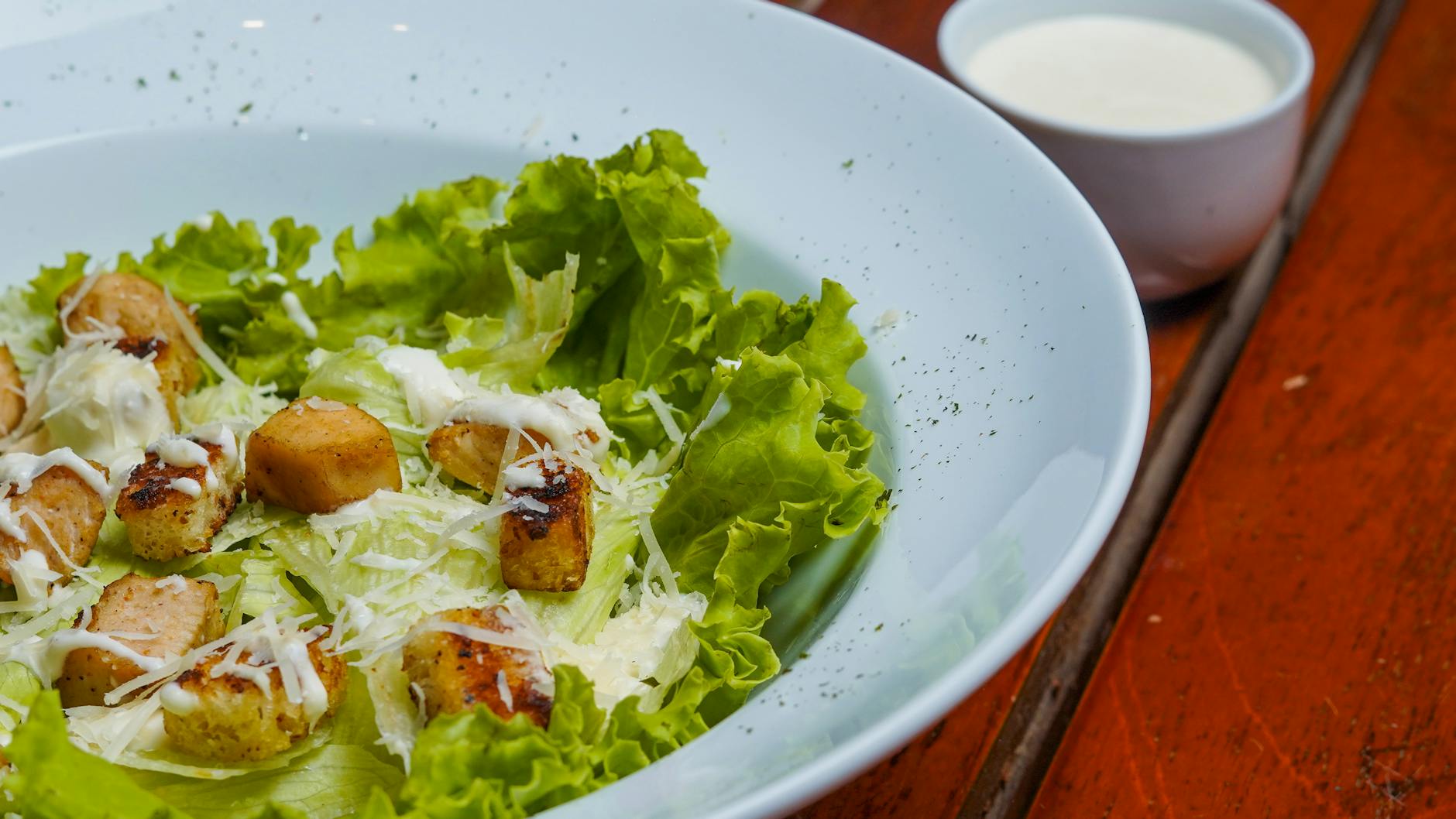
Plain oil and vinegar alone won’t harm your cat, but the moment garlic or other alliums are added, the risk increases substantially. Asian-style dressings with ginger, sesame oil, and soy sauce can also cause problems—the high sodium in soy sauce and the potential presence of garlic or onion are both concerns. Caesar dressing, whether homemade or store-bought, presents risks from anchovies (high salt), garlic, and sometimes raw eggs. Honey-based dressings and those containing raisins are particularly dangerous because raisins are toxic to cats and can cause kidney failure. Always read ingredient labels if your cat has been exposed to any dressing, and err on the side of caution when the ingredients aren’t clearly listed.
What Should You Do If Your Cat Eats Salad Dressing?
If your cat consumes a small amount of non-toxic salad dressing—meaning one without garlic, onions, raisins, or xylitol—observation at home is usually sufficient. Watch for signs of digestive upset such as vomiting, diarrhea, loss of appetite, or lethargy over the next 24 to 48 hours. Keep fresh water available and note any changes in behavior or eating habits. The tradeoff here is balancing the stress of an emergency vet visit against the actual risk: a single lick of most dressings won’t require immediate veterinary intervention, but you should still monitor closely.
If your cat consumed a salad dressing containing garlic, onions, xylitol, or raisins, or if they ate more than a few tablespoons of any dressing, contact your veterinarian immediately. Don’t wait to see if symptoms develop—these ingredients require prompt intervention in some cases. Your vet may recommend inducing vomiting if the ingestion was very recent, or they may want to monitor your cat’s bloodwork to check for damage to red blood cells. Comparison-wise, early vet attention for a potentially serious ingredient is far less expensive and stressful than treating advanced poisoning or organ damage later.
Long-Term Health Considerations and Repeated Exposure
If your cat has only eaten salad dressing once or twice in small amounts, the long-term health impact is likely minimal. However, if your cat has regular access to salad dressing or has eaten it multiple times, the cumulative effects become more serious. Garlic toxicity in cats is dose-dependent and cumulative, meaning small exposures add up over time. A cat that eats small amounts of garlic-containing dressing every week could develop hemolytic anemia even though no single exposure seemed significant. The warning here is to establish firm boundaries around your cat’s access to table scraps and condiments.
Cats are naturally curious and may return to the same food source repeatedly if given the opportunity. If you frequently eat salad with dressing at home, keep your cat in another room during meals or store dressing in a secure cabinet that your cat cannot access. Some cats learn to beg more aggressively after they’ve tasted something appealing, so preventing the first exposure is easier than managing ongoing temptation. Older cats or those with existing health conditions like chronic kidney disease are at higher risk for complications from salad dressing exposure. If your senior cat has eaten any dressing, inform your vet about it during your next check-up, especially if they have a history of kidney problems, which are common in older cats.
Safe Alternatives If Your Cat Shows Interest in Your Meals
If your cat has shown interest in your salad or dressing, it’s worth understanding what actually attracts them. Cats are often drawn to the oils and fats in dressings rather than the salad greens themselves. If you want to share something with your cat, offer them a small amount of plain cooked chicken, unseasoned cooked salmon, or plain cooked turkey instead.
These foods satisfy their protein-seeking instincts without the risks associated with salad dressings. Some cats also enjoy small amounts of plain lettuce or cucumber, which have minimal nutritional value for cats but can be safe in tiny quantities if completely plain and unseasoned. The key distinction is between something being safe to eat and something being nutritionally appropriate for cats—lettuce won’t harm your cat, but it provides no real benefit either, so it’s not a substitute for quality cat food or treats designed for feline health.
Preventing Salad Dressing Exposure in Multi-Pet Households
In households with multiple pets, the risk of accidental dressing exposure increases. Dogs are far more tolerant of salad dressings than cats and can eat many types without serious harm, but cats may consume dressing intended for dogs or raid the same trash can. Keep salad bowls out of reach and dispose of dressing-soaked napkins in a secure trash can that your cat cannot access.
If you’re eating a salad with dressing while your cat is in the room, be mindful of spills and splatters that could attract them. The forward-looking insight here is that as more people become aware of pet nutrition and health, commercial pet food companies are developing cat treats and supplements that aim to replicate some of the appeal of human foods without the risks. While these specialized products still shouldn’t be the foundation of a cat’s diet, they can provide an alternative if your cat is persistently interested in what you’re eating.
Conclusion
The direct answer is clear: salad dressing is not safe for cats and should be kept away from them entirely. Most commercial dressings contain ingredients like garlic, onions, excess salt, or artificial sweeteners that can cause serious health problems ranging from digestive upset to life-threatening organ damage. Even small amounts are best avoided, and any intentional feeding of dressing to your cat is inadvisable regardless of the dressing type.
Your best protection is prevention: keep salad dressings stored securely, eat meals in a way that limits your cat’s exposure to spills and scraps, and watch for signs of illness if accidental exposure occurs. If your cat does consume dressing, monitor them carefully and contact your veterinarian if they’ve eaten more than a trace amount or if the dressing contained garlic, onions, or sweeteners. By understanding which ingredients are risky and why, you’re taking an important step toward protecting your cat’s long-term health.
Frequently Asked Questions
Is a single lick of salad dressing dangerous for my cat?
A single lick of most salad dressings is unlikely to cause serious harm, but it depends on the type. If the dressing contains garlic, onions, or xylitol, a single lick is still risky. Monitor your cat for 24-48 hours for any signs of vomiting, diarrhea, or lethargy, and contact your vet if symptoms appear.
Can cats eat plain oil and vinegar without added ingredients?
Plain oil and vinegar without any added seasonings, garlic, or onions is unlikely to cause serious harm in small amounts, though it’s not nutritionally necessary for cats. The high fat content could cause mild digestive upset, so it’s still best avoided.
What should I do if my cat ate dressing with garlic in it?
Contact your veterinarian immediately, especially if your cat consumed more than a trace amount. Garlic is toxic to cats and can damage red blood cells. Your vet may recommend monitoring or bloodwork to check for complications. Don’t wait to see if symptoms develop.
Is ranch dressing toxic to cats?
Ranch dressing is problematic for cats because most commercial versions contain garlic powder and onion powder, both of which are toxic to cats. Additionally, ranch is high in sodium and fat. Even a small amount should be avoided.
Can cats die from eating salad dressing?
Death from a single exposure to salad dressing is unlikely unless the dressing contained significant amounts of a highly toxic ingredient like xylitol or a very large quantity of garlic. However, repeated exposure to dressings containing garlic or onions can cause serious anemia and organ damage that could be life-threatening without treatment.
What’s the difference between my cat eating dressing and my dog eating the same dressing?
Dogs are much more tolerant of salad dressing ingredients than cats and can often eat small amounts without harm. Cats, being obligate carnivores with different liver enzymes, cannot break down certain ingredients as effectively. What’s safe for your dog may be dangerous for your cat, so it’s important not to assume they have the same dietary rules.