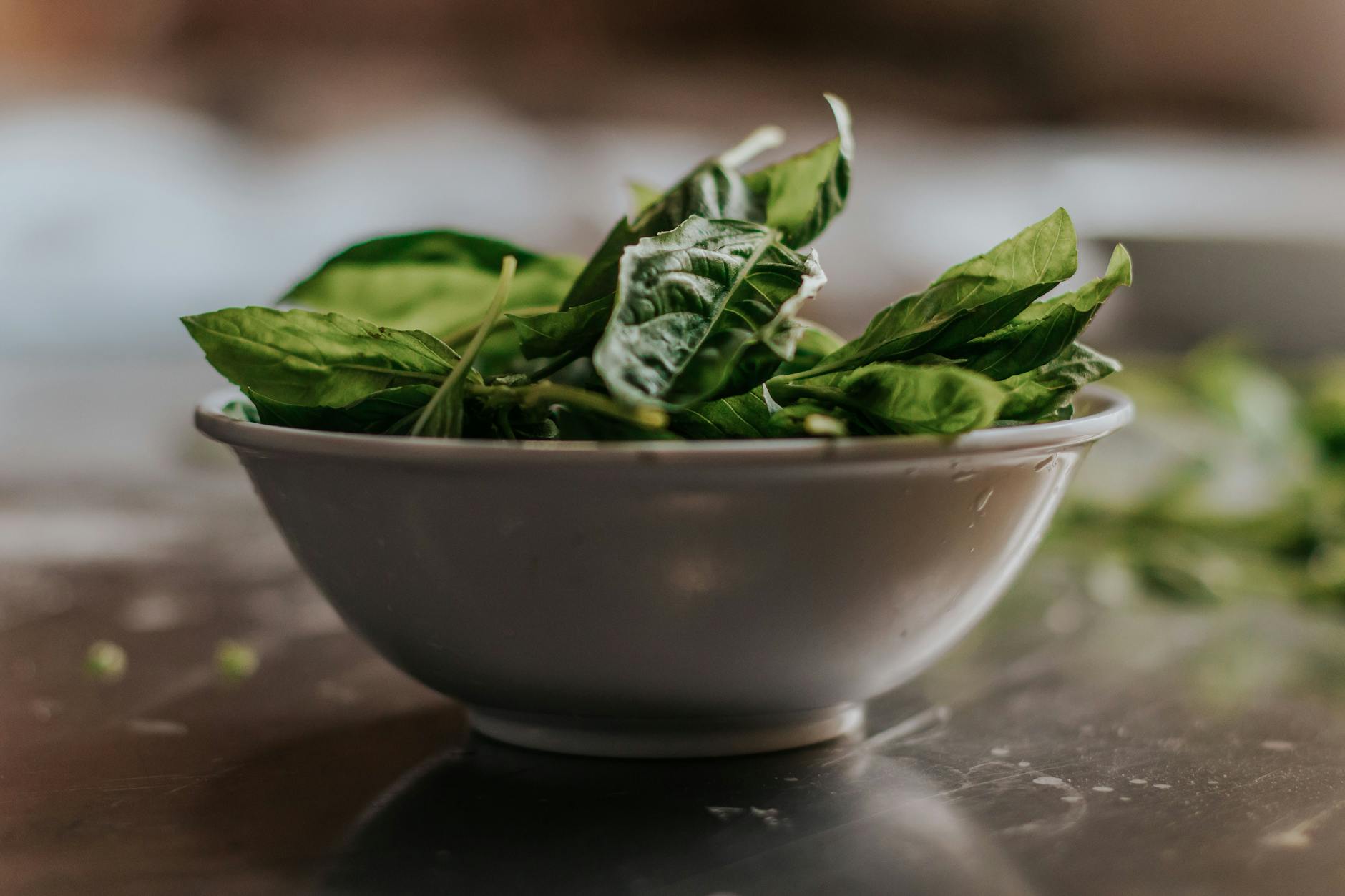
Yes, cats can eat spinach in moderation, and it can actually provide some nutritional benefits when offered as an occasional treat. Spinach contains vitamins and minerals like vitamin K, folate, and iron that support feline health. However, spinach should never form a regular part of your cat’s diet because it contains oxalates, compounds that can interfere with calcium absorption and potentially contribute to urinary tract problems over time.
For example, if your cat ate a small amount of cooked spinach once or twice a month, there would be minimal concern, but feeding spinach several times per week could create a nutritional imbalance that compromises their health. The key to safely offering spinach is understanding that cats are obligate carnivores, meaning their bodies are designed to extract nutrition primarily from meat, not vegetables. While their digestive systems can technically process plant matter, they lack certain enzymes that make vegetable nutrients as bioavailable as they are in humans. This is why spinach should be viewed as an occasional supplement or treat, not as a dietary staple, and always in small quantities.
Table of Contents
- Why Do Cats Need Different Vegetables Than Humans?
- The Oxalate Problem and Calcium Imbalance
- Raw Versus Cooked Spinach for Cats
- Safe Vegetables as Spinach Alternatives
- Spinach and Cats with Urinary Problems
- Accidental Spinach Consumption
- Rethinking Plant Matter in Feline Diets
- Conclusion
- Frequently Asked Questions
Why Do Cats Need Different Vegetables Than Humans?
cats have fundamentally different nutritional needs than people, and this extends to how their bodies process greens like spinach. While humans benefit significantly from eating spinach regularly due to its iron, calcium, and antioxidant content, cats derive minimal nutritional value from the same amounts. A cat’s liver produces different digestive enzymes, and they process plant-based nutrients less efficiently than omnivores. This means a serving of spinach that might be genuinely beneficial for a human provides only trace nutrients to a cat, while still introducing the problematic oxalates into their system.
The oxalate content in spinach becomes the real concern for cats. Oxalates bind to calcium in the digestive tract, reducing the amount of calcium available for your cat’s body to use. Over time, this can contribute to calcium deficiency, which affects bone density and can increase the risk of certain urinary conditions like struvite crystals or stones. In cats predisposed to kidney or urinary issues, this becomes an even greater concern. Even healthy cats with no existing conditions can develop problems if exposed to high-oxalate foods regularly.
The Oxalate Problem and Calcium Imbalance
Oxalates present in spinach are particularly problematic for cats because feline kidneys are already relatively sensitive, and cats are prone to developing urinary tract issues as a natural part of aging. The oxalates don’t just pass through the system harmlessly; they actively work against calcium absorption in the intestines. A cat fed spinach regularly might develop what veterinarians call secondary hyperparathyroidism, where the body responds to low circulating calcium by pulling calcium from bone stores, weakening the skeleton over time.
The challenge is that spinach contains such high levels of oxalates that even moderate consumption can tip the calcium-phosphorus balance that cats need. Unlike broccoli or carrots, which have lower oxalate levels and can occasionally appear in a cat’s diet without much concern, spinach in any meaningful quantity becomes a liability. A veterinary study found that cats given regular spinach supplements showed measurable changes in their urinary chemistry within weeks, demonstrating how quickly the compound affects feline physiology. This is why most veterinarians recommend avoiding spinach entirely rather than trying to manage small portions.
Raw Versus Cooked Spinach for Cats
Cooking spinach does reduce the oxalate content somewhat—boiling spinach can decrease oxalate levels by approximately 30-40%—but it doesn’t eliminate the problem entirely. Cooked spinach also becomes more concentrated in nutrients per volume, meaning a small serving of cooked spinach contains more oxalates in a more bioavailable form than the same weight of raw spinach. Some cat owners believe that cooking makes vegetables universally safer for cats, but this isn’t accurate, and it can actually make certain vegetables more problematic.
Raw spinach has additional considerations. It can be harder for cats to digest and may pose a minor choking risk for cats that don’t chew thoroughly. However, the lower concentration of oxalates in raw spinach means it’s marginally less concerning than cooked versions if a cat accidentally consumes a small amount. In practical terms, neither raw nor cooked spinach should be intentionally fed to cats, but if your cat sneaks a leaf of raw spinach, it’s far less of an emergency than consuming a mouthful of cooked spinach.

Safe Vegetables as Spinach Alternatives
If you want to give your cat occasional vegetable treats or supplements, several safer alternatives exist. Cooked pumpkin, for instance, is one of the most commonly recommended vegetables for cats and provides digestive benefits without the oxalate concern. Carrots, which are low in oxalates and can be fed cooked and mashed, offer some nutritional value and are particularly beneficial for cats with digestive issues. Peas are another option that many cats find palatable and which contain fewer problematic compounds than spinach.
The comparison is important: while pumpkin and carrots provide modest nutritional supplements to your cat’s diet, spinach’s risks outweigh any benefits it might offer. A tablespoon of cooked pumpkin fed once a week is a far better choice than even a small portion of spinach. For most cats, the ideal approach is to focus on their primary diet of high-quality commercial cat food, which is nutritionally balanced specifically for feline needs, and to treat vegetables as optional enrichment rather than nutritional necessities. If you’re considering adding vegetables to your cat’s diet for a specific health reason—such as constipation or obesity—consult your veterinarian about which options are truly beneficial for your individual cat’s situation.
Spinach and Cats with Urinary Problems
Cats with a history of urinary tract infections, kidney disease, or crystal formation should never consume spinach. For these cats, managing their environment to minimize risk factors is critical, and introducing oxalate-rich foods directly contradicts their medical needs. Even cats without diagnosed urinary issues can develop problems as they age, and the cumulative effect of regular spinach consumption may not become apparent until significant damage has occurred. The warning here extends beyond spinach itself.
Cats that have experienced urinary problems should generally avoid all high-oxalate vegetables and foods. Some commercial cat treat products contain vegetable fillers or spinach as an ingredient, marketed as “natural” or “nutritious,” when in reality they pose a risk to the target demographic of cats they’re sold for. Always read ingredient labels on cat treats carefully, and ask your veterinarian specifically which ingredients to avoid if your cat has a history of urinary issues. The damage from urinary crystal formation can be severe, sometimes requiring emergency veterinary intervention, making prevention far more important than occasional treat options.
Accidental Spinach Consumption
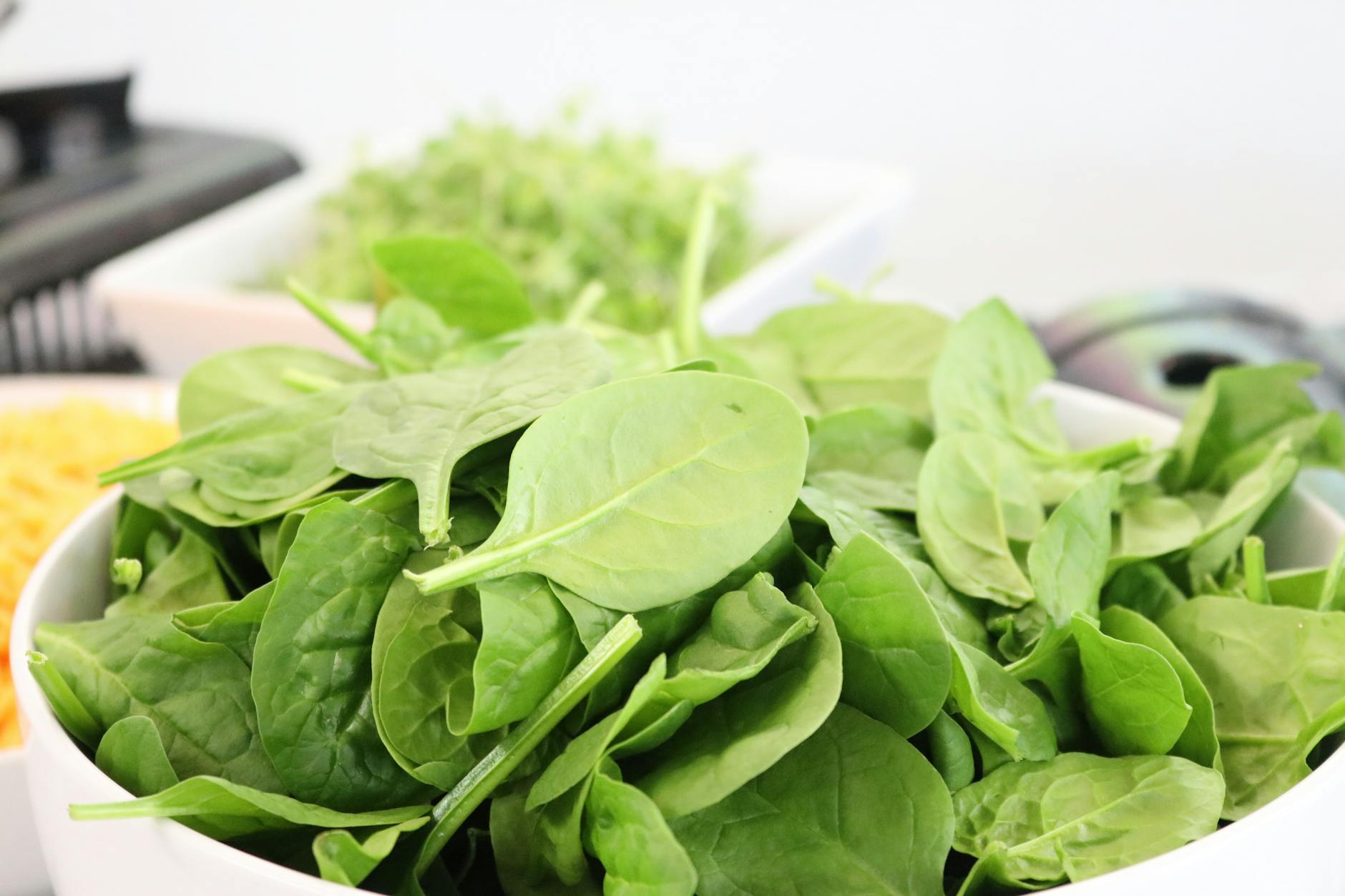
If your cat accidentally eats spinach—perhaps from your salad or a dropped leaf from your garden—the occasional small amount is unlikely to cause immediate harm. A single leaf or small bite of raw spinach is not an emergency, and most cats that consume small quantities once will show no symptoms whatsoever. The concern develops with repeated exposure and cumulative ingestion over time, not from isolated incidents. For example, if your indoor cat occasionally steals a piece of spinach from your plate a few times per year, this poses minimal risk.
If your outdoor or free-roaming indoor cat is regularly eating spinach from your garden, this becomes a genuine concern worth addressing. What you should watch for after accidental consumption is any change in your cat’s urinary habits, including increased frequency, straining during urination, or blood-tinged urine. These signs warrant a veterinary visit. In the vast majority of cases, however, accidental spinach consumption causes no observable symptoms, and cat owners shouldn’t panic if their cat has eaten some. The problem emerges only with intentional feeding or high repeated exposure.
Rethinking Plant Matter in Feline Diets
The broader trend of adding vegetables and plant-based ingredients to cat diets reflects a human-centered perspective on nutrition rather than feline physiology. As more commercial cat foods include vegetable fillers and botanicals, it’s worth questioning whether these additions truly benefit cats or primarily reduce manufacturing costs. Some plant-based cat foods have been marketed as more “natural” or “wholesome,” but cats derive little nutritional value from vegetables and processed plant materials, regardless of how the marketing is framed.
Future discussions about feline nutrition should focus on what cats actually need—high-quality animal proteins, essential amino acids like taurine, and appropriate fat ratios—rather than trying to enhance their diet with items designed to improve human health. Understanding that cats are obligate carnivores, not modified omnivores, helps clarify why spinach and similar vegetables will never be genuinely beneficial additions to their diet. Supporting your cat’s health means feeding them foods that match their evolutionary biology, not forcing plant-based nutrition into a system that doesn’t process it effectively.
Conclusion
Spinach is not recommended for cats, despite being safe in tiny quantities. The oxalate content and its interference with calcium absorption create unnecessary risks for animals that gain minimal nutritional value from the vegetable. Instead of offering spinach or experimenting with various greens, the most straightforward path to supporting your cat’s health is maintaining a diet of appropriate commercial cat food designed for their nutritional needs, supplemented only with veterinarian-approved treats and vegetables. If you want to provide occasional vegetable enrichment, safer alternatives like pumpkin or carrots serve the purpose far better.
The takeaway for cat owners is simple: skip spinach entirely. This isn’t a restriction born from overprotection but from practical feline biology. Your cat’s health is better served by respecting their evolutionary role as a carnivore and avoiding foods that introduce complications without meaningful benefit. If you have questions about what vegetables or supplements are appropriate for your specific cat, particularly if your cat has any history of urinary issues or kidney concerns, consult your veterinarian before introducing anything new to their diet.
Frequently Asked Questions
Can kittens eat spinach safely?
No. Kittens should never eat spinach. Their developing bodies are even more sensitive to calcium imbalances than adult cats, and the risk of causing long-term skeletal problems is higher. Spinach serves no purpose in a kitten’s diet and introduces unnecessary risk during critical growth stages.
What if my cat ate spinach from my garden once?
A single accidental consumption is unlikely to cause harm. Monitor your cat’s litter box habits for changes in urination patterns, but one incident of eating a small amount requires no emergency intervention. Only repeated or large quantities of spinach pose a genuine health risk.
Is cooked spinach safer than raw spinach for cats?
Cooked spinach is actually more concerning than raw spinach because cooking concentrates oxalates, making them more bioavailable in a smaller volume. If your cat must consume spinach, raw would be marginally preferable, but neither is recommended.
Can spinach help my cat’s digestion?
No. If your cat has digestive issues, spinach is not an appropriate remedy and could worsen problems. Cooked pumpkin is far more effective for most digestive concerns in cats and poses no mineral imbalance risks.
Are cat foods with spinach ingredients safe?
Read labels carefully. Some commercial cat foods include spinach as a filler ingredient. While the amount in processed food is usually small, cats with urinary issues or kidney disease should avoid these products entirely. For other cats, the spinach content in commercial food is less concerning than intentional spinach feeding, but it remains an unnecessary ingredient.
What vegetables are actually good for cats?
Cooked pumpkin, cooked carrots, and peas are safer options if you want to offer vegetables. Most cats don’t require vegetables at all, and a high-quality commercial cat food formulated for their nutritional needs is the best dietary foundation. Consult your veterinarian about which foods are appropriate for your cat’s specific health situation.