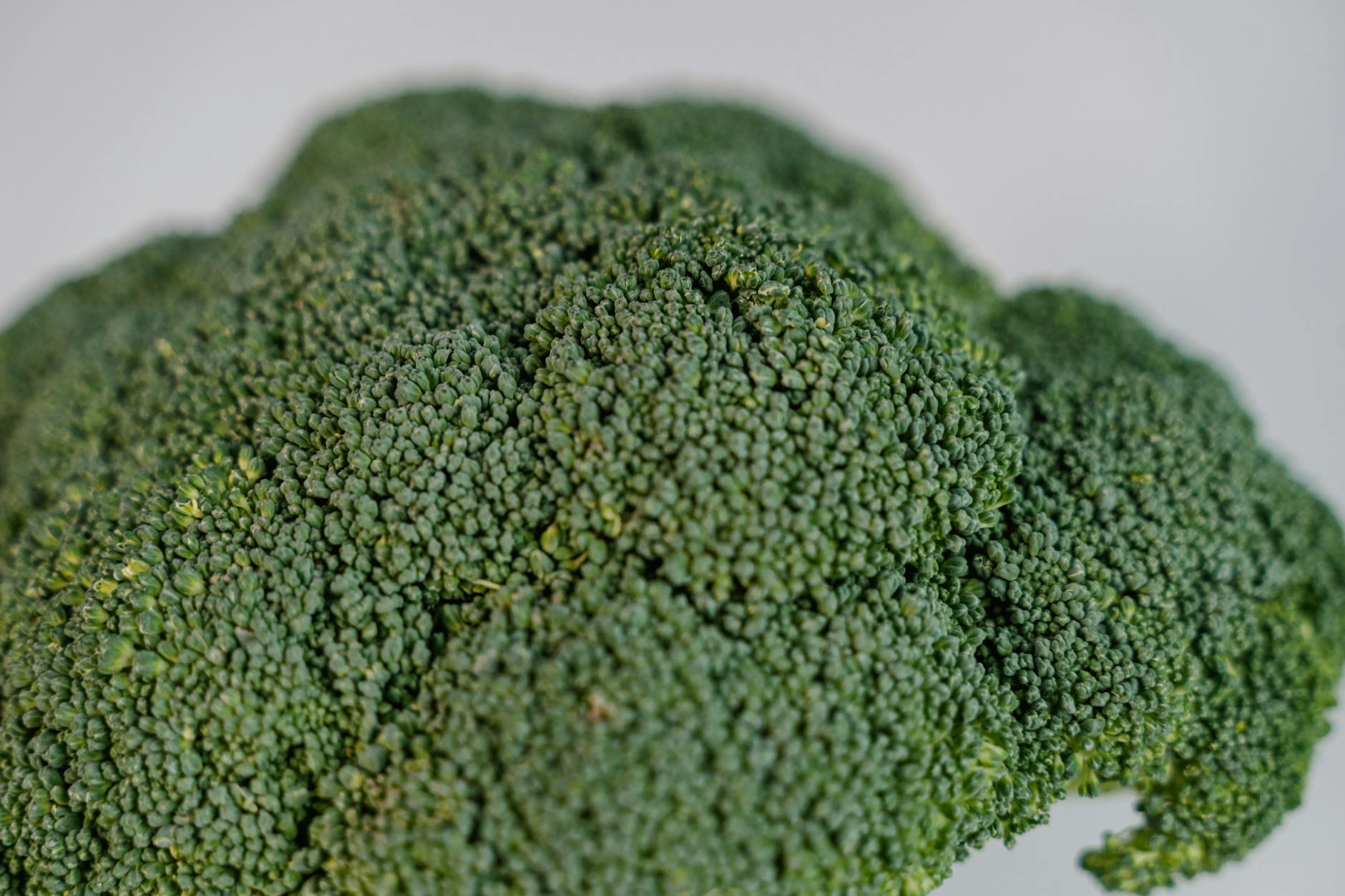
Yes, cats can eat broccoli in small amounts, and it is generally safe for them. Broccoli is not toxic to cats and contains some beneficial nutrients like vitamin C and fiber. However, broccoli should only be an occasional treat and never a dietary staple, as cats are obligate carnivores whose nutritional needs are best met through meat-based proteins rather than vegetables.
Most cats don’t show much interest in broccoli due to their preference for savory meat flavors, but some curious felines may nibble on it if offered. For example, if your cat investigates a piece of steamed broccoli from your dinner plate and takes a small bite, there’s no need for concern. The key is offering it rarely and in minimal quantities, always preparing it safely.
Table of Contents
- What Makes Broccoli Safe for Cats?
- Nutritional Considerations and Digestive Challenges
- How Cats React to Broccoli
- Safe Preparation and Appropriate Serving Methods
- Health Conditions That Warrant Caution
- Broccoli and Potential Interactions
- Prioritizing Appropriate Feline Nutrition
- Conclusion
- Frequently Asked Questions
What Makes Broccoli Safe for Cats?
Broccoli lacks the compounds that make foods like grapes, onions, and chocolate toxic to cats. The main components of broccoli—fiber, vitamins, and minerals—are not inherently harmful to feline digestive systems. Cats can process small amounts of this cruciferous vegetable without experiencing adverse reactions, unlike some other foods that are strictly forbidden for cats.
The safety of broccoli largely depends on preparation method and quantity. Raw broccoli is harder to digest than cooked broccoli, and the florets can present a choking hazard if not cut into appropriate small pieces. Steamed or boiled broccoli is easier for cats to chew and digest, making it a safer option if you decide to offer it. Avoid adding salt, oil, garlic, or other seasonings, as these additions can create health problems even if plain broccoli is safe.
Nutritional Considerations and Digestive Challenges
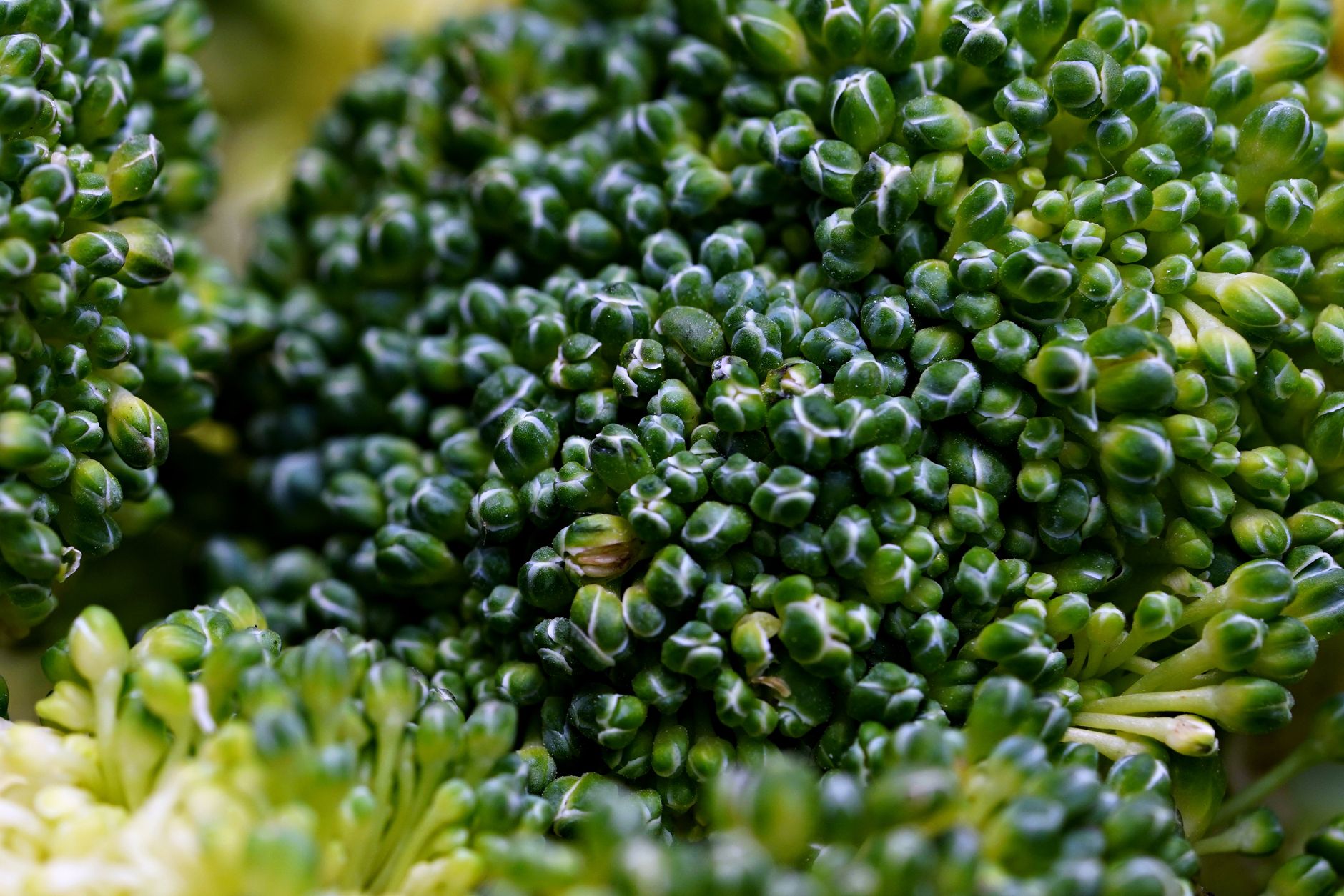
While broccoli contains some beneficial nutrients, it offers very little of nutritional value that matters for cats. Cats require high levels of taurine, an amino acid found almost exclusively in animal protein. They lack the metabolic pathways that other animals use to synthesize certain vitamins from plant sources, meaning plant-based nutrition cannot replace meat in their diet. Broccoli might add a negligible amount of fiber, but cats don’t require supplemental vegetables to maintain healthy digestion when fed appropriate commercial or homemade meat-based diets.
The fiber in broccoli can actually pose a limitation for some cats. Excessive plant material in a cat’s diet may cause digestive upset, including mild diarrhea or constipation, depending on the individual cat’s sensitivity. Cats with sensitive stomachs or existing gastrointestinal conditions should avoid broccoli entirely. Additionally, the cruciferous compounds in broccoli can cause gas and bloating in some cats, leading to discomfort despite the vegetable being technically safe to consume.
How Cats React to Broccoli
Most cats display indifference or mild curiosity toward broccoli, sniffing it briefly before losing interest. However, some individual cats develop unexpected preferences for certain vegetables and may actively seek out broccoli if they’ve tasted it before. This behavioral variation is unpredictable; one cat in a household might ignore broccoli completely while a sibling shows interest in it.
When cats do consume small amounts of broccoli, they typically experience no noticeable symptoms. The vegetable passes through their digestive system without causing harm. However, cats may experience temporary changes in bowel movements or mild gas if they ingest larger quantities. If you notice your cat showing signs of gastrointestinal distress after eating broccoli—including vomiting, diarrhea, or loss of appetite—discontinue offering it and consult your veterinarian if symptoms persist beyond a day.
Safe Preparation and Appropriate Serving Methods
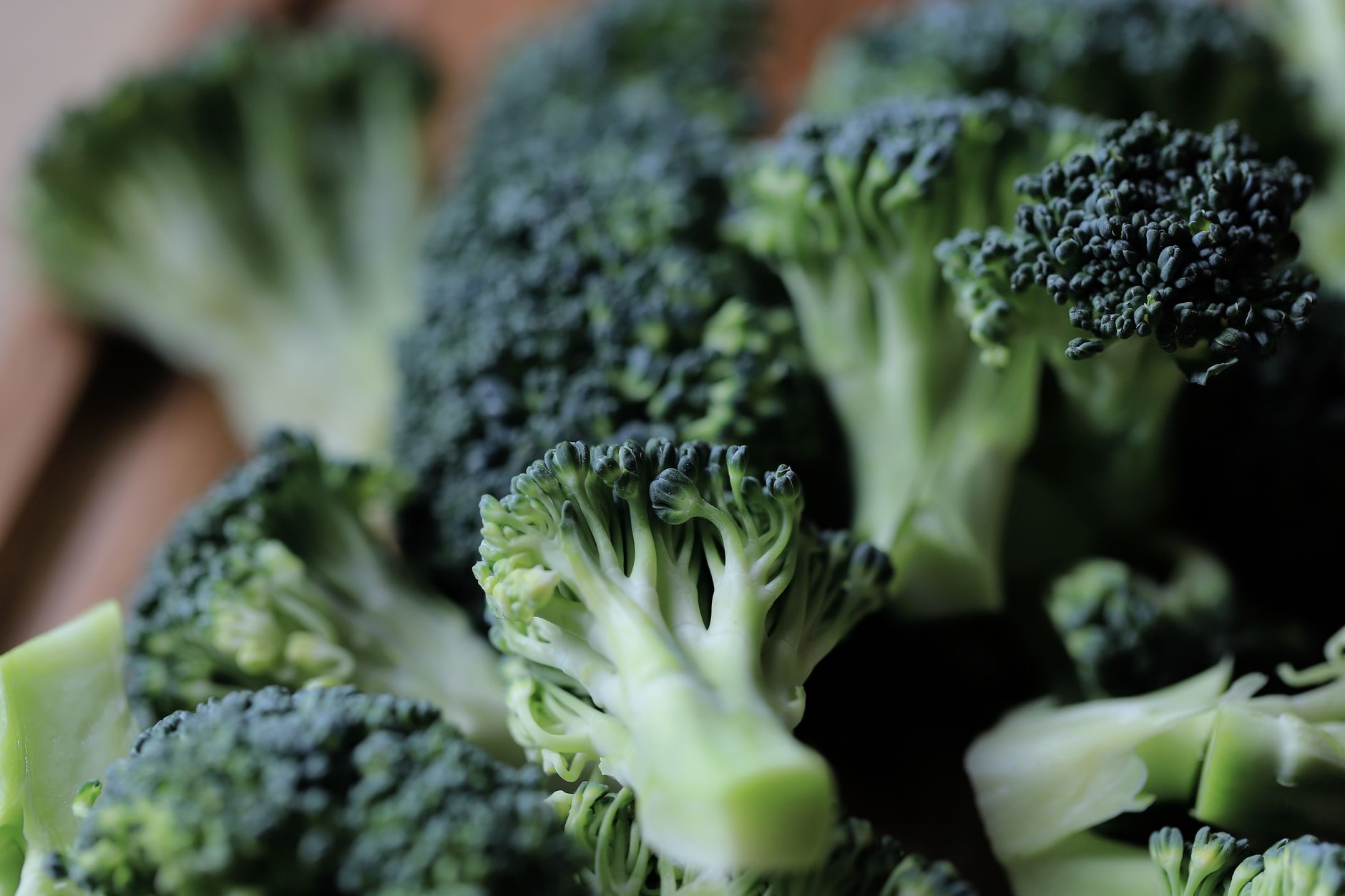
If you choose to offer broccoli to your cat, preparation is essential for safety. Steaming broccoli until it’s soft makes it much easier for cats to chew and digest compared to raw florets. Cut the broccoli into small pieces no larger than a pea, as larger chunks present choking hazards. Never use cooking methods that add salt, butter, oil, or seasonings; plain steamed broccoli is the only appropriate option.
The ideal serving size is minimal—a single small floret or a teaspoon of chopped broccoli constitutes a reasonable treat. This should occur only occasionally, perhaps once every few weeks at most, and only if your cat shows interest. Broccoli should never comprise more than 10 percent of your cat’s daily caloric intake, and realistically, vegetables should make up a far smaller portion of a cat’s diet. Compare this to commercial cat treats that are formulated specifically for feline nutritional requirements; those are always preferable options when you want to give your cat something beyond their regular meals.
Health Conditions That Warrant Caution
Cats with kidney disease, urinary tract issues, or metabolic disorders should avoid broccoli entirely. The mineral content and fiber in broccoli can complicate management of these conditions, even though the vegetable is safe for healthy cats. Similarly, cats with irritable bowel syndrome or other chronic gastrointestinal conditions may experience flare-ups from vegetable matter.
Always consult your veterinarian before introducing any new food to your cat’s diet if they have underlying health conditions. Overweight or diabetic cats should also avoid broccoli treats, as the goal is usually to restrict non-nutritional caloric intake and maintain stable blood glucose levels. Even the small calories in a piece of broccoli contribute to daily caloric totals that matter for weight management. Additionally, some cats have food sensitivities or allergies that may manifest as itching, vomiting, or diarrhea when exposed to new foods; if your cat has a history of food reactions, introduce any new food only under veterinary guidance.
Broccoli and Potential Interactions
If your cat is receiving any medications or supplements, broccoli theoretically could interact with certain compounds, though documented cases in cats are rare. The vitamin K in broccoli might theoretically interact with anticoagulant medications, though the amount present in small portions of broccoli is unlikely to cause clinical issues.
Nevertheless, mention any dietary additions to your veterinarian, particularly if your cat takes medication for chronic conditions. The goitrogens present in small amounts in broccoli and other cruciferous vegetables have been studied in different species, but at the minimal quantities a cat might consume, these compounds pose no realistic threat to thyroid function. However, cats with pre-existing thyroid problems should avoid broccoli as a precautionary measure.
Prioritizing Appropriate Feline Nutrition
Rather than focusing on whether broccoli is safe, the more important consideration is ensuring your cat receives optimal nutrition through appropriate commercial cat foods or veterinarian-approved homemade diets. Quality cat food contains all the nutrients cats need, and vegetables are unnecessary for feline health. If you want to offer your cat treats and variety, commercial cat treats, small amounts of cooked chicken, or prescribed dental treats serve your cat’s needs far better than vegetables do.
Looking forward, as cat nutrition science advances, research continues to clarify which foods provide genuine health benefits for cats versus which are simply tolerated. Broccoli remains in the “tolerated in small amounts” category rather than the “beneficial” category. Focus on high-quality protein sources and complete commercial diets as the foundation of your cat’s nutrition, with treats as minor additions.
Conclusion
Broccoli is safe for cats to eat in very small quantities, but it offers minimal nutritional benefit and is unnecessary for feline health. The decision to offer broccoli should be based on your individual cat’s interest and digestive tolerance rather than on any health advantage. Always prepare it plain, cut into small pieces, and serve only occasionally.
If your cat shows no interest in broccoli, there’s absolutely no reason to encourage consumption. Instead, focus on meeting all their nutritional needs through appropriate high-protein cat food and water. If your cat enjoys small amounts of steamed broccoli and tolerates it well, an occasional small piece poses no harm, but it should never replace proper feline nutrition or balanced commercial treats formulated for cats.
Frequently Asked Questions
Can cats eat raw broccoli?
Technically yes, but steamed broccoli is preferable because it’s softer and easier to digest. Raw broccoli florets pose a choking risk and are harder for cats to chew.
Is broccoli toxic to cats?
No, broccoli is not toxic to cats. It lacks the harmful compounds found in foods like grapes, chocolate, or onions that are dangerous for felines.
How much broccoli can a cat safely eat?
Only a small amount, such as a single small floret or a teaspoon of chopped broccoli, and only occasionally. It should never make up more than a tiny fraction of their daily intake.
Why do some cats like broccoli?
Individual preferences vary among cats. Some cats show curiosity about different foods based on past exposure or personality, while others completely ignore vegetables.
Should I add broccoli to my cat’s regular diet?
No, broccoli should not be part of your cat’s regular diet. Cats are obligate carnivores and require meat-based protein, not vegetables.
What should I do if my cat eats too much broccoli?
If your cat consumes a large amount, monitor for signs of digestive upset like vomiting or diarrhea. Contact your veterinarian if symptoms develop or persist.