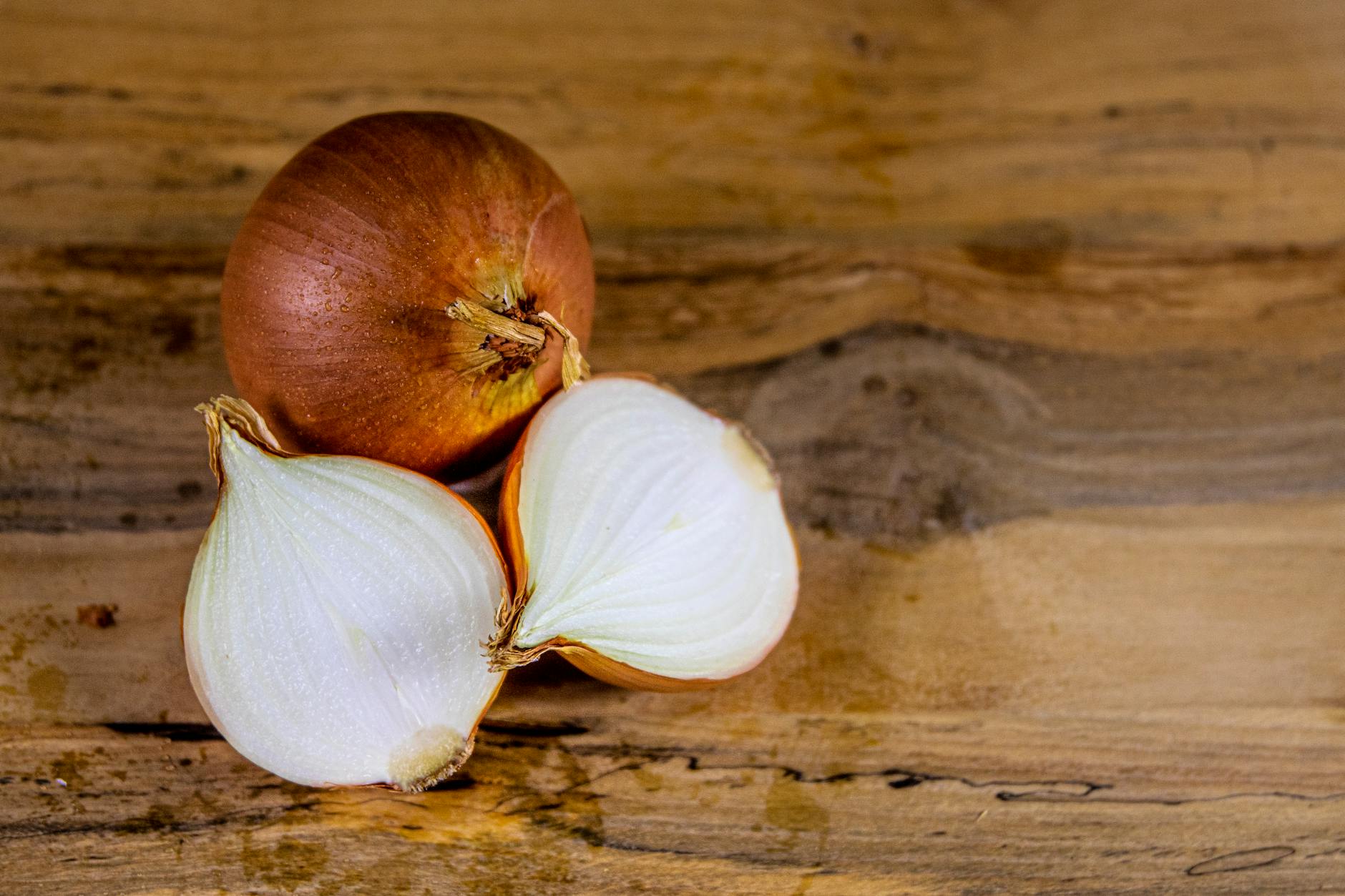
No, it is not safe for cats to eat onions. Onions contain compounds called thiosulfates that are toxic to cats and can damage their red blood cells, leading to a condition called hemolytic anemia. Even small amounts of onion can be harmful, and the danger applies to all forms of onions—raw, cooked, powdered, or dehydrated.
If your cat ate a single onion ring that fell from your plate during dinner, the risk is minimal, but regular consumption or large quantities can cause serious illness. The toxicity of onions to cats is well-documented by veterinarians and applies across the entire onion family, including garlic, chives, leeks, and shallots. Unlike humans, cats lack certain enzymes needed to break down these compounds, which makes them especially vulnerable. The damage happens gradually as thiosulfates accumulate in the bloodstream and attack red blood cells, so symptoms may not appear immediately after a single exposure.
Table of Contents
- What Makes Onions Toxic to Cats?
- Symptoms of Onion Poisoning in Cats
- Onions in Common Human Foods and Hidden Risks
- Safe Food Alternatives for Your Cat
- Accidental Exposure and When to Seek Emergency Care
- Long-Term Management in Multi-Pet Households
- Building a Cat-Safe Kitchen Environment
- Conclusion
- Frequently Asked Questions
What Makes Onions Toxic to Cats?
Onions, garlic, and related plants in the allium family contain thiosulfates, sulfur-based compounds that cats cannot metabolize effectively. When a cat ingests these compounds, they oxidize hemoglobin in the cat’s red blood cells, causing the formation of Heinz bodies—abnormal structures that lead to cell death. This process is cumulative, meaning that even small repeated exposures add up over time and can eventually cross the threshold into clinical toxicity.
The risk increases with the amount of onion consumed and the cat’s individual sensitivity. A single small slice of onion may not cause immediate problems in an adult cat, but a bowl of onion soup or several tablespoons of raw onion can trigger visible symptoms within hours or days. Kittens and cats with pre-existing health conditions, particularly those affecting the liver or kidneys, are at higher risk of severe reactions.

Symptoms of Onion Poisoning in Cats
The symptoms of onion toxicity can develop over a period of hours to days and vary depending on the amount consumed. Early signs include lethargy, reduced appetite, and vomiting. As the condition progresses, your cat may show signs of anemia such as pale gums, rapid breathing, weakness, or orange-colored urine. In severe cases, cats may collapse or experience jaundice, where the skin and whites of the eyes take on a yellowish tint.
One important limitation to be aware of is that symptoms can be subtle and easy to miss. Many cat owners mistake the lethargy and reduced appetite for a minor illness or temporary behavioral change rather than recognizing it as a poisoning emergency. If your cat has had access to onions and develops any combination of these symptoms, do not wait—contact your veterinarian immediately. Blood tests are needed to confirm hemolytic anemia, and treatment may include supportive care, oxygen therapy, or a blood transfusion in severe cases.
Onions in Common Human Foods and Hidden Risks
Onions appear in many dishes that cat owners consume regularly, creating hidden toxicity risks in the household. Cooked onions in pizza, pasta sauce, stir-fries, baby food, and soups are just as toxic as raw onions and can still damage a cat’s red blood cells. Garlic powder and onion powder, common ingredients in seasoning blends and processed meats, are even more concentrated sources of thiosulfates because the compounds become more potent when dried.
A typical scenario is a cat eating a small piece of pizza crust from a slice with garlic and onion toppings, or lapping up gravy from a plate of home-cooked chicken that was seasoned with garlic. These seemingly innocent exposures can add up, especially in households where the cat has regular access to human food. Pet owners who give their cats table scraps or allow them to scavenge from plates and counters create cumulative exposure risk over weeks or months, even if each individual exposure is small.

Safe Food Alternatives for Your Cat
Rather than sharing your meals with your cat, focus on feeding appropriate cat-specific treats and foods that provide genuine nutrition without toxicity risks. Commercial cat treats are formulated to be safe and often contain flavors cats actually prefer, such as chicken or fish. If you want to share human food with your cat, choose truly safe options like plain cooked chicken, turkey, or unseasoned beef—no garlic, onion, or other seasonings. The tradeoff here is between convenience and safety.
Sharing your plate with your cat feels natural and creates a sense of bonding, but it introduces unnecessary toxicity risks. Instead, set a clear household rule: human food and cat food remain separate. You can still show your cat affection through supervised playtime, grooming, and dedicated treat time using appropriate cat foods. This approach eliminates the guesswork and keeps your cat safe from accidental poisoning.
Accidental Exposure and When to Seek Emergency Care
If your cat has eaten onion or garlic, the first step is to stay calm and assess the amount and form consumed. A single slice of onion or a small piece of garlic bread poses minimal immediate risk, but large quantities or repeated exposure require veterinary attention. Contact your veterinarian or animal poison control center to discuss the specific amount your cat ate and get professional guidance on whether your cat needs to be evaluated.
A critical warning: do not induce vomiting at home or use activated charcoal without veterinary instruction, as these interventions can sometimes cause more harm than the original exposure. Your veterinarian may recommend inducing vomiting if the ingestion was very recent, or they may suggest supportive care and monitoring. Symptoms can develop gradually over days, so even if your cat seems fine immediately after exposure, remain vigilant and watch for any behavioral changes, appetite loss, or signs of letharness.
Long-Term Management in Multi-Pet Households
Households with both cats and dogs present an additional challenge, since dogs tolerate some foods that are highly toxic to cats. If you cook with onions and garlic for family meals and also have a dog, make sure your cat cannot access food intended for the dog, as pet food for dogs sometimes contains garlic or onion for flavor. Store all human food and pet food in clearly separated areas, and teach family members—especially children—that cat food is for cats only.
A practical example: a family keeps a small bowl of dog kibble seasoned with bacon and garlic on the kitchen floor for their dog. Their cat, curious about the stronger-smelling food, begins nibbling from the dog bowl. Over several weeks, the cat accumulates exposure to garlic and develops hemolytic anemia before anyone connects the illness to the dog’s seasoned kibble. Preventing this scenario requires intentional separation and clear household policies.
Building a Cat-Safe Kitchen Environment
Creating a truly cat-safe kitchen environment requires awareness of which foods belong in your cat’s world and which do not. Keep your trash bin secured so that your cat cannot scavenge discarded onion skins, garlic cloves, or food scraps. Be particularly cautious during meal preparation when onions and garlic are being chopped and pieces might fall to the floor.
Many cats are attracted to the smell and texture of fresh onion and garlic, and will investigate and eat these items if given the opportunity. As awareness of pet nutrition improves, more resources and products are available to help cat owners make informed choices. Using these resources and building safety habits now means your cat can live a long, healthy life free from preventable toxicity. The effort required to keep onions away from your cat is minimal compared to the cost of treating hemolytic anemia or the risk of losing your cat to accidental poisoning.
Conclusion
Onions are toxic to cats and should never be intentionally fed to your cat in any form. The damage comes from thiosulfates that cats cannot effectively metabolize, leading to hemolytic anemia and potentially life-threatening health consequences. Even though a single small exposure may not cause immediate illness, regular or large-amount exposures create cumulative risk that can seriously harm your cat’s health.
Protect your cat by maintaining clear boundaries between human food and cat food, being aware of onions and garlic in common dishes, and educating family members about toxicity risks. If your cat does consume onion or garlic, contact your veterinarian immediately. By taking these steps, you can keep your cat safe and focus your affection on proven, appropriate ways to care for and bond with your feline companion.
Frequently Asked Questions
Is a tiny piece of onion harmful to my cat?
A single tiny piece of onion poses minimal immediate risk, but even small amounts contribute to cumulative toxicity. Monitor your cat for any behavioral changes. If it becomes a pattern, toxicity can develop over time.
Are cooked onions safer than raw onions for cats?
No. Cooked onions are just as toxic as raw onions because the harmful thiosulfates remain present and actually become more concentrated when onions are dried. The cooking process does not eliminate the toxicity.
What should I do if my cat ate onion?
Contact your veterinarian or animal poison control center immediately, even if your cat seems fine. Provide details about the amount and form of onion consumed. Do not induce vomiting without professional guidance.
Are all members of the onion family toxic to cats?
Yes. Onions, garlic, chives, leeks, and shallots all contain thiosulfates and are toxic to cats. Garlic and onion powders are even more concentrated and therefore more dangerous.
What are the early warning signs of onion toxicity?
Early signs include lethargy, reduced appetite, vomiting, and pale gums. Later symptoms may include rapid breathing, orange-colored urine, or jaundice. Contact your veterinarian if you notice any of these signs after your cat has eaten onion.
Can cats develop a tolerance to onions over time?
No. Cats cannot develop tolerance to onions. Even repeated small exposures accumulate in the bloodstream and increase the risk of hemolytic anemia. There is no safe threshold for regular onion consumption.