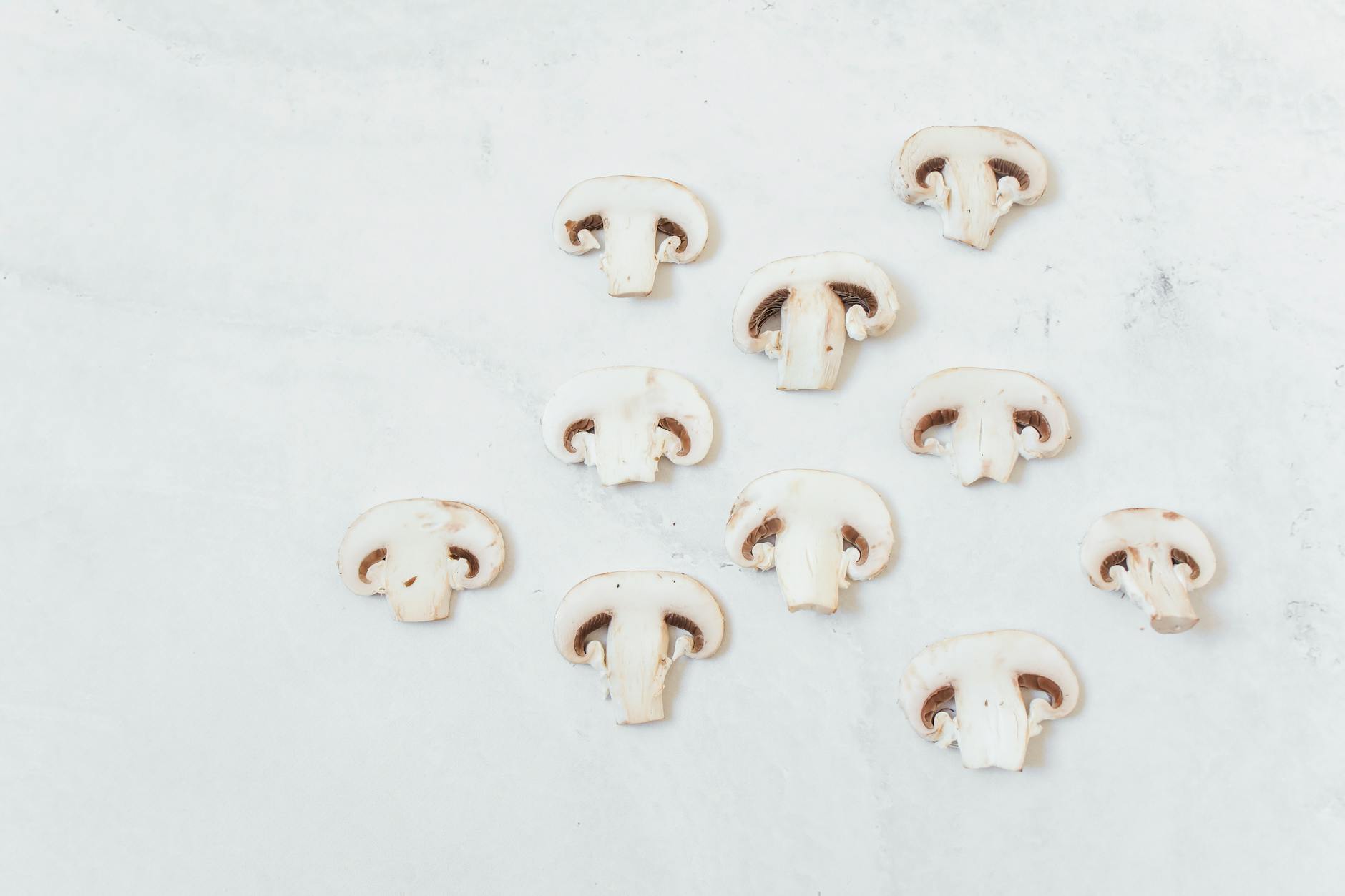
No, it is not safe for cats to eat mushrooms. The vast majority of mushroom species are toxic to cats, and many can cause severe illness or death if ingested. Even small amounts of certain mushroom varieties can trigger serious poisoning in cats because their metabolism processes the toxins differently than larger animals.
A cat that consumes just a few pieces of a death cap mushroom (Amanita phalloides)—one of the most dangerous species—can experience organ failure and death within days. The problem is that cats often encounter mushrooms both indoors and outdoors, and many mushrooms that are safe for humans are dangerous for cats. Store-bought culinary mushrooms like button mushrooms or shiitake are generally considered low-toxicity, but wild mushrooms and decorative houseplant fungi pose extreme risks. Since many toxic mushroom species look similar to edible ones, and cats may investigate fungi out of curiosity or during outdoor exploration, preventing access is far more effective than trying to identify which ones might be safe.
Table of Contents
- What Mushroom Species Are Most Dangerous for Cats?
- How Do Different Mushroom Toxins Affect Cats?
- What Are the Signs of Mushroom Poisoning in Cats?
- What Should You Do If Your Cat Eats a Mushroom?
- How Can You Prevent Mushroom Exposure?
- What Does Veterinary Treatment Involve?
- Understanding Your Cat’s Instincts and Toxin Exposure
- Conclusion
- Frequently Asked Questions
What Mushroom Species Are Most Dangerous for Cats?
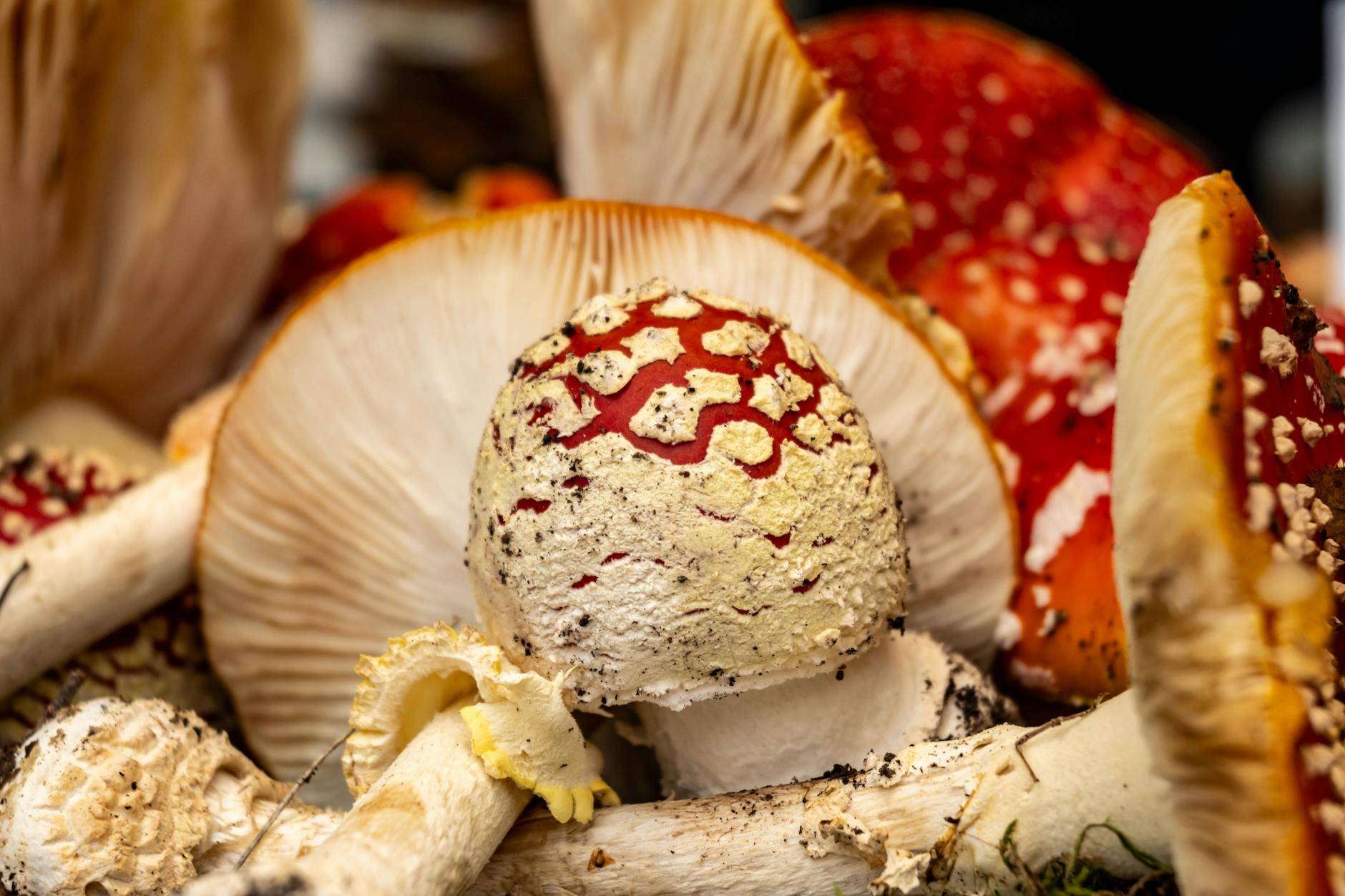
Certain mushroom species are particularly lethal to cats and warrant immediate veterinary attention if ingestion is suspected. The Amanita family of mushrooms includes some of the most toxic varieties: death caps (Amanita phalloides), destroying angels (Amanita species like A. muscaria and A. virosa), and fly agaric (Amanita muscaria). These mushrooms contain amatoxins that damage the liver and kidneys, often causing irreversible organ failure.
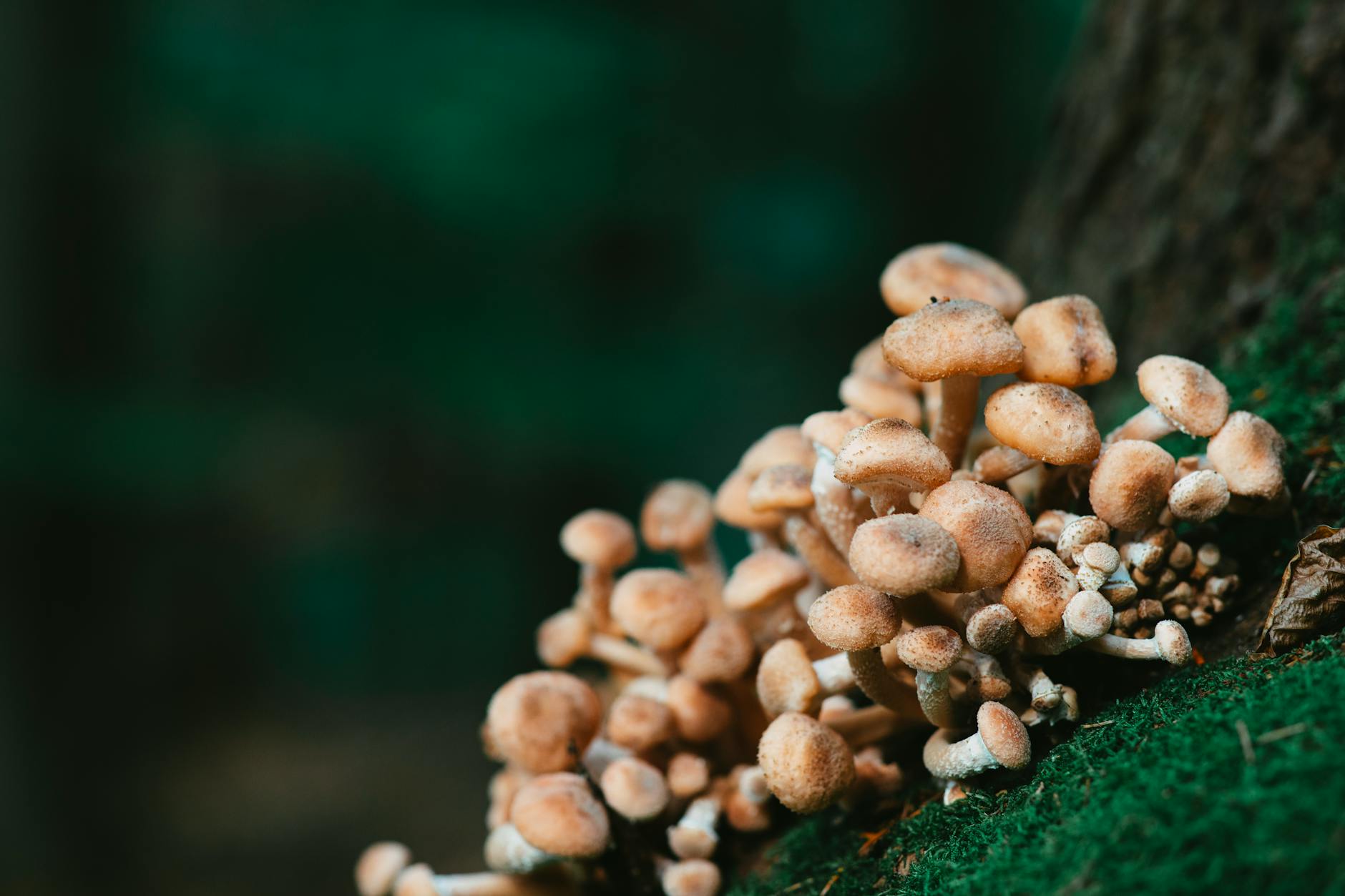
A cat exposed to just one or two pieces of a death cap mushroom may show initial recovery before suddenly deteriorating as liver damage progresses over the next 24 to 72 hours. Other highly toxic mushrooms include the funeral bell (Galerina marginata), webcaps (Cortinarius species), and false morels (Gyromitra species). These fungi contain orellanine or gyromitrin compounds that attack the kidneys and nervous system. Even mushrooms that cause only mild poisoning in humans can cause severe reactions in cats due to their smaller body size and different physiology. The problem is compounded because wild mushrooms vary in potency depending on growing conditions, age, and environmental factors, making any wild mushroom consumption risky.
How Do Different Mushroom Toxins Affect Cats?
Mushroom toxins work through various mechanisms depending on the species, but most damage vital organs or disrupt the nervous system. Amatoxins, found in Amanita species, inhibit RNA polymerase in cells, essentially preventing cells from functioning properly and leading to massive organ failure. Orellanine toxins cause progressive kidney damage that may not become apparent for several weeks after exposure. Isoxazole compounds in fly agaric act as neurotoxins, causing tremors, confusion, and potentially fatal seizures in affected cats.
The challenge with mushroom poisoning is that symptoms often appear in stages, creating a false sense of recovery. A cat poisoned by a death cap may seem normal for 24 hours, then suddenly develop vomiting, diarrhea, and lethargy as the toxins damage organs. By the time obvious symptoms appear, significant organ damage has already occurred, making early treatment critical. Some mushroom toxins, like those in webcaps, cause slow, progressive kidney failure that might not be detected until it’s advanced, and some toxins require weeks to show effects, complicating diagnosis and treatment.
What Are the Signs of Mushroom Poisoning in Cats?
Symptoms of mushroom poisoning in cats vary depending on the toxin type but typically include gastrointestinal distress as an early warning sign. Vomiting, diarrhea, loss of appetite, and excessive drooling often appear within 6 to 24 hours of ingestion. A cat that ate mushrooms might seem lethargic, unsteady on its feet, or unusually anxious. Some cats display neurological symptoms like tremors, disorientation, or unusual behavior—for example, a cat affected by certain mushroom toxins may seem confused or unable to coordinate its movements properly.
As poisoning progresses, more serious symptoms emerge. Abdominal pain, severe dehydration, jaundice (yellowing of the gums and eyes, indicating liver damage), and difficulty breathing can develop. In severe cases, cats may collapse, lose consciousness, or experience seizures. The progression depends on the mushroom type and the amount consumed; a small amount of low-toxicity mushroom might cause only mild vomiting, while the same amount of a highly toxic species could be fatal. This unpredictability means any mushroom ingestion warrants immediate veterinary evaluation.
What Should You Do If Your Cat Eats a Mushroom?
Immediate action is essential if you suspect your cat has eaten a mushroom. Contact a veterinarian or poison control center right away, providing as much information as possible about the mushroom: where it came from, what it looked like, when your cat ate it, and how much was consumed. If possible, take a photo of the mushroom or bring a sample to help with identification. Do not wait for symptoms to appear—some mushroom toxins cause irreversible damage before visible signs develop, so early treatment is critical.
The veterinarian may induce vomiting if the ingestion was very recent, administer activated charcoal to absorb toxins, provide supportive care like intravenous fluids, and monitor organ function through blood tests. Treatment depends on the mushroom type; for example, cats poisoned by death caps may require aggressive supportive care and liver function monitoring for extended periods. Home treatment is not advisable—even attempting to induce vomiting without professional guidance can cause additional harm. The comparison here is stark: a few minutes of professional emergency care can save your cat’s life, whereas delaying treatment or assuming mild symptoms will resolve on their own can be fatal.
How Can You Prevent Mushroom Exposure?
Prevention is the most effective strategy for protecting cats from mushroom poisoning. Indoors, inspect houseplants regularly and remove any visible fungi or mold—even decorative mushrooms placed as table decorations should be kept where cats cannot access them. Some houseplants, like certain types of mushrooms grown on wood chips or in terrariums, can be attractive to curious cats, so consider removing these entirely if you have indoor cats that like to chew or play with plants. Outdoors, supervision is crucial.
During yard time, monitor your cat for any attempts to eat mushrooms, and remove visible mushrooms from areas where your cat plays. Keep mushroom spores and fungi from developing in your yard by improving drainage, reducing shaded areas where fungi thrive, and avoiding over-watering. A major limitation is that mushrooms can appear suddenly after rain, making complete prevention challenging—one day your yard is clear, and the next, a cluster of toxic fungi may have sprouted overnight. This is why consistent vigilance and rapid removal are necessary rather than assuming mushroom-free yards will remain that way.
What Does Veterinary Treatment Involve?
Veterinary treatment for mushroom poisoning combines decontamination, supportive care, and specific interventions based on the mushroom type. For recent ingestion, the vet may induce vomiting or use gastric lavage to remove mushroom material from the stomach. Activated charcoal is administered to bind toxins in the gastrointestinal tract. Blood and urine tests assess organ function, particularly liver and kidney health, which are the primary targets of most mushroom toxins.
A cat poisoned by a death cap, for instance, may require daily blood work for several days to track how liver enzymes are changing. Supportive care often includes intravenous fluid therapy to maintain hydration and support organ function as the body processes toxins. Some cats require hospitalization for several days, while others may be treated on an outpatient basis depending on severity. Specific antidotes are limited—there is no universal antidote for mushroom poisoning—but in some cases, the veterinarian may use therapies like silibinin (a compound derived from milk thistle) for death cap poisoning, which may reduce liver damage if administered early enough.
Understanding Your Cat’s Instincts and Toxin Exposure
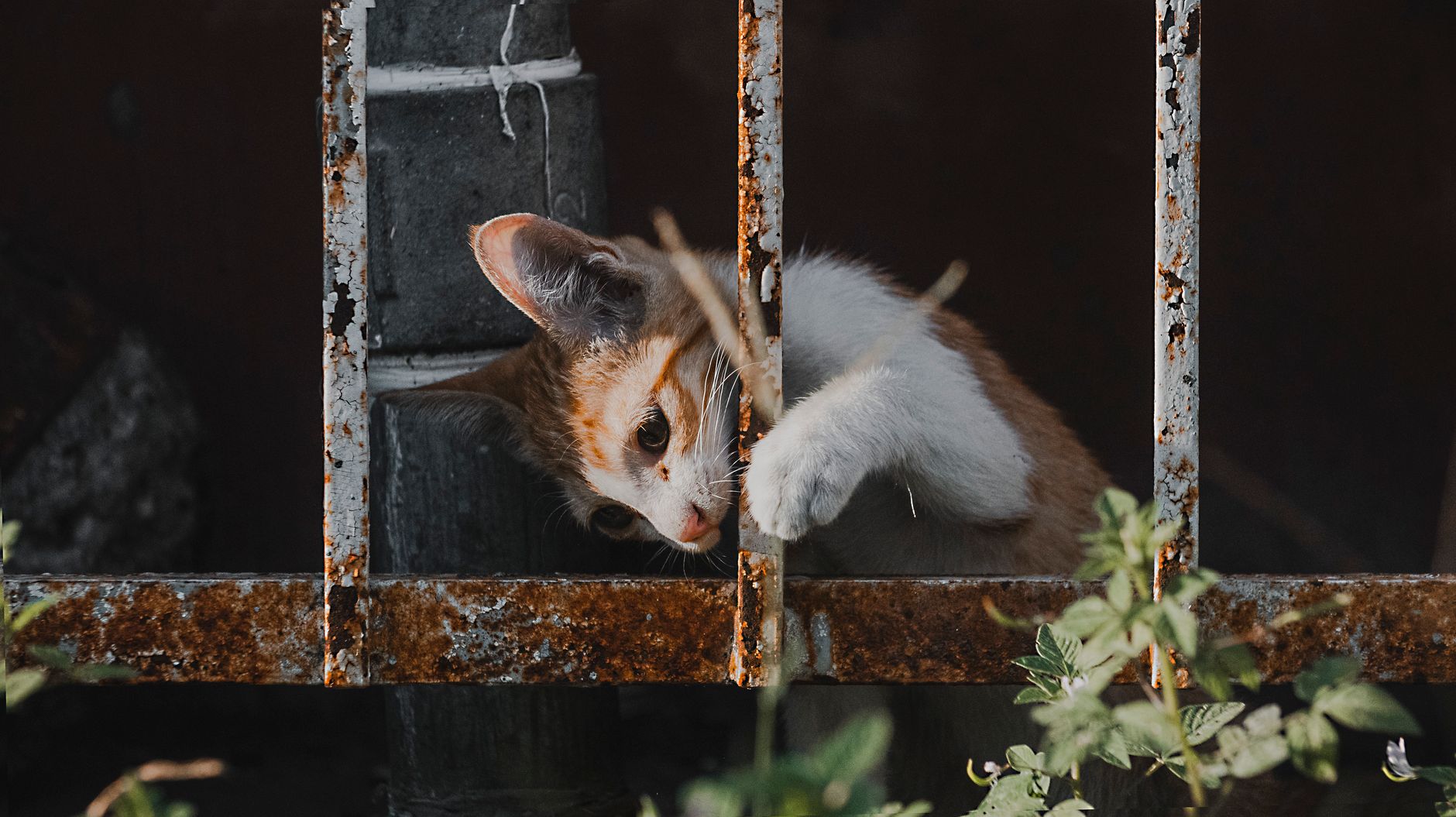
Cats are curious animals, and some cats are more prone to investigating or eating unfamiliar objects than others. While cats are obligate carnivores and typically lack interest in plant material, individual cats vary in their curiosity. Some cats may nibble on mushrooms out of boredom, while others investigate fungi simply because the texture or smell intrigues them.
Young kittens are particularly at risk because they explore the world with their mouths and haven’t yet learned to avoid dangerous items. The future challenge is that climate change and shifting environmental conditions may expand the range and growing seasons of some mushroom species, potentially increasing the likelihood of accidental exposures in areas where certain toxic fungi were previously rare. As a cat owner, your best defense is awareness: know that mushroom exposure is a real risk, understand that most wild mushrooms should be treated as dangerous, and maintain a low threshold for seeking veterinary care if ingestion is suspected.
Conclusion
Mushrooms are not safe for cats, and the risk of serious poisoning or death makes prevention and prompt treatment essential. Most wild mushroom species are toxic, and even some common varieties can cause severe organ damage.
The unpredictable nature of mushroom toxins—with some causing delayed symptoms or progressive damage—means that assuming a small amount is harmless can be a life-threatening mistake. Your cat’s safety depends on preventing access to mushrooms whenever possible and seeking immediate veterinary care if ingestion occurs. By removing mushrooms from your home, monitoring outdoor exploration, and keeping your veterinarian’s emergency contact information readily available, you significantly reduce the risk of mushroom poisoning in your cat.
Frequently Asked Questions
Are store-bought mushrooms like button mushrooms or portobello safe for cats?
Button, portobello, and most culinary mushrooms sold in grocery stores are considered low-toxicity for cats. However, they should not be a regular part of your cat’s diet. Cats are obligate carnivores and don’t need plant foods. If your cat accidentally eats a small amount of cooked store-bought mushroom, it’s unlikely to cause serious harm, but raw mushrooms should be avoided due to digestive upset risks. Always contact your vet if your cat consumes any mushroom to be certain.
How quickly do mushroom poisoning symptoms appear in cats?
Symptoms vary widely depending on the mushroom type. Some cats show signs within 6 to 12 hours of ingestion, while others may appear normal for 24 to 48 hours before symptoms develop. Death cap and other Amanita species often cause a deceptive pattern where cats improve temporarily before organ damage progresses. This unpredictability is why immediate veterinary evaluation is critical—waiting to see if symptoms develop can be dangerous.
Can cats die from eating a single mushroom?
Yes. A single death cap mushroom or a few pieces of highly toxic species can be fatal to a cat. The smaller the cat and the more toxic the mushroom, the greater the risk. A kitten that consumes even a small amount of a deadly species has a very serious prognosis without immediate, aggressive treatment.
What if I don’t know what type of mushroom my cat ate?
Contact your veterinarian or poison control immediately and describe the mushroom as best you can. If possible, bring the mushroom or a photo for identification. Even if you’re unsure, the veterinarian can treat based on your cat’s symptoms and provide supportive care while working to identify the mushroom. Never assume it’s safe because you don’t recognize it.
Are there any mushrooms that are completely safe for cats?
There is no reliable list of mushrooms that are “completely safe” for cats. Even mushrooms safe for humans can cause problems in cats. The safest approach is to prevent all mushroom consumption and treat any ingestion as a potential emergency.
Should I induce vomiting at home if my cat eats a mushroom?
No. Inducing vomiting at home can cause additional harm and may not be appropriate depending on when the mushroom was eaten or what type it is. Always contact your veterinarian first for guidance. Professional vomiting induction, if needed, should be done under veterinary supervision.