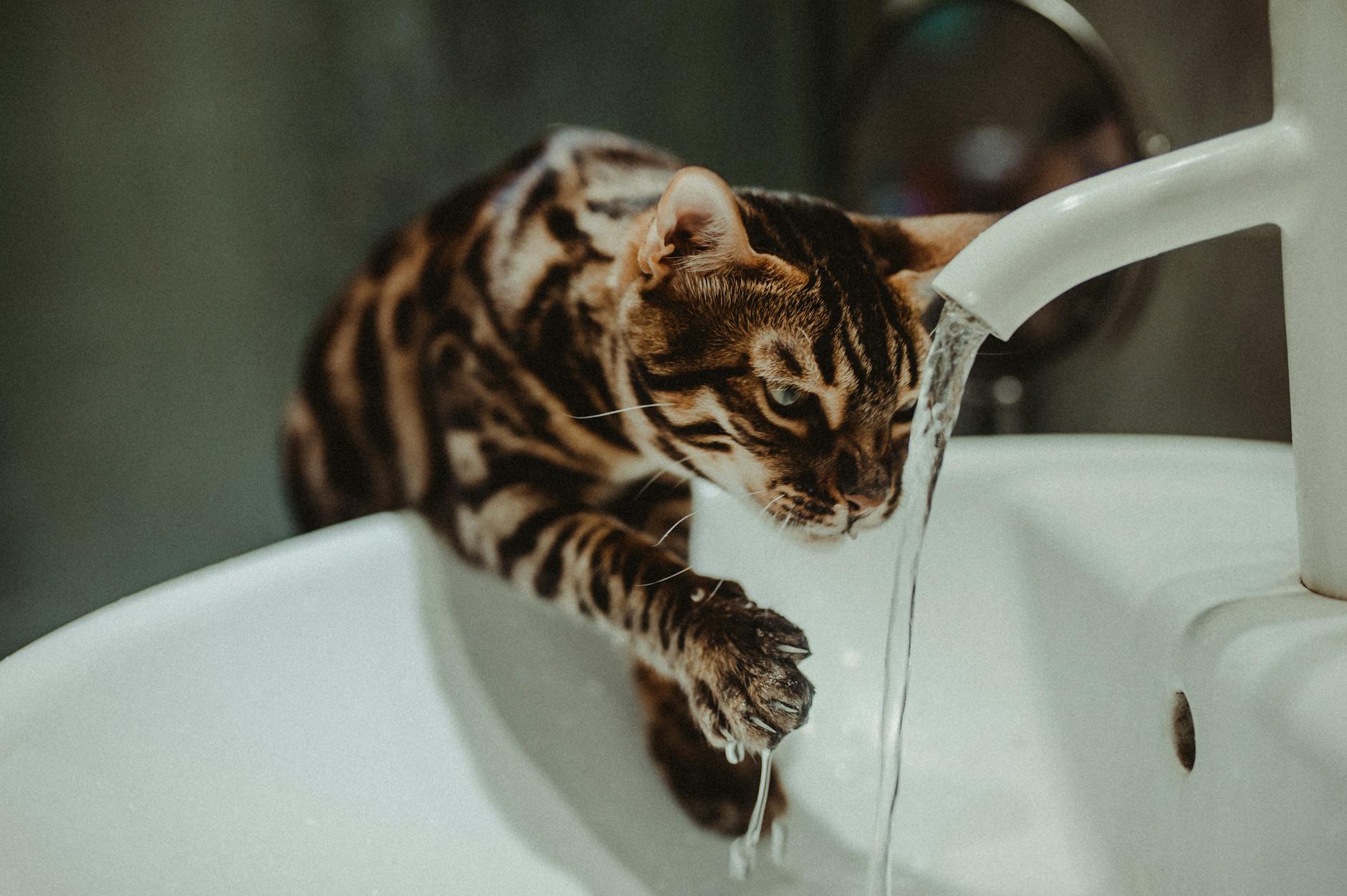
Yes, filtered water is safe for cats to drink and is often a better choice than unfiltered tap water. Filtered water removes many contaminants, sediment, and chlorine that can affect taste and potentially cause digestive upset in sensitive cats. For example, a cat with a history of urinary tract infections or digestive issues may benefit from the improved water quality that filtration provides, since chlorine and certain minerals in tap water can sometimes aggravate these conditions.
Most cats can safely consume filtered water without any adverse effects, and many veterinarians recommend it as part of a comprehensive approach to feline health. The filtration process simply removes unwanted substances that shouldn’t be there in the first place, making the water cleaner and more appealing to most cats. Since cats naturally have a lower thirst drive compared to dogs, providing higher-quality water encourages them to drink more, which supports kidney health and overall hydration.
Table of Contents
- What Does Water Filtration Remove for Your Cat?
- Minerals and pH Balance in Filtered Water for Cats
- Filtered Water and Common Feline Health Conditions
- Filtered Water Versus Other Water Options for Cats
- Potential Issues and When to Reconsider Filtered Water
- Filtered Water and Multi-Cat Households
- Building Better Hydration Habits With Filtered Water
- Conclusion
What Does Water Filtration Remove for Your Cat?
Water filtration systems work by passing water through various materials that trap contaminants while allowing beneficial minerals to pass through, depending on the type of filter used. Common contaminants removed include chlorine, sediment, some bacteria, and certain chemical compounds like pesticides or heavy metals. For a cat living in an area with aging water infrastructure or with known water quality issues, these removals can make a meaningful difference in daily water quality.
The most common home filtration methods include pitcher filters (like Brita), faucet-mounted filters, refrigerator filters, and dedicated water filtration systems. Pitcher filters are affordable and accessible but require regular replacement—typically every two months. A faucet-mounted filter sits directly on your sink and filters water in real-time, making it convenient for refilling your cat’s bowl without creating extra waste. If you choose any filtration method, consistency matters more than perfection; a cat drinking from a basic pitcher filter regularly will stay more hydrated than a cat offered untreated water sporadically.
Minerals and pH Balance in Filtered Water for Cats
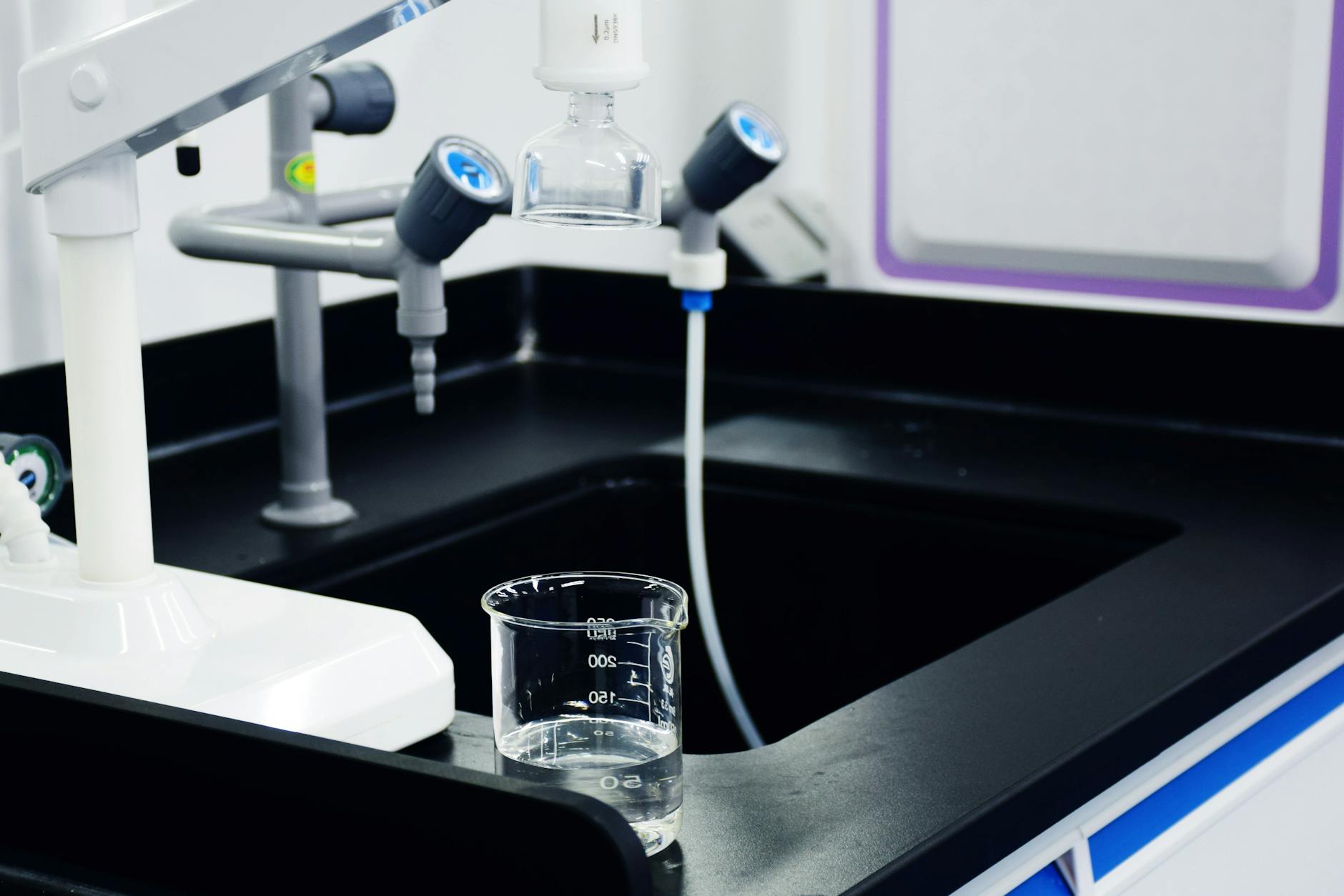
One consideration with filtered water is mineral content, which varies depending on what type of filter you use. Some filters remove most minerals, while others are designed to retain them. Unlike humans, who need minerals like calcium and magnesium, cats obtain these nutrients primarily from food rather than water. However, completely demineralized water isn’t necessary or beneficial for cats, and most home filtration systems retain at least some mineral content.
A potential limitation is that heavily demineralized water can actually taste “flat” to cats, making them less interested in drinking it. This is one reason why some cats prefer tap water over filtered water initially—they’re responding to subtle taste differences. Cats with a history of struvite crystals or certain urinary conditions may benefit from lower mineral content in water, though this should be discussed with your veterinarian. The key is finding a balance that encourages your cat to drink while supporting their specific health needs based on their medical history.
Filtered Water and Common Feline Health Conditions
Cats are naturally prone to urinary tract issues, and hydration plays a critical role in prevention. Adequate water intake helps dilute urine and reduce the concentration of minerals that contribute to crystal formation. A cat that refuses to drink tap water due to chlorine taste may drink significantly more filtered water, which directly supports kidney and urinary tract health. One real-world example is a cat with chronic kidney disease whose owner switched to filtered water and noticed improved appetite and energy levels within weeks—though this improvement likely resulted from increased hydration overall.
For cats with inflammatory bowel disease or sensitive digestion, filtered water eliminates the variable of water quality as a potential irritant. Some cats develop mild digestive upset from chlorinated tap water, presenting as loose stools or reduced appetite. When their water source is switched to filtered, these symptoms sometimes resolve, making it easier to identify whether water quality or food is the actual problem. If your cat has any digestive issues, switching to filtered water costs little and can reveal whether water quality is contributing.
Filtered Water Versus Other Water Options for Cats
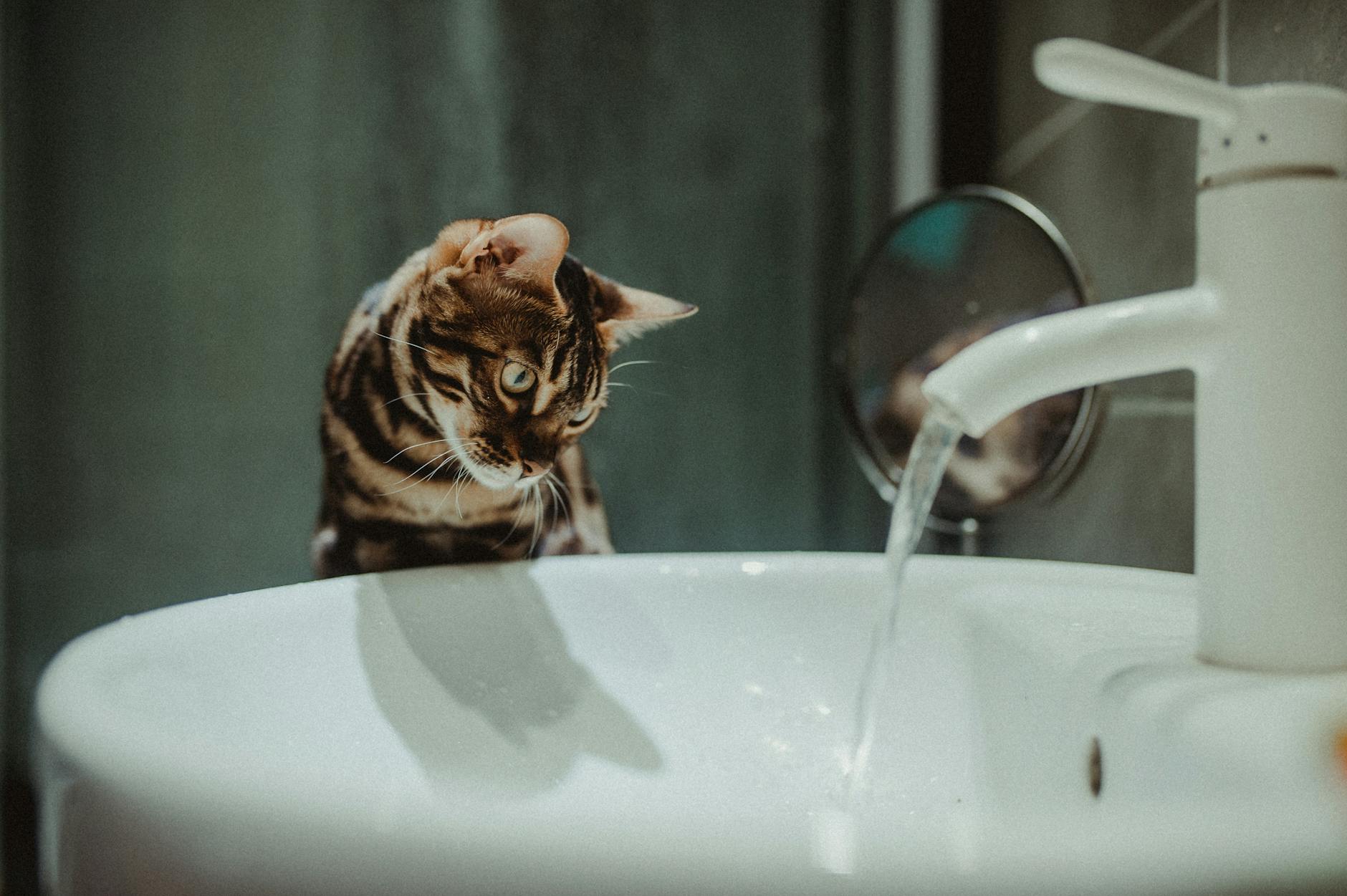
Comparing options helps clarify what makes sense for your cat. Distilled water is over-filtered and removes all minerals, potentially making it unpalatable and unnecessary for cats. Bottled water varies widely in source and treatment, can be expensive and wasteful, and doesn’t offer significant advantages over home-filtered tap water for most cats.
Filtered tap water sits in the middle: it removes known contaminants while retaining some beneficial minerals, costs far less than bottled water, and produces minimal waste compared to single-use bottles. Some owners use rainwater or collected water, but this carries unpredictable contamination risks unless the collection system is specifically designed and maintained for drinking water. For most households, a simple pitcher filter or faucet-mounted filter offers the best tradeoff between safety, cost, and convenience. The investment in a quality filter typically pays for itself within a few months compared to buying bottled water, and your cat gets the benefit of fresher, better-tasting water that encourages drinking.
Potential Issues and When to Reconsider Filtered Water
While filtered water is safe for cats, filter maintenance becomes critical. An old or clogged filter can harbor bacteria and actually worsen water quality rather than improve it. If you use a pitcher filter, replace it exactly as recommended by the manufacturer—typically every two months or when flow noticeably slows. A filter that hasn’t been changed can become a breeding ground for bacteria, making the filtered water worse than untreated tap water.
Check the manufacturer’s guidelines for your specific filter type to avoid this pitfall. Another warning: some cats may initially reject filtered water if it tastes significantly different from what they’re accustomed to. The change happens because filtration removes chlorine and other compounds that tap water contains. If your cat refuses the filtered water, transition gradually by mixing filtered and tap water in increasing proportions over a week or two. Some cats also prefer their water at room temperature rather than cold from the filter pitcher, so experiment with temperature if your cat seems uninterested.
Filtered Water and Multi-Cat Households
In homes with multiple cats, filtered water becomes even more beneficial since you’re ensuring all your cats have access to the highest quality water possible. Bowls should still be cleaned daily regardless of water source, and if you use a pitcher filter, refill it regularly so the water stays fresh. A practical example: a household with three cats found that after switching to filtered water in a dedicated cat water station, all three cats drank noticeably more and their vet noted improved hydration scores at their next checkup.
Building Better Hydration Habits With Filtered Water
Filtered water sets the foundation for good hydration, but other factors influence how much cats drink. Water location, bowl type, and movement all affect consumption.
Cats that drink filtered water may still drink more if you add a cat water fountain, which provides moving, aerated water that many cats find more appealing. Forward-looking, as water quality concerns become more common and pet owners increasingly recognize hydration’s importance to feline health, filtered water is likely to become standard practice rather than optional.
Conclusion
Filtered water is a safe, practical choice for cat hydration that removes contaminants and often makes water more palatable, encouraging cats to drink more. The investment is modest, the maintenance straightforward, and the potential benefits extend to overall kidney health, urinary tract health, and digestive comfort. Whether your cat has specific health concerns or you simply want to provide the best water quality possible, filtered water represents a simple step toward supporting your cat’s long-term wellness.
Starting with filtered water or switching to it takes minimal effort and costs far less than addressing preventable health issues. Replace filters on schedule, transition gradually if your cat seems resistant, and monitor whether your cat drinks more. Most cats thrive with filtered water, and many owners notice subtle improvements in energy levels and coat quality within weeks of making the change.