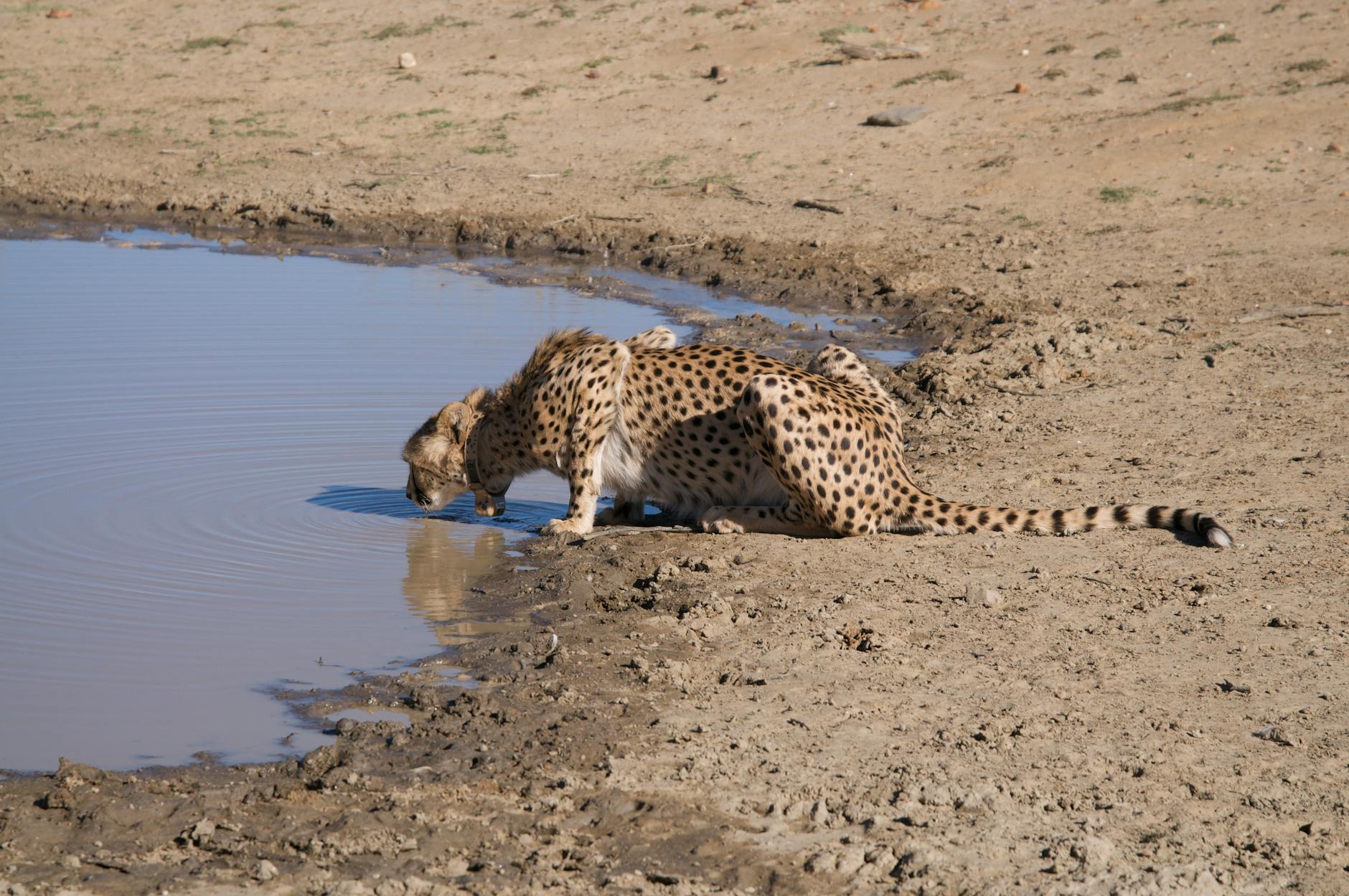
Cats should generally avoid drinking from puddles due to the numerous contaminants that can accumulate in standing water. While a single sip from a puddle may not cause immediate harm, regular or frequent consumption increases the risk of gastrointestinal illness, parasitic infections, and bacterial contamination. Most veterinarians recommend discouraging this behavior and providing fresh, clean drinking water at home instead.
A typical outdoor puddle can harbor bacteria like E. coli and Campylobacter, parasites such as Giardia and Cryptosporidium, and chemical residues from road salt, pesticides, or automotive fluids. Consider a scenario where a cat drinks from a puddle near a sidewalk during winter—the accumulated road salt alone can cause digestive upset, while any leaked antifreeze could cause serious kidney damage or poisoning in small quantities. The risk varies significantly depending on your location, season, and the puddle’s source, but the safest approach is to prevent access to standing water and ensure your cat has constant access to clean, fresh water indoors.
Table of Contents
- What Pathogens and Contaminants Lurk in Puddle Water?
- How Do Bacterial and Parasitic Infections Develop in Cats?
- How Do Urban Versus Rural Puddles Differ in Risk?
- What Prevention Strategies Work Best for Indoor and Outdoor Cats?
- What Symptoms Suggest Your Cat May Have Consumed Contaminated Water?
- How Does Age and Health Status Affect Puddle Water Risk?
- What Does Research Tell Us About Water-Related Illness in Cats?
- Conclusion
- Frequently Asked Questions
What Pathogens and Contaminants Lurk in Puddle Water?
Puddles are essentially collection points for whatever water and debris fall on an area, making them breeding grounds for harmful microorganisms. Bacteria thrive in stagnant water, especially during warm months, while parasites like Giardia can survive in cool water for months. A cat drinking from a puddle in a park might ingest parasites left behind by other animals, while one drinking from a driveway puddle could consume petroleum products or antifreeze residue. Different seasons bring different risks.
Spring and summer puddles tend to have higher bacterial loads due to warm temperatures promoting microbial growth, while winter puddles may contain high concentrations of road salt or chemical de-icers. Urban puddles generally pose higher risks than rural ones due to traffic-related pollution and chemical runoff, though rural puddles can harbor agricultural pesticides or livestock-related parasites. The severity of illness depends on your cat’s immune system, age, and general health. A young, healthy cat might recover from a minor bacterial exposure, while a senior cat or one with underlying health issues could develop severe dehydration or complications from the same contamination.
How Do Bacterial and Parasitic Infections Develop in Cats?
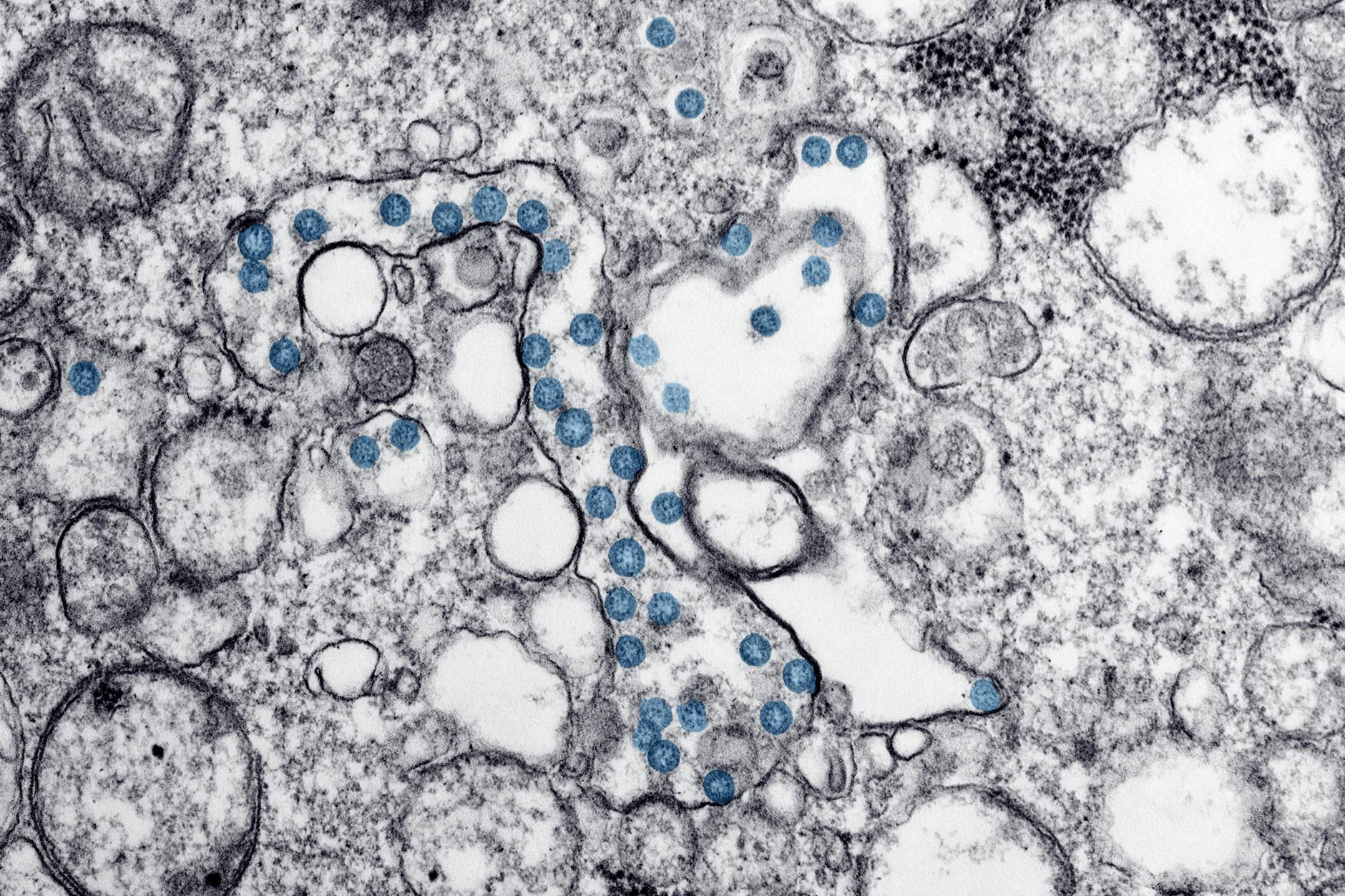
When a cat ingests contaminated water, bacteria and parasites can colonize the gastrointestinal tract, leading to symptoms like diarrhea, vomiting, loss of appetite, and lethargy. The incubation period varies—some cats show signs within 24 to 48 hours, while parasitic infections might take 1 to 2 weeks to manifest. This delayed onset is particularly dangerous because owners may not connect the illness to a puddle exposure that happened days earlier. Giardiasis is one of the most common parasitic infections in cats from contaminated water sources.
Unlike acute bacterial infections that typically resolve within a few days with supportive care, giardiasis can become chronic if not treated properly, causing recurring digestive issues and malabsorption of nutrients. Cryptosporidium is another serious concern, especially in kittens and immunocompromised cats, as it can cause severe, prolonged diarrhea and dehydration. A critical limitation is that some infections are asymptomatic in cats—meaning your cat could be infected and shedding parasites without showing obvious signs, potentially exposing other household pets. This silent transmission makes prevention through water source control far more effective than treating infections after they occur.
How Do Urban Versus Rural Puddles Differ in Risk?
The composition and contamination profile of puddles varies dramatically based on their location. Urban puddles accumulate road salt, tire particles, exhaust residue, and chemical de-icers in winter, plus whatever waste pedestrians or vehicle leaks contribute. A cat licking its paws after walking through an urban puddle might ingest these contaminants indirectly, even without direct drinking from the water. Rural puddles may seem cleaner, but they often contain agricultural chemical runoff including fertilizers and pesticides, as well as parasites and bacteria from wildlife.
A puddle on a farm might be contaminated with E. coli from livestock waste or parasites shed by wild animals passing through. The key difference is that urban contamination is more chemical-based while rural contamination is more biological, but both pose significant health risks. Your cat’s exposure risk depends partly on your living environment. Indoor cats living in apartments have minimal puddle exposure, while outdoor or indoor-outdoor cats in suburban or rural areas face substantially higher risks from regular access to standing water sources.

What Prevention Strategies Work Best for Indoor and Outdoor Cats?
For indoor cats, the simplest prevention is eliminating puddle access entirely. Ensure your cat stays indoors or supervise outdoor time carefully, redirecting them away from standing water. Place multiple water bowls throughout your home to increase convenient drinking options—cats are more likely to drink from accessible sources than seek out puddles if water is readily available. Some cats prefer moving water, so a cat water fountain can be more appealing than a static bowl, reducing the temptation to find alternative water sources.
For indoor-outdoor cats, the challenge is greater since you cannot completely control their outdoor environment. In this case, focus on making clean water at home more appealing through fountains or multiple bowls, and ensure your cat is up-to-date on fecal exams and parasite prevention. Regular veterinary checkups become especially important for cats with outdoor access, as parasite screening can catch infections before they cause serious illness. A practical tradeoff exists between allowing outdoor freedom and minimizing health risks. Some owners compromise by creating a secure outdoor catio or supervised outdoor time in controlled areas away from potential water sources, balancing environmental enrichment with safety.
What Symptoms Suggest Your Cat May Have Consumed Contaminated Water?
If your cat has accessed a puddle, watch for gastrointestinal symptoms developing over the next two weeks. Diarrhea is the most common sign, often accompanied by vomiting, reduced appetite, or lethargy. Some cats may show only subtle symptoms like decreased food intake or hiding more than usual, making early detection difficult. Bloody diarrhea or severe vomiting warrants immediate veterinary attention, as these symptoms suggest more serious infections. A significant limitation in diagnosing puddle-related illness is that symptoms overlap with many other feline conditions.
Diarrhea could result from a bacterial infection, parasite, food sensitivity, or inflammatory bowel disease. This is why your veterinarian may recommend fecal testing and bloodwork to identify the specific cause rather than treating empirically. Delaying testing can prolong symptoms if the initial treatment addresses the wrong problem. If your cat shows any combination of vomiting, diarrhea, loss of appetite, or unusual lethargy following potential puddle exposure, contact your veterinarian. They can determine whether symptoms require laboratory testing or treatment for suspected parasitic or bacterial infections.
How Does Age and Health Status Affect Puddle Water Risk?
Kittens and senior cats face elevated risk from contaminated water compared to healthy adult cats. Kittens have developing immune systems still building resistance to pathogens, while senior cats often have compromised immunity due to age-related changes. A kitten exposed to Cryptosporidium might develop severe diarrhea and dehydration quickly, requiring hospitalization, while an adult cat with the same exposure might develop only mild symptoms.
Cats with chronic conditions like feline leukemia, FIV, diabetes, or kidney disease face substantially higher risk from infections acquired through contaminated water. For these cats, preventing all puddle access becomes a medical priority rather than just a cautionary preference. Similarly, cats taking immunosuppressive medications should have absolutely no access to standing water sources.
What Does Research Tell Us About Water-Related Illness in Cats?
Veterinary studies consistently document waterborne parasite transmission in cats, particularly in multi-cat households or shelters where sanitation is challenging. While most research focuses on deliberate contamination or outbreak situations, the data clearly shows that parasitic and bacterial pathogens survive in stagnant water and readily infect cats through consumption.
Looking forward, the prevalence of parasitic infections in outdoor-access cats appears to be rising in some regions due to climate changes affecting parasite survival and increasing urban runoff contamination. This trend reinforces the importance of prevention through clean water access and parasite control, rather than relying on treatment after infection occurs.
Conclusion
Cats should not drink from puddles due to the significant risk of bacterial infections, parasites, and chemical contamination. While a single exposure may not cause illness, regular puddle drinking substantially increases the likelihood of gastrointestinal disease, especially in kittens, senior cats, or immunocompromised individuals. Prevention through clean water access and supervised outdoor time is far more effective than treating infections after they develop.
The safest approach is to provide multiple fresh water sources at home, consider a cat water fountain if your cat prefers moving water, and supervise outdoor access to prevent puddle consumption. For cats with outdoor access, regular veterinary checkups and fecal screening help catch infections early if exposure occurs. By understanding the real risks and taking preventive measures, you can protect your cat’s health while still allowing appropriate enrichment and outdoor experiences.
Frequently Asked Questions
Can a single drink from a puddle make my cat sick?
A single sip may not cause illness, but it depends on what contaminants are present. Exposure to high concentrations of bacteria or parasites, or contact with toxic substances like antifreeze, could cause problems immediately. The risk is highest if it becomes a repeated behavior.
How long does it take for symptoms to appear after puddle exposure?
Bacterial infections typically cause symptoms within 24 to 48 hours, while parasitic infections may take 1 to 2 weeks to manifest. Some parasitic infections can remain asymptomatic, making prevention more important than waiting for symptoms.
Is my indoor cat at risk if they never go outside?
Indoor cats have minimal puddle exposure risk. However, they can still contract parasites through contaminated food, other pets, or if humans unknowingly bring parasites inside on clothing or shoes.
What’s the best water source to offer my cat instead of puddles?
Fresh, clean water in stainless steel or ceramic bowls is ideal. Many cats prefer moving water from a fountain, which also encourages increased hydration. Place bowls in quiet areas away from litter boxes.
Should I be concerned if my outdoor cat drinks from puddles occasionally?
Occasional exposure carries less risk than frequent drinking, but regular veterinary checks and parasite prevention are recommended for outdoor-access cats. Watch for any gastrointestinal symptoms and maintain updated parasite control.
Do water treatments or boiling remove all puddle contaminants?
Boiling kills most bacteria and parasites, but some parasitic cysts are heat-resistant. Chemical contaminants like antifreeze or road salt require different treatment methods. The safest approach is preventing access to puddles rather than attempting to decontaminate water your cat has already consumed.