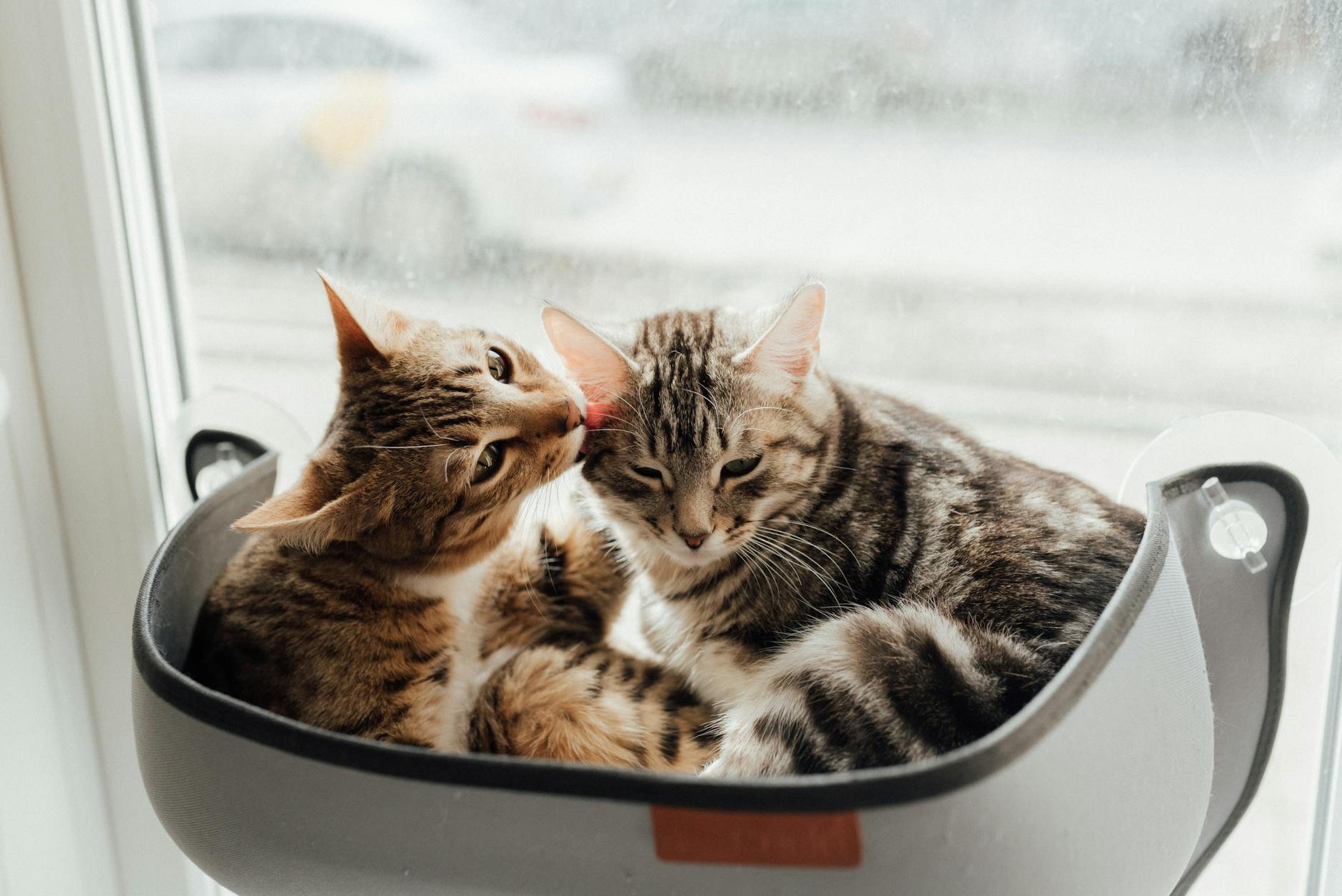
It is generally not safe for cats to lick dishes before washing, though the level of danger depends entirely on what residue remains on those dishes. A plate with dried pasta poses little risk, but one with processed foods, certain seasonings, alcohol, or cleaning-relevant substances can cause serious illness. Most cat owners don’t realize that many everyday kitchen items left on dishes—including garlic, onions, chocolate, xylitol (a sugar substitute), and even some spice blends—are toxic to cats and require only small amounts to cause harm.
The instinct to lick dishes is natural for cats, rooted in their desire to investigate food sources and their preference for hunting-adjacent behaviors. However, your kitchen represents a minefield of potential poisons disguised as opportunities. A cat that gets into the habit of licking dishes before washing is not just being annoying; it’s placing itself at genuine medical risk every single time. Understanding which residues are actually dangerous and why cats are drawn to this behavior is the first step toward protecting your pet.
Table of Contents
- What Residues on Dirty Dishes Pose Real Danger to Cats
- Why Some Cats Become Obsessed with Dish-Licking Despite Risks
- Specific Foods and Scenarios That Demand Extra Caution
- How to Break the Dish-Licking Habit and Protect Your Cat
- Warning Signs Your Cat Has Ingested Something Dangerous from Dishes
- Understanding Why Cats Are Drawn to This Behavior
- Redesigning Your Kitchen to Make It Naturally Safer
- Conclusion
- Frequently Asked Questions
What Residues on Dirty Dishes Pose Real Danger to Cats
Dishes that have held human food often contain ingredients that are harmless to us but potentially lethal to cats. The most dangerous category includes allium compounds—onions, garlic, and leeks—which damage feline red blood cells and can cause hemolytic anemia. A cat doesn’t need to consume a full clove of garlic; even the residue from garlic butter on a plate can contribute to toxicity if the exposure is repeated. Similarly, chocolate contains theobromine, which cats metabolize poorly and accumulate in their systems. Dark chocolate is especially problematic, but even milk chocolate represents a genuine risk.
Another often-overlooked hazard is xylitol, a sugar substitute increasingly common in sugar-free foods, peanut butter, baked goods, and some protein bars. For cats, xylitol triggers rapid insulin release and severe hypoglycemia within hours. A single lick of a dish that held xylitol-containing food can lead to seizures, liver failure, and death. This is why it’s critical to know what’s on your dishes, not just assume that because a food is safe for human taste-testing, it’s safe for your cat to lick. Macadamia nuts, alcohol, caffeine residue from coffee or tea, and certain spices like nutmeg are equally problematic, though mercifully less common on the average dinner plate.
Why Some Cats Become Obsessed with Dish-Licking Despite Risks
Cats that have free access to dirty dishes often develop a learned behavior where they actively seek them out. This habit is reinforced each time they find food residue, turning an instinctive behavior into a reliable reward pattern. Some cats become so fixated on this that they’ll jump onto counters or peek into sinks specifically to hunt for dishes, much like they’d stalk prey in the wild. The sensory stimulation—the taste, smell, and texture variety—makes dish-licking far more interesting than their regular food bowl.
The behavioral risk is real: a cat that’s practiced licking dishes for months has built up tolerance to being near human food and may become harder to redirect. This means if you eventually need to restrict access, your cat will resist more aggressively. Additionally, some cats who regularly lick dishes develop minor digestive upset that owners attribute to normal sensitivity rather than to the actual cause—repeated low-level exposure to foods their system can’t handle well. Some felines also develop dehydration or electrolyte imbalances from consuming too much salt residue on repeated occasions, which goes unnoticed until the cat shows more serious signs of illness.
Specific Foods and Scenarios That Demand Extra Caution
Certain meals are especially risky. A pizza night where plates retain garlic bread crumbs and pizza sauce is a genuine emergency waiting to happen. Similarly, Asian cuisine that uses significant amounts of garlic or onions, BBQ plates with various sauces and spices, and dessert plates with chocolate or artificial sweeteners represent high-risk scenarios for unsupervised cats. A single lick of a plate that held homemade cookies made with xylitol—a substance some owners don’t even realize they used—can land your cat in an emergency vet clinic with a $3,000+ bill.
Raw dough is another specific hazard many people overlook. If you’re baking and leave dough out, and your cat licks it, the yeast can ferment in their stomach, producing gas and alcohol. Additionally, marinara sauce residue, while not inherently toxic, is highly acidic and can upset a cat’s stomach. Lime or lemon juice residue on plates from fish or cocktails can cause mild to moderate gastric upset. Even something as seemingly innocent as a plate from cooking eggs can be problematic if butter or oil residue is substantial, leading to pancreatitis in susceptible cats.
How to Break the Dish-Licking Habit and Protect Your Cat
The most effective prevention strategy is never allowing the habit to form in the first place. Load dishes directly into a closed dishwasher or soak them immediately in a sink your cat cannot access. If your cat has already developed this habit, management is key: use closed cabinets for dish storage, keep the dishwasher door closed, and don’t leave plates on counters or tables where curious cats can reach them. Some owners install baby gates to restrict kitchen access during and immediately after meals, treating the kitchen like a temporary containment zone. Environmental modification works better than punishment.
Cats respond poorly to being yelled at for licking dishes and may simply learn to do it when you’re not watching. Instead, make the behavior impossible or unrewarding. Place aluminum foil on counters—cats dislike the texture—or use motion-activated air sprays as a deterrent. Ensure your cat has engaging alternative activities: puzzle feeders, play sessions before mealtimes, and designated hunting toys that satisfy the same predatory instincts that draw them to food residue. Some owners find that feeding their cat at the same time they eat breakfast or dinner reduces the motivation to investigate human plates, as the cat is occupied with its own meal.
Warning Signs Your Cat Has Ingested Something Dangerous from Dishes
If your cat has licked dishes before you could stop it, watch for vomiting, diarrhea, lethargy, loss of appetite, or pale gums over the next 24 to 72 hours. Poisoning symptoms can be delayed—garlic or onion toxicity might not show up for days, and liver damage from certain substances is often asymptomatic until it’s severe. Excessive drooling, abdominal pain, trembling, or difficulty breathing are urgent signs that require immediate veterinary care, ideally at an emergency clinic that can perform blood work. Some cats develop chronic low-level illness from repeated exposure to mildly toxic substances on dishes.
They might have persistent mild diarrhea, lose weight gradually, or show intermittent vomiting without an obvious cause. These cats are sometimes misdiagnosed with food sensitivities when the real culprit is ongoing exposure to contaminated dishes. If your cat suddenly develops digestive issues and also has access to dirty dishes, that’s a strong signal to restrict access immediately and discuss the possibility with your vet. Don’t assume that because your cat ate something toxic once and survived, it’s safe to let it happen again—cumulative exposure is a real risk.

Understanding Why Cats Are Drawn to This Behavior
From a biological standpoint, cats are scavengers as well as hunters. In the wild, they investigate food sources left by other predators and humans, and they have an instinctive drive to taste and smell unfamiliar foods to assess whether they’re edible. Your dirty dishes trigger that same investigative instinct. Additionally, human food smells far more intense to cats than it does to us—their sense of smell is fourteen times stronger than ours—so a plate with faint residual scent to you is an aromatic feast to your cat.
Some cats also lick dishes as a form of play-hunting or because they’ve learned that dishes are reliably followed by interesting smells and tastes. If a cat has successfully found food on dishes before, that positive reinforcement is incredibly powerful. Even a single successful experience can establish the behavior pattern. This is why preventing access from the very beginning is far easier than breaking the habit later.
Redesigning Your Kitchen to Make It Naturally Safer
Creating a truly cat-proof kitchen requires treating food preparation areas similarly to how you’d baby-proof a space. Keep a swing-gate or pocket door that closes off the kitchen during meal prep and eating. Store dishes in a secure cabinet that your cat cannot open. If you have an older home with open shelving, this might not be practical—in that case, prioritize keeping the dishwasher closed, the sink drained immediately after use, and your counter clear of anything a jumping cat could reach.
As your cat ages or if you move homes, your kitchen dynamics will change. A kitten that jumps on counters at two years old might not have the physical ability or drive to do so at twelve. However, habits formed in youth often persist, and an elderly cat that’s been licking dishes for a decade is at higher risk for cumulative toxin exposure. Regularly reassess your cat’s access to dishes and adjust prevention strategies accordingly. Many owners find that a combination of environmental barriers, regular play, and mental enrichment creates a natural balance where their cat is less motivated to seek out dishes because their other needs are being met.
Conclusion
The safest answer is that cats should not lick dishes before washing, period. While not every instance will result in poisoning, the risk is real and unpredictable—you can’t know exactly what was on that plate, how much residue remains, or whether your individual cat’s metabolism makes it more or less vulnerable to what’s there. Building a kitchen where this behavior cannot happen requires some upfront effort: closed storage, restricted access during meals, and consistent management.
More importantly, teach yourself to see your cat’s interest in dishes not as a cute quirk but as a sign that your cat is seeking stimulation or investigation opportunities that should be redirected elsewhere. Provide engaging toys, regular hunting play, puzzle feeders, and consistent meal routines. If your cat already has a dish-licking habit, work to break it now rather than hoping it stops on its own. Your veterinarian can help you develop a specific prevention and management plan tailored to your household, especially if your cat has already had any concerning exposures.
Frequently Asked Questions
Is it okay if my cat licks just a little bit from a plate?
The amount that causes illness varies by substance and individual cat. A tiny amount of garlic or onion might not show symptoms immediately, but repeated small exposures accumulate. Don’t assume “just a little” is safe. The safest approach is never allowing any licking.
What should I do if my cat ate something toxic from a dish?
Call your veterinarian or poison control immediately. Have ready: what your cat ate, when it happened, and how much exposure occurred. Don’t wait for symptoms; some toxins cause damage before signs appear. Your vet may recommend blood work or observation depending on the substance.
Can I train my cat to stop licking dishes?
You can’t reliably train away this behavior through punishment alone. Prevention—restricting access—is far more effective. Redirect the instinct through play, puzzle feeders, and environmental enrichment rather than trying to teach your cat that dishes are forbidden.
Are homemade cat treats safer than letting my cat lick dishes?
Yes, absolutely. A homemade treat made with cat-safe ingredients gives your cat a reward that actually benefits them and eliminates the risk of accidental poisoning. It satisfies the same investigative instinct without the danger.
My cat has been licking dishes for years without getting sick. Is it actually risky?
Your cat may have been lucky, or the particular foods in your household happen to be less toxic to cats. That doesn’t mean the behavior is safe. Liver damage, anemia, and other cumulative effects can develop silently. The absence of visible illness doesn’t mean no harm is occurring.
Should I be concerned about bacteria on dishes for my cat?
While bacteria contamination is a concern for humans, cats have stronger stomach acid that kills many pathogens humans worry about. Bacterial contamination is a secondary concern compared to toxic food ingredients. However, don’t use this as an excuse to allow the behavior—the ingredient toxicity risk outweighs any minor bacterial resistance cats possess.