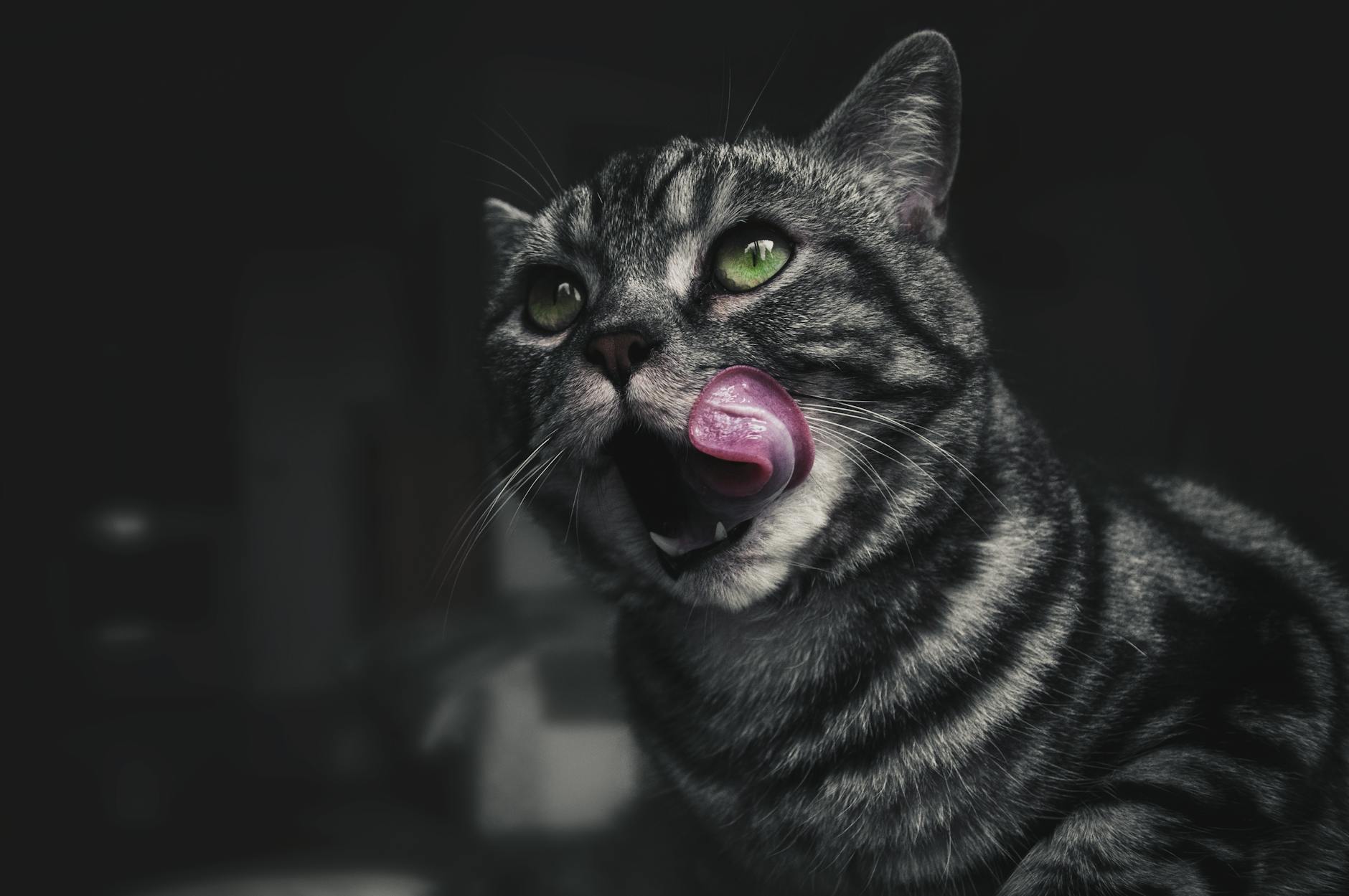
Most cat shampoos on the market are not toxic if ingested in small amounts, but licking shampoo is still not safe for cats and should be actively prevented. While manufacturers formulate cat shampoos to be gentler than human products, they’re designed to be applied topically and rinsed thoroughly—not swallowed. When a cat licks shampoo during a bath, they ingest surfactants, fragrances, and other chemical compounds that can irritate their mouth, throat, and digestive tract, potentially causing vomiting, diarrhea, or more serious complications depending on the product and quantity consumed.
The risk varies based on several factors: the type of shampoo, how much your cat ingests, and your individual cat’s sensitivity. A cat that licks a small amount of diluted lather during rinsing may experience minimal issues, while one that consumes a significant amount of concentrated shampoo could face more serious gastrointestinal upset. Some cats have particularly sensitive stomachs or allergies, making them more vulnerable to adverse reactions.
Table of Contents
- What Happens When Cats Ingest Shampoo Ingredients
- Why Cat-Specific Products Still Pose Risks During Bathing
- Common Symptoms and When to Worry
- Practical Strategies to Prevent Shampoo Ingestion
- Specific Dangers of Certain Shampoo Types
- Behavioral Factors and Repeat Lickers
- Prevention and Preparation for Safe Bathing
- Conclusion
- Frequently Asked Questions
What Happens When Cats Ingest Shampoo Ingredients
Cat shampoos contain surfactants that help lift dirt and oil from the coat, but these same compounds irritate the mucous membranes lining the mouth and digestive tract. When a cat licks soapy water, the surfactants can cause the stomach lining to become inflamed, leading to vomiting or loss of appetite. In addition to surfactants, many shampoos contain fragrances, essential oils, and preservatives—ingredients that smell appealing to humans but can trigger nausea and gastrointestinal distress in cats whose digestive systems are far more sensitive than ours.
The severity of symptoms depends on concentration and quantity. A cat that licks foam off their paw during a bath might show no symptoms at all, while one that swallows several tablespoons of undiluted shampoo could vomit within 30 minutes to a few hours. Some ingredients, particularly essential oils found in natural or “aromatherapy” shampoos, carry specific risks for cats since they lack certain liver enzymes needed to metabolize these compounds safely.

Why Cat-Specific Products Still Pose Risks During Bathing
Even shampoos marketed as “safe for cats” aren’t formulated to be ingested—they’re meant to stay on the coat and be thoroughly rinsed away. The key difference between cat and dog shampoos is the pH balance; cat skin is more acidic (around 6.5 pH), while dog skin is more neutral (around 7.0 pH). This difference matters for coat health, but it doesn’t make cat shampoo safe to swallow. Manufacturers ensure cat shampoos won’t damage the skin at neutral pH, but that’s not the same as verifying safety if the product enters the digestive system.
One important limitation: many cat owners assume prescription or veterinary-grade shampoos are entirely safe to ingest because they’re prescribed by a vet. This misunderstands the purpose—these shampoos treat skin conditions when applied topically and rinsed, not when swallowed. If your cat has a skin infection and you’re using a medicated shampoo, ingestion could actually prevent the medication from working as intended while still causing stomach upset. Always inform your vet immediately if your cat ingests a significant amount of any shampoo, including prescription products.
Common Symptoms and When to Worry
If your cat licks a small amount of shampoo during bathing, watch for mild gastrointestinal signs over the next few hours: slight drooling, lip smacking, or temporary loss of appetite. These symptoms often resolve on their own within 6 to 12 hours without intervention. However, more serious ingestion can trigger persistent vomiting, diarrhea, abdominal pain, or lethargy—signs that warrant a call to your veterinarian. A real-world example: A cat owner bathing their Persian with a flea-control shampoo notices their cat drinking large amounts of bathwater and licking soapy suds repeatedly.
Within two hours, the cat vomits twice and refuses dinner. This scenario, while stressful, typically results in observation and supportive care rather than emergency hospitalization. The vet might recommend withholding food for a few hours, offering small amounts of water, and monitoring for improvement. However, if vomiting persists beyond 24 hours or is accompanied by severe abdominal pain, bloodwork and imaging may become necessary to rule out blockages or other complications.
Practical Strategies to Prevent Shampoo Ingestion
The most effective approach is making bath time safer by controlling your cat’s access to soapy water. Use a washcloth or spray bottle rather than dunking your cat in a tub of diluted shampoo—this keeps the concentration lower and limits licking opportunities. When rinsing, use warm running water from a showerhead or pitcher held at a safe distance so your cat can’t easily lap at the streams. For cats prone to licking during baths, applying shampoo only to the body and avoiding the face and head entirely eliminates the temptation to lick formula off sensitive areas.
Some owners find success using dry shampoo or waterless baths as an alternative to wet bathing, especially for cats who become extremely stressed or repeatedly attempt to lick during washing. Waterless options won’t prevent licking entirely, but they eliminate the soapy water component of the risk. There’s a tradeoff: dry shampoos typically don’t clean as thoroughly as wet baths, but they may be ideal for senior cats, kittens, or those with significant anxiety around water. Another practical option is applying a muzzle very briefly during the final rinse stage—this controversial approach works only if your cat tolerates it without extreme stress, and it must be removed immediately once the shampoo is rinsed away.
Specific Dangers of Certain Shampoo Types
Flea and tick shampoos present higher risk than basic grooming shampoos because they contain insecticidal ingredients designed to kill parasites. While these chemicals are applied in safe concentrations topically, ingestion concentrates the dose in the stomach and intestines. If your cat licks insecticidal shampoo, they could experience neurological symptoms like tremors, excessive drooling, or muscle twitching in addition to gastrointestinal distress. Natural flea shampoos containing tea tree oil, eucalyptus, or citrus extracts carry their own risks since cats cannot metabolize many plant compounds and can develop liver toxicity with ingestion.
Another warning: medicated shampoos for fungal or bacterial skin infections often contain antifungals or antibiotics that should never be swallowed. These medications are designed to work topically, and ingestion can disrupt your cat’s natural gut flora, causing secondary diarrhea and long-term digestive issues. Prescription-strength treatments like those containing sulfur or salicylic acid are particularly problematic if ingested, potentially causing chemical burns to the mouth and throat. Always use the minimum amount necessary, apply only to affected areas if possible, and rinse extremely thoroughly when using any medicated formula.
Behavioral Factors and Repeat Lickers
Some cats are naturally more prone to licking during baths—a combination of grooming instinct, stress response, and curiosity. If your cat repeatedly attempts to lick shampoo no matter your precautions, the behavior itself becomes a safety issue beyond just chemical ingestion. Chronic licking and grooming during baths suggests anxiety, and forcing the cat into repeated stressful bathing situations can worsen behavioral problems and create negative associations with handling.
For these cats, reassessing the frequency and necessity of baths becomes important. Many indoor cats don’t need monthly baths unless they have skin conditions or have gotten visibly dirty. If regular bathing is medically necessary, discussing sedation or professional grooming with your veterinarian may be worthwhile—a trained groomer can bathe your cat more efficiently and with less stress than a home bath, and they’re experienced at preventing shampoo ingestion. This approach trades the cost and logistics of professional grooming for reduced stress on both you and your cat.
Prevention and Preparation for Safe Bathing
Building a systematic bathing routine prevents shampoo-licking incidents before they happen. Before you start, gather everything you need: washcloth, appropriate shampoo, towels, and treats for after the bath—this prevents leaving your cat unattended while you search for supplies. Prepare warm water at a safe temperature (test it on your inner wrist first) and consider using a non-slip mat in the tub to reduce stress and squirming.
Many cats that panic in a slippery tub attempt to climb out, increasing their exposure to shampoo residue. Forward-looking perspective: As pet care evolves, more waterless grooming options and hypoallergenic, minimally toxic shampoo formulations continue to emerge. Some newer products are designed with minimal systemic toxicity in mind, even if ingested, though swallowing shampoo is never recommended. Additionally, grooming services that offer water-free baths using specialized shampoos and conditioning sprays are becoming more accessible, offering an alternative for cats whose owners prioritize chemical safety alongside cleanliness.
Conclusion
The answer to whether it’s safe for cats to lick shampoo is clear: it’s not safe, and you should prevent it through careful bathing practices, product selection, and attention to your cat’s behavior. While most cat shampoos won’t cause severe poisoning from small licks, any intentional or accidental ingestion carries the risk of vomiting, diarrhea, stomach irritation, and in the case of medicated or insecticidal products, potentially serious complications.
The safest approach combines choosing gentle, well-formulated shampoos; using careful application and rinsing techniques; and recognizing when your individual cat needs an alternative to traditional wet bathing. If your cat does ingest a significant amount of shampoo or shows symptoms of gastrointestinal distress lasting more than a few hours, contact your veterinarian immediately—have the shampoo bottle on hand so you can describe the exact ingredients and concentration. Most cases resolve with monitoring and supportive care, but professional guidance ensures nothing serious is missed.
Frequently Asked Questions
Is cat shampoo poisonous if swallowed?
Most cat shampoos are not highly toxic in small amounts, but they are not safe to ingest. They can cause gastrointestinal irritation, vomiting, and diarrhea. Medicated, insecticidal, or shampoos containing essential oils carry higher risk of serious symptoms.
How much shampoo ingestion is dangerous for a cat?
A few licks of diluted lather during rinsing rarely cause problems, but swallowing several tablespoons of concentrated shampoo or any amount of medicated formula warrants veterinary attention. The risk varies based on product type and individual cat sensitivity.
What should I do if my cat licks shampoo during a bath?
Rinse your cat thoroughly immediately to remove remaining shampoo. Watch for vomiting, diarrhea, or lethargy over the next 24 hours. If symptoms persist, contact your vet. For persistent licking, discuss bathing alternatives with your veterinarian.
Can I use human shampoo on my cat if they lick it?
Human shampoo is more dangerous than cat shampoo if ingested because it’s formulated for higher pH levels and contains ingredients not tested for cat safety. Never use human shampoo on cats, and especially prevent them from licking it.
Why do cats lick during baths?
Cats lick during baths due to stress, grooming instinct, or curiosity. They’re trying to clean themselves or cope with anxiety. This behavior is normal but becomes a safety concern if they’re ingesting shampoo.
Are natural or organic cat shampoos safer if licked?
Natural doesn’t mean safe. Shampoos with essential oils, citrus extracts, or tea tree oil can be more dangerous if ingested than conventional formulas because cats lack enzymes to metabolize plant compounds safely.