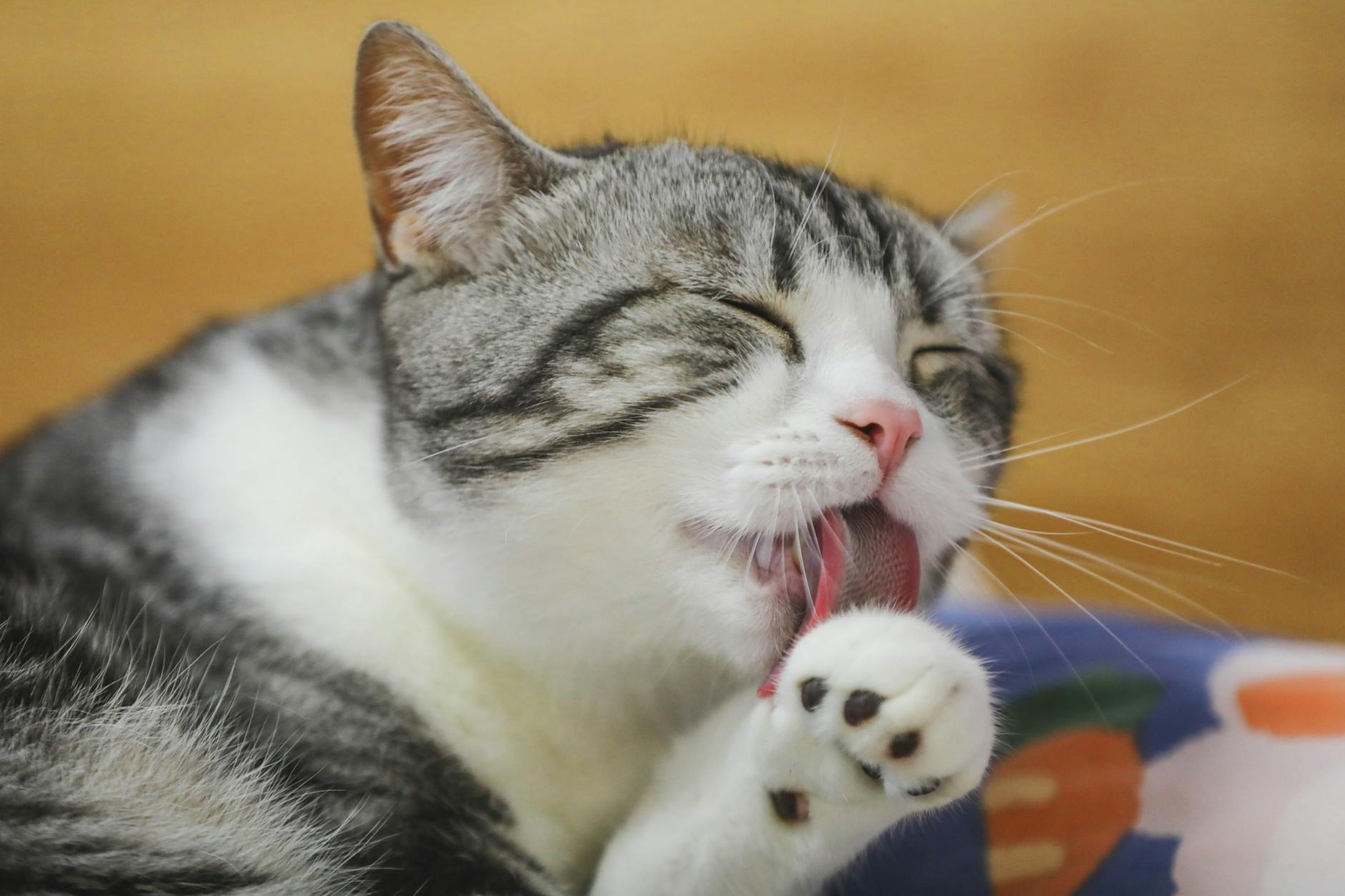
No, it is generally not safe for cats to lick soap residue, though the level of danger depends on the type of soap involved. Most household soaps contain surfactants and chemicals that can irritate your cat’s mouth, throat, and digestive system when ingested, even in small amounts. While a single lick of soap residue is unlikely to cause severe poisoning, repeated exposure or licking larger quantities can lead to gastrointestinal distress, vomiting, and diarrhea.
Cats are particularly vulnerable to soap ingestion because they spend hours grooming their fur and paws daily. If they walk through soapy water, lick a soap-covered toy, or consume residue left on dishes or bathtubs, they can swallow problematic chemicals without you realizing it. The risk increases with specialty soaps—antibacterial formulas, essential oil-based soaps, and concentrated cleaning products pose greater hazards than plain bar soap.
Table of Contents
- What Types of Soap Residue Are Most Dangerous to Cats?
- Understanding Chemical Irritation and Toxicity in Feline Digestive Systems
- How Cats Are Exposed to Soap Residue in Daily Life
- Recognizing Symptoms and When to Seek Veterinary Care
- Potential Complications from Repeated Soap Exposure
- Household Soap Alternatives and Safer Practices
- Long-Term Monitoring and Prevention Moving Forward
- Conclusion
- Frequently Asked Questions
What Types of Soap Residue Are Most Dangerous to Cats?
Not all soaps present equal risks. Bar soaps and liquid hand soaps are generally less toxic than specialized products, though they still irritate cats‘ stomachs. Antibacterial soaps containing triclosan or benzalkonium chloride can disrupt your cat’s digestive flora and cause more severe reactions. Soaps infused with essential oils like tea tree, eucalyptus, or citrus are particularly problematic—these oils are metabolized differently in cats than in humans and can accumulate in their tissues, potentially causing neurological issues with repeated exposure.
Compare this to castile soap or fragrance-free, plant-based options: these are minimally toxic but still not meant for ingestion. The real danger intensifies with laundry detergents, dishwasher pods, and cleaning products marketed with “soap” in their names. These concentrations are far more hazardous than residue from washing your hands. If your cat has licked a cleaning product rather than gentle soap residue, the risk of serious toxicity increases dramatically.
Understanding Chemical Irritation and Toxicity in Feline Digestive Systems
Cats lack certain liver enzymes that humans possess, making them less capable of breaking down and eliminating chemical compounds efficiently. When soap enters a cat’s digestive tract, the surfactants disrupt the protective mucus lining of the stomach and intestines. This creates inflammation and irritation that can range from mild to severe depending on the quantity and soap type.
The problem extends beyond immediate stomach upset. Some soap ingredients accumulate in fatty tissues, and since cats rely on precise metabolic processes, even small buildups can cause issues over time. A limitation of home treatment is that you cannot predict how your individual cat will react—some cats seem to tolerate accidental exposures better than others, depending on their age, weight, and overall health. Kittens and senior cats are at higher risk, as their bodies are less efficient at processing unexpected toxins.
How Cats Are Exposed to Soap Residue in Daily Life
Most residential soap exposure happens during routine grooming. Your cat might walk across a bathroom counter with soap suds, then lick their paws. They might drink from a sink where you’ve just washed dishes, consuming soap film left on the basin. Some cats investigate bathtubs after humans shower or bathe, licking residue from the tub surface.
Pet owners often overlook these scenarios because they assume soap is “just soap” and therefore harmless. A specific example: a cat that jumps onto the bathroom counter after you shower and licks water droplets from the soap dish could ingest a significant amount of concentrated residue. Similarly, cats allowed to roam in kitchens may lick soapy water splashed during dishwashing or nibble on items washed with strong detergent-based soaps. Some cats are more curious than others, and those with oral fixation behaviors—where they lick and chew objects excessively—face heightened risk of accumulating soap exposure over weeks or months.

Recognizing Symptoms and When to Seek Veterinary Care
Early signs of soap ingestion include drooling, lip licking, vomiting, diarrhea, and loss of appetite. Your cat may seem lethargic or uncomfortable, sometimes hunching over as if experiencing abdominal pain. Some cats vomit within a few hours of ingestion, while others develop symptoms more gradually as inflammation builds in their intestines.
The challenge with soap toxicity is that mild cases resolve on their own, but moderate to severe cases require veterinary intervention. If your cat vomited once and then returned to normal eating and behavior, you may not need emergency care—but if vomiting persists beyond a few hours, if you notice blood in vomit or stool, or if your cat refuses food for more than a few hours, contact your veterinarian immediately. The tradeoff is that waiting to see if symptoms resolve risks allowing dehydration or internal damage to progress. A comparison: a cat that licked one soapy paw is very likely fine, but a cat that drank from a sink full of hot, soapy water needs urgent evaluation.
Potential Complications from Repeated Soap Exposure
Repeated, low-level exposure to soap residue can cause chronic digestive issues that owners attribute to other causes. Your cat might develop inflammatory bowel disease-like symptoms, chronic diarrhea, or persistent nausea that seems to have no clear source. This is particularly risky because owners may not connect the symptoms to household soap exposure, instead pursuing expensive and unnecessary diagnostics.
A warning specific to cats with existing health conditions: if your cat has kidney disease, diabetes, or other metabolic issues, their ability to handle chemical exposure is further compromised. Their bodies struggle more to process and eliminate toxins, meaning even trace amounts of soap can trigger problems. Additionally, some cats develop behavioral aversions after a negative experience with soap—they may become fearful of their litter box or food bowl if they accidentally ingested soap residue near those locations, creating secondary behavioral issues that complicate the original problem.

Household Soap Alternatives and Safer Practices
One practical step is replacing harsh soaps with genuinely cat-safe alternatives. Unscented, dye-free castile soap is less irritating than antibacterial formulas. Many cat owners switch to vinegar and water solutions for household cleaning, which pose minimal toxicity risk if cats come into contact with them.
These alternatives won’t prevent all exposure, but they reduce the hazard level significantly. An example: instead of using antibacterial dish soap that your cat might ingest from a rinsed bowl, switching to plain fragrance-free dish soap reduces the chemical load your cat could potentially absorb. Store all soaps, detergents, and cleaning products in secured cabinets away from cat access. This single action eliminates the most significant exposure routes in most households.
Long-Term Monitoring and Prevention Moving Forward
The best approach involves both prevention and awareness. Regularly inspect areas where your cat spends time—bathrooms, kitchens, and laundry spaces—for soap residue. After bathing or grooming your cat with cat-specific shampoo, ensure you rinse completely and dry their fur thoroughly to prevent them from licking soapy water off themselves.
Consider using soap-free, waterless cleaning products in areas your cat frequents. As you maintain your home’s cleanliness moving forward, remember that your cat’s grooming behaviors make them inherently vulnerable to chemical exposure that humans rarely experience. Building awareness of hidden exposure sources and choosing gentler household products protects your cat’s health without requiring major lifestyle changes. Monitoring your cat’s digestive health and noting any changes in their bathroom habits helps you catch problems early before they develop into serious conditions.
Conclusion
While a small amount of soap residue is unlikely to poison your cat, consistent exposure or ingestion of concentrated soap products poses real health risks. The safest approach is prevention through careful storage of soaps and cleaning products, selection of gentler household alternatives, and immediate attention to symptoms like vomiting or diarrhea that might indicate soap ingestion. Understanding that cats process chemicals differently than humans helps you take their vulnerability seriously rather than dismissing soap exposure as harmless.
If you suspect your cat has ingested soap, monitor them closely for the next several hours and contact your veterinarian if symptoms develop or persist. Keep your vet’s emergency number accessible, and don’t hesitate to call for guidance if you’re uncertain whether your cat needs care. Taking these precautions ensures your cat can groom, explore, and live safely without the hidden risks that household soaps and chemical products create.
Frequently Asked Questions
What should I do if my cat just licked soap?
Rinse out their mouth gently with clean water if possible, then monitor them closely for the next 4-6 hours. Watch for vomiting, diarrhea, drooling, or loss of appetite. If no symptoms appear and your cat eats normally, they’re likely fine. Contact your vet if symptoms develop.
Is cat-specific shampoo safe if my cat licks it?
Cat shampoos are formulated to be safe even if ingested in small amounts, unlike human soaps. However, you should still rinse thoroughly to minimize ingestion. Never use human shampoo on your cat.
Can soap residue cause long-term health problems in cats?
Repeated exposure to soap residue can potentially cause chronic digestive issues, but single or occasional exposures rarely create lasting problems. The greater concern is cumulative exposure over weeks or months from contaminated food bowls or frequent counter-licking.
Are certain soap brands safer than others for homes with cats?
Yes—unscented, dye-free, fragrance-free soaps are safer than antibacterial or essential oil-infused varieties. Plant-based castile soaps are gentler than traditional petroleum-based formulas. The safest option is to use minimal soap and store it securely away from your cat.
What’s the difference between soap residue and accidental shampoo ingestion?
Shampoos designed for cats are safer if ingested because they’re pH-balanced for feline skin and formulated with lower toxicity. Human or pet shampoos designed for other animals present higher risk. Soap residue from bathing products depends entirely on what soap was used.
Should I be more concerned about kittens or adult cats with soap exposure?
Kittens are at higher risk because their livers are still developing and less efficient at processing chemicals. Senior cats are also vulnerable due to declining metabolic function. Adult cats in their prime typically tolerate accidental exposures better, though individual variation exists.