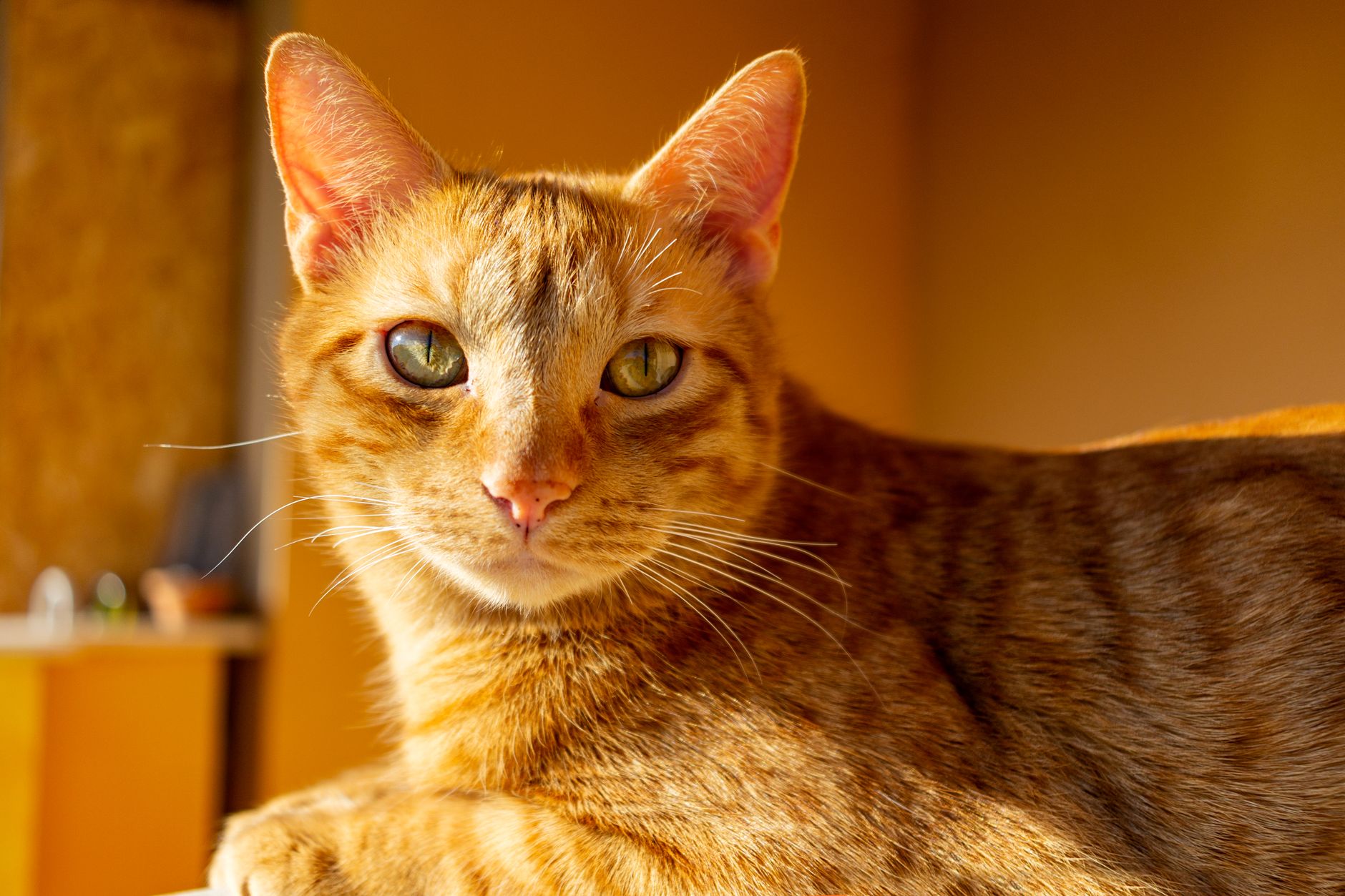
When you encourage a tabby cat to play, you may notice something almost theatrical about its movements. The cat’s body contorts in exaggerated ways, its pounces become slower and more pronounced, and its hunting motions appear amplified—almost as though the cat is performing for an audience. This isn’t imagination on your part. Tabby cats, and many other cats, genuinely do display more exaggerated and pronounced movements during encouraged play than during their routine activities.
This behavior is a blend of natural hunting instinct, social engagement, and individual personality expression. The exaggeration serves multiple purposes. When a cat is focused on engaging with you, it’s often deliberately making its movements more visible and pronounced so you can follow its actions and continue the interaction. A cat pouncing on a toy with full body commitment looks far different from casual movement through your home. The dramatic nature of these movements is sometimes reflective of the cat’s level of arousal and excitement—higher excitement often translates to more theatrical behavior.
Table of Contents
- Why Do Tabby Cats Show Exaggerated Movements During Play?
- The Physical Characteristics of Cartoon-Like Tabby Play
- Play Behavior and Hunting Instinct Development
- Encouraging Exaggerated Play Safely and Effectively
- Overstimulation and the Limits of Play Exaggeration
- Individual Variation in Play Style
- Age and the Expression of Exaggerated Play Behaviors
- Frequently Asked Questions
Why Do Tabby Cats Show Exaggerated Movements During Play?
The exaggerated play movements you see in tabby cats stem largely from their predatory instincts, which remain strong even in domesticated cats. When a cat is hunting, precision matters, and that precision requires the cat’s entire body to be engaged in the movement. During encouraged play, your tabby is essentially practicing hunting techniques, but the behavior becomes more pronounced because the cat is also responding to your participation and encouragement. The presence of a social partner—you—tends to intensify and amplify the cat’s behavioral expression.
Tabby cats specifically may show even more dramatic play styles because of their high prey drive, which is thought to be related to their wild ancestry and coloring patterns. The tabby pattern itself is one of the oldest natural coat patterns in domestic cats, and tabbies often retain strong hunting behaviors compared to some other patterns. This isn’t a hard rule, but it’s a pattern many cat behaviorists have observed. When you’re actively playing with a tabby, you’re essentially triggering and encouraging these natural instincts to be displayed in their most exaggerated form.
The Physical Characteristics of Cartoon-Like Tabby Play
The specific movements that resemble cartoon animation typically include what’s called the “play crouch”—where your tabby lowers its rear end while keeping its front legs relatively straight, creating that distinctive pose before a pounce. Another is the sideways gallop, where the cat moves laterally with an arched back and prancing leg movements that look almost choreographed. Some tabbies also perform what looks like a bouncing hop, where all four paws leave the ground in an exaggerated spring-like motion that has no parallel in normal cat movement. These movements look theatrical partly because they slow down when your cat is in “play mode” versus actual hunting.
When a cat is really hunting, movements are efficient and purposeful. During play with you, the cat often slows down, makes its actions more visible, and repeats movements more times than would be necessary in actual prey capture. However, there’s a practical limitation here: constant exaggeration can tire a cat out quickly. If your tabby is doing these exaggerated movements for extended periods, it may be pushing itself toward overstimulation, which can lead to a sudden shift from playful to aggressive behavior or the cat simply needing a rest.
Play Behavior and Hunting Instinct Development
The connection between play and hunting is direct and observable. Kittens begin practicing hunting movements with their littermates and mother within weeks of birth, and these practice sessions become more sophisticated as they grow. By the time your tabby is an adult, these hunting movements are deeply embedded in the cat’s behavioral repertoire. When you encourage play, you’re engaging with circuits in the cat’s brain that have been reinforced since early development.
The exaggeration appears, in part, because the cat is engaged with a social partner and wants to maintain that engagement. A concrete example is the “bunny kick” movement, where your tabby holds a toy or your arm and rapidly kicks with its hind legs. This movement is a direct translation of how wild cats kill prey—they immobilize it with their front paws and dispatch it with rapid hind leg strikes. When your tabby does this during play, the movement is the same technique, but often performed more openly and with more visible muscle engagement than would occur in an actual kill. Some tabbies will perform this bunny kick movement for ten or fifteen seconds continuously during play, whereas in actual hunting, the behavior would be over in seconds.
Encouraging Exaggerated Play Safely and Effectively
To encourage these dramatic behaviors, use toys that move unpredictably and require your active participation—things like feather wands, string toys, or small balls. When you move these toys in patterns your tabby can easily follow and occasionally catch, the cat tends to increase its movement exaggeration because it feels successful and engaged. The cat is more likely to show off its full range of behaviors when it’s getting rewarded by actual interaction and occasional “catches.” A tradeoff exists between encouraging vigorous play and managing your cat’s energy and frustration levels.
If you’re playing with your tabby and constantly letting the toy escape without allowing the cat to catch it, you may trigger increasing exaggeration and intensity as the cat becomes frustrated. Allowing your tabby to catch the toy occasionally and “win” tends to produce more engaged, exaggerated play that looks theatrical, whereas constant denial of a catch may escalate the behavior into something more aggressive. Most cats play best in 5 to 10-minute sessions with breaks in between, so maintaining that rhythm produces better results than extended play sessions where the exaggeration may become a sign of overstimulation rather than joyful engagement.
Overstimulation and the Limits of Play Exaggeration
One important limitation to understand is that exaggerated play can rapidly transition to overstimulation, especially in tabby cats that have naturally high prey drive. When a cat has been playing intensely with exaggerated movements for too long, the arousal level can exceed the cat’s ability to regulate itself. You might notice the cat’s eyes becoming very dilated, the tail lashing back and forth more forcefully, ears flattening, or the cat suddenly redirecting its pounces toward your hands or feet instead of the toy. This is a clear warning sign that the play session should end.
Certain tabbies are more prone to this escalation than others, but it’s a universal risk with any cat engaged in encouraged play. The exaggeration that looks amusing and entertaining is actually a sign the cat is operating at high arousal levels. Pushing beyond the cat’s tolerance window can result in a bite or scratch directed at you, and it can also create negative associations with playtime if the cat ends up hurting you and then receiving discipline or the play session ending abruptly in a negative way. Recognizing that exaggeration has limits and respecting your individual tabby’s threshold is crucial for maintaining positive play interactions over the long term.
Individual Variation in Play Style
Not all tabby cats display exaggeration to the same degree. Some tabbies are naturally more reserved and show subtle, controlled movements during play, while others are flamboyant performers that throw their full theatrical range into every play session. This variation correlates with individual personality, early socialization, age, and possibly the specific shade or pattern of the cat’s tabby markings, though the genetic link is not definitively understood. A multi-cat household illustrates this variation clearly.
Two tabby cats raised together in the same environment often show markedly different play styles. One may perform dramatic, exaggerated leaps and bounces while the other engages in lower-key, more efficient movements. Both cats are equally healthy and equally enjoying the play; they simply have different behavioral expressions. Understanding that this variation is normal and expected helps you appreciate your own tabby’s unique play personality rather than expecting it to conform to a standard.
Age and the Expression of Exaggerated Play Behaviors
Younger tabbies, especially those under two years of age, tend to show more exaggerated and uninhibited play behaviors than older cats. Kittens and young adult tabbies are still developing their sense of spatial awareness, their muscle control, and their understanding of their own strength. These exaggerated movements are part of how they’re learning their bodies and testing their abilities.
As tabbies age, the exaggeration often becomes more controlled and less frequent, though many adult tabbies maintain theatrical play styles throughout their lives. Senior tabby cats may show a return to more exaggerated play movements when they do engage, partly because they’re engaging less frequently overall and become more intensely focused when they do play. A sixteen-year-old tabby that plays may show dramatic, all-in movements during that brief play window, even though the overall frequency of play has declined significantly from its younger years. The exaggeration isn’t a sign that the senior cat is struggling; rather, it may simply be how that individual cat expresses intense engagement at any life stage.
Frequently Asked Questions
Is exaggerated play a sign that my tabby is happy and healthy?
Exaggerated play is generally a positive indicator that your tabby is engaged and stimulated, but it’s not the only sign of happiness. Cats show contentment in multiple ways, including relaxed body posture, purring, and normal activity levels. Exaggerated play indicates the cat is interested and aroused by the current interaction, which is a good sign, but it’s not the sole measure of your cat’s overall well-being.
Should I be worried if my tabby suddenly stops showing exaggerated play movements?
A sudden decrease in play behavior or the loss of exaggerated movements can indicate illness, pain, depression, or aging. If your tabby has always been a dramatic player and suddenly becomes subdued, scheduling a veterinary check-up is appropriate to rule out underlying health issues.
Can I train my tabby to show more exaggerated play movements?
You can’t train exaggeration itself, but you can encourage play that naturally triggers it by using engaging toys, participating actively, and providing regular play sessions. The exaggeration emerges naturally when the cat is interested and properly aroused; you’re facilitating the conditions rather than teaching the behavior directly.
Is it normal for tabby cats to play more dramatically than other coat patterns?
Tabby cats do have a reputation for high prey drive and active play, and anecdotal evidence from cat owners and behaviorists supports this observation. However, individual personality is the strongest predictor of play style, and you’ll find dramatic players and reserved players in every coat pattern group.
How can I tell the difference between happy play exaggeration and aggressive behavior?
In playful exaggeration, the cat’s ears remain relatively upright, the pupils may be dilated but the face looks engaged, and the pounces are directed at the toy and not at you repeatedly. In aggressive escalation, you’ll see flattened ears, full-body tension, rapid tail lashing, and increasingly frequent redirects toward your hands or feet. The shift is usually gradual enough that you can end the session before real aggression occurs.
My tabby seems to want to play exaggerated games all the time. Is this a problem?
Constant desire for intense play can indicate that your tabby isn’t getting enough environmental enrichment, adequate prey-drive fulfillment through other activities, or sufficient rest time. It can also be a sign of excess energy or insufficient daytime activity. Increasing play frequency, adding environmental complexity, and ensuring your cat has quiet rest periods can help balance the behavior.