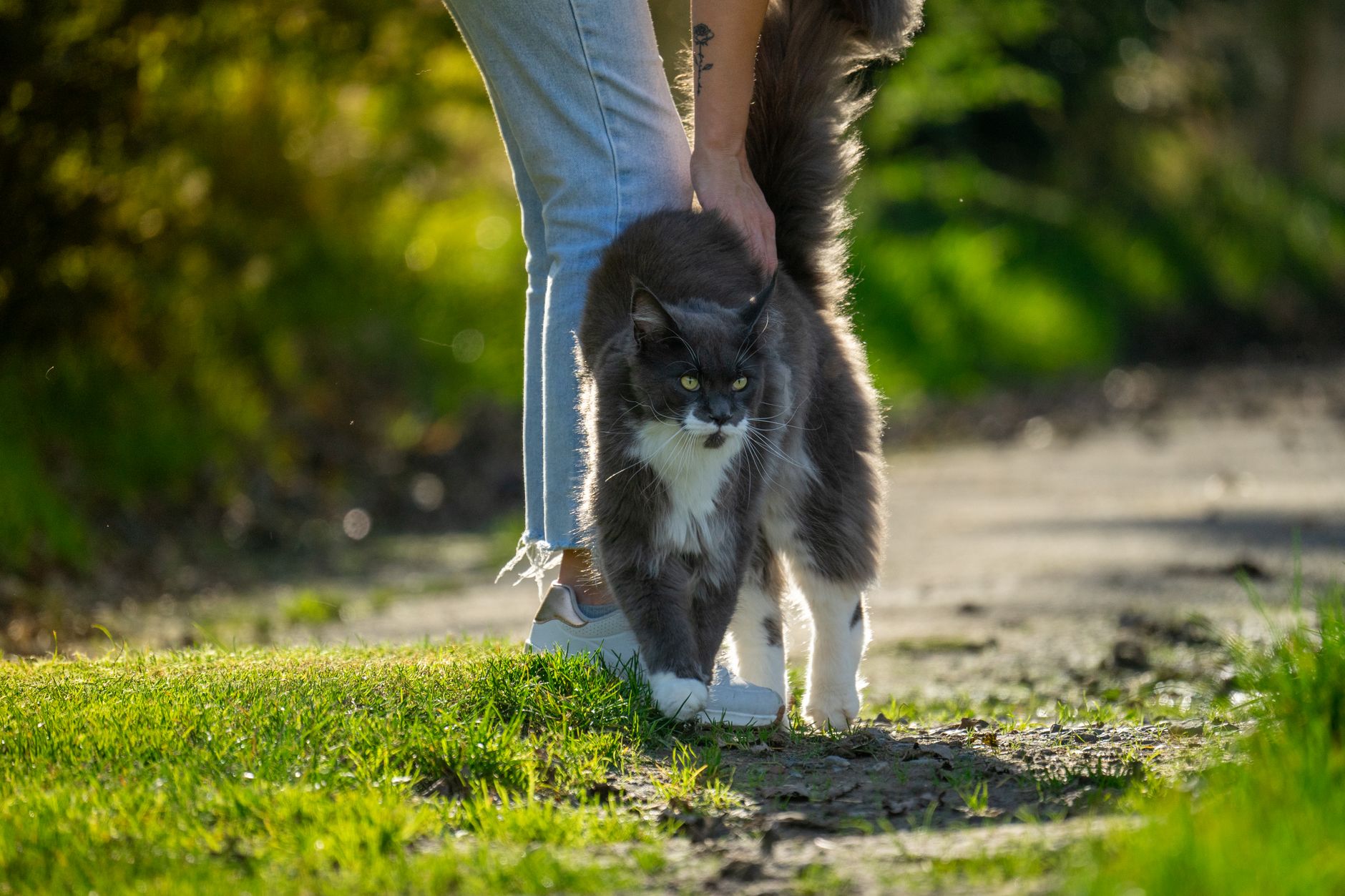
A viral Maine Coon kitten with striking turquoise eye color recently captured widespread attention across social media, sparking renewed interest in the genetic factors that produce unusual eye colors in this beloved breed. The intensity of the kitten’s eye color—a rare blue-green hue—represents one of the more striking phenotypic variations among Maine Coons, though such vivid turquoise coloring is uncommon even within the breed. The appeal of the kitten lies not just in its unusual appearance, but in the broader conversation it has generated about genetics, breed standards, and what traits responsible breeders should prioritize when selecting breeding stock.
Maine Coons are known for their large size, tufted ears, and bushy tails, but their eye color can vary significantly across the breed. Most commonly, Maine Coons display amber, copper, green, or gold eyes. The appearance of turquoise or distinctly blue-tinted eyes is far less frequent and typically results from specific genetic combinations that affect melanin distribution in the iris. When such kittens gain social media traction, it’s often because the eye color is genuinely striking—bright, clear, and substantially different from what the average cat owner encounters.
Table of Contents
- What Makes Maine Coon Eyes Turn Turquoise?
- Genetics of Blue and Turquoise Eye Coloration in Cats
- Why Unusual Maine Coon Traits Go Viral
- Health Considerations and Eye Color Diversity
- Breeding Considerations and Ethical Concerns
- Maine Coon Eye Color Variations Across the Breed
- Distinguishing Natural Coloring from Editing and Enhancement
- Frequently Asked Questions
What Makes Maine Coon Eyes Turn Turquoise?
Turquoise eye color in cats results from a combination of genetic factors that influence melanin production and deposition in the iris. Unlike human eyes, where blue color comes from Rayleigh scattering of light (the same phenomenon that makes the sky appear blue), cat eye color is determined by the amount and type of pigment present. When a cat has low melanin levels combined with specific genetic variations, the eye can appear blue, blue-green, or turquoise depending on how light reflects off the cellular structures beneath the iris’s surface.
maine Coons carrying certain recessive traits or specific color genes may produce offspring with striking blue or turquoise eyes. However, this isn’t guaranteed even when both parents carry the relevant genes. The expression of eye color can also change as a kitten matures—many Maine Coons are born with blue eyes that darken over the first weeks and months of life. A kitten that retains vivid turquoise coloring into adulthood, as the viral kitten apparently did, has experienced a somewhat rarer developmental path than the typical Maine Coon.
Genetics of Blue and Turquoise Eye Coloration in Cats
The genetics underlying eye color in cats is complex and not fully understood even by feline geneticists. What is known is that multiple genes influence melanin production, and the interplay between these genes can produce unexpected results. One gene associated with blue-eyed cats is the dominant white (W) gene, which suppresses melanin throughout the body and often results in white fur and blue eyes.
However, turquoise-eyed Maine Coons are typically not white, which suggests different genetic mechanisms at play. A significant limitation in discussing feline eye color genetics is that no single gene has been conclusively identified as “the turquoise gene.” Breeders and geneticists still debate which combinations of existing genes might produce these striking colors, and there’s no genetic test currently available that can predict turquoise eye color in offspring with certainty. This uncertainty means that even experienced Maine Coon breeders cannot reliably reproduce the trait, which helps explain why turquoise-eyed Maine Coons remain rare enough to go viral when they appear online. Breeding specifically for unusual eye colors without understanding the underlying genetics can inadvertently select for health problems, making this an area where responsible breeders exercise caution.
Why Unusual Maine Coon Traits Go Viral
The internet’s fascination with unusual animal traits is well-documented, and a Maine Coon kitten with mesmerizing turquoise eyes fits the profile of content that captures attention on social media platforms. The combination of an already-beloved breed (Maine Coons are among the most popular large cat breeds) with a genuinely rare phenotype creates a compelling narrative. Compared to more common eye colors seen in Maine Coons—the typical copper or amber hues—turquoise represents a novelty that many cat lovers have never witnessed in person.
Viral pet trends often create secondary effects in breeding communities, sometimes with unintended consequences. When a particular trait gains attention online, there can be increased demand for kittens with that trait, which may incentivize breeders to prioritize appearance over health and temperament. The Maine Coon breed has already faced some challenges related to over-selection for size, including increased rates of hypertrophic cardiomyopathy (a heart condition). Adding pressure to produce unusual eye colors without solid genetic knowledge could compound these issues if breeders become less selective about other important health markers.
Health Considerations and Eye Color Diversity
Unusual eye colors in cats are not inherently linked to health problems, but certain genetic pathways that produce striking colors can be associated with deafness or other developmental issues. The dominant white gene, for instance, frequently results in deafness in blue-eyed or odd-eyed white cats. However, turquoise-eyed Maine Coons that are not predominantly white appear to have lower rates of associated hearing loss, suggesting different genetic mechanisms.
When evaluating a Maine Coon kitten with unusual eye coloring, responsible owners should request hearing tests and comprehensive health screening from the breeder. Contrast this with purchasing a kitten purely for its striking appearance without investigating the parents’ health history or genetic background. A breeder who can articulate the genetic basis for the eye color and who performs appropriate health testing on breeding stock is substantially more trustworthy than one who cannot explain why their kittens have turquoise eyes and who doesn’t screen for common Maine Coon health conditions like heart disease and hip dysplasia.
Breeding Considerations and Ethical Concerns
Responsible Maine Coon breeding prioritizes health, temperament, and conformity to breed standards over novelty traits. Eye color is not a primary consideration in most major breed standards, and many breeders deliberately avoid selecting specifically for unusual eye colors because doing so without genetic knowledge risks compromising other important traits. The Maine Coon Club and similar breed organizations do not recognize “turquoise eyes” as a desirable standard, and no accepted breeding guideline exists for producing them.
A warning for prospective buyers: a breeder who emphasizes unusual eye color as a selling point and charges premium prices based on this trait alone may be engaging in irresponsible breeding practices. The viral attention surrounding striking eye colors has created a market opportunity that some breeders exploit by selecting breeding stock based primarily on appearance rather than health. Always prioritize genetic testing results, health guarantees, and the breeder’s track record with the breed over the novelty of unusual coloring.
Maine Coon Eye Color Variations Across the Breed
Maine Coons display a spectrum of natural eye colors, and this diversity is part of what makes the breed visually interesting. Copper and gold eyes are extremely common, while green and amber eyes are also frequently seen. Odd-eyed Maine Coons—those with two different colored eyes—do occur and are recognized in some breed standards, though they are relatively uncommon. The range of “normal” eye coloring in the breed is already quite wide, which makes truly unusual colors like turquoise stand out even more dramatically.
Different eye colors in Maine Coons don’t correlate with personality or behavioral differences in any proven way. A Maine Coon with turquoise eyes will have the same temperament and care requirements as one with copper eyes. The visual appeal of unusual coloring is purely aesthetic, which is an important distinction for buyers to make. Purchasing a kitten because of eye color rather than because the kitten comes from healthy, well-socialized parents with good behavioral temperaments is prioritizing appearance over the factors that actually determine the cat’s quality of life and compatibility with its household.
Distinguishing Natural Coloring from Editing and Enhancement
In the age of social media virality, it’s important to acknowledge that photograph editing and filters can dramatically alter how eye colors appear. A Maine Coon kitten with naturally vivid turquoise eyes might appear even more striking in a professionally edited photograph, while a kitten with more ordinary blue eyes might be edited to look turquoise. Without seeing the kitten in person and under consistent lighting conditions, it’s difficult to verify the true eye color of any viral pet photo.
This distinction matters because it affects how breeders and buyers respond to viral trends. If a widely-circulated image of a turquoise-eyed Maine Coon kitten has been significantly edited, breeders responding to perceived demand might spend years trying to reproduce an eye color that doesn’t actually exist naturally in the breed. The responsible approach is to appreciate the kitten’s natural beauty while maintaining realistic expectations about what traits are reliably reproducible through selective breeding and which traits are statistical flukes or the result of creative photography.
Frequently Asked Questions
Are turquoise eyes common in Maine Coons?
No. While Maine Coons display various eye colors including copper, gold, green, and amber, turquoise eyes are rare and not part of the established breed standard. Most Maine Coons develop darker, warmer-toned eye colors as they mature from kittenhood.
Can I breed for turquoise eyes in Maine Coons?
There is no established genetic pathway for reliably producing turquoise eyes in Maine Coons. Attempting to selectively breed for this trait without understood genetics could inadvertently compromise health. Responsible breeders focus on breed standards and health testing rather than novelty traits.
Does turquoise eye color indicate health problems?
Unusual eye colors in Maine Coons are not inherently linked to health issues, but certain genetic pathways that might produce striking colors could carry associated risks. Any Maine Coon with unusual physical traits should have comprehensive health screening including cardiac evaluation and hearing tests.
Why did this Maine Coon kitten go viral?
The combination of an already-popular breed with a genuinely rare and visually striking phenotype created shareable content. The kitten’s appearance was notably different from what most people encounter, making it compelling for social media platforms.
Should I buy a Maine Coon based on eye color?
No. Eye color is a minor aesthetic trait that should not drive a purchasing decision. Prioritize the kitten’s parents’ health testing results, genetic history, breeder reputation, and the kitten’s temperament and socialization instead.
How do I verify a Maine Coon’s true eye color in photos?
Lighting conditions, camera settings, and photo editing can dramatically alter how eye colors appear in images. Request videos or multiple photos taken under different lighting, or visit the kitten in person to see its true natural coloring before making a decision.