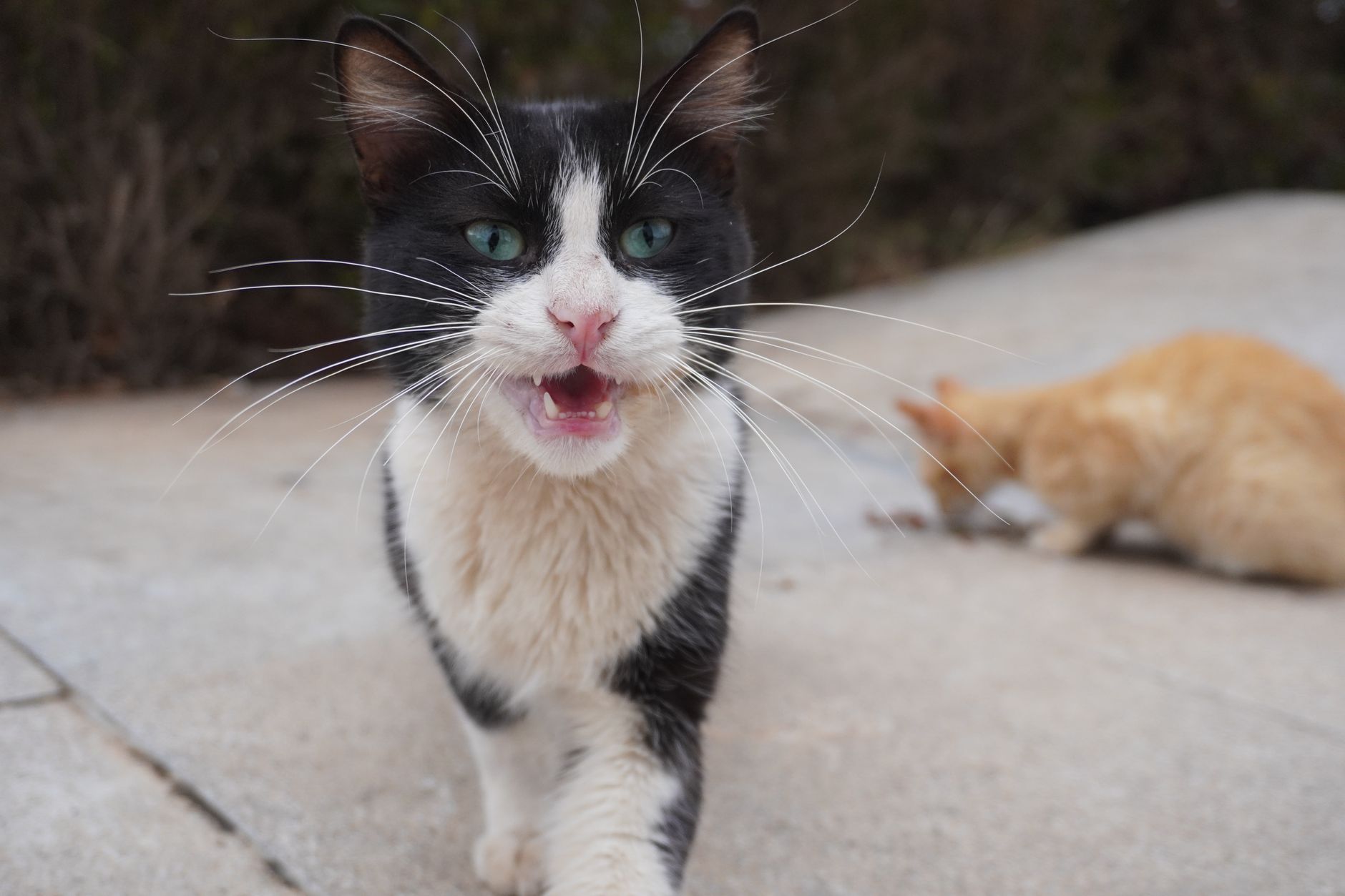
A confirmed rabies case among wild felines in Suffolk County has raised awareness about the persistence of this fatal virus in wildlife populations and the potential risks it poses to domestic cats in the region. While rabies remains rare in most parts of North America, its presence in wild feline populations serves as a critical reminder that the disease continues to circulate in nature and can be transmitted to pets through direct contact. This documentation is significant because it underscores that rabies prevention—through vaccination and wildlife avoidance—remains an essential part of responsible cat ownership, even in areas where the disease may seem distant or unlikely.
The discovery highlights how wild animals, including raccoons, foxes, and other wildlife alongside feline populations, serve as reservoirs for rabies virus. Domestic cats, particularly those with outdoor access or exposure to wildlife, face real risk of infection if they encounter an infected animal. Suffolk County residents with cats should understand what this finding means for their pets and their community, and what steps they can take to reduce exposure risk.
Table of Contents
- How Does Rabies Spread Through Wild Feline Populations?
- Why Wild Feline Rabies Cases Matter for Domestic Cat Safety
- Symptoms of Rabies in Cats and Recognition
- Vaccination and Prevention Strategies for Cat Owners
- Post-Exposure Protocol and Emergency Response
- Wildlife Management and Community-Level Prevention
- Outdoor Cat Management and Risk Stratification
- Frequently Asked Questions
How Does Rabies Spread Through Wild Feline Populations?
Rabies spreads primarily through the saliva of infected animals, typically via bites, scratches, or mucous membrane contact. Wild cats can contract rabies when fighting with other infected animals—raccoons, foxes, skunks, or other felines competing for territory or food. Once infected, a wild cat may exhibit behavioral changes such as increased aggression, disorientation, excessive drooling, or unusual boldness around humans, which increases the likelihood of contact with other animals or people. The incubation period in cats can range from weeks to months, meaning an infected wild cat may transmit the virus to multiple other animals before showing symptoms and dying.
The virus travels along nerve fibers to the brain and spinal cord, causing fatal encephalitis in nearly 100 percent of cases once clinical signs appear. In wild populations, this means infected animals eventually succumb to the disease, but not before potentially spreading it through interactions with domestic pets. An outdoor or indoor-outdoor cat that encounters a wild feline—whether through direct conflict or even casual contact—faces transmission risk. Urban and suburban areas of Suffolk County, where wild and domestic animal populations overlap, create scenarios for this spillover effect.
Why Wild Feline Rabies Cases Matter for Domestic Cat Safety
This case is particularly concerning because domestic cats are often more susceptible to rabies than some other domestic species, and they are capable of transmitting the virus to humans through bites or scratches. A vaccinated domestic cat provides a barrier against infection and a legal requirement in most jurisdictions; an unvaccinated cat exposed to rabies represents a public health emergency that may require quarantine or euthanasia to prevent further spread. The limitation here is that even vaccinated cats are not guaranteed 100 percent protection if exposed to extremely high viral loads, though vaccination dramatically reduces risk and improves survival outcomes if post-exposure prophylaxis is administered quickly.
Domestic cats with outdoor access in areas where wildlife rabies has been documented face elevated risk compared to strictly indoor cats. An indoor cat cannot encounter infected wildlife unless that wildlife enters the home, which is rare but possible with certain animals. However, indoor-outdoor cats and cats permitted to roam freely in yards or neighborhoods are significantly more vulnerable. Many cat owners underestimate this risk because cats are smaller than dogs and may be perceived as less likely to engage with dangerous wildlife, but cats’ curiosity and hunting instincts can lead them directly into contact with infected raccoons, foxes, or other felines.
Symptoms of Rabies in Cats and Recognition
Rabies in cats manifests as either “furious” or “paralytic” forms. In the furious form, an infected cat may become unusually aggressive, hypersensitive to light and sound, and prone to biting or attacking other animals or people without provocation. The cat may appear disoriented, hide in unusual places, or show excessive vocalization. In the paralytic form, a cat becomes progressively weak and paralyzed, often starting in the hind limbs and ascending toward the head. Drooling, difficulty swallowing, and jaw dropping are common in both forms.
A cat displaying any combination of these symptoms—particularly if there has been potential wildlife exposure—should be treated as an emergency, and contact with the animal should be minimized. The challenge with recognizing rabies in cats is that some symptoms can mimic other serious conditions such as feline leukemia, feline immunodeficiency virus complications, or neurological injuries. This is why any cat showing sudden behavioral changes, unexplained aggression, or progressive neurological decline should be evaluated by a veterinarian immediately. A bite or scratch from a potentially rabid animal is the clearest indicator for concern, but not all exposures are obvious or witnessed. Outdoor cats may have encounters their owners never know about until symptoms appear, at which point the disease is nearly always fatal.
Vaccination and Prevention Strategies for Cat Owners
Rabies vaccination is the single most effective preventive measure and is legally mandated for cats in most U.S. jurisdictions, including New York and Massachusetts (the states containing Suffolk Counties). Kittens typically receive their first rabies vaccine at 8 to 12 weeks of age, followed by a booster one year later; most vaccines then require booster doses every one to three years, depending on the vaccine type and local regulations. A vaccinated cat offers protection not only for itself but also for its human family, as the vaccine dramatically reduces transmission risk even if exposure occurs.
The tradeoff is that vaccination requires veterinary visits and expense, but this cost is minimal compared to the cost and emotional burden of managing a potential rabies exposure in an unvaccinated pet. For cats with outdoor access, prevention extends beyond vaccination to include minimizing unsupervised time in areas with wildlife activity, particularly at dawn and dusk when raccoons and foxes are most active. Reducing outdoor time, providing a secure outdoor enclosure, or transitioning cats to indoor-only living dramatically reduces rabies exposure risk. Additionally, eliminating food sources that attract wildlife—securing garbage, removing fallen fruit, and not leaving pet food outside—reduces the likelihood that infected wildlife will spend time near a home or yard where cats are present. These measures require behavioral changes from cat owners, but they offer concrete risk reduction beyond vaccination alone.
Post-Exposure Protocol and Emergency Response
If a cat has been bitten by or had contact with an animal suspected of rabies, immediate action is necessary. A vaccinated cat should receive a rabies booster vaccine within 24 hours and may require a period of observation or quarantine, depending on local health department regulations. An unvaccinated cat exposed to rabies presents a more serious situation: euthanasia is often recommended to prevent potential transmission, or the cat must undergo a strict quarantine period (often six months) with no human contact and repeated rabies testing if the cat dies during the quarantine. This harsh outcome is precisely why maintaining current rabies vaccination is critical, as it changes the post-exposure response from potentially fatal to manageable.
The limitation in post-exposure management is that rabies is difficult to diagnose in living animals; the only definitive test requires examination of brain tissue after death. This means that if a cat is bitten and the suspected source animal cannot be found and tested, decisions must be made based on risk assessment and clinical suspicion. Time is critical: post-exposure prophylaxis in humans bitten or scratched by a cat suspected of rabies exposure is highly effective when given immediately, but becomes less reliable the longer the delay. Any cat owner who has been bitten or scratched by their own cat following a potential wildlife encounter should seek immediate medical attention and inform healthcare providers of the possible rabies exposure risk.
Wildlife Management and Community-Level Prevention
At a community level, wildlife management efforts can reduce rabies prevalence in animal populations. This includes oral rabies vaccination programs for wildlife, which have been deployed in many regions across North America. In areas where such programs are active, the prevalence of rabies in wildlife populations can be reduced, indirectly lowering risk for domestic pets. However, the presence of a rabies case in wild felines suggests that these efforts, while valuable, do not entirely eliminate the virus from the environment.
Residents of Suffolk County can support these initiatives by reporting sick or unusual wildlife to local animal control, never attempting to trap or relocate wildlife themselves, and avoiding feeding wild animals, which brings them into closer proximity with domestic pets. Understanding that wild animal populations require careful management helps residents contextualize why authorities investigate and document cases like this. The case serves as data that informs public health strategies and wildlife management priorities in the region. It also justifies investment in wildlife disease surveillance and prevention programs, which benefit both wildlife and domestic animal populations.
Outdoor Cat Management and Risk Stratification
Cats with outdoor access in regions where rabies has been documented in wildlife face a risk profile that differs significantly from strictly indoor cats. Outdoor cats have opportunity for multiple types of wildlife contact—predation, territorial disputes, or incidental encounters—that create rabies transmission pathways. While not every outdoor cat will encounter an infected animal, each outdoor exposure represents a potential risk event.
Indoor-outdoor cats that spend time both in and outside the home occupy a middle ground: their risk depends on the amount and nature of outdoor time, the proximity of their outdoor environment to wildlife habitat, and whether they have supervised or unsupervised outdoor access. This documented case reinforces that rabies prevention through vaccination, combined with reducing unnecessary outdoor exposure, represents the most practical and effective approach for cat owners in Suffolk County. The decision to allow a cat outdoor access should be made with full awareness of rabies risk and a commitment to current vaccination status. For cats that do spend time outdoors, veterinary consultation about vaccination frequency, post-exposure protocols, and behavioral management can help minimize risk while maintaining quality of life.
Frequently Asked Questions
Is my vaccinated indoor cat at risk from this rabies case?
Your vaccinated indoor cat is at very low risk because rabies transmission requires direct contact with infected saliva. Unless infected wildlife enters your home—which is rare—an indoor vaccinated cat faces minimal exposure. Maintain current vaccination regardless, as this provides legal compliance and protection.
What should I do if my outdoor cat was bitten by an animal I found?
Contact your veterinarian and local animal control immediately. If your cat is vaccinated, a booster vaccine and observation may be all that is needed. If unvaccinated, the animal control or veterinarian will advise on testing the suspected source animal and whether quarantine or other measures are necessary.
Can my cat transmit rabies to me?
A vaccinated cat poses minimal rabies transmission risk to humans. An unvaccinated cat that has been exposed to rabies could theoretically transmit the virus through bites or scratches, which is why post-exposure prophylaxis in humans is critical if exposure is suspected. Always wash bites and scratches immediately with soap and water and seek medical attention.
How often does my cat need rabies boosters?
Booster frequency depends on the vaccine type and local regulations. Most cats receive boosters every one to three years. Your veterinarian can advise based on the specific vaccine your cat received and your area’s legal requirements.
Is it safe to let my cat outdoors given this case?
Outdoor access increases rabies risk. If you allow outdoor time, ensure your cat is current on vaccination, minimize unsupervised time, and reduce access to areas with high wildlife activity. Alternatively, consider transitioning to indoor-only living or providing a secure outdoor enclosure to eliminate direct wildlife contact.
How would I know if my outdoor cat encountered a rabid animal?
You may not know immediately. Watch for behavioral changes, aggression, disorientation, drooling, or progressive weakness. If your cat was bitten or scratched by wildlife and you find blood or obvious injury, seek veterinary attention regardless of symptoms, as rabies may be incubating.