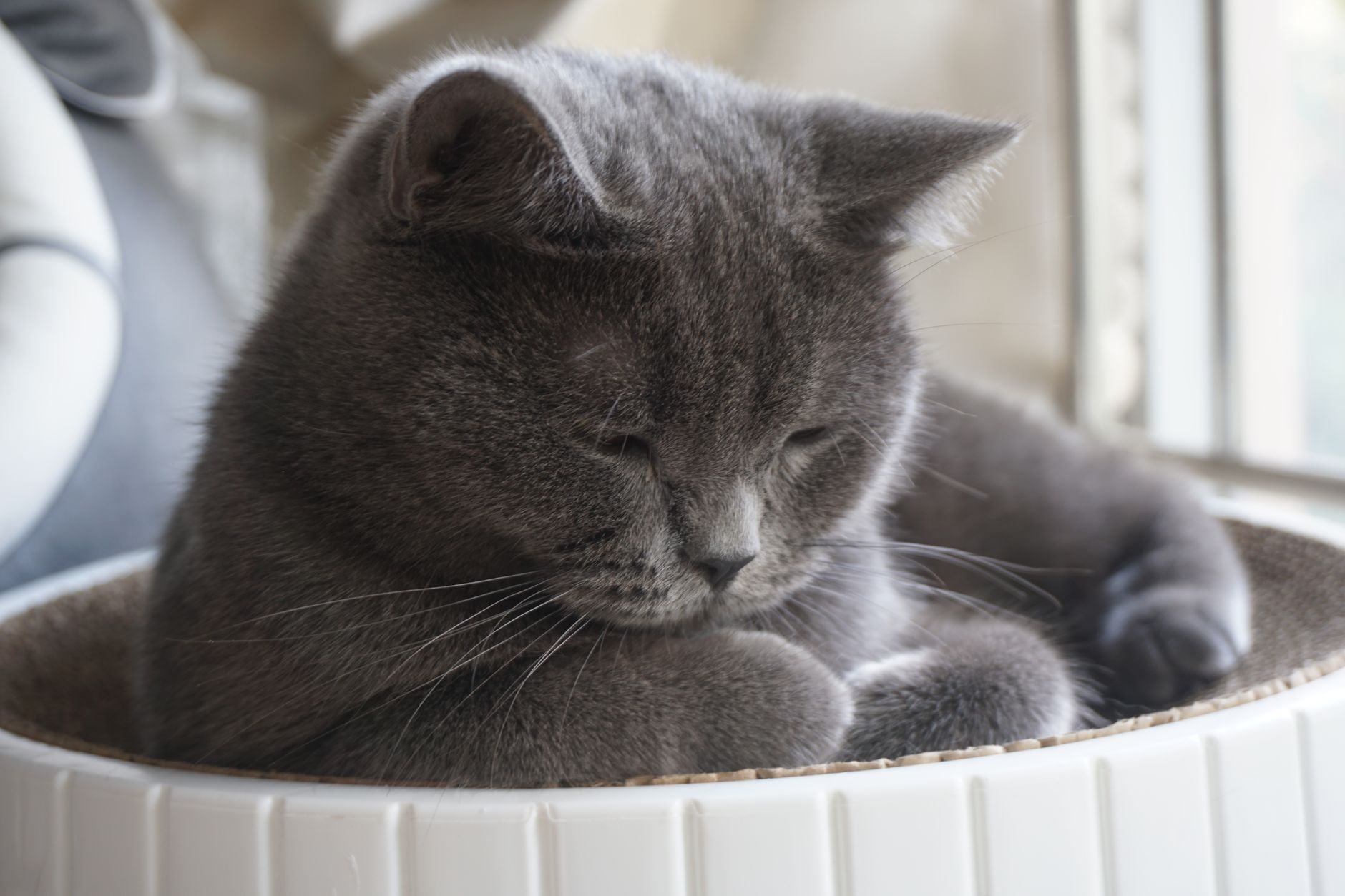
British Shorthair kittens have captured the internet’s attention with their oversized ears, round faces, and plush coats in a way few other breeds can match. These compact bundles of fluff possess an almost teddy bear-like appearance that translates remarkably well to photographs and video, which is precisely why videos of British Shorthair kittens playing, sleeping, or simply staring at the camera can accumulate millions of views across social media platforms. A video of a British Shorthair kitten attempting to fit into a tiny cardboard box, released in 2023, garnered over 8 million views within two weeks, demonstrating the breed’s unique appeal to online audiences. The phenomenon isn’t random.
British Shorthair kittens hit a specific window of maximum cuteness between 4 and 16 weeks of age, when their features are perfectly proportioned for visual impact—their heads remain proportionally large, their ears appear exaggerated, and their blue-gray coats are at peak fluffiness. Once they mature into adults, they retain their beauty but lose some of that kitten-specific visual novelty that drives social media engagement. This surge in online popularity has consequences both for the breed and for people who decide to bring one home based solely on internet videos. Understanding what makes these kittens appealing, how that appeal translates to real-world ownership, and what potential owners should know before acquiring one is essential for anyone considering a British Shorthair.
Table of Contents
- Why Do British Shorthair Kittens Capture Hearts on Social Media?
- The Viral Mechanics Behind British Shorthair Kitten Fame
- Behavioral Traits That Make British Shorthairs Endearing Subjects
- Preparing for a British Shorthair Kitten Beyond the Instagram Fantasy
- Health Considerations and Growth Trajectories for Young British Shorthairs
- The Reality of Living with a Social Media Star
- Choosing a British Shorthair for the Right Reasons
Why Do British Shorthair Kittens Capture Hearts on Social Media?
The British Shorthair’s physical appearance is engineered, through decades of selective breeding, to trigger human affection responses. Their large, round eyes sit wide apart on their head, a feature that mimics human infant proportions and activates what researchers call the “baby schema”—the set of characteristics that makes humans instinctively want to nurture and protect something. Their ears are medium to large, positioned on top of their rounded skull, and their cheeks are full and prominent, creating a perpetually surprised or innocent expression even when the kitten is simply sitting still. The breed’s coat contributes significantly to its visual appeal. British Shorthairs have a dense, plush double coat that makes them appear larger and rounder than they actually are.
In the breed’s most popular color—blue-gray—they resemble miniature plush toys. This tactile quality translates to the screen; people watching videos instinctively feel they can reach through the display and pet the kitten. In contrast, sleek-coated breeds like Siamese kittens may be equally beautiful but create a different visual impression that doesn’t trigger the same nurturing response. The breed’s calm, observant temperament also contributes to its internet appeal. While other kitten breeds may dart frantically around the room, a British Shorthair kitten is more likely to sit still and stare at the camera with a contemplative expression, which photographers and video makers can capture more easily. This behavioral trait, combined with the physical appearance, creates content that feels both adorable and slightly humorous—the kitten’s serious expression contrasts with its cute appearance, which audiences find endearing.
The Viral Mechanics Behind British Shorthair Kitten Fame
Internet virality around cute animals follows predictable patterns, and British Shorthairs seem to fit the template more naturally than most breeds. Social media algorithms favor content that generates high engagement within the first few minutes of posting—likes, shares, and comments. British Shorthair kitten videos achieve this engagement rapidly because the visual impact is immediate and doesn’t require explanation or context. A 30-second video of a blue-gray kitten playing with a toy or awkwardly climbing a cat tree needs no caption to be understood as charming. One significant limitation of viral kitten fame is that it creates supply-and-demand pressure on breeders, often leading to unethical breeding practices.
As demand for “Instagram-famous” British Shorthairs surges, breeders who prioritize profit over genetics and health may produce litters at unsustainable rates, leading to kittens with genetic health issues, poor socialization, or both. Buyers seduced by the promise of owning a “viral kitten” may unknowingly support these operations. A reputable British Shorthair breeder typically has a waiting list, screens potential owners carefully, and provides health guarantees—characteristics that don’t align with the rapid turnover required to capitalize on viral trends. The documentation of kittens’ growth from viral cuteness to adulthood has become a content strategy in itself. Some accounts dedicated to individual famous cats earn sponsorship deals and generate substantial income, which incentivizes people to breed specifically for online marketability rather than for the cat’s welfare or typical behavior. When the inevitable day comes that the kitten is no longer the internet’s favorite, the cat still requires the same level of care and attention it always did, but the financial incentive to provide that care may have evaporated.
Behavioral Traits That Make British Shorthairs Endearing Subjects
Beyond appearance, the british Shorthair kitten’s personality contributes significantly to its internet popularity. The breed is known for being less hyperactive than many other cat breeds; a British Shorthair kitten is more likely to sit on your lap and observe its surroundings than to tear through your house at 3 a.m. This calm demeanor makes the kitten less chaotic to film, photograph, and ultimately live with—all factors that enhance its suitability for online content creation. British Shorthair kittens are often curious without being reckless. They investigate new objects methodically, which creates genuinely funny content. A video of a British Shorthair kitten encountering its first glass sliding door and attempting to walk through it while looking shocked displays the breed’s characteristic thoughtful approach to novelty.
The kitten doesn’t panic; it simply stops, stares, and reassesses. This behavior is less dramatic than a Siamese kitten’s reaction might be, but it’s more relatable and endearing to audiences. The breed’s vocalization patterns also differ from other cats. British Shorthairs tend to be quieter, with softer meows that seem almost polite compared to the demanding yowls of more vocal breeds. This quietness contributes to the breed’s image as a more refined, thoughtful companion—an image that social media has amplified considerably. Interestingly, this calm, quiet nature can be a drawback for owners who want a highly interactive, talkative companion. A British Shorthair kitten won’t greet you at the door with loud meows or follow you from room to room seeking constant attention.
Preparing for a British Shorthair Kitten Beyond the Instagram Fantasy
Anyone considering a British Shorthair kitten should understand the gap between viral kitten videos and the reality of kitten ownership. A healthy, well-socialized British Shorthair kitten from a reputable breeder will cost between $600 and $2,000—sometimes more—which reflects responsible breeding, health screening, and proper socialization. A kitten that appears to be identical to internet-famous ones but costs $150 from an online marketplace is likely from a backyard breeder or kitten mill, where health and genetics have been compromised in pursuit of profit. British Shorthair kittens require the same foundational care as any other kitten: appropriate vaccinations, regular deworming, litter box training, kitten-proofing of your home, and gradual socialization to different people and environments. They also require patience during the teething phase, which lasts until around six months of age.
During this period, the kitten will bite, scratch, and chew more than it will during its calm adult years. A kitten that looks angelic in a photograph may be actively destroying your furniture and drawing blood from your hands during teething, a phase that videos rarely capture. The cost of veterinary care should factor into the decision to acquire any kitten, but especially a pedigree breed. British Shorthairs are generally healthy, but they can be prone to hypertrophic cardiomyopathy (HCM), a heart condition that responsible breeders screen for through echocardiograms. Annual veterinary visits, quality kitten food, litter, toys, and a scratching post should all be budgeted before bringing a kitten home. These ongoing expenses continue well into adulthood; a British Shorthair’s lifespan typically ranges from 12 to 20 years.
Health Considerations and Growth Trajectories for Young British Shorthairs
The British Shorthair’s dense coat requires regular grooming even as a kitten, though many new owners are unprepared for this necessity. The breed is prone to matting if grooming is neglected, and starting grooming habits early makes the process easier for both cat and owner throughout the kitten’s life. A weekly brushing session with a slicker brush and metal comb prevents most matting issues, but some owners, charmed by viral videos of fluffy kittens, assume the coat maintains itself. British Shorthair kittens grow more slowly than some other breeds; they don’t reach full adult size until 18 to 24 months of age. This extended growth period means the “tiny, adorable kitten” phase lasts longer than with some breeds, which is part of their appeal.
However, it also means financial and time commitments extend longer before the cat reaches its final adult behavior patterns and needs. A British Shorthair at six months old still looks quite kitten-like despite being significantly larger and more energetic than it was at 12 weeks. Spaying or neutering is crucial and should be scheduled around five to six months of age. Delaying this procedure increases the risk of reproductive cancers and unwanted behaviors. Some owners of internet-famous cats have postponed spaying or neutering to maintain the kitten’s “cuteness,” which is ethically problematic and medically harmful. Additionally, British Shorthair kittens can be prone to obesity if overfed or under-exercised as they age into adults, a condition that several internet-famous cats have developed quite visibly as their online presence continued.
The Reality of Living with a Social Media Star
Owners who acquire a British Shorthair kitten hoping to recreate viral success often face the reality that their specific kitten, despite being equally adorable, may never achieve internet fame. The algorithms that determine virality are partly random, and the specific timing, content format, and audience engagement matter as much as the cat’s appearance. A kitten that would function as a wonderful family companion may never gain more than a few thousand followers, disappointing owners who saw monetization potential.
Some British Shorthair kittens whose owners successfully documented their growth online have developed stress-related behavioral problems from being constantly handled, positioned for photos, or subjected to environmental changes for content creation. A kitten that’s frequently picked up, repositioned, and filmed may develop anxiety or aggression that makes it a challenging adult companion. The pressure to maintain engagement and produce new content can interfere with the kitten’s ability to experience normal, unstressed development.
Choosing a British Shorthair for the Right Reasons
The most successful British Shorthair kitten ownership occurs when people acquire the kitten because they want to live with the breed, not because a viral video inspired them. A British Shorthair kitten will mature into a calm, moderately affectionate adult cat that enjoys your company but isn’t demanding of constant attention. It will be relatively quiet, generally healthy, and likely to live 15+ years in your home.
It will also shed considerably, require regular grooming, and possibly develop health issues despite your best efforts—all normal aspects of cat ownership that internet videos gloss over. Prospective owners should visit a breeder in person, meet the kitten’s parents, request health testing documentation, and understand the contract and guarantees the breeder provides. They should also honestly assess whether they’re prepared for a 15-20 year commitment to an animal that will eventually age, potentially become less visually appealing to outsiders, and require ongoing care regardless of social media engagement. A kitten that captures your heart in person, in your home environment, rather than on a screen will likely bring far more genuine satisfaction than one acquired because of internet fame.
- —