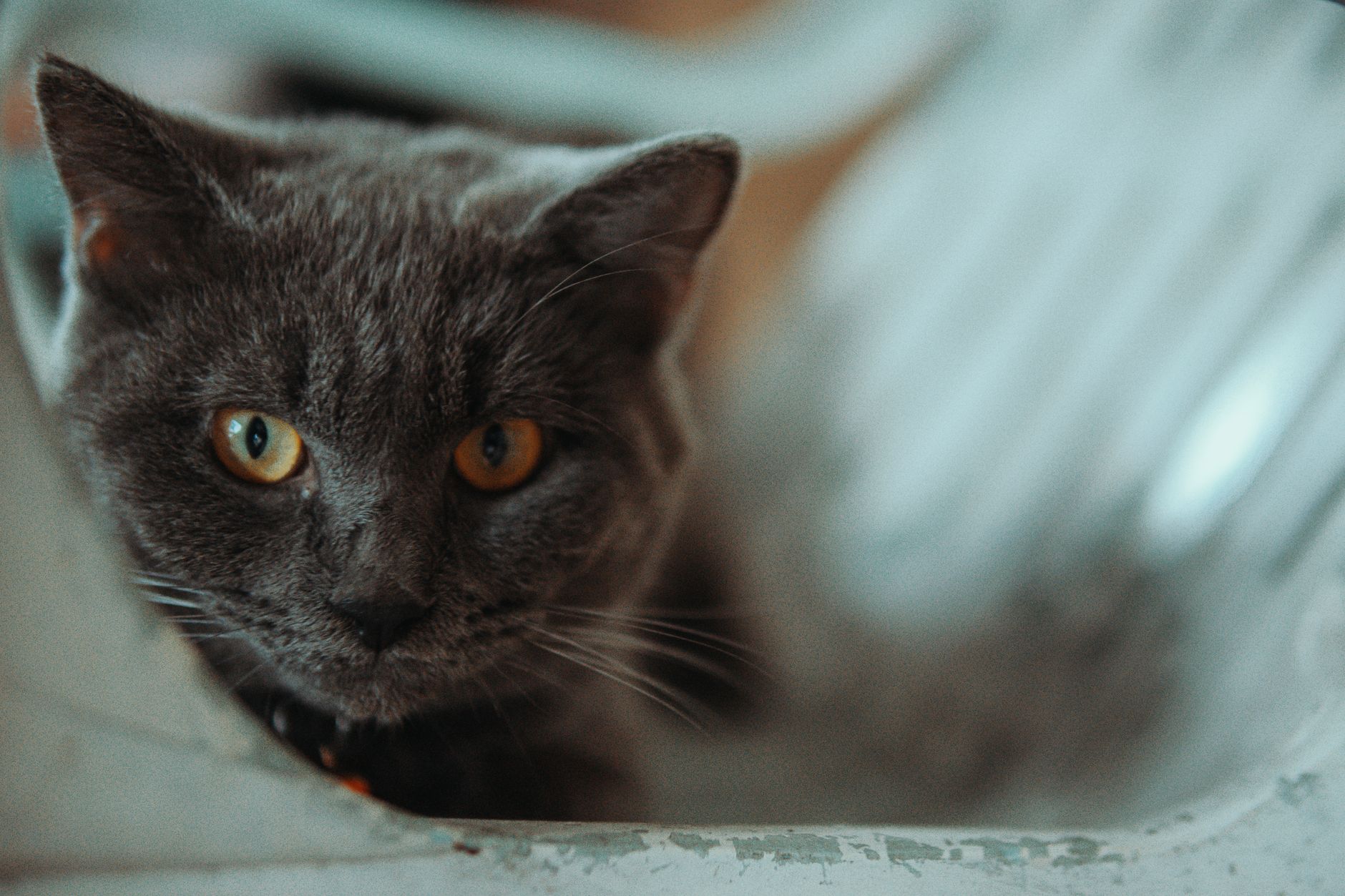
British Shorthair kittens do indeed engage in wrestling matches with their littermates and playmates, and these sessions are both adorable to watch and essential to their development. When you observe a pair of British Shorthair kittens wrestling, you’re witnessing natural behavior that teaches them crucial skills they’ll need throughout their lives: bite inhibition, physical coordination, social boundaries, and how to interact safely with other cats. For example, two five-week-old British Shorthair kittens might engage in a wrestling session where one kitten pounces, the other rolls away, they chase in circles, and then suddenly both flop down exhausted—a cycle that repeats multiple times per day as their bodies and brains develop. This wrestling behavior serves multiple purposes beyond mere entertainment.
Kittens learn to moderate the force of their bites and claws when play-fighting, a skill called bite inhibition that becomes critical if they live with other cats or even children later in life. British Shorthair kittens are particularly social animals within their breed, and wrestling with littermates strengthens their bonds while burning off the enormous energy reserves typical of healthy kittens. Understanding what makes these wrestling sessions healthy and when they might indicate a problem is important for any owner bringing home a British Shorthair kitten. Most wrestling is normal play, but recognizing the difference between playful roughhousing and genuine aggression helps ensure your kittens grow into well-adjusted adults.
Table of Contents
- Why Do British Shorthair Kittens Wrestle and Play?
- What to Look For in Healthy Kitten Wrestling
- The Role of Wrestling in Social Development
- Managing Kitten Wrestling as an Owner
- When Wrestling Becomes a Problem
- Wrestling and the British Shorthair Temperament
- The Physical Benefits of Wrestling Play
- Frequently Asked Questions
Why Do British Shorthair Kittens Wrestle and Play?
Wrestling is a form of play hunting that young kittens engage in to practice the stalking, pouncing, and capturing behaviors their wild ancestors needed to survive. British Shorthair kittens have strong prey drives and wrestling gives them an outlet for these instincts in a safe, social context. When one kitten wrestles with another, both are learning about their own strength, testing their speed, and discovering how their bodies move through space. This kind of physical play is especially important during the critical socialization period between three and nine weeks of age, when kittens are forming their social skills and learning how to communicate with other cats.
The wrestling sessions you observe in British Shorthair kittens are rarely random or chaotic. There’s usually a pattern: one kitten initiates with a pounce or a chase, the other responds by running or wrestling back, and they take turns being the pursuer and the pursued. This turn-taking is significant because it demonstrates early cooperation and fairness—if one kitten always dominates, the other will eventually refuse to play, so both kittens naturally self-regulate to keep the interaction going. A key limitation to remember is that not all wrestling is the same across all kittens; some British Shorthairs are naturally more playful and physical than others, and these differences emerge early.
What to Look For in Healthy Kitten Wrestling
Healthy wrestling between British Shorthair kittens includes biting, scratching, body slamming, and chasing, but with important cues that tell you it’s play rather than aggression. In healthy play, the kittens frequently switch roles—one moment a kitten is on its back being pinned, the next moment it escapes and pursues the other kitten. Both kittens return repeatedly to wrestle, indicating they both enjoy the interaction. Healthy play is also punctuated with breaks where the kittens pause, groom themselves or each other, rest for a few moments, and then initiate another round. If you’ve ever watched two British Shorthair kittens in the early morning hours, you’ve likely seen them launch into wrestling matches, suddenly stop to eat from their water bowl, and then immediately resume wrestling—this pattern is completely normal.
A critical warning sign to watch for is if one kitten consistently avoids the other or shows signs of genuine fear or injury. If wrestling sessions always involve the same kitten winning and the other fleeing with its tail down or ears back, and if the losing kitten stops initiating play or actively avoids the winner, the wrestling may be crossing into bullying or aggression rather than healthy play. Additionally, if you notice actual injuries—deep puncture wounds, torn claws, significant bleeding, or bald patches from over-grooming—the wrestling has become too rough. British Shorthairs have sturdy builds, but their skin and eyes are still sensitive as kittens. Rough claws across the eye during a wrestling match can cause serious injury, though this is relatively rare when both kittens are healthy and matched in size.
The Role of Wrestling in Social Development
Wrestling teaches British Shorthair kittens how to communicate with body language and understand feline social hierarchies. Through wrestling, kittens learn what behaviors are acceptable and what crosses a line—for instance, when a kitten gets bitten too hard, it yelps, and the other kitten learns that force needs to be moderated. This is bite inhibition in action, and it’s one of the most important lessons a kitten can learn, particularly if that kitten might later interact with humans who have more delicate skin than another cat. Kittens that miss out on this wrestling period with littermates sometimes struggle to understand appropriate force levels later in life.
For British Shorthair kittens separated from littermates early (before eight weeks of age, which sometimes happens in breeding or rescue situations), the wrestling behavior may manifest differently. These kittens sometimes struggle to play gently with other cats or humans because they never had that early socialization. They may also be more likely to become overly focused on toys or human hands as playthings, biting and scratching harder than is comfortable. If you’re adopting a single British Shorthair kitten without littermates, providing interactive toys, dedicated play sessions, and eventually introducing the kitten to other cats can help fill this socialization gap.
Managing Kitten Wrestling as an Owner
When you bring home British Shorthair kittens and observe wrestling, your role as an owner is to supervise without interrupting healthy play. Constant intervention teaches kittens that wrestling is wrong rather than teaching them how to wrestle appropriately. Instead, let the wrestling happen and only step in if you see genuine signs of distress or injury. Set boundaries around human hands and feet: if kittens start targeting your hands during wrestling sessions, redirect them to toys on strings or other appropriate targets. A comparison worth noting is that some owners make the mistake of wrestling with kitten hands or feet directly, which teaches the kittens that human appendages are wrestling toys—a habit that becomes less cute and more painful as they grow into adult cats.
Environmental management is also important. Ensure that wrestling kittens have adequate space to run, jump, and hide. British Shorthair kittens need multiple levels of play space, adequate toys, and importantly, quiet retreat areas where a kitten can escape if wrestling becomes too intense. If your kittens share a single small room, they’ll have more frequent confrontations than kittens with access to multiple areas. Another practical point: provide multiple feeding stations, water bowls, and litter boxes so that kittens don’t compete for resources, which can escalate wrestling into genuine conflict.
When Wrestling Becomes a Problem
While wrestling is normal, there are situations where it can signal or create problems. If a British Shorthair kitten wrestles so intensely or frequently that it causes injury to itself or its companions, or if wrestling escalates into fighting with serious injury, you may need to separate the kittens during high-energy periods and provide more supervision. Some kittens are simply more aggressive than others due to genetics or early experiences, and these kittens may need additional work to learn bite inhibition. A warning: very occasionally, what looks like playful wrestling is actually a sign of underlying stress, fear, or illness.
If wrestling patterns suddenly change—a playful kitten becomes aggressive, or a kitten suddenly won’t wrestle at all—this can indicate pain, illness, or behavioral distress that warrants veterinary attention. Another limitation to understand is that wrestling works differently depending on the age and size of the kittens involved. A newborn kitten wrestling with a twelve-week-old kitten is not a fair matchup and can result in injury to the younger kitten. If you’re introducing kittens of different ages, ensure they’re roughly matched in development stage, or supervise closely and be prepared to separate them if the wrestling becomes unbalanced.
Wrestling and the British Shorthair Temperament
British Shorthairs are known for their calm, easygoing temperament compared to some other breeds, and this extends to their play style. Even when wrestling, British Shorthair kittens tend to be less intense and dramatic than, for example, Bengal or Siamese kittens.
Their chunky builds and relatively short limbs mean their wrestling tends to be more grappling and rolling than high-flying acrobatics, and they often incorporate play-bow postures that make their intentions clear. This breed-specific trait means that British Shorthair wrestling sessions, while enthusiastic, rarely escalate into the kinds of intense, injury-prone conflicts that can occur in more high-energy or territorial breeds.
The Physical Benefits of Wrestling Play
Wrestling is the primary way that kittens develop muscle tone, coordination, and cardiovascular fitness during their first months of life. A British Shorthair kitten that wrestles several times a day is burning calories, building muscle, and strengthening bones in ways that solitary play with toys cannot fully replicate.
The three-dimensional movements involved in wrestling—twisting, flipping, jumping, and balancing—require coordination that develops their proprioception and balance. As these kittens grow into adult cats, the muscle tone and coordination developed during wrestling contributes to their ability to jump, climb, and land safely, reducing the risk of injury from falls or missteps later in life.
Frequently Asked Questions
Is it normal for my British Shorthair kittens to wrestle for hours?
Kittens have enormous energy reserves and short attention spans, so bursts of intense wrestling followed by play and rest are completely normal. However, if wrestling sessions last for hours without significant breaks or seem to always involve the same level of intensity, ensure your kittens have adequate food, water, and a comfortable resting area. Excessive wrestling can sometimes indicate a kitten is overstimulated or stressed.
Can wrestling cause serious injury to kittens?
While minor scratches and nips are normal, serious injuries are uncommon between matched kittens engaged in healthy play. The primary risk is if kittens are mismatched in age or size, or if one kitten is significantly more aggressive. Watch for limping, reluctance to move, discharge from eyes or ears, or behavioral changes after wrestling.
Should I separate my kittens if they wrestle?
Only if wrestling becomes too rough or if one kitten consistently avoids the other and shows signs of fear or injury. Healthy wrestling is an essential part of kitten development, so interrupting normal play prevents proper socialization.
Do all British Shorthair kittens wrestle equally?
No. Personality differences emerge early, and some British Shorthairs are naturally more playful and physical than others. A kitten that’s calmer or prefers interactive toys over wrestling with littermates is still developing normally, though wrestling does provide irreplaceable social learning.