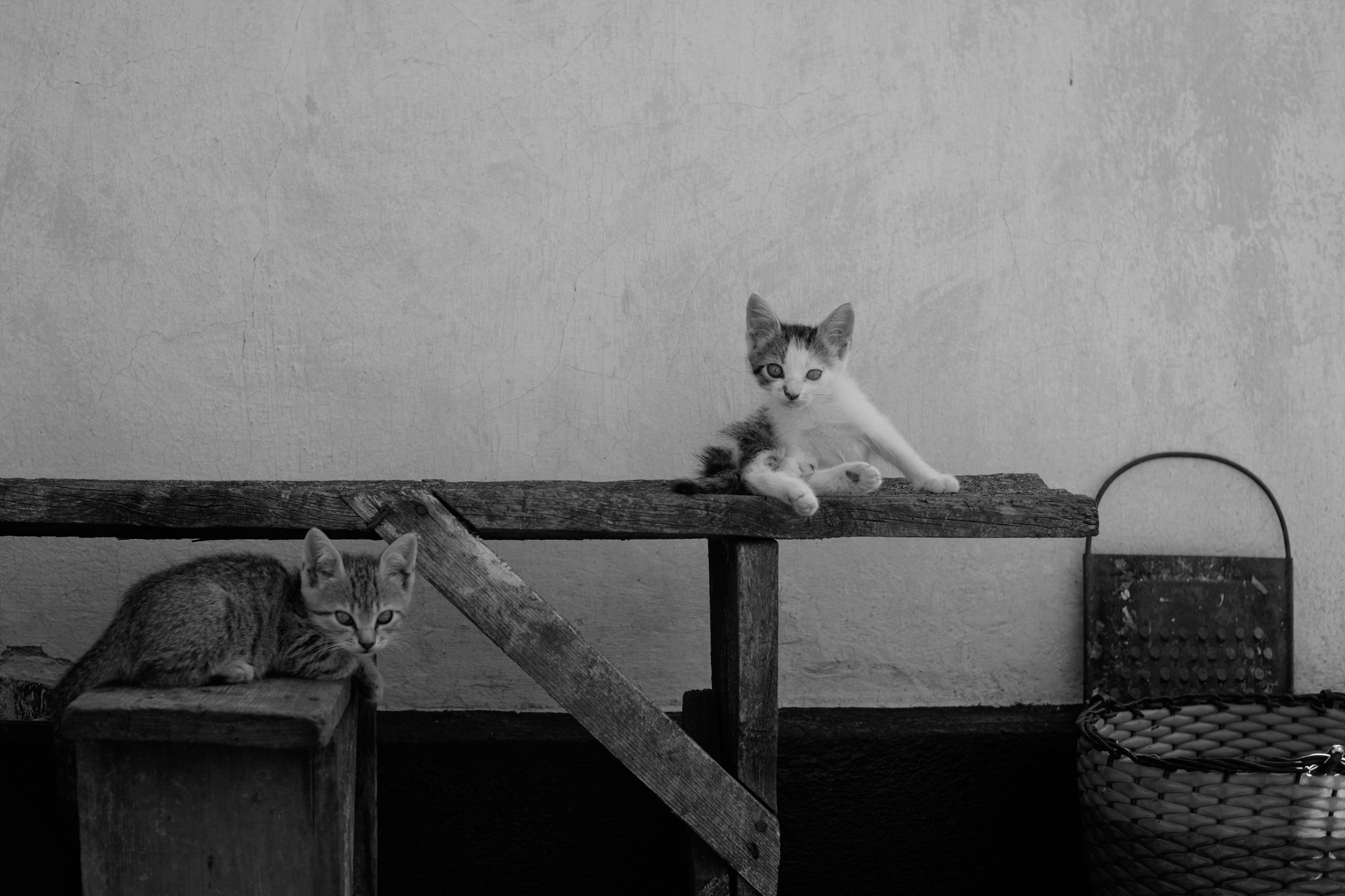
Chewy offers a selection of wooden feline perches and wall-mounted play furniture designed to give cats elevated spaces for climbing, scratching, and observation. These structures serve practical purposes beyond aesthetics—cats naturally seek high vantage points for security and territorial surveying. A wooden wall-mounted shelving system, for example, can transform a living room into a multi-level play environment while keeping furniture compact and protecting floor space. The appeal of wooden construction lies in its durability and appeal to cats’ instinctive behaviors.
Unlike plastic or fabric-covered alternatives, wood structures often provide genuine grip and scratch resistance, particularly when paired with sisal or jute wrapping. Chewy’s inventory includes various styles, from minimalist floating shelves to more elaborate tiered systems with integrated lounging areas. When shopping for these products, understanding construction quality, space requirements, and actual feline preferences is more useful than focusing on sale timing alone. These furniture pieces represent a meaningful investment in your cat’s environment and warrant careful selection based on your space and your cat’s age and activity level.
Table of Contents
- What Types of Wooden Wall-Mounted Cat Furniture Does Chewy Carry?
- Durability and Weight-Bearing Limitations of Wooden Cat Furniture
- How Wooden Structures Support Cat Behavior and Enrichment
- Selecting the Right Size and Configuration for Your Space
- Maintenance and Common Issues with Wooden Cat Furniture
- Cost Comparison and Value Assessment
- Installation Considerations and Long-Term Placement Decisions
- Frequently Asked Questions
What Types of Wooden Wall-Mounted Cat Furniture Does Chewy Carry?
Chewy’s wooden furniture options span several categories. Wall-mounted shelves designed specifically for cats typically feature laminated wood surfaces and bracket systems rated for repeated jumping impact. Some models include integrated perches or hammocks, while others function as minimalist ledges. Tiered shelf systems stack multiple levels vertically, creating climbing routes without requiring floor space—useful in apartments or smaller homes where traditional cat trees are impractical. Another common offering is the corner-mounted shelf or ladder system, which uses vertical wall space efficiently.
These often feature multiple steps ascending toward a ceiling-height perch, mimicking the climbing behavior cats display on trees outdoors. Materials vary; some use solid wood while others employ plywood or engineered wood with veneer finishes. The bracket quality matters considerably—poorly rated mounting hardware can fail under dynamic load when a cat jumps from higher shelves to lower ones. Combination units sometimes integrate scratching posts alongside shelving, addressing multiple behavioral needs in one structure. The trade-off is typically reduced flexibility; a unit designed for both perching and scratching occupies more wall space than a shelving-only system, and cats may have preferences about which function to use in which location.
Durability and Weight-Bearing Limitations of Wooden Cat Furniture
Wood furniture presents real structural constraints that differ from metal cage-style cat trees. Laminated plywood withstands repeated impact better than solid wood but has edge vulnerabilities—the glued layers can delaminate if the structure is installed on an exterior wall exposed to humidity fluctuations or near windows where temperature swings occur. Moisture damage develops gradually and isn’t visible until brackets begin pulling away from studs or surfaces warp. Weight limits are critical and often understated in product descriptions. A wall-mounted shelf rated for 50 pounds can technically support a large Maine Coon or multiple cats, but the dynamic load from a running jump is higher than static weight. A 15-pound cat jumping from 4 feet up creates impact force substantially exceeding 15 pounds.
Shelves designed for lighter interactive use (climbing, brief perching) differ fundamentally from systems built to support sustained lounging in one location. Chewy listings typically specify weight capacity, but correlating that to your specific cat’s mass and activity intensity requires realistic assessment. Installation directly into wall studs is non-negotiable for safety. Using only drywall anchors will fail. If your walls are plaster, studs are misplaced, or your framing is unusual, wooden shelf systems become problematic. Renters face additional restrictions—permanently drilling into walls is often prohibited by leases.
How Wooden Structures Support Cat Behavior and Enrichment
Cats use elevated spaces for stress reduction and territorial control. A wall-mounted perch gives an anxious cat a retreat point above normal household activity. The sensory experience differs from floor-level furniture; a cat observing from 5 feet up experiences visual advantage and acoustic distance from noise, reducing defensive stress responses. Multi-level wooden systems provide graduated climbing complexity—kittens and senior cats may use lower shelves while active adults access higher routes. Wood surfaces offer tactile information that plastic lacks. Cats assess materials through paw contact and scratching behavior.
Untreated or lightly finished wood engages their sensory expectations more naturally than polished surfaces. Some cats develop strong preferences, refusing to use furniture made from materials that don’t meet their textural preferences. Pairing wooden perches with sisal-wrapped posts addresses dual needs—the wood provides climbing stability, the sisal satisfies scratching urges. Multi-cat households benefit from elevated systems creating multiple use zones simultaneously. One cat can perch on an upper shelf while another lounges on a mid-level platform without conflict. This spatial separation reduces tension in homes where cats tolerate rather than actively bond with each other.
Selecting the Right Size and Configuration for Your Space
Before purchasing, measure wall space accurately and assess stud placement—a shelf system requires backing support every 16 to 24 inches depending on design. A common mistake is purchasing multi-tier systems for small apartments, resulting in shelves protruding further into room space than anticipated or blocking windows and lighting. Sketching your wall with measurements and testing furniture dimensions with cardboard mockups prevents costly returns. Configuration choices depend on existing cat behavior patterns. A cat that already uses high perches on bookcases or furniture will likely embrace wall-mounted alternatives quickly.
A cat that rarely leaves floor level may ignore new elevated structures entirely, particularly if the installation occurs in an unfamiliar room or away from primary activity zones. Placement matters—installing shelves along a wall visible from your cat’s favorite resting spot increases adoption likelihood. Positioning near a window (if temperature-controlled) combines outdoor interest with the security of elevation. Height progression affects usability. Systems ascending too quickly with large vertical gaps between levels frustrate cats unable to make certain jumps due to age, weight, or mobility limitations. Gradual height increases with overlapping or offset shelves accommodate broader cat populations and aging changes.
Maintenance and Common Issues with Wooden Cat Furniture
Wood furniture requires regular inspection for signs of breakdown. Sisal wrapping unravels and shreds over months of use, creating both safety risks (loose fibers ingested by cats) and reduced function. Replacing sisal or refinishing wood extends furniture life but requires disassembly—not all wall-mounted systems allow easy removal for maintenance. Check product documentation for serviceability before committing to purchase; some units require complete reinstallation if wrapping replacement is needed. Staining and odor accumulation present ongoing challenges.
Urine marking on wooden surfaces, particularly in multi-cat households, penetrates finish and becomes difficult to remove without damaging wood. Cats sometimes mark wall-mounted furniture territorially, especially if an unfamiliar cat is introduced or during stress periods. Protective finishes help but aren’t foolproof. Some cat owners report better results with washable cushions or removable elements that prevent direct wood contact with potential accidents. Cats occasionally redirect scratching behavior to wooden furniture itself rather than wrapped sections, damaging surfaces and shortening furniture lifespan. Active scratchers may benefit more from dedicated scratching posts than from wooden perches.
Cost Comparison and Value Assessment
Wooden wall-mounted systems vary substantially in price, with basic single-shelf units costing less than elaborate multi-tier installations. Comparing price directly to alternatives like traditional freestanding cat trees requires assessing what you’re purchasing—smaller wall systems occupy less visual space and floor footprint but provide fewer climbing options than large vertical trees. A floor-based cat tree might offer 4-6 distinct perch levels across 6 feet of vertical space, while a wall system spanning the same height provides only 3-4 levels due to structural spacing requirements.
Longevity affects real cost. Higher-quality wooden furniture with solid construction and professional-grade finishing outlasts cheaper alternatives by years. Calculating cost-per-year of use over a cat’s lifetime reveals that premium options sometimes deliver better value despite higher initial investment.
Installation Considerations and Long-Term Placement Decisions
Professional installation services available through retailers or local handyperson networks add cost but ensure structural safety and proper weight distribution. DIY installation requires confidence with power drills, stud finders, and wall-anchoring techniques. Mistakes result in failed installations requiring wall repair and re-anchoring. Testing shelf stability before allowing full cat use—applying pressure manually and ensuring brackets don’t flex or shift—prevents injuries from sudden equipment failure.
Long-term placement requires thinking beyond immediate aesthetics. A wall-mounted unit installed across a sunny window becomes unusable for cats if blinds are later drawn regularly or if window treatments are installed. Furniture installed in hallways interferes with household movement patterns. Deciding on permanent location before installation avoids the complications of removal and patching wall damage if relocation becomes necessary.
- —
Frequently Asked Questions
What’s the typical weight capacity of Chewy’s wooden cat shelves?
Most wall-mounted wooden shelves support 40-75 pounds, though dynamic jumping loads exceed static capacity. Check individual product specifications and ensure installation into wall studs for safety.
Can wooden cat furniture be used in rental apartments?
Permanent installation requires drilling into walls, typically prohibited by leases. Renters should clarify policies with landlords before purchasing, as damage requires wall repair at lease termination.
How often does wrapping or finishing need replacement?
Sisal wrapping typically requires replacement every 12-24 months with active use. Some systems allow in-place rewrapping; others require partial disassembly, making maintenance inconvenient.
Is wooden furniture better than carpet-covered alternatives for cats?
Wood provides better grip and scratch resistance for active climbers, while carpet-covered structures are quieter when cats land. Choice depends on individual cat preferences and your household’s noise tolerance.
Do all cats use wall-mounted perches immediately?
No. Cats accustomed to floor-level living may ignore elevated furniture initially. Placement near windows, existing favorite spots, or paired with treats or toys encourages adoption.