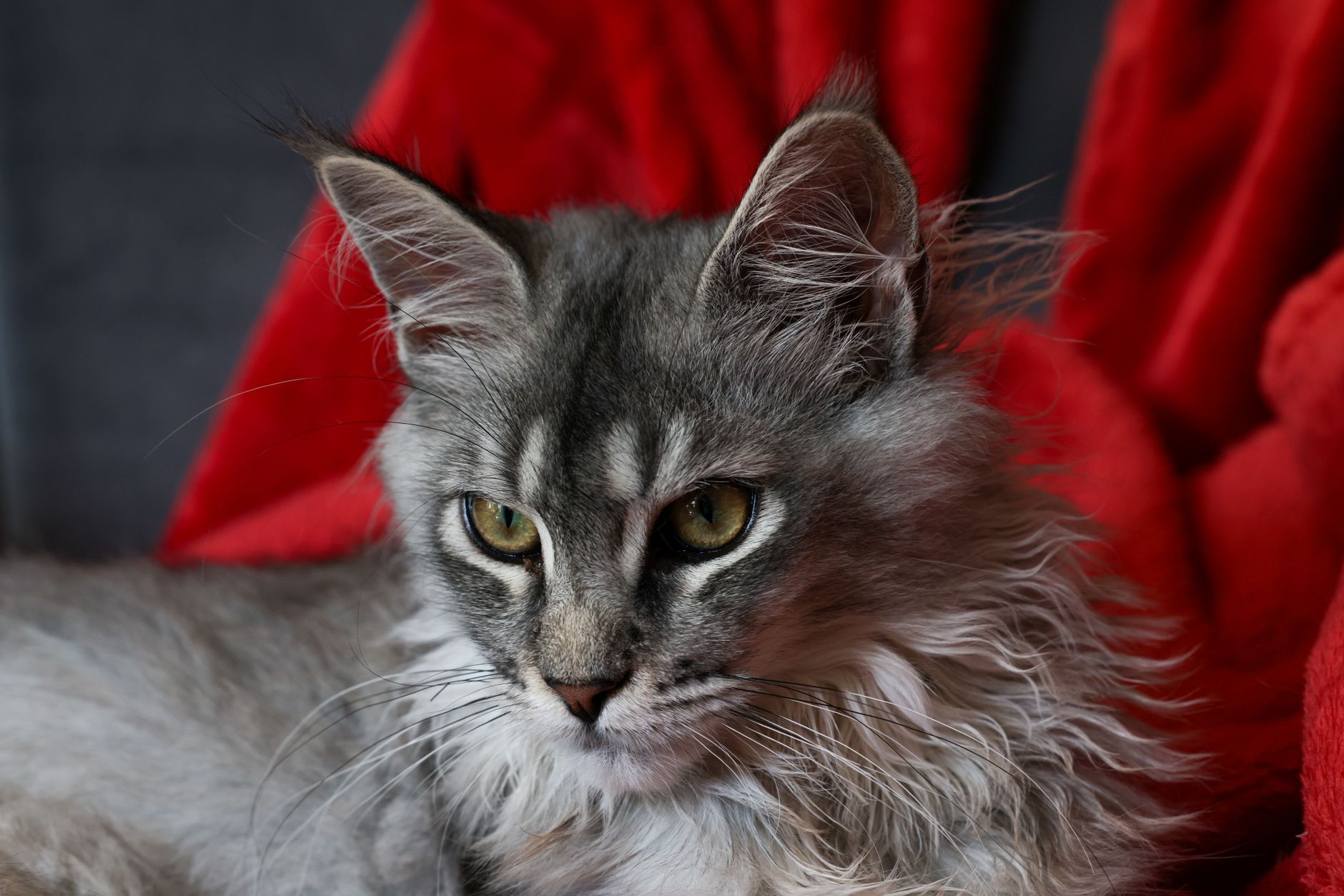
Chewy’s multi-level cat towers represent a meaningful investment in feline enrichment and environmental design, combining structural stability with layered comfort zones that cater to a cat’s natural climbing instincts and need for vertical territory. Unlike basic cat furniture that serves primarily as a scratching post, premium multi-level towers create an entire ecosystem within a single piece—offering perches at varying heights, enclosed hideaways, and textured surfaces that address both behavioral and physical needs. A cat living in an apartment with a well-designed tower might spend considerably less time exhibiting frustration-related behaviors like destructive scratching or excessive vocalization, as the structure provides the mental stimulation and territorial control that indoor cats otherwise lack.
The distinction between luxury and standard cat towers lies not in brand names but in how thoughtfully the structure is engineered to support feline behavior over time. Premium designs account for weight distribution, material durability under repeated use, and the psychological needs cats express through climbing, scratching, and elevated resting. Many cat owners discover that a high-quality tower becomes one of the most-used pieces of furniture in their home, sometimes more valued than toys or traditional beds.
Table of Contents
- What Makes a Cat Tower “Luxurious” in Design?
- Multi-Level Structure and Natural Feline Behavior
- Material Quality and Long-Term Durability
- Practical Setup and Space Considerations
- Common Maintenance Challenges and Odor Issues
- Health and Behavioral Benefits Beyond Entertainment
- Design Features That Differentiate Premium Towers
- Frequently Asked Questions
What Makes a Cat Tower “Luxurious” in Design?
Luxury in cat furniture means engineering that prioritizes the cat’s comfort and behavioral fulfillment rather than merely adding decorative elements or expensive materials. A luxurious multi-level tower typically features multiple weight-bearing supports distributed throughout the structure, ensuring each platform remains stable even when a cat lands forcefully or when multiple cats use different levels simultaneously. The materials themselves matter significantly—quality carpet or sisal wrapping should feel substantial and resist matting after months of use, rather than flattening within weeks as cheaper alternatives often do.
The layout of a luxury tower reflects understanding of cat psychology: perches should be sized appropriately for different sitting positions (stretched out, curled, alert monitoring), and levels should be spaced to encourage jumping without requiring excessive vertical distances that could strain aging joints. A tower marketed as luxury often includes enclosed spaces or cubbies where cats can retreat when overwhelmed, a feature that anxiety-prone cats find invaluable. Comparing a basic tower to a premium one side-by-side reveals the difference immediately—a quality piece won’t wobble, won’t sag when a cat rests on it for extended periods, and won’t leave gaps where small paws can get caught.
Multi-Level Structure and Natural Feline Behavior
Cats are vertical creatures by nature; in the wild, elevation means safety from ground-level threats and commanding views of territory. A multi-level tower replicates this biological need, particularly for indoor cats who lack access to tall trees and elevated outdoor vantages. Each level serves a distinct purpose in a cat’s daily routine—one might be used for hunting-style surveillance of the household, another for napping in dappled sunlight, and a third for safe retreat during stressful events like thunderstorms or vacuum cleaning.
The arrangement of levels matters more than the total height; towers with varying platform heights and types (open perches, shelves with backrests, enclosed boxes) provide more enrichment than a simple stack of identical platforms. However, a limitation many owners overlook is that a tower’s appeal depends partly on household placement—a beautiful tower tucked in a corner away from activity won’t be used as frequently as one positioned near windows or in the central living area where cats can observe family activity. Some cats also have difficulty with towers that are too tall if their rear legs are weak or they’ve experienced previous falls; senior cats sometimes prefer multi-level furniture with lower maximum heights and closer-spaced steps.
Material Quality and Long-Term Durability
Premium cat towers invest significantly in material selection because cats are rigorous durability testers—they scratch the same spot repeatedly, jump forcefully, and spend hours rubbing against surfaces. Real hardwood or plywood cores wrapped in quality carpet outperform particle board alternatives that warp or compress under sustained pressure. Sisal rope, when densely wound and properly anchored, maintains its texture and grip over years of scratching; cheaper sisal becomes loose and frayed after a few months of active use.
Luxury towers typically use non-toxic, pet-safe finishes and dyes, though this is worth verifying regardless of price point. The stability mechanism—whether through weight, base construction, or wall anchoring options—should be robust enough that a mid-sized cat launching from the highest point doesn’t create wobble throughout the structure. One significant downside to consider is that very tall towers, while impressive, can become structurally unstable in households with large or multiple cats; a tower might technically be safe for a single 10-pound cat but inadequate for two cats using it simultaneously. Regular inspection of joints, rope condition, and platform attachment helps catch deterioration before a cat experiences a fall or gets trapped.
Practical Setup and Space Considerations
Before purchasing any multi-level tower, honest assessment of available space is essential because a luxury piece that won’t fit properly or that creates a hazard becomes an expensive piece of furniture rather than a useful enrichment tool. Measuring the intended spot—accounting for the tower’s footprint, the height clearance from floor to ceiling, and access space around it—prevents the common mistake of purchasing a tower that’s too tall for the room or too wide for the available wall space. Placement strategy significantly affects how much a tower will be used; windows are premium real estate for cats, but direct sun exposure on carpet covering can cause fading and potential overheating.
Positioning a tower near windows but with some shade available creates an ideal perch location that doesn’t overheat. In comparison to typical furniture arrangement, towers require thought about traffic flow—placing one directly in a household’s main walkway creates conflicts, while positioning it slightly aside from high-traffic areas allows cats to use it without constant family disruption. The flooring type matters too; hardwood floors provide less grip than carpet, potentially making it harder for less-agile cats to safely exit the tower’s lower levels.
Common Maintenance Challenges and Odor Issues
Even premium cat towers require ongoing maintenance, though quality construction makes this significantly easier than managing cheaper alternatives. Urine marking, which can occur even in well-adjusted cats when multiple cats share a tower or when stress increases, becomes nearly impossible to fully remove from carpet-covered structures once it penetrates the material. Many owners discover too late that spots that smell clean to humans still carry scent markers that encourage repeated marking—a cycle that can render an otherwise beautiful tower unusable.
Dust accumulation in enclosed spaces and under platforms creates both aesthetic and health concerns; towers in humid environments or homes with cats prone to respiratory sensitivity require more frequent vacuuming than ones in dry climates. Claw caps or nail maintenance become more important in households with expensive towers because cats scratching aggressively can damage fine materials faster than expected. A specific limitation is that towers in visible areas of homes showcase wear and fading over time; while a quality tower won’t deteriorate functionally, the visual appearance changes after years of use and sun exposure, which matters if the piece is meant to coordinate with home décor.
Health and Behavioral Benefits Beyond Entertainment
Cats using multi-level towers show measurable increases in activity throughout the day, which contributes to maintaining healthy weight and muscle tone as cats age. The climbing, jumping, and reaching involved in tower use strengthens rear leg muscles and encourages stretching that prevents the stiffness that confined, sedentary indoor cats often develop.
Beyond physical benefits, the environmental control that a tower provides—the ability to retreat, to observe, to claim territory—reduces stress-related behaviors including inappropriate elimination, over-grooming, and aggression between multiple cats. For cats recovering from surgery or managing arthritis, premium towers designed with closer-spaced platforms become physical therapy tools that allow continued elevated activity without the extreme jumping that could cause injury. A cat with joint concerns might successfully maintain climbing ability through a tower with stepping stones at three-foot intervals, whereas the same cat attempting to reach a higher perch might strain healing tissues.
Design Features That Differentiate Premium Towers
Luxury multi-level towers often incorporate design features that standard models omit entirely: wide, deeply cushioned perches that accommodate larger cats or cats who prefer sprawling positions; textured surfaces that provide grip for cats with older or less-mobile rear legs; and anchor points that allow secure wall attachment for households with very large cats or young cats prone to climbing dangerously. The inclusion of multiple scratching surfaces using different materials—sisal, carpet, and sometimes wood texturing—appeals to individual cat preferences, as some cats prefer vertical scratching while others favor horizontal surfaces.
Premium construction also typically includes detailed attention to edge safety and closure of gaps where small paws or tails could become trapped between levels or between the tower and wall. The weight capacity specifications for luxury towers are usually realistic rather than optimistic, reflecting the actual stress loads the structure can bear when used by the cats intended for it. A tower rated for use by cats up to 20 pounds combined weight will perform more reliably across its lifespan than one with inflated capacity ratings that don’t account for impact forces and repeated stress from daily use.
- —
Frequently Asked Questions
How do I know if a multi-level tower is stable enough for my cat?
A quality tower should not wobble when you press firmly on each level, should remain stable when a cat lands on it from below, and should have a wide, weighted base or wall-anchor options. Test it in-store if possible, and check weight capacity ratings—these should specify combined cat weight, not individual animals.
What’s the typical lifespan of a premium cat tower?
High-quality towers often last 5-10 years depending on use intensity, though carpet covering may show fading or matting after 3-4 years. Sisal rope typically requires replacement sooner than structural components, which often remain sound much longer.
Can I use a tall tower in a smaller home?
Not always comfortably. Towers that reach 6-7 feet can make rooms feel cramped and may create structural instability if not properly anchored. Many cats are equally satisfied with towers reaching 5 feet or less, particularly if designed with thoughtfully spaced levels.
How do I prevent my cat from marking a tower with urine?
Enzymatic cleaners specifically designed for urine removal can help if marking begins early, but complete prevention in multi-cat households is difficult. Some cats mark more readily when stressed, moved to new homes, or when another cat uses their space—managing stress often reduces marking more effectively than physical interventions.
Are outdoor or weatherized versions available?
Some premium brands offer outdoor versions, though exposure to weather significantly reduces lifespan of carpet and sisal. Weather-resistant materials often feel less comfortable to cats than standard interior fabrics, making use less frequent.
What modifications should I make for a senior cat?
Prioritize towers with platforms spaced no more than 12-18 inches apart, include multiple resting spots with back support, and avoid platforms that require long jumps. Some cats benefit from ramps or stepped access to lower levels rather than climbing vertically. —